The Wild Sage logo
The Wild Sage Logo

Herbal Medicine at your fingertips

Comprehensive database of herbal remedies with detailed safety information and traditional uses

New to herbal terms? Read the glossary →
ADHD
Abcess
Acid Reflux Relief
Acinetobacter
Acne
Acne Vulgaris
Addisons
Adenomyosis
Adenovirus
Adrenal fatigue
Aging
Aids
Alcaligenes faecalis
Alcoholism
Allergic Rhinitis
Allergies
Allergy
Alopoecia
Alopoecia nervosa
Alzheimer's, Dementia & Cognitive Decline
420 herbs found
Important: This information is for educational purposes only. Always consult with qualified healthcare professionals before using herbal remedies, especially if you have existing health conditions or take medications.
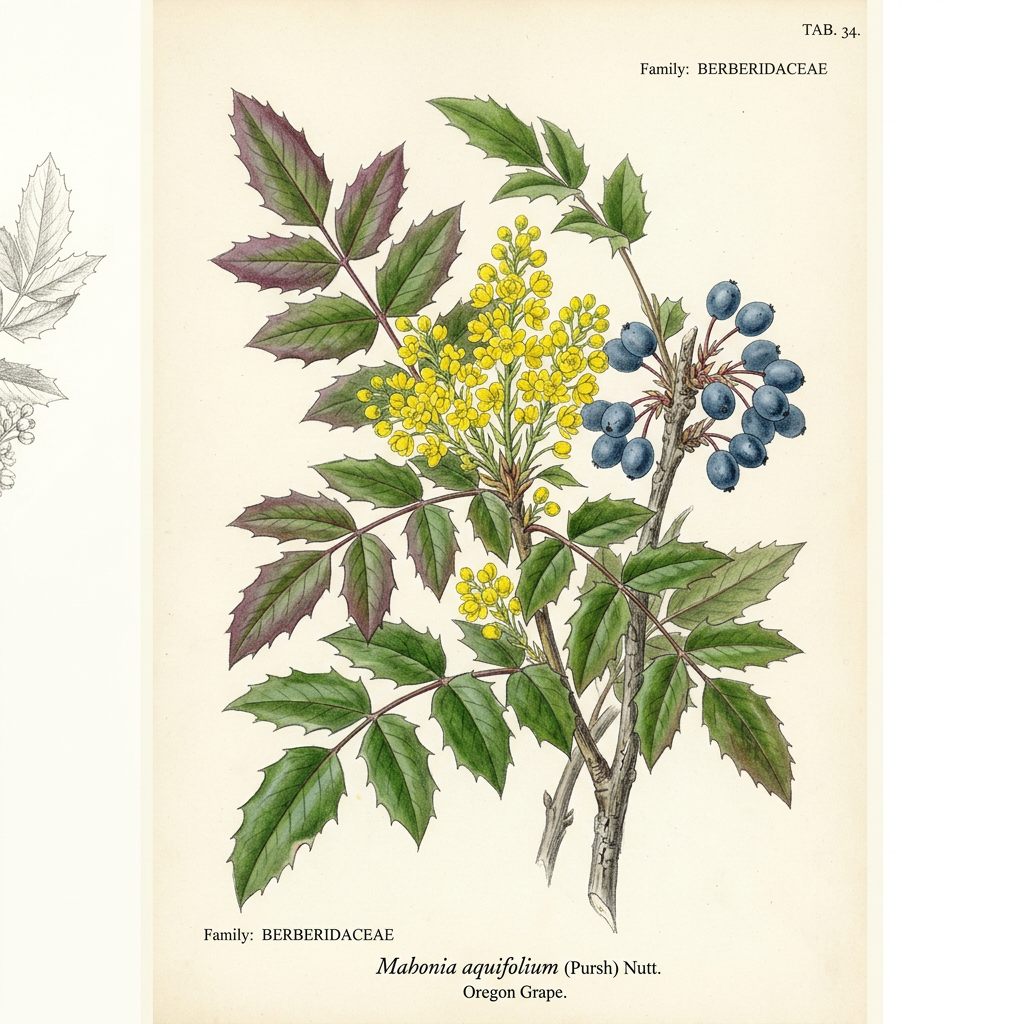
Oregon Grape

Oregon Grape

Mahonia aquifolium

moderate risk Risk
Berberidaceae
<p>Oregon Grape, scientifically known as Mahonia aquifolium, is a perennial shrub native to the western regions of North America. Traditionally utilized by indigenous peoples for its medicinal properties, Oregon Grape has a rich history that dates back centuries. The roots, bark, and berries of the plant have been employed in various folk medicine practices to address ailments ranging from digestive issues to skin conditions. Its vibrant yellow flowers are not only a hallmark of its beauty but also signal its potential as an important medicinal herb. The contemporary resurgence of interest in botanicals has brought Oregon Grape into the spotlight, highlighting its effectiveness in treating a variety of health conditions. The therapeutic benefits of Oregon Grape are primarily attributed to its high berberine content, a potent alkaloid known for its antimicrobial and anti-inflammatory properties. This herb is widely regarded for its efficacy in managing skin conditions, including psoriasis and eczema, as it helps alleviate irritation and promotes healing. Additionally, Oregon Grape supports liver function, acting as a gentle cleanser and booster for this vital organ. Its broad-spectrum antimicrobial action also makes it useful in combating infections and supporting the body’s natural defense mechanisms, potentially offering a complementary approach to conventional treatments. Oregon Grape works in the body by modulating various physiological processes. The berberine in its roots influences the immune response, enhances gut health by promoting the growth of beneficial bacteria, and aids in reducing bacterial and fungal infections. Furthermore, it exerts a cholagogue effect, stimulating the flow of bile and thus supporting digestive health and detoxification processes. This complex interplay of actions underscores Oregon Grape’s role as a multifaceted herb, making it a valuable addition to the herbalist’s toolkit for promoting overall wellness and addressing specific health issues. Whether utilized in tinctures, teas, or topical preparations, Oregon Grape continues to serve as a testament to the efficacy of traditional herbal medicine in contemporary health practices.</p>

Uses & Conditions

Immune Support
Detoxification
Psoriasis
Eczema
Digestive Issues
Bacterial Infections
Fungal Infections

Actions

Antimicrobial
Anti-inflammatory
Choleretic

Parts Used

Roots

Native Countries

United States
Canada

USDA Hardiness Zones

5
6
7
8

Contraindications

  • Neonatal jaundice

Potential Side Effects

  • Occasional skin reaction

Interactions

  • Medications which displace protein binding of bilirubin
  • Phenylbutazone
  • Itraconazole

Dosages, tincture ratios & research — members only

Unlock Garreth's dosing guidance, tincture ratios, the dosage calculator and the research studies for Oregon Grape.

Your assessment and results stay saved — upgrading only unlocks more of them.

See membership plans

Community Photos

No community photos yet. Sign in to upload photos.

Reviews & Ratings

Sign in to leave a review.

No reviews yet. Be the first!

GF

Garreth Falls — B.Th., Dip. H.M., MNIMH

Content curated and reviewed by Garreth Falls, Consultant Medical Herbalist · The Wild Sage

Medical Disclaimer: This information is for educational purposes only and is not intended as medical advice. Always consult with qualified healthcare professionals before starting any herbal treatment.
Western tradition

Sustainability & quality

Abundant

Often an invasive ornamental plant in some regions. Sustainable wild harvesting is generally straightforward.

Key constituents

Antioxidant, Antimicrobial, Digestive enzymes, Alkaloids, Berberine, Isoquinonline alkaloids, Hydrastine, Berbamine, Oxycanthine

References

  1. Bone & Mills "Principles and Practice of Phytotherapy" 2nd ed. 2013

Reviewed by Garreth, Medical Herbalist (MNIMH) · November 2026

Related conditions

Explore conditions where Oregon Grape is traditionally used.

Related Herbs
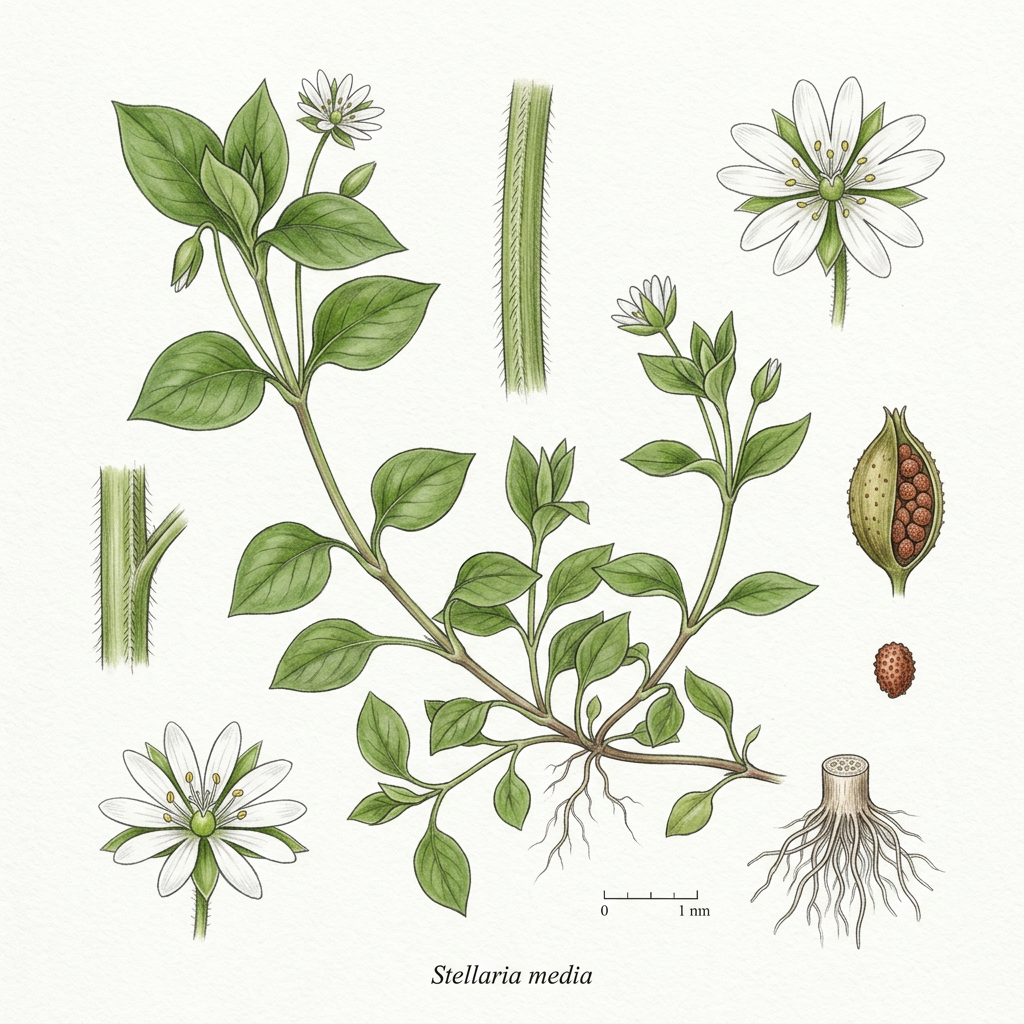
Chickweed

Chickweed

Stellaria media

Nutritive
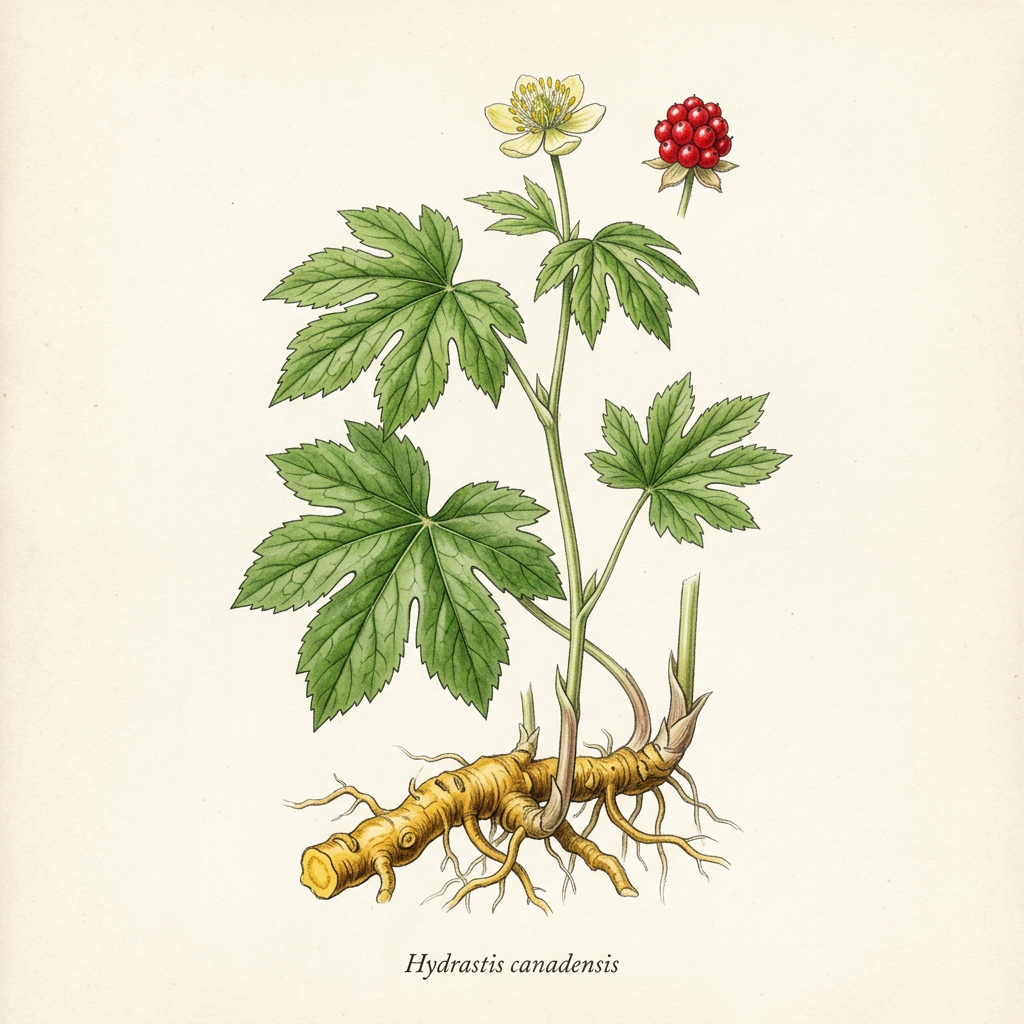
Goldenseal

Goldenseal

Hydrastis canadensis

Convalescence
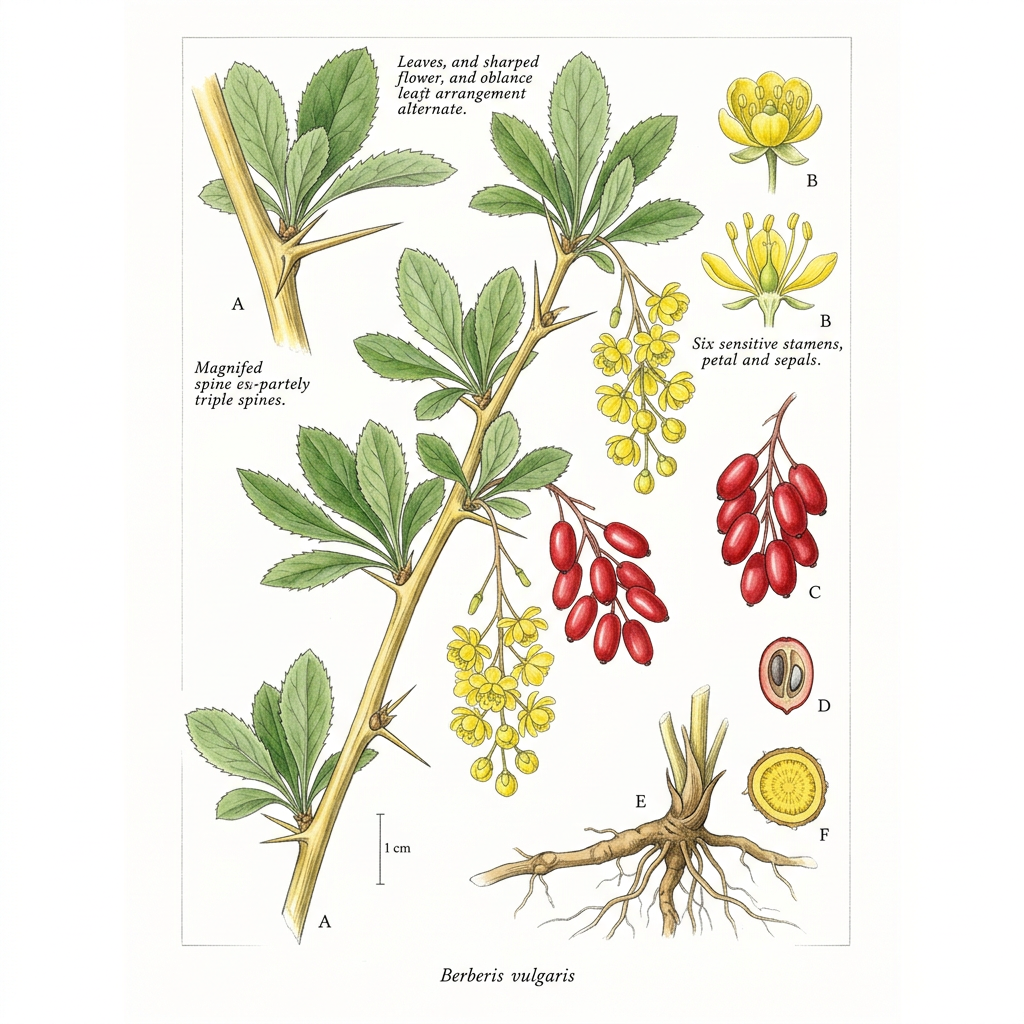
Barberry

Barberry

Berberis vulgaris

Digestive Aid
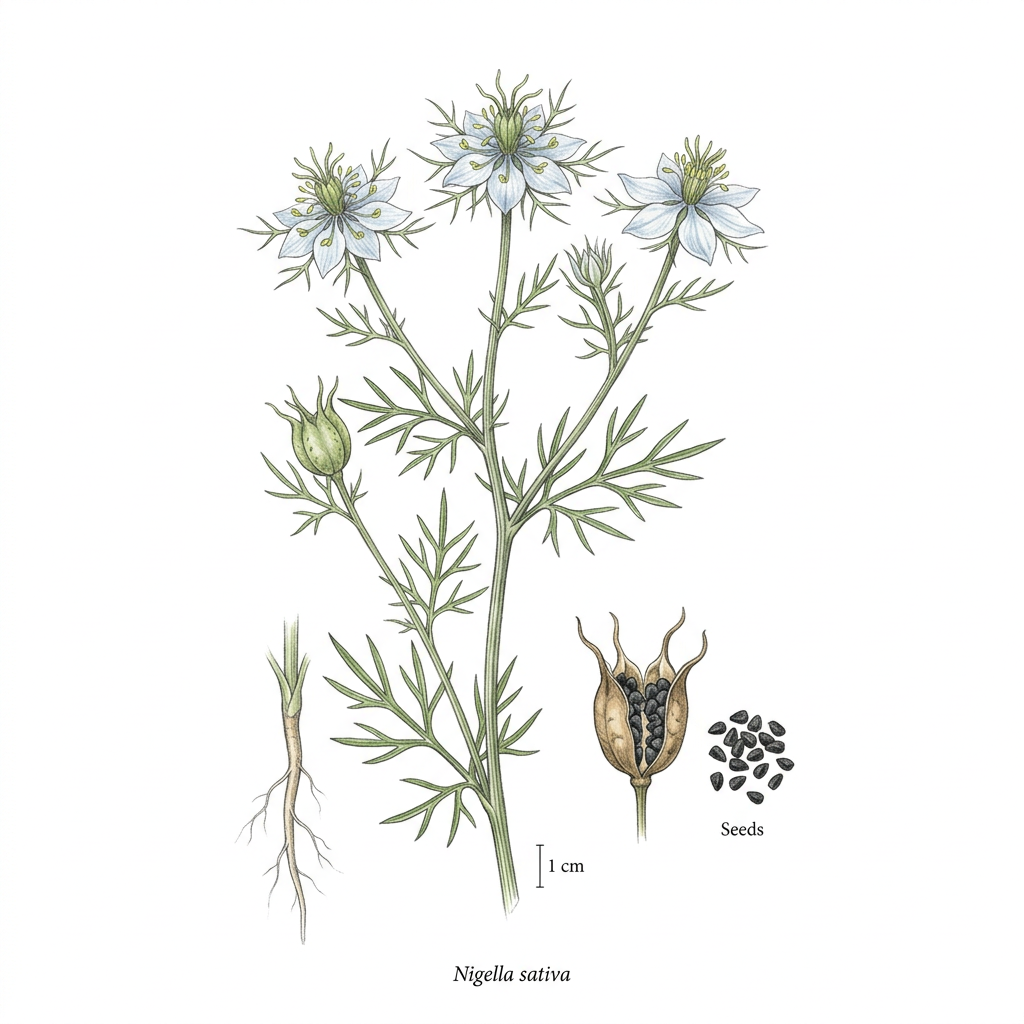
Black Cumin Seed

Black Cumin Seed

Nigella sativa

Antioxidant Support