The Wild Sage logo
The Wild Sage Logo

Herbal Medicine at your fingertips

Comprehensive database of herbal remedies with detailed safety information and traditional uses

New to herbal terms? Read the glossary →
ADHD
Abcess
Acid Reflux Relief
Acinetobacter
Acne
Acne Vulgaris
Addisons
Adenomyosis
Adenovirus
Adrenal fatigue
Aging
Aids
Alcaligenes faecalis
Alcoholism
Allergic Rhinitis
Allergies
Allergy
Alopoecia
Alopoecia nervosa
Alzheimer's, Dementia & Cognitive Decline
420 herbs found
Important: This information is for educational purposes only. Always consult with qualified healthcare professionals before using herbal remedies, especially if you have existing health conditions or take medications.
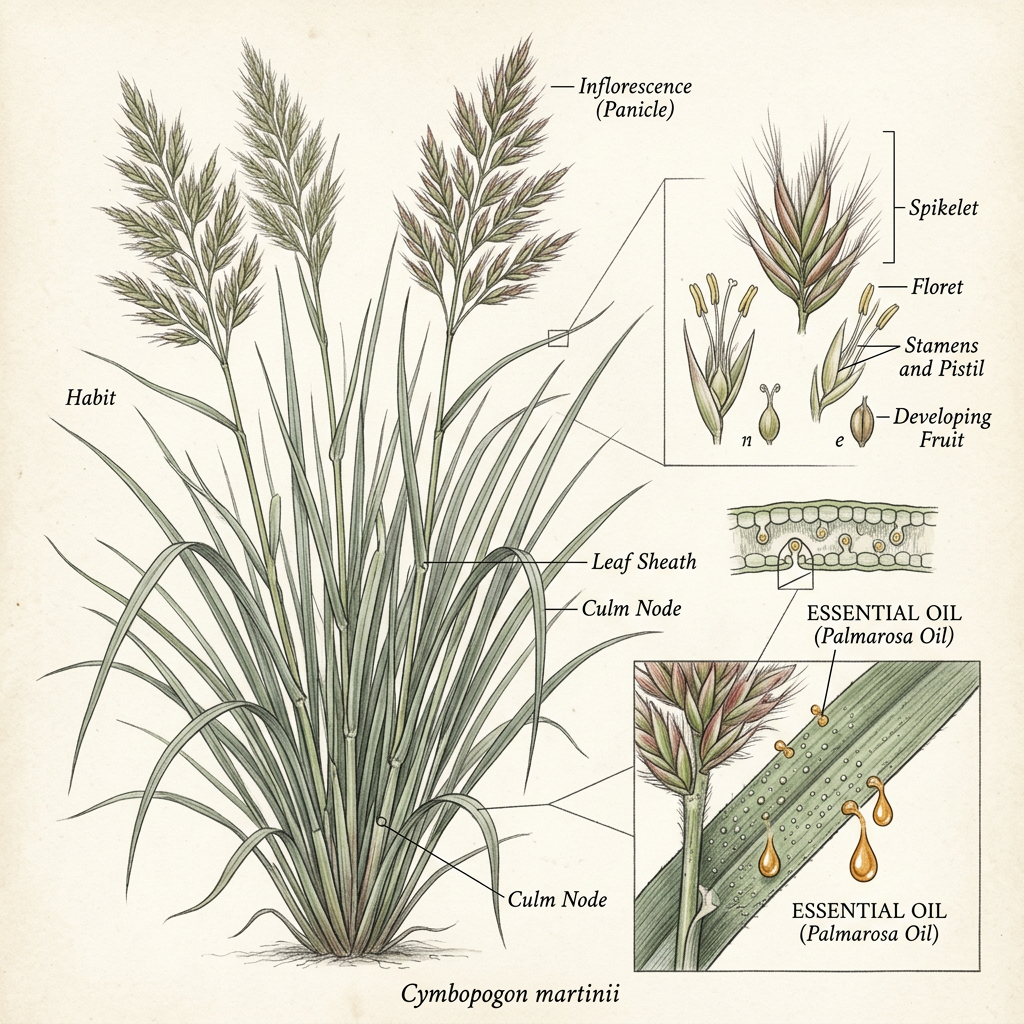
Palmarosa

Palmarosa

Cymbopogon martinii

moderate risk Risk
Poaceae
<p>Palmarosa (Cymbopogon martini) is a perennial grass belonging to the Poaceae family, commonly found in tropical regions of Asia, particularly in India and Indonesia. Recognized for its fragrant, grassy aroma reminiscent of rose, Palmarosa has been employed in traditional herbal medicine for centuries. It has a rich history of use among various cultures, particularly within Ayurvedic practices, where it is valued for its ability to balance emotions and enhance well-being. Traditionally, Palmarosa is utilized not only for its aromatic qualities in perfumery and food but also as a remedy for a variety of ailments, including digestive issues, fever, and skin disorders. The therapeutic properties of Palmarosa are diverse and noteworthy. Its anti-inflammatory, antiseptic, and antimicrobial actions make it an invaluable ally in promoting skin health and wound healing. This herbal agent has been researched for its ability to improve skin hydration, reduce scarring, and combat bacterial and fungal infections. Moreover, Palmarosa's calming effects extend beyond the physical; its essential oil is known to alleviate anxiety and stress, providing emotional support in times of emotional upheaval. The herb has also shown promise in regulating bodily functions, aiding in digestive health, and promoting overall immunity. At a physiological level, Palmarosa works primarily through its active compounds, including geraniol and citronellol, which exhibit significant bioactivity. These compounds interact with the body's cellular mechanisms, primarily aiding in the modulation of inflammatory pathways and enhancing the skin's natural repair processes. By improving microcirculation and nutrient absorption, Palmarosa nurtures skin vitality while its antiseptic properties help to protect against microbial invasions. Furthermore, the herb's aromatherapeutic benefits are well-documented; inhalation of its essential oil can stimulate the limbic system, thereby influencing mood and emotional balance. Collectively, Palmarosa offers a holistic approach to health, bridging the gap between traditional wisdom and modern herbal applications.</p>

Uses & Conditions

Skin hydration
Scarring reduction
Anxiety relief
Emotional balance
Digestive health
Immune support
Microcirculation improvement
Nutrient absorption
Holistic health
Acne
Skin health
Microbial infection
Wound healing
Fever

Actions

Anti-bacterial
Anti-fungal
Anti-inflammatory
NFkB inhibitor
TNF-a reduction

Synonyms

Cymbopogon martini
Cymbopogon martinii
Palma rosa

Parts Used

Essential oil

Native Countries

Asia

USDA Hardiness Zones

USDA 10-11

Contraindications

  • Avoid use in pregnancy and breastfeeding due to lack of safety data.
  • Do not apply undiluted essential oil directly to sensitive or broken skin.
  • Not suitable for use on children under the age of six.
  • Known hypersensitivity to geraniol or citronellol.

Potential Side Effects

  • Dermal irritation or contact dermatitis if applied in high concentrations.
  • Potential for allergic skin reactions in sensitive individuals.

Interactions

  • Use caution with prescription medicines due to lack of pharmacokinetic studies.
  • Potential for additive effects if used alongside sedative medications, though evidence is anecdotal.

Dosages, tincture ratios & research — members only

Unlock Garreth's dosing guidance, tincture ratios, the dosage calculator and the research studies for Palmarosa.

Your assessment and results stay saved — upgrading only unlocks more of them.

See membership plans

Community Photos

No community photos yet. Sign in to upload photos.

Reviews & Ratings

Sign in to leave a review.

No reviews yet. Be the first!

GF

Garreth Falls — B.Th., Dip. H.M., MNIMH

Content curated and reviewed by Garreth Falls, Consultant Medical Herbalist · The Wild Sage

Medical Disclaimer: This information is for educational purposes only and is not intended as medical advice. Always consult with qualified healthcare professionals before starting any herbal treatment.
Ayurvedic tradition

Sustainability & quality

Cultivated

Widely cultivated for essential oil production in India; prioritize fair-trade and organically certified sources.

Key constituents

Geraniol, Geranyl acetate, Linalool, Citronellol, Farnesol, Limonene, Myrcene

References

  1. Pole "Ayurvedic Medicine" 2006
  2. Herbal Reality. Herb monographs. herbalreality.com

Reviewed by Garreth, Medical Herbalist (MNIMH) · November 2026

Related conditions

Explore conditions where Palmarosa is traditionally used.

Related Herbs
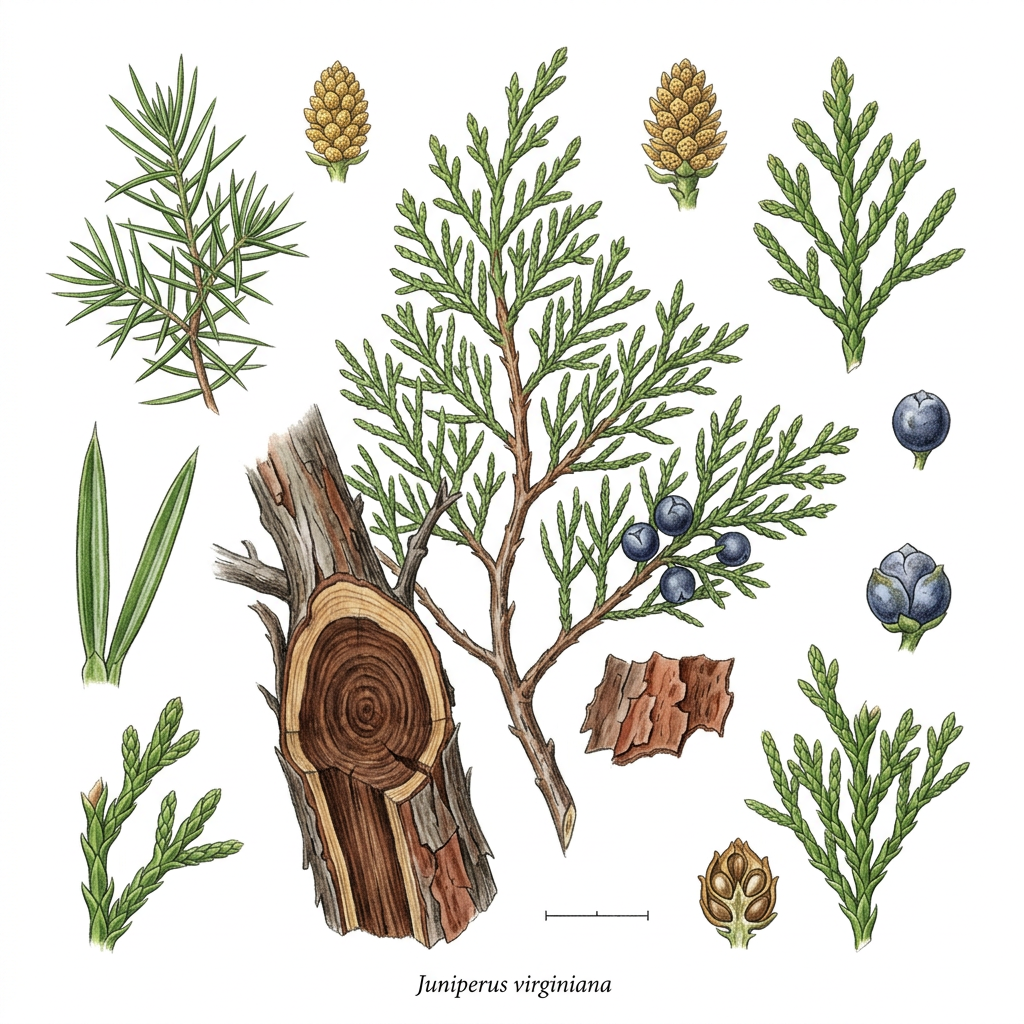
Cedarwood

Cedarwood

Cedrus spp.

Spiritual Protection
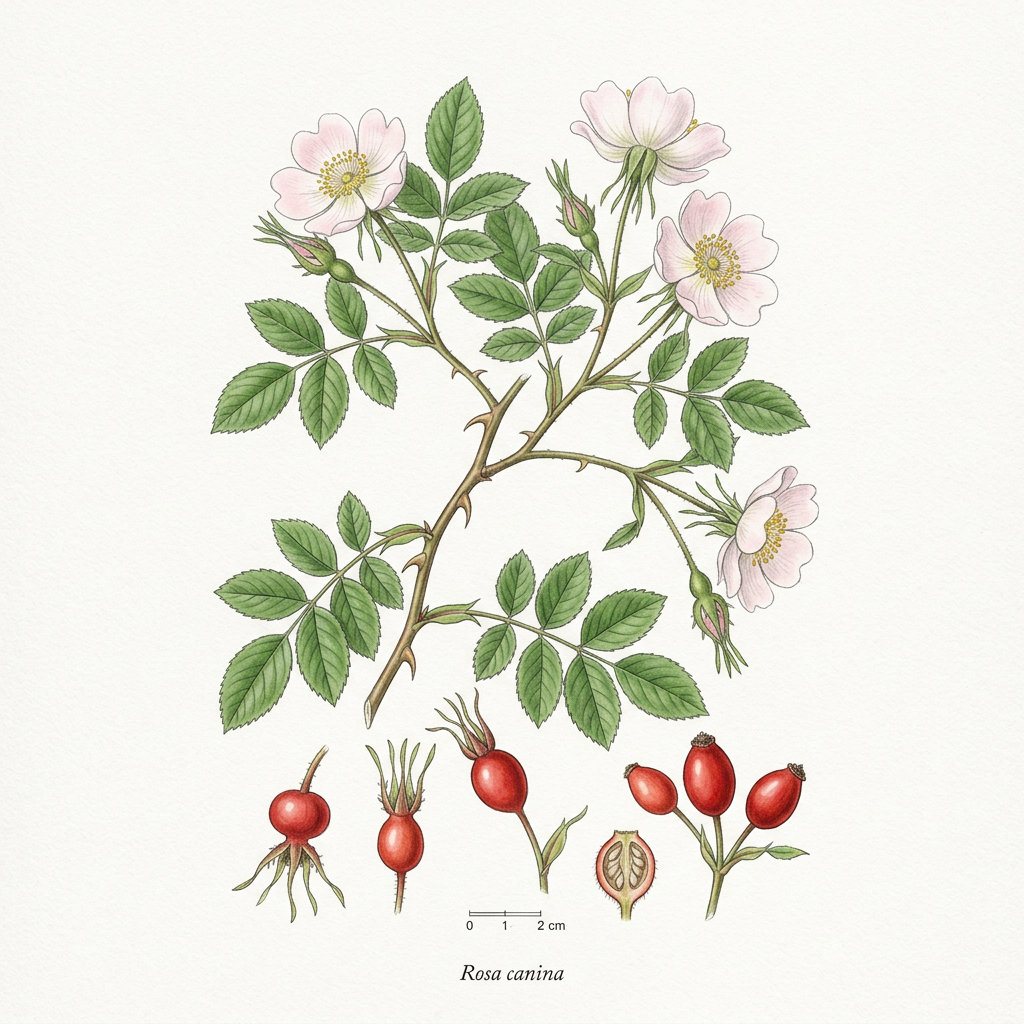
Dog rose

Dog rose

Rosa canina

Immune Support
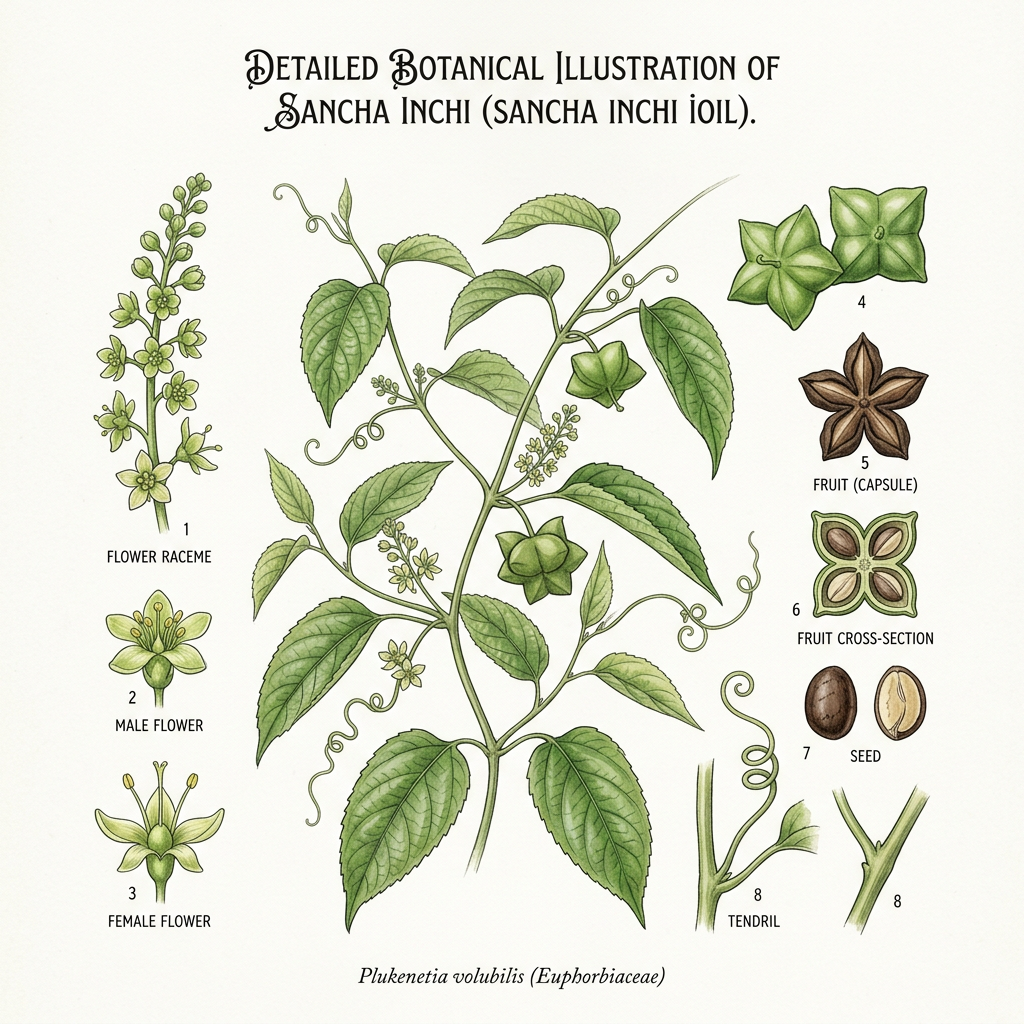
Sancha Inchi iOIl

Sancha Inchi iOIl

Sancha Inchi iOIl

Nutritional Supplementation
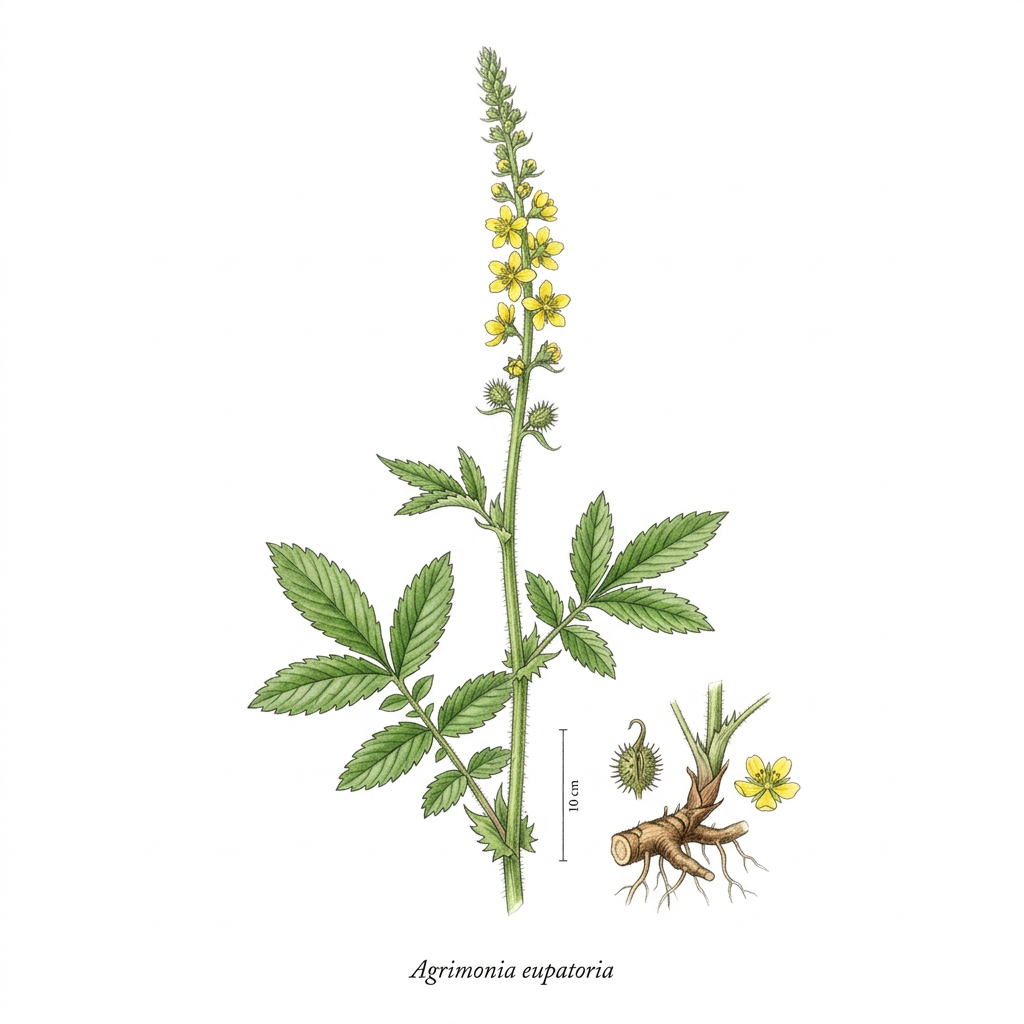
Agrimony

Agrimony

Agrimonia eupatoria

Digestive Aid