The Wild Sage logo
The Wild Sage Logo

Herbal Medicine at your fingertips

Comprehensive database of herbal remedies with detailed safety information and traditional uses

New to herbal terms? Read the glossary →
ADHD
Abcess
Acid Reflux Relief
Acinetobacter
Acne
Acne Vulgaris
Addisons
Adenomyosis
Adenovirus
Adrenal fatigue
Aging
Aids
Alcaligenes faecalis
Alcoholism
Allergic Rhinitis
Allergies
Allergy
Alopoecia
Alopoecia nervosa
Alzheimer's, Dementia & Cognitive Decline
420 herbs found
Important: This information is for educational purposes only. Always consult with qualified healthcare professionals before using herbal remedies, especially if you have existing health conditions or take medications.
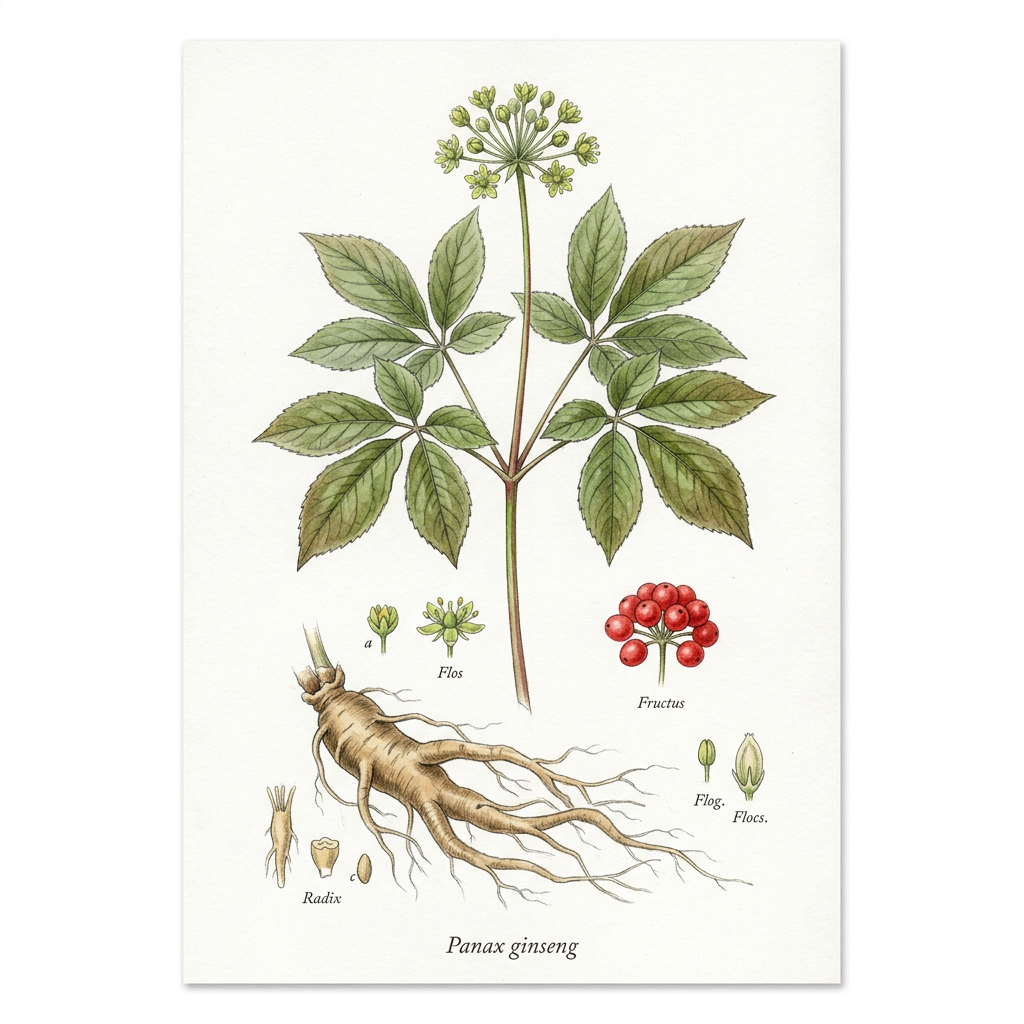
Panax ginseng

Panax ginseng

Panax ginseng

low risk Risk
Araliaceae
neutral.
<p>Panax ginseng is a slow-growing perennial herb belonging to the Araliaceae family, native to the cool, shaded forests of East Asia. It is distinguished by its fleshy, often human-shaped taproot, palmate leaves, and small red berries produced in maturity. The plant requires several years, often five to six, to develop the chemical constituents considered most potent for therapeutic application, typically harvested in the autumn. Historically, the root has been a cornerstone of Traditional Chinese Medicine for millennia, where it is esteemed as a primary Qi tonic. It was traditionally used for restoring vitality, supporting resilience during times of prolonged stress, and promoting longevity, often prescribed for those recovering from chronic debility or exhaustion. In modern herbal practice, research focuses on its ginsenoside content, which are believed to modulate the hypothalamic-pituitary-adrenal (HPA) axis. Clinical evidence suggests it acts as an adaptogen, assisting the body in maintaining homeostasis under psychological and physical pressure. Current studies also explore its role in supporting cognitive function and metabolic health. As a practitioner, I primarily use it for short-term periods to support individuals suffering from burnout or fatigue, carefully selecting the appropriate grade and processing method—such as white or red ginseng—to match the patient's constitution, whilst always monitoring for signs of overstimulation.</p>

Uses & Conditions

Energy Booster
Cognitive Support
Immune Support
Convalescence
Reproductive Performance
Diabetes Mellitus
Anxiety Disorders
Cognitive Impairment
Chronic Fatigue
Erectile Dysfunction
Male Infertility
Hypertension
Cardiac Failure
Angina
Arrhythmia
Asthma
COPD
Kidney Disease
Anaemia
Alcoholism
Drug Withdrawal
Cancer Support
Chemotherapy
AIDS
ADHD
Alzheimer's
Oedema
Hot Flushes
Bleeding
Cholesterol

Actions

Adaptogen
Corticosteroidogenic
Gonadotrophic
Cardiotonic
Hypoglycaemic
Hypothalamic Tonic
Pituitary Stimulant
Central Nervous System Activator
Thymoletic
Tonic
Restorative
Anti-tumour
Immune Stimulant
Stomachic
Radioprotective
Anti-viral
Metabolic Stimulant
Cytokine Modulation
NFkB Inhibitor
Hepatoprotective
Anxiolytic

Parts Used

Dried taproot

Native Countries

China
Korea
Japan
Russia

USDA Hardiness Zones

3
4
5
6
7

Contraindications

  • Hypertension
  • Acute infections
  • Overstimulation
  • Pregnancy
  • Use with other stimulants

Potential Side Effects

  • Insomnia and restlessness
  • Gastrointestinal upset including diarrhoea or nausea
  • Headaches
  • Blood pressure fluctuations
  • Ginseng abuse syndrome characterized by mastalgia and vaginal bleeding

Interactions

  • Anticoagulants such as warfarin: may reduce efficacy of blood-thinning medication
  • Antidiabetic medications: risk of additive hypoglycaemic effects
  • MAO inhibitors: risk of overstimulation or hypertensive crisis
  • Immunosuppressants: may counteract therapeutic effect
  • CNS stimulants including caffeine: may lead to excessive nervousness or insomnia
  • Digoxin: avoid concurrent use
  • Haloperidol: avoid concurrent use
  • Phenelzine: avoid concurrent use
  • Morphine: may block pharmacological actions

Dosages, tincture ratios & research — members only

Unlock Garreth's dosing guidance, tincture ratios, the dosage calculator and the research studies for Panax ginseng.

Your assessment and results stay saved — upgrading only unlocks more of them.

See membership plans

Community Photos

No community photos yet. Sign in to upload photos.

Reviews & Ratings

Sign in to leave a review.

No reviews yet. Be the first!

GF

Garreth Falls — B.Th., Dip. H.M., MNIMH

Content curated and reviewed by Garreth Falls, Consultant Medical Herbalist · The Wild Sage

Medical Disclaimer: This information is for educational purposes only and is not intended as medical advice. Always consult with qualified healthcare professionals before starting any herbal treatment.
Chinese tradition

Sustainability & quality

At risk

Wild Ginseng is critically endangered; always purchase certified cultivated roots. Be wary of adulteration with other Panax species.

Key constituents

American Ginseng, Polysaccharides, Saponins, Volatile Oils, polyacetylenes, Alkaloids, Essential oils, Fatty acids, steroids, amino acids, peptides, nucleotides, Vitamins, Choline, Starch, Pectin, Cellulose

References

  1. Bone & Mills "Principles and Practice of Phytotherapy" 2nd ed. 2013
  2. Bensky "Chinese Herbal Medicine: Materia Medica" 3rd ed. 2004
  3. Herbal Reality. Herb monographs. herbalreality.com

Reviewed by Garreth, Medical Herbalist (MNIMH) · November 2026

Related conditions

Explore conditions where Panax ginseng is traditionally used.

Related Herbs
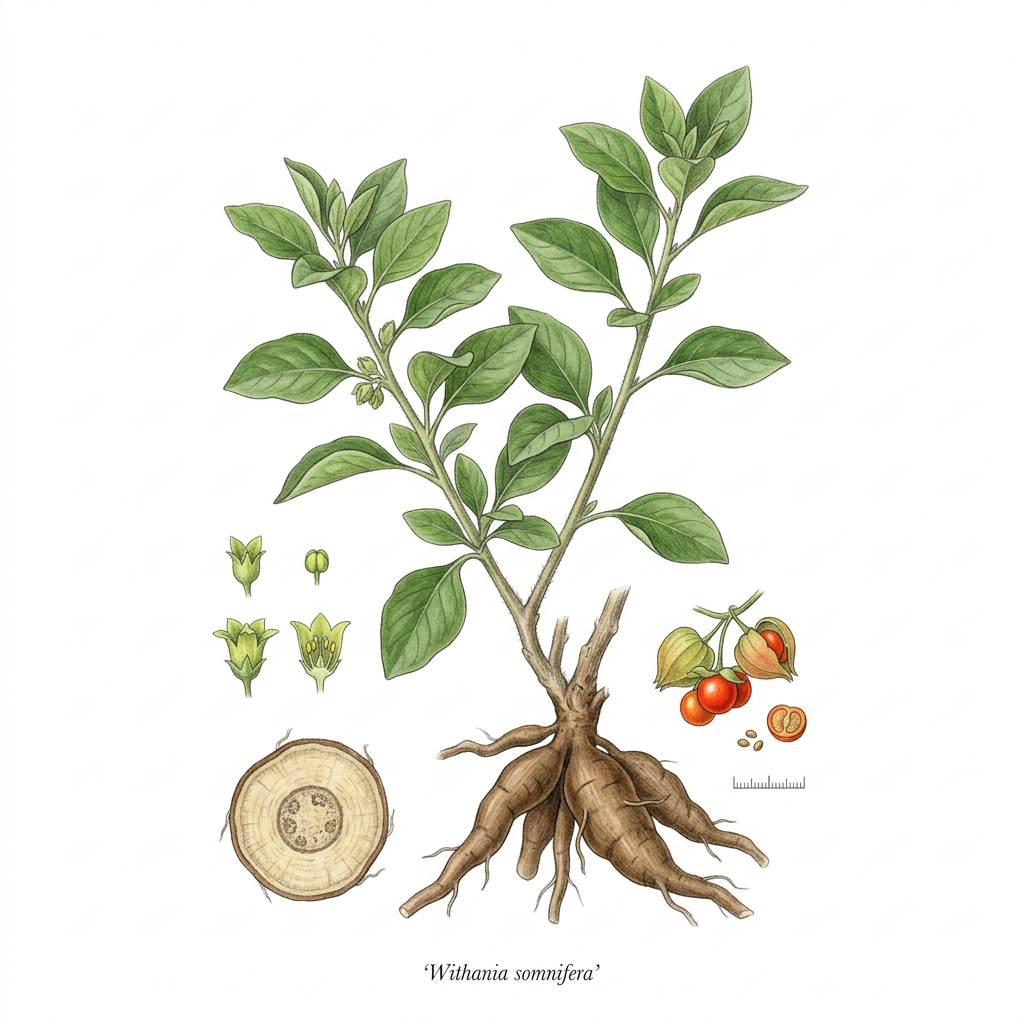
Ashwagandha

Ashwagandha

Withania somnifera

Immune Support
Ginseng

Ginseng

Panax ginseng

Energy Booster
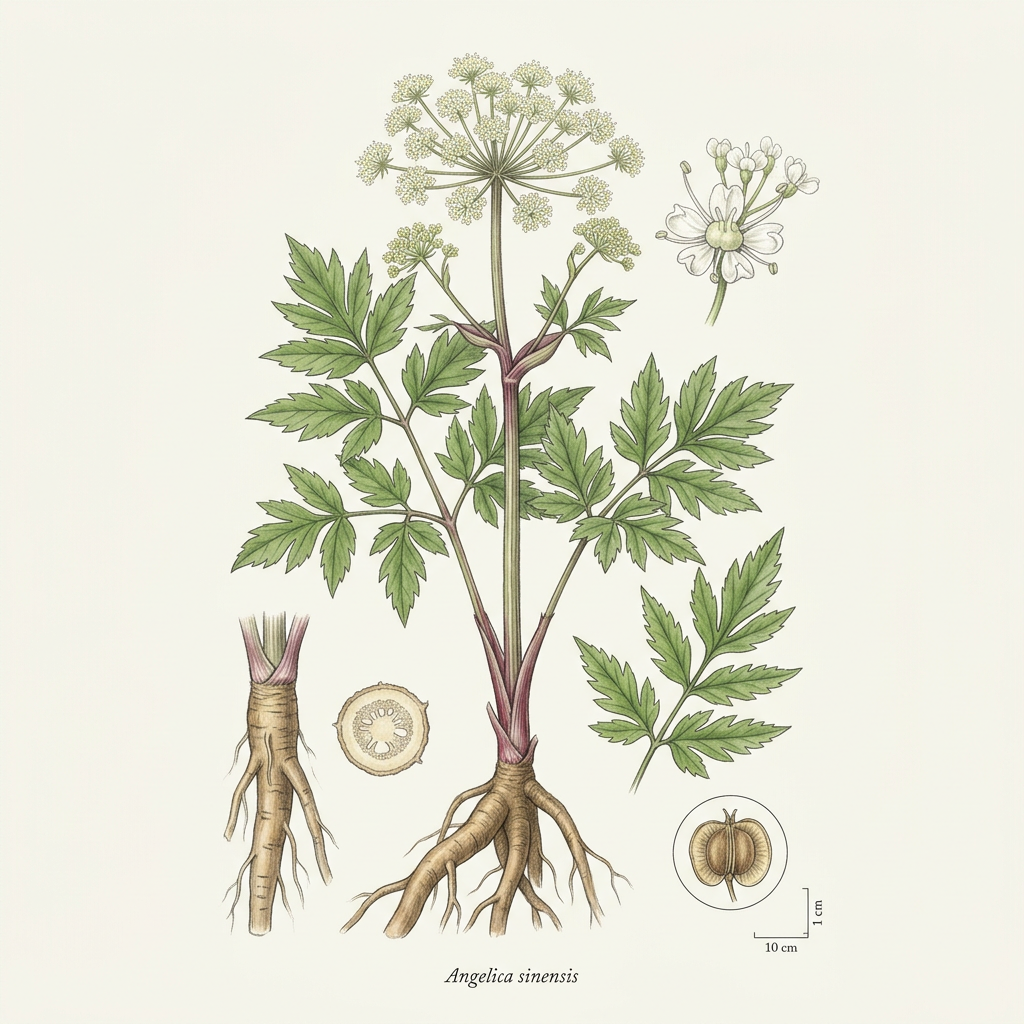
Chinese angelica

Chinese angelica

Angelica sinensis

Blood Tonic
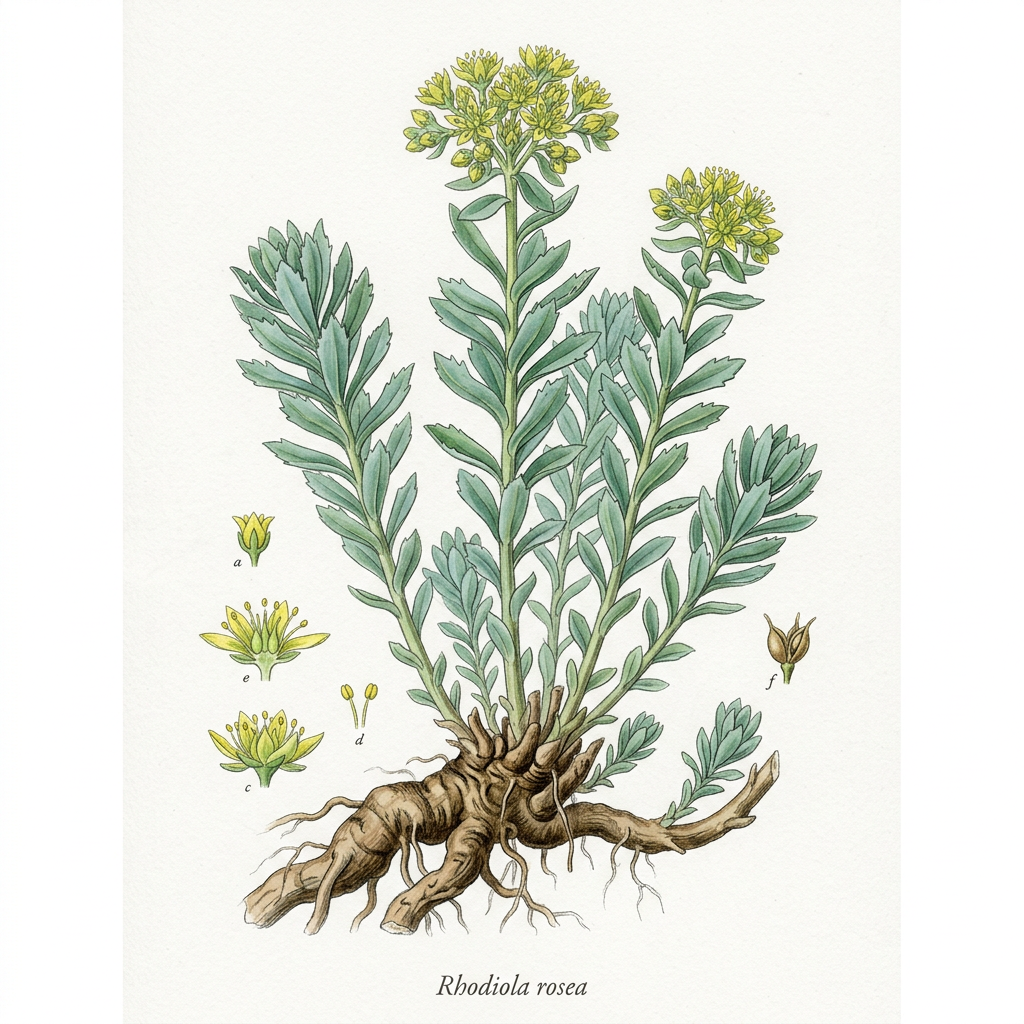
Rhodiola

Rhodiola

Rhodiola rosea

Adaptogen