The Wild Sage logo
The Wild Sage Logo

Herbal Medicine at your fingertips

Comprehensive database of herbal remedies with detailed safety information and traditional uses

New to herbal terms? Read the glossary →
ADHD
Abcess
Acid Reflux Relief
Acinetobacter
Acne
Acne Vulgaris
Addisons
Adenomyosis
Adenovirus
Adrenal fatigue
Aging
Aids
Alcaligenes faecalis
Alcoholism
Allergic Rhinitis
Allergies
Allergy
Alopoecia
Alopoecia nervosa
Alzheimer's, Dementia & Cognitive Decline
420 herbs found
Important: This information is for educational purposes only. Always consult with qualified healthcare professionals before using herbal remedies, especially if you have existing health conditions or take medications.
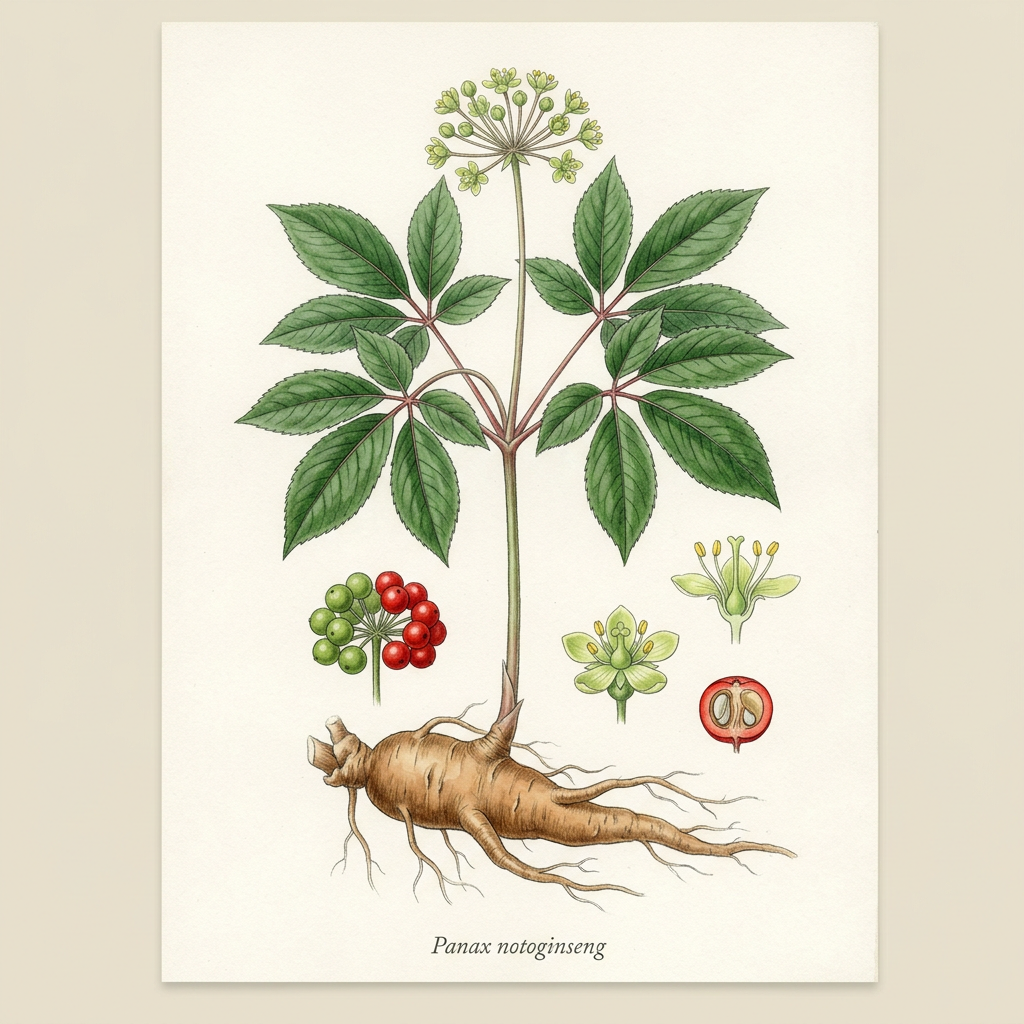
Panax notoginseng

Panax notoginseng

Panax notoginseng

low risk Risk
Araliaceae
<p>Panax notoginseng, known colloquially as San Qi, is a perennial herb native to the high-altitude regions of southern China. Belonging to the Araliaceae family, it is closely related to Asian and American ginseng but possesses distinct phytochemical properties. The plant is characterised by its palmately compound leaves and clusters of small, yellowish-green flowers, yielding small red berries upon maturity. Its medicinal value is primarily concentrated in the fleshy, knobbly taproot, which is harvested after three to seven years of growth.</p><p>Traditionally used for centuries in East Asian medicine, this herb is held in high esteem for its unique dual action on the blood. Historically, it has been valued for its ability to stop bleeding while simultaneously invigorating circulation to reduce stagnation. It was a staple in trauma medicine to assist in the management of bruising, swelling, and internal bleeding. Beyond its application in injury recovery, it has been traditionally used for its tonic properties to support cardiovascular health and boost resilience against physical stress.</p><p>Modern research into Panax notoginseng focuses heavily on its complex profile of saponins, specifically notoginsenosides, which appear to demonstrate significant cardioprotective and anti-inflammatory properties in laboratory settings. These compounds are studied for their potential to influence platelet aggregation and lipid profiles, though human clinical trials are ongoing to validate these traditional findings. In contemporary practice, it remains a highly regarded herb for those seeking support for circulation and vascular integrity.</p><p>In clinical practice, it is often prescribed as a targeted remedy for patients recovering from physical trauma or those requiring specific vascular support. Because it is considered a potent herb, practitioners often limit its use to short-term therapeutic windows rather than long-term supplementation. Great care is taken when integrating this herb with existing cardiovascular medications, and its use is always tailored to the individual's specific constitutional pattern.</p>

Uses & Conditions

Haemostasis
Cardiovascular Support
Open-heart surgery
Stress
Low immunity

Actions

Haemostatic
Anti-inflammatory
Anticoagulant
Adaptogen
Vasodilator

Parts Used

Dried root
Root powder

Native Countries

China
Vietnam
Laos
Myanmar

USDA Hardiness Zones

7
8
9

Contraindications

  • Pregnancy: avoid due to potent effects on blood circulation.
  • Breastfeeding: insufficient evidence regarding safety suggests avoiding use.
  • Haemorrhagic conditions: contraindicated during active uncontrolled bleeding where clotting is required.
  • Pre-surgery: cease use at least two weeks prior to elective surgery due to impact on blood clotting times.
  • Yin deficiency with heat: may exacerbate internal heat signs.

Potential Side Effects

  • Mild gastrointestinal upset including nausea or diarrhoea.
  • Occasional dry mouth or thirst.
  • Minor allergic skin reactions in sensitive individuals.

Interactions

  • Anticoagulants and antiplatelet drugs: may increase risk of bruising or bleeding.
  • Antihypertensive medication: theoretical risk of excessive drops in blood pressure.
  • CNS depressants: may modulate effects of sedatives or stimulants.
  • Cytochrome P450 substrates: potential for interaction due to saponin content influencing metabolic pathways.

Dosages, tincture ratios & research — members only

Unlock Garreth's dosing guidance, tincture ratios, the dosage calculator and the research studies for Panax notoginseng.

Your assessment and results stay saved — upgrading only unlocks more of them.

See membership plans

Community Photos

No community photos yet. Sign in to upload photos.

Reviews & Ratings

Sign in to leave a review.

No reviews yet. Be the first!

GF

Garreth Falls — B.Th., Dip. H.M., MNIMH

Content curated and reviewed by Garreth Falls, Consultant Medical Herbalist · The Wild Sage

Medical Disclaimer: This information is for educational purposes only and is not intended as medical advice. Always consult with qualified healthcare professionals before starting any herbal treatment.
Chinese tradition

Sustainability & quality

At risk

Heavy demand has led to overharvesting; prefer certified cultivated sources to protect wild populations.

Key constituents

Ginsenosides, Notoginsenoside, Saponins, Flavonoids, Polysaccharides, Essential oils

References

  1. Bensky "Chinese Herbal Medicine: Materia Medica" 3rd ed. 2004
  2. Herbal Reality. Herb monographs. herbalreality.com

Reviewed by Garreth, Medical Herbalist (MNIMH) · November 2026

Related conditions

Explore conditions where Panax notoginseng is traditionally used.

Related Herbs
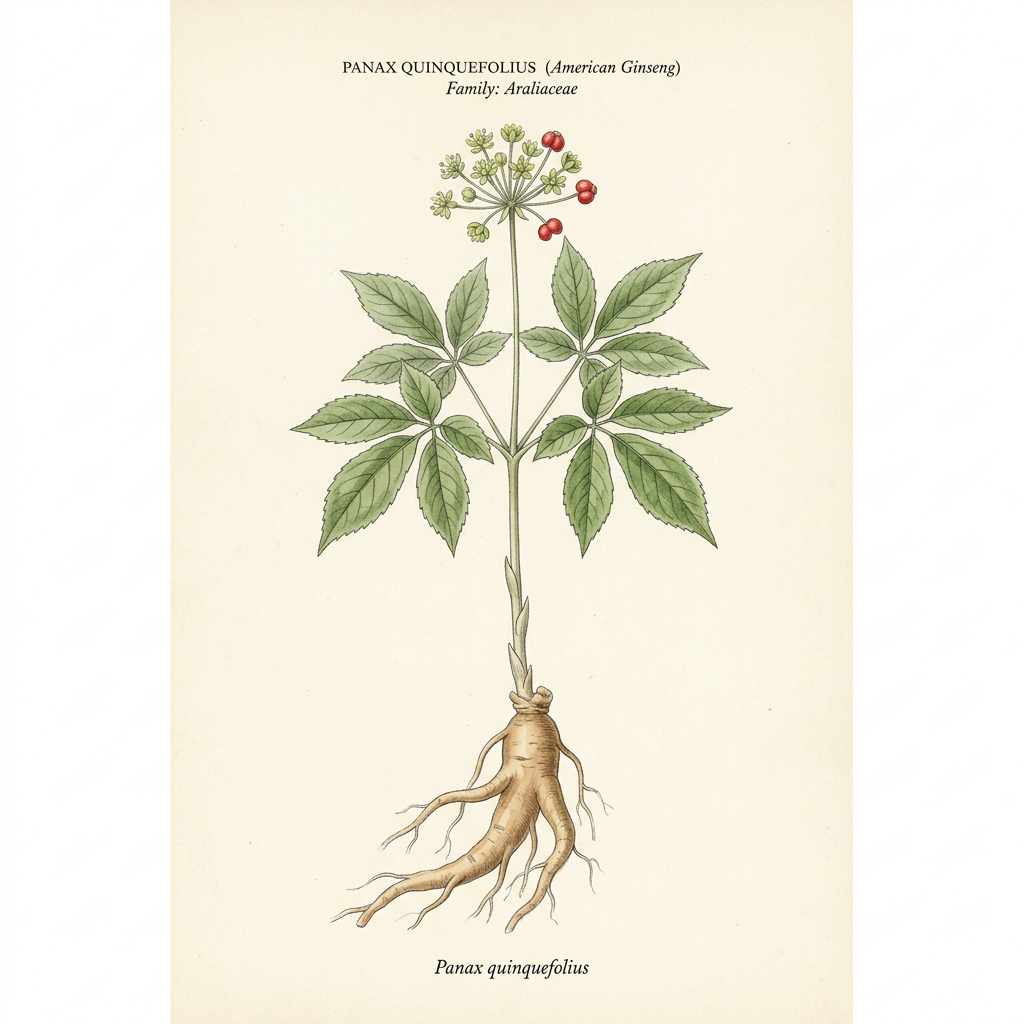
Panax quinquefolius

Panax quinquefolius
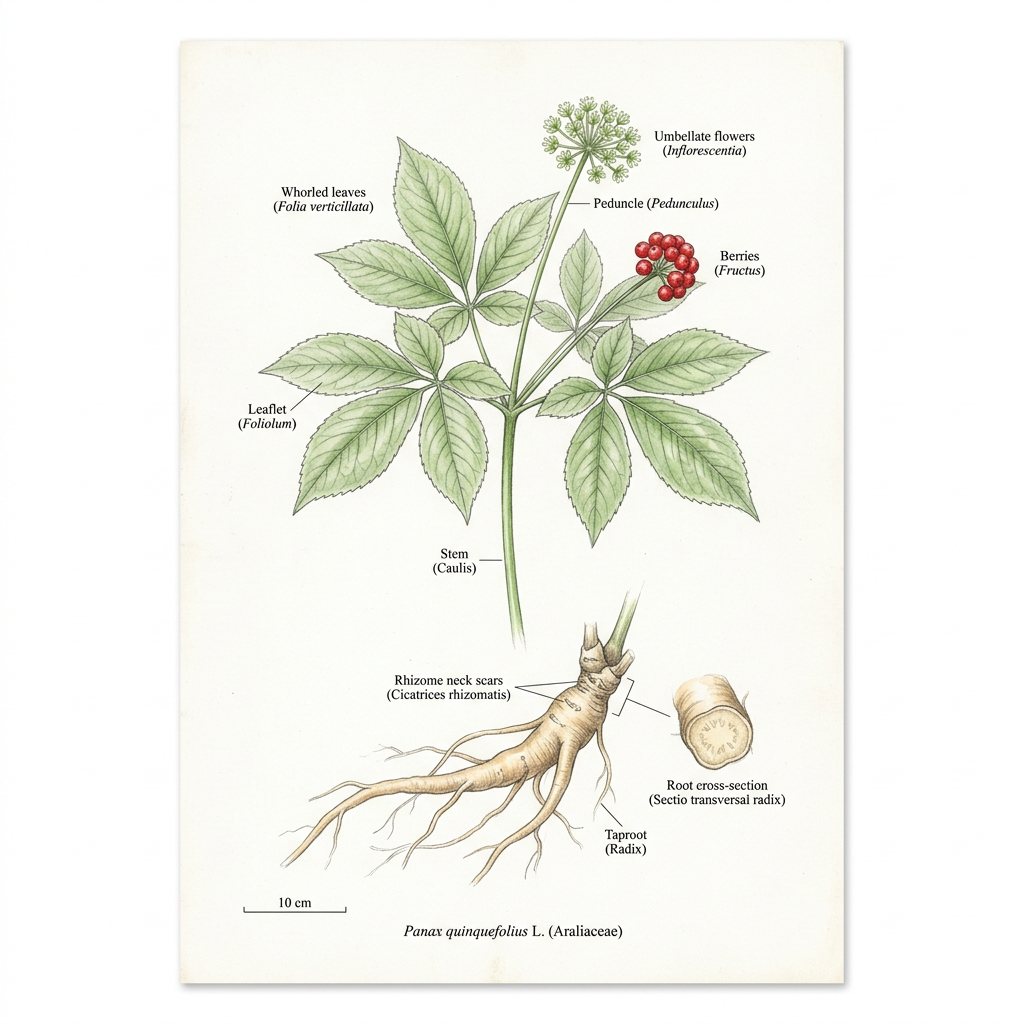
Panax quinquefolius

Adaptogen
American ginseng

American ginseng

Panax quinquefolius

Convalescence
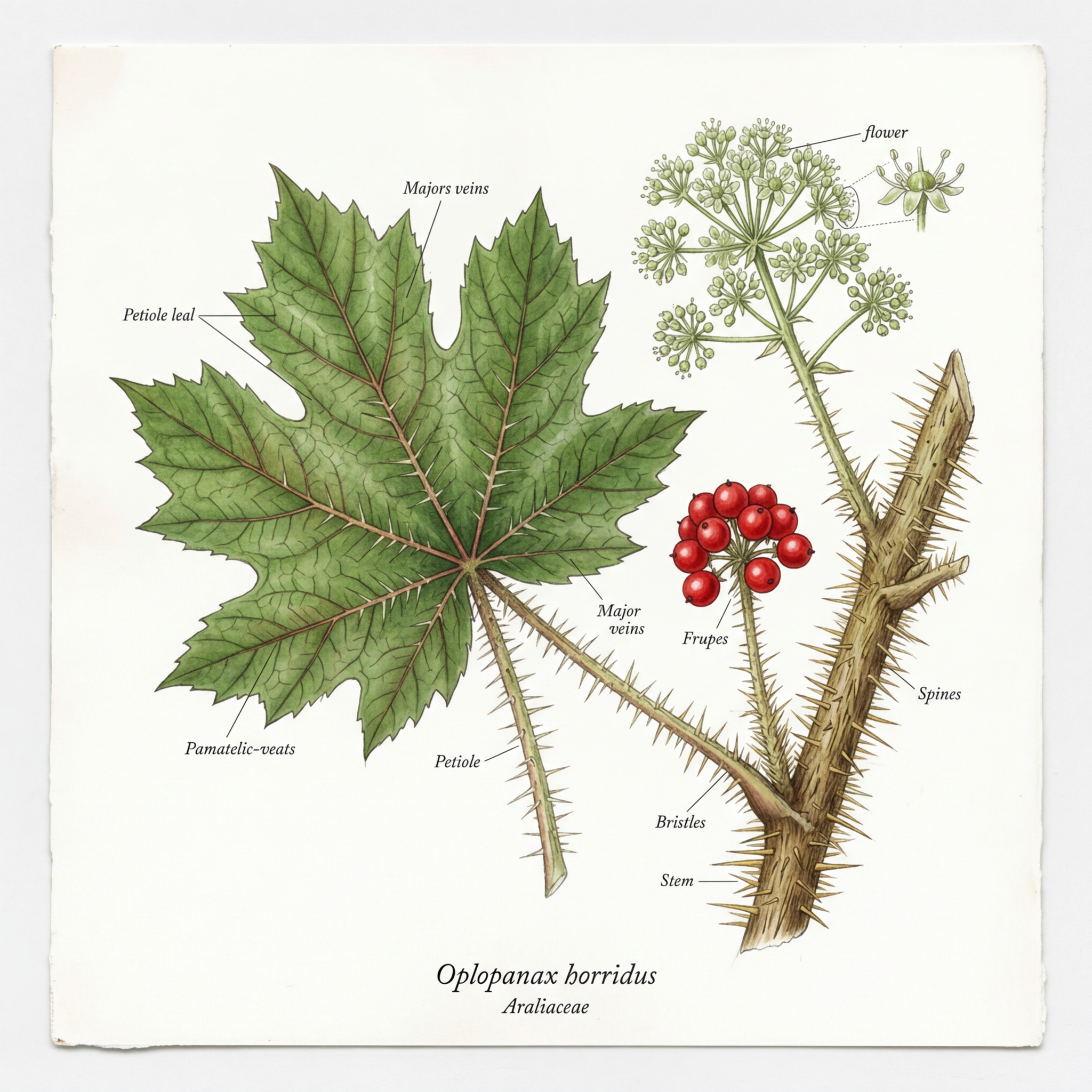
Devil's Club

Devil's Club

Oplopanax horridus

Immune modulation
Ginseng

Ginseng

Panax ginseng

Energy Booster