The Wild Sage logo
The Wild Sage Logo

Herbal Medicine at your fingertips

Comprehensive database of herbal remedies with detailed safety information and traditional uses

New to herbal terms? Read the glossary →
ADHD
Abcess
Acid Reflux Relief
Acinetobacter
Acne
Acne Vulgaris
Addisons
Adenomyosis
Adenovirus
Adrenal fatigue
Aging
Aids
Alcaligenes faecalis
Alcoholism
Allergic Rhinitis
Allergies
Allergy
Alopoecia
Alopoecia nervosa
Alzheimer's, Dementia & Cognitive Decline
420 herbs found
Important: This information is for educational purposes only. Always consult with qualified healthcare professionals before using herbal remedies, especially if you have existing health conditions or take medications.
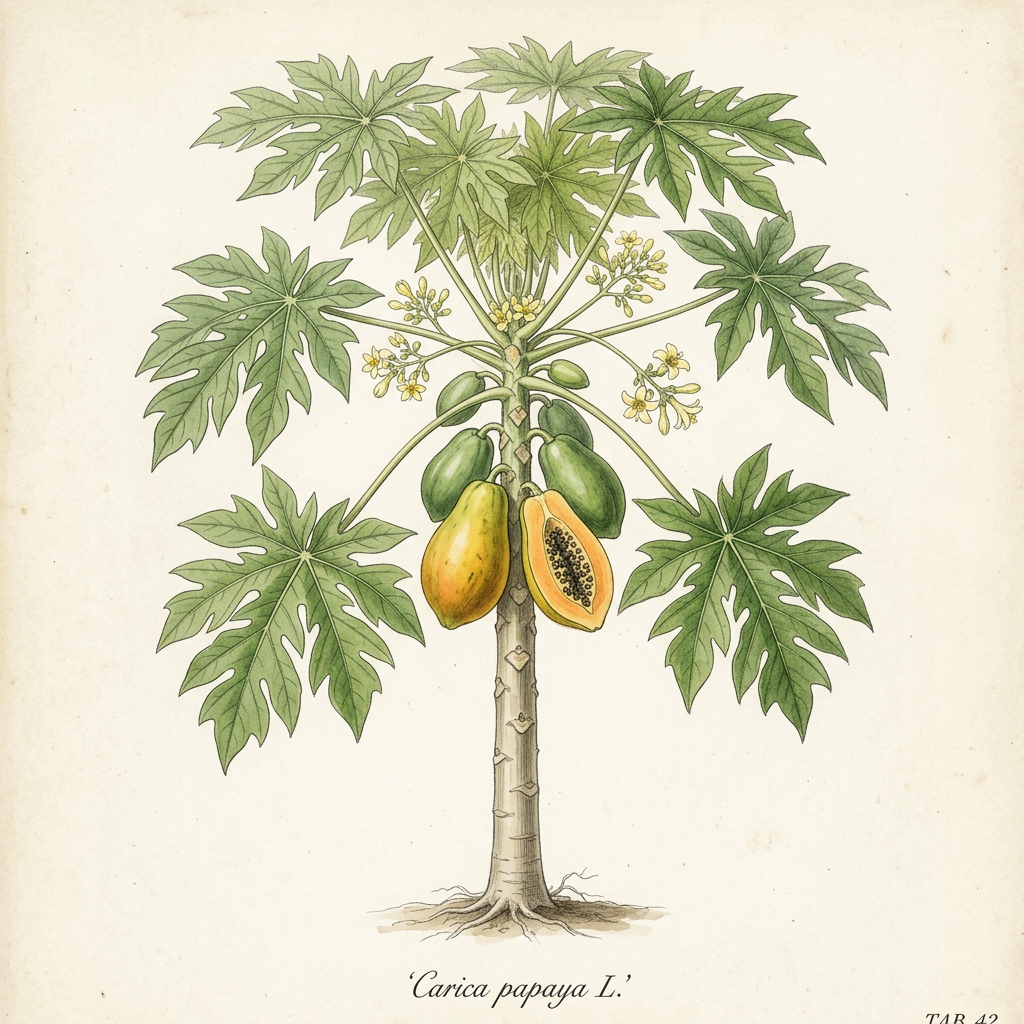
Papaya

Papaya

Carica papaya

low risk Risk
Caricaceae
<p>Papaya, a tropical fruit native to southern Mexico and northern Central America, is not only cherished for its sweet, succulent flesh but also revered in traditional medicine across various cultures. Indigenous peoples have long utilized papaya for its medicinal properties, employing the leaves, seeds, and unripe fruit to treat an array of ailments. In Ayurvedic practices, for instance, papaya has been classified as a valuable herb, believed to aid in digestion and improve overall vitality. Its historical significance is further underscored by its introduction to other regions, where it became integral to the culinary and medicinal practices in Asia, Africa, and beyond. The therapeutic potential of papaya is extensive, supported by a growing body of scientific research. Its principal constituents, including the enzyme papain, contribute to its reputation as an effective digestive aid, helping to break down proteins and alleviate symptoms of digestive discomfort. Additionally, papaya exhibits anti-inflammatory, antibacterial, and antifungal properties, making it a versatile ally in combating infections and promoting overall health. Notably, studies suggest that papaya may possess anti-cancer properties, possibly linked to its ability to inhibit certain tumor growth factors through pathways involving COX-2 and TNF-alpha. Furthermore, papaya’s appetite-stimulating effects can aid those recovering from illness or experiencing loss of appetite, adding to its multifaceted role in traditional healing practices. The bioactive compounds in papaya interact synergistically within the body, enhancing its therapeutic effects. For instance, the enzyme papain promotes digestion and supports gut health by preventing constipation and reducing intestinal inflammation. The presence of antioxidants, including vitamins C and E, helps combat oxidative stress, contributing to the fruit's reputation as a beneficial agent in cancer prevention. Additionally, papaya's astringent properties can assist in reducing diarrhea, while its mild aphrodisiac effects may enhance libido and overall sexual health. Collectively, these properties render papaya not just a delicious dietary addition but also a powerful herbal remedy with deep roots in cultural traditions and modern therapeutic applications.</p>

Uses & Conditions

Digestive Aid
Nutritional Support
Recovery Support
Gastrointestinal Tract Disorders
Menstrual Support
Parasites
Dysentery

Actions

Anti-diarrhoeal
Abortifacient
Aphrodisiac
Appetite Stimulant
Astringent
Anti-cancer
Digestive
COX-2 Inhibitor
TNF-alpha Reduction
Anti-bacterial
Anti-fungal

Parts Used

Leaf
Fruit (specifically the unripe pulp)
Seeds
Latex (from the green skin)

Native Countries

Mexico
Central America
Northern South America
Caribbean

USDA Hardiness Zones

9
10
11

Contraindications

  • Pregnancy: high concentrations of unripe papaya latex contain enzymes that may stimulate uterine contractions
  • Known allergy to papain or latex: may cause severe hypersensitivity reactions
  • Pre-surgery: cease use at least two weeks prior to scheduled surgery
  • Severe gastrointestinal ulceration: the proteolytic activity of the fruit enzymes may exacerbate irritated mucosal linings

Potential Side Effects

  • Gastrointestinal distress such as mild diarrhoea or abdominal bloating with excessive intake
  • Contact dermatitis when handling fresh latex from the green fruit or leaves
  • Potential allergic reactions including skin rash
  • itching
  • or respiratory wheezing

Interactions

  • Anticoagulants and antiplatelet drugs: may increase the risk of bleeding
  • Diabetes medications: may enhance hypoglycaemic effects
  • Thyroid medication: may affect thyroid hormone balance

Dosages, tincture ratios & research — members only

Unlock Garreth's dosing guidance, tincture ratios, the dosage calculator and the research studies for Papaya.

Your assessment and results stay saved — upgrading only unlocks more of them.

See membership plans

Community Photos

No community photos yet. Sign in to upload photos.

Reviews & Ratings

Sign in to leave a review.

No reviews yet. Be the first!

GF

Garreth Falls — B.Th., Dip. H.M., MNIMH

Content curated and reviewed by Garreth Falls, Consultant Medical Herbalist · The Wild Sage

Medical Disclaimer: This information is for educational purposes only and is not intended as medical advice. Always consult with qualified healthcare professionals before starting any herbal treatment.
Western tradition
Ayurvedic tradition

Sustainability & quality

Abundant

Widespread commercial cultivation; verify organic status to avoid fungicide residue.

Key constituents

Papain, Chymopapain, Glycosides, Flavonoids, Carotenoids, Vitamins (C, E), Minerals (Calcium, Magnesium, Potassium), Fiber, Antioxidants

References

  1. Pole "Ayurvedic Medicine" 2006
  2. Herbal Reality. Herb monographs. herbalreality.com

Reviewed by Garreth, Medical Herbalist (MNIMH) · November 2026

Related conditions

Explore conditions where Papaya is traditionally used.

Related Herbs
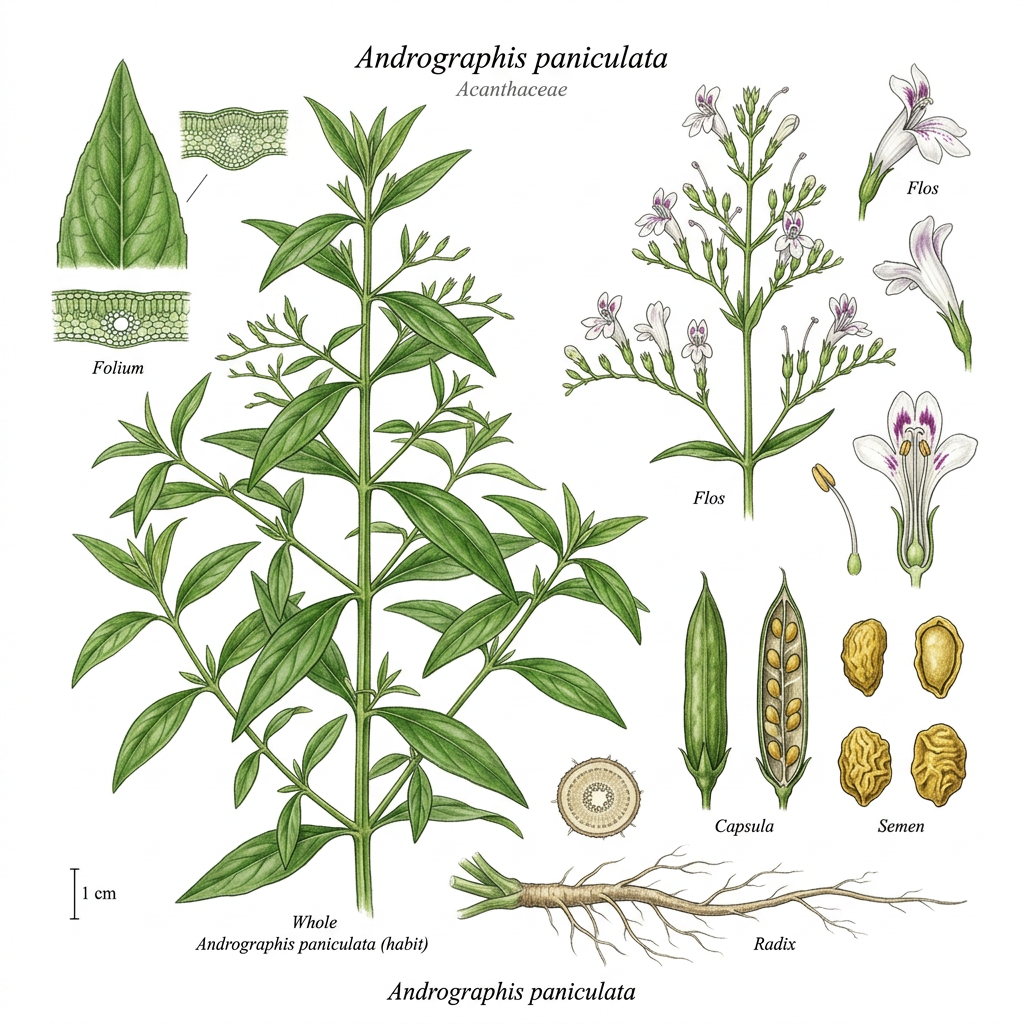
Andrographis

Andrographis

Andrographis paniculata
Immune Support
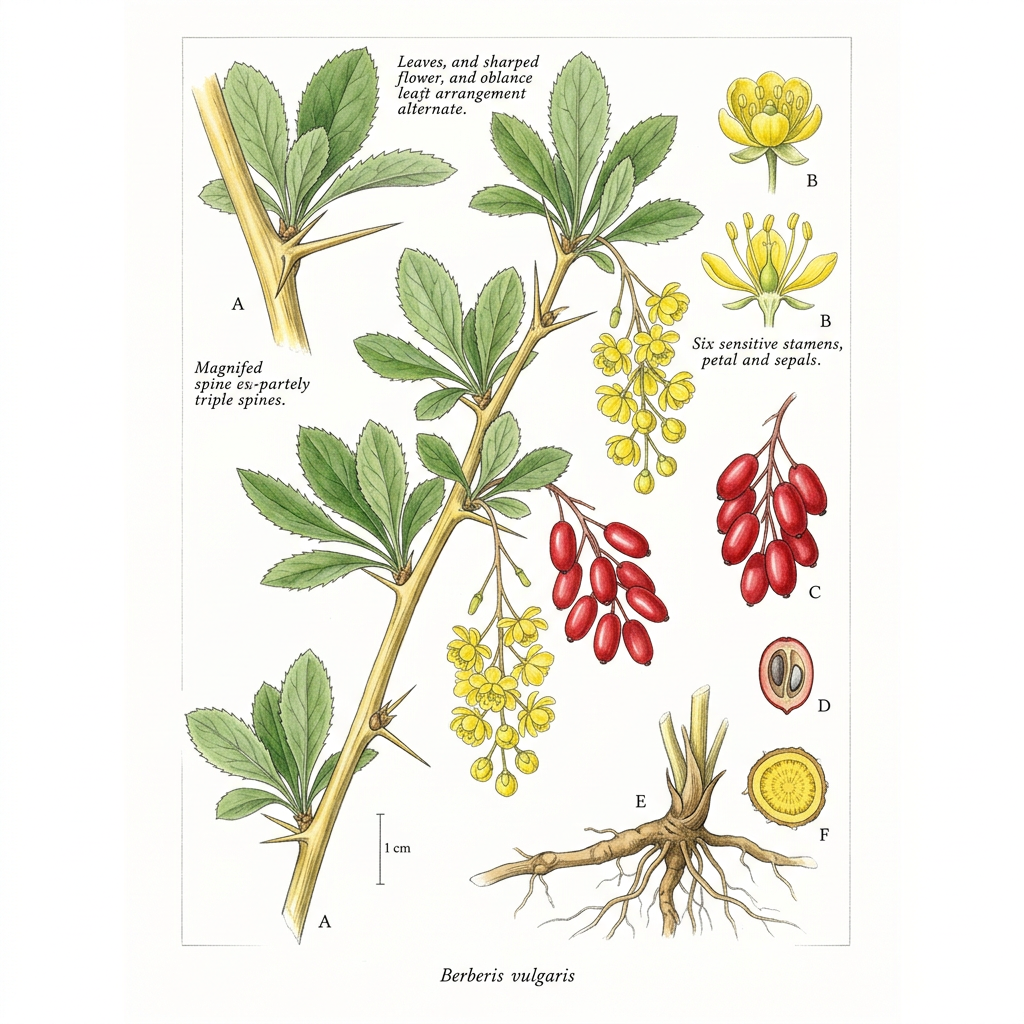
Barberry

Barberry

Berberis vulgaris

Digestive Aid
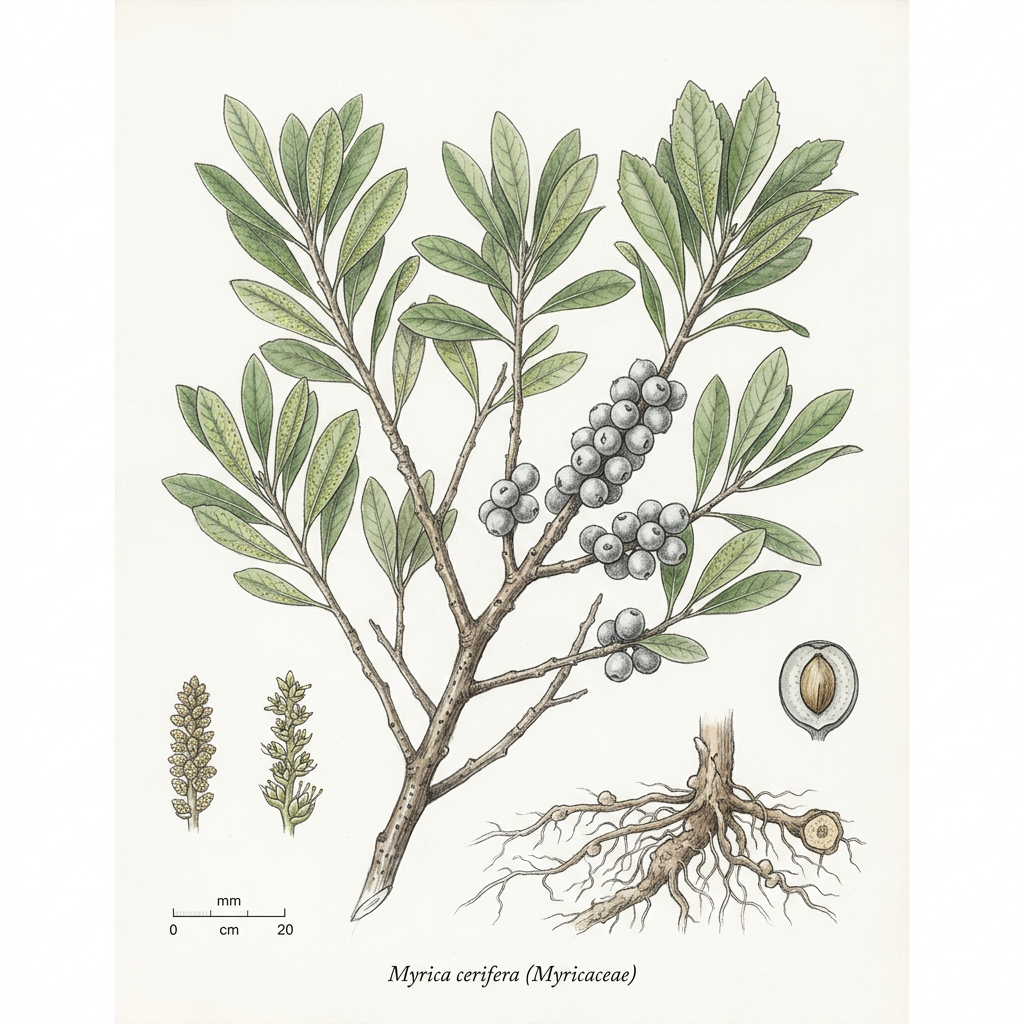
Bayberry

Bayberry

Myrica cerifera

Digestive Aid
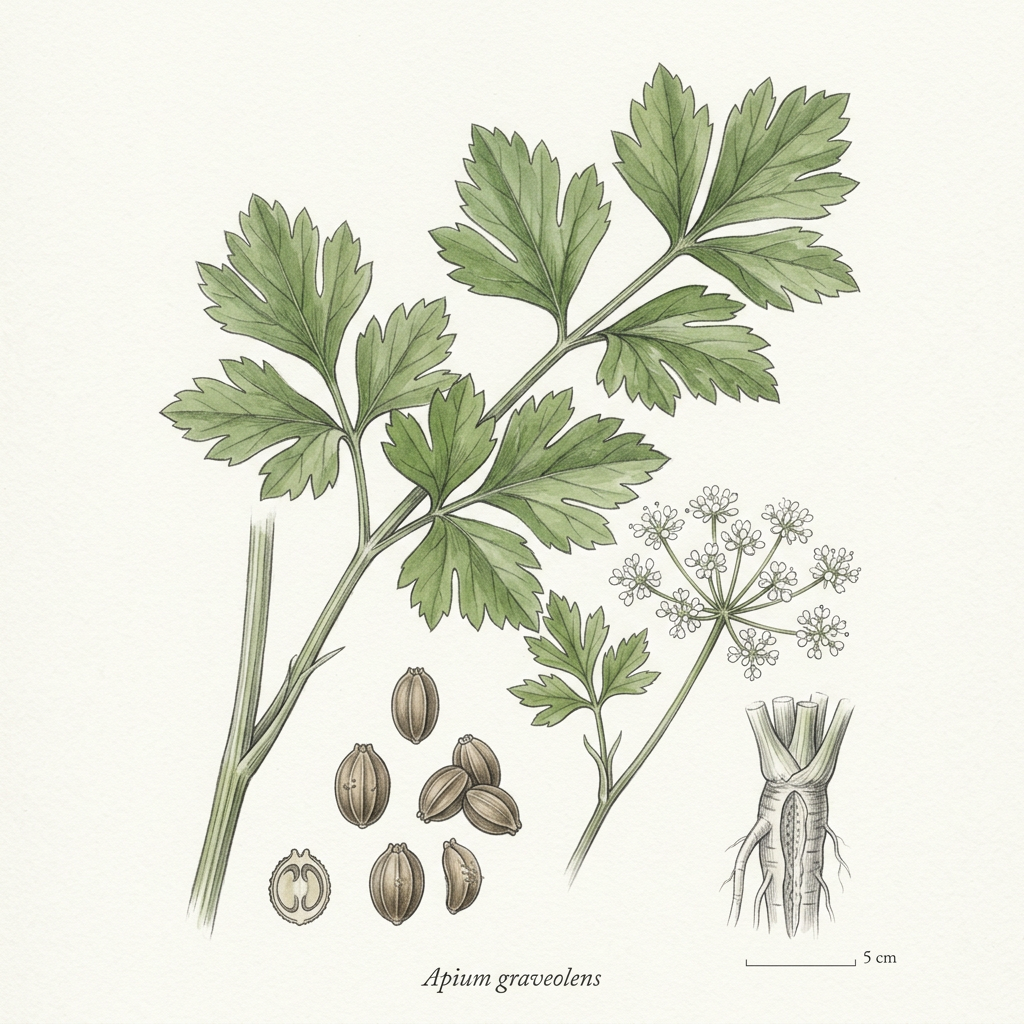
Celery Seed

Celery Seed

Apium graveolens

Digestive Aid