The Wild Sage logo
The Wild Sage Logo

Herbal Medicine at your fingertips

Comprehensive database of herbal remedies with detailed safety information and traditional uses

New to herbal terms? Read the glossary →
ADHD
Abcess
Acid Reflux Relief
Acinetobacter
Acne
Acne Vulgaris
Addisons
Adenomyosis
Adenovirus
Adrenal fatigue
Aging
Aids
Alcaligenes faecalis
Alcoholism
Allergic Rhinitis
Allergies
Allergy
Alopoecia
Alopoecia nervosa
Alzheimer's, Dementia & Cognitive Decline
420 herbs found
Important: This information is for educational purposes only. Always consult with qualified healthcare professionals before using herbal remedies, especially if you have existing health conditions or take medications.
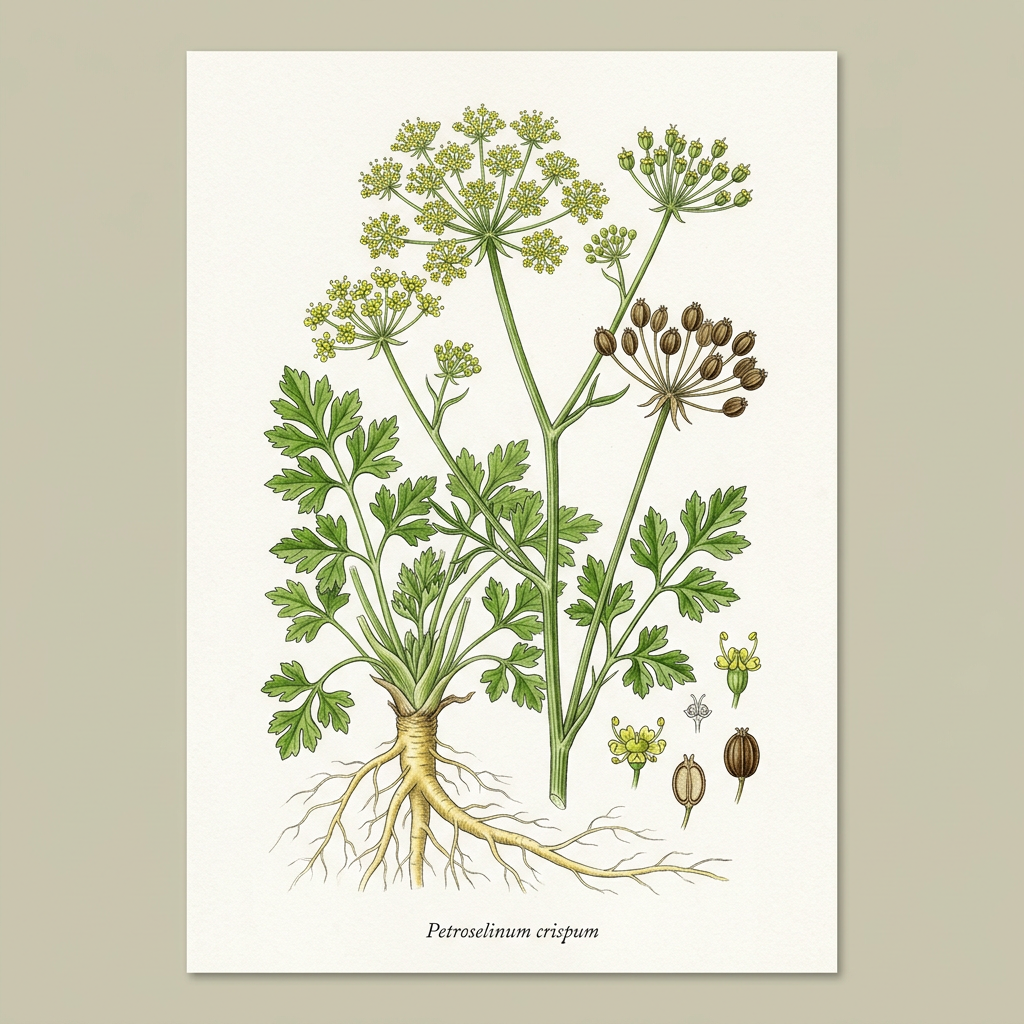
Parsley

Parsley

Petroselinum crispum

low risk Risk
Lamiaceae
Warm, moist, slightly bitter. Dispersing.
<p>Parsley, scientifically known as *Petroselinum crispum*, is a biennial herb that belongs to the Apiaceae family, which encompasses a variety of aromatic plants. Historically, this herb has been revered since ancient times, where it was not only prized for its culinary versatility but also venerated as a symbol of death and resurrection in Greek culture. Traditionally, parsley has been utilized for its medicinal properties, including its use by ancient Romans and Greeks who regarded it as a purifying herb. Records indicate that it was often used in ancient medicine as a remedy for digestive issues and as a natural breath freshener, thereby highlighting its longstanding integration into both diet and health practices. Parsley boasts a remarkable profile of therapeutic properties, primarily functioning as a nutrient-rich diuretic and digestive aid. Rich in essential vitamins and minerals, such as vitamin K, vitamin C, and iron, parsley supports overall health while enhancing detoxification processes. Its diuretic effects facilitate the elimination of excess fluid from the body, making it beneficial for individuals seeking to manage water retention, support kidney function, or maintain healthy blood pressure levels. Additionally, parsley's carminative properties help alleviate digestive discomfort and reduce bloating, while its high antioxidant content combats oxidative stress and supports immune function. The therapeutic actions of parsley are attributed to its rich array of bioactive compounds, including flavonoids, volatile oils, and vitamins. These constituents work synergistically within the body to promote optimal health, with compounds such as apiol and myristicin contributing to its diuretic and digestive benefits. By stimulating the production of digestive enzymes and promoting bile flow, parsley facilitates improved digestion and nutrient absorption. Furthermore, the herb’s aromatic oils help combat halitosis, while its anti-inflammatory properties can soothe gastrointestinal irritation and maintain mucosal health. In summary, parsley not only enhances culinary dishes with its fresh flavor but also serves as a valuable ally for digestive health and overall well-being.</p>

Uses & Conditions

Digestive Aid
Kidney Support
Immune Support
Antioxidant Support
Nutrient Absorption
Halitosis Control
Osteoarthritis
Dyspepsia
Irritable Bowel Syndrome
Inflammatory Bowel Disease
Menorrhagia
Colic
Cystitis
Dysmenorrhoea
Joint Pain
Abdominal Discomfort
Bloating
Water Retention
Oedema
Heavy Metal Toxicity
Oxidant Stress

Actions

Antioxidant
COX-2 Inhibitor
TNF-alpha Reduction

Parts Used

Roots

Native Countries

Europe

USDA Hardiness Zones

USDA 3-9

Dosages, tincture ratios & research — members only

Unlock Garreth's dosing guidance, tincture ratios, the dosage calculator and the research studies for Parsley.

Your assessment and results stay saved — upgrading only unlocks more of them.

See membership plans

Community Photos

No community photos yet. Sign in to upload photos.

Reviews & Ratings

Sign in to leave a review.

No reviews yet. Be the first!

GF

Garreth Falls — B.Th., Dip. H.M., MNIMH

Content curated and reviewed by Garreth Falls, Consultant Medical Herbalist · The Wild Sage

Medical Disclaimer: This information is for educational purposes only and is not intended as medical advice. Always consult with qualified healthcare professionals before starting any herbal treatment.
Western tradition
Ayurvedic tradition

Sustainability & quality

Abundant

Very common culinary plant. Always source from organic growers to avoid pesticide residue in leaves.

Key constituents

Petroselinic acid, Apiaceae compounds

References

  1. British Herbal Pharmacopoeia 1983
  2. Pole "Ayurvedic Medicine" 2006

Reviewed by Garreth, Medical Herbalist (MNIMH) · November 2026

Related conditions

Explore conditions where Parsley is traditionally used.

Related Herbs
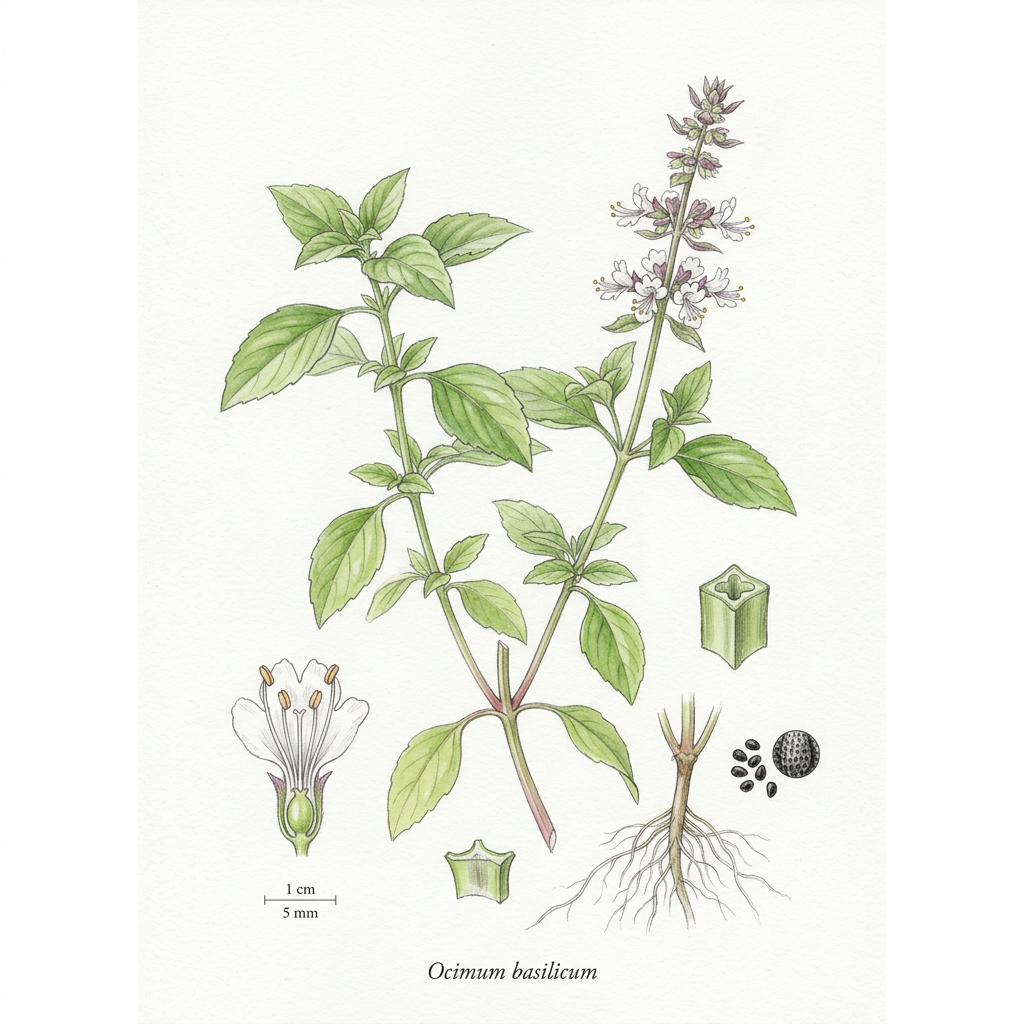
Basil

Basil

Ocimum basilicum

Convalescence
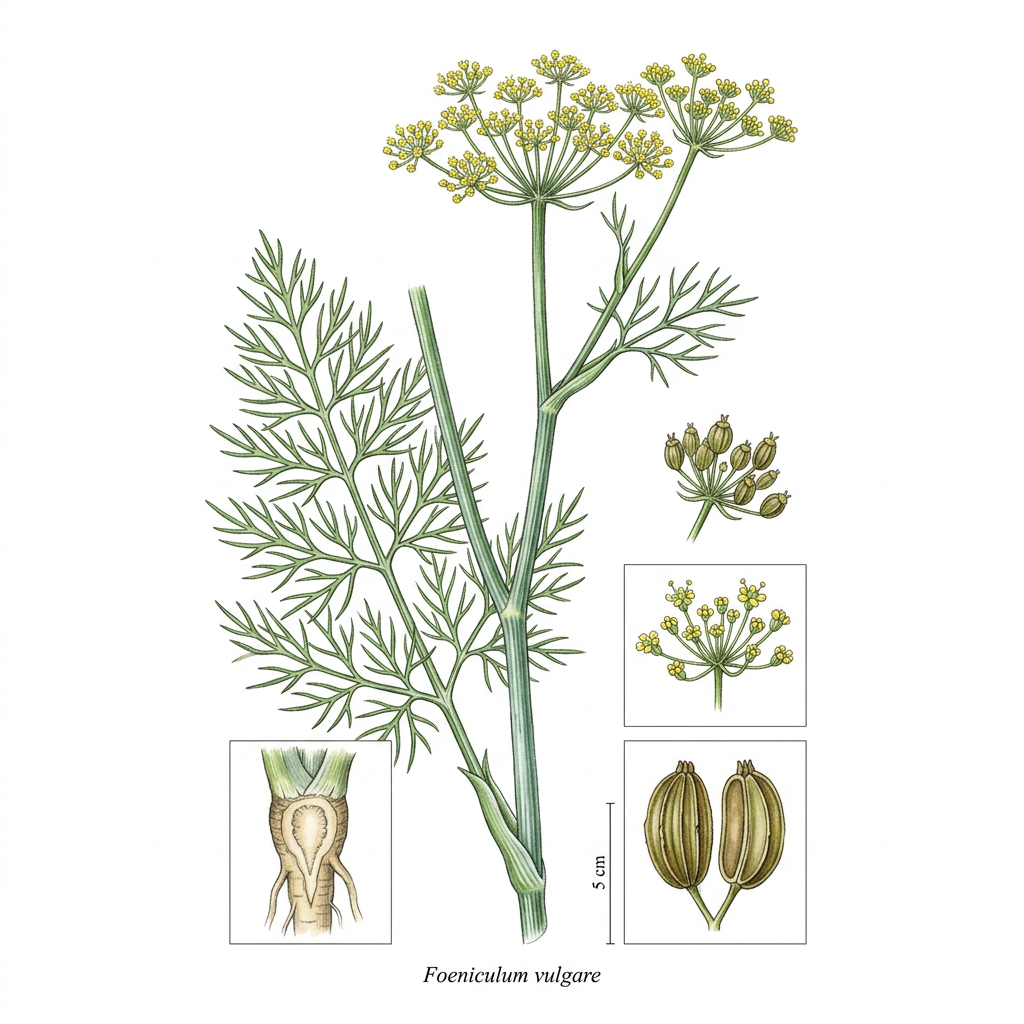
Fennel

Fennel

Foeniculum vulgare

Digestive Aid
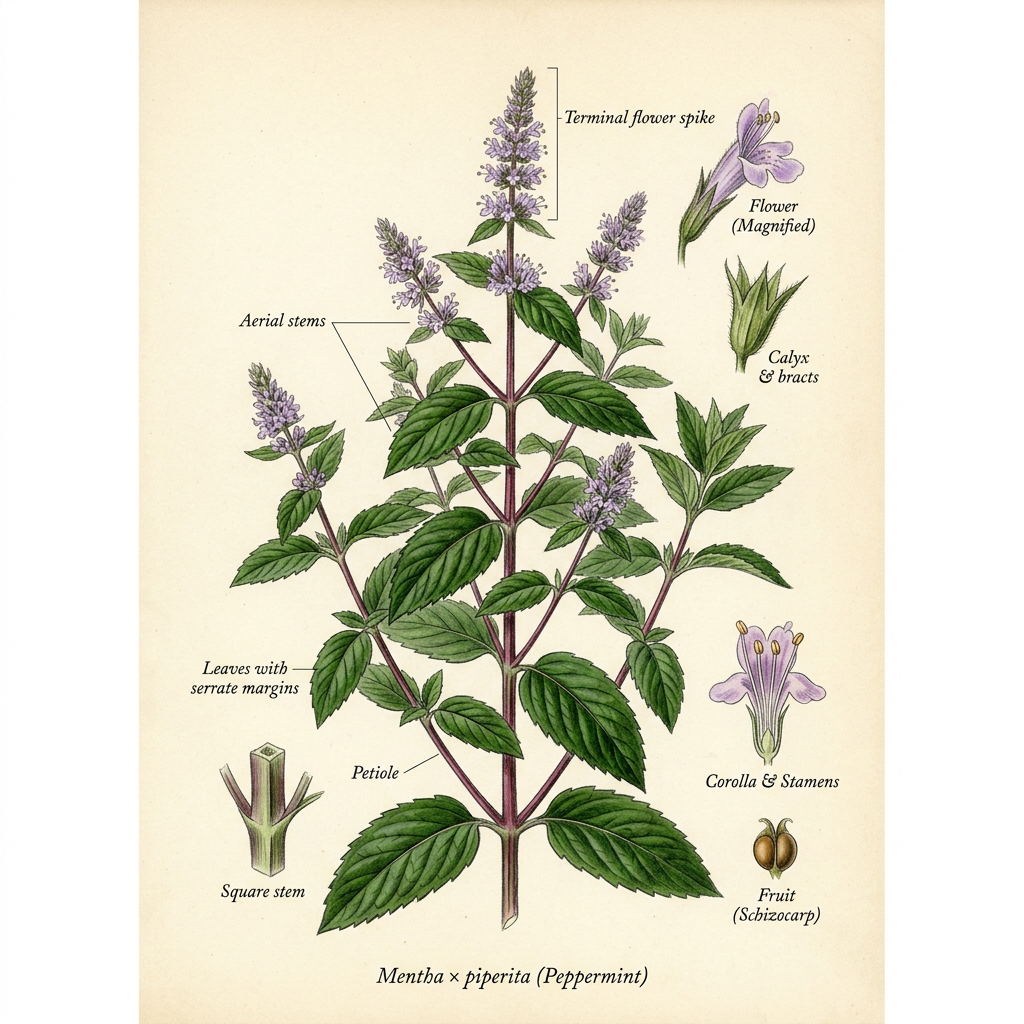
Peppermint

Peppermint

Mentha x piperita

Digestive Aid
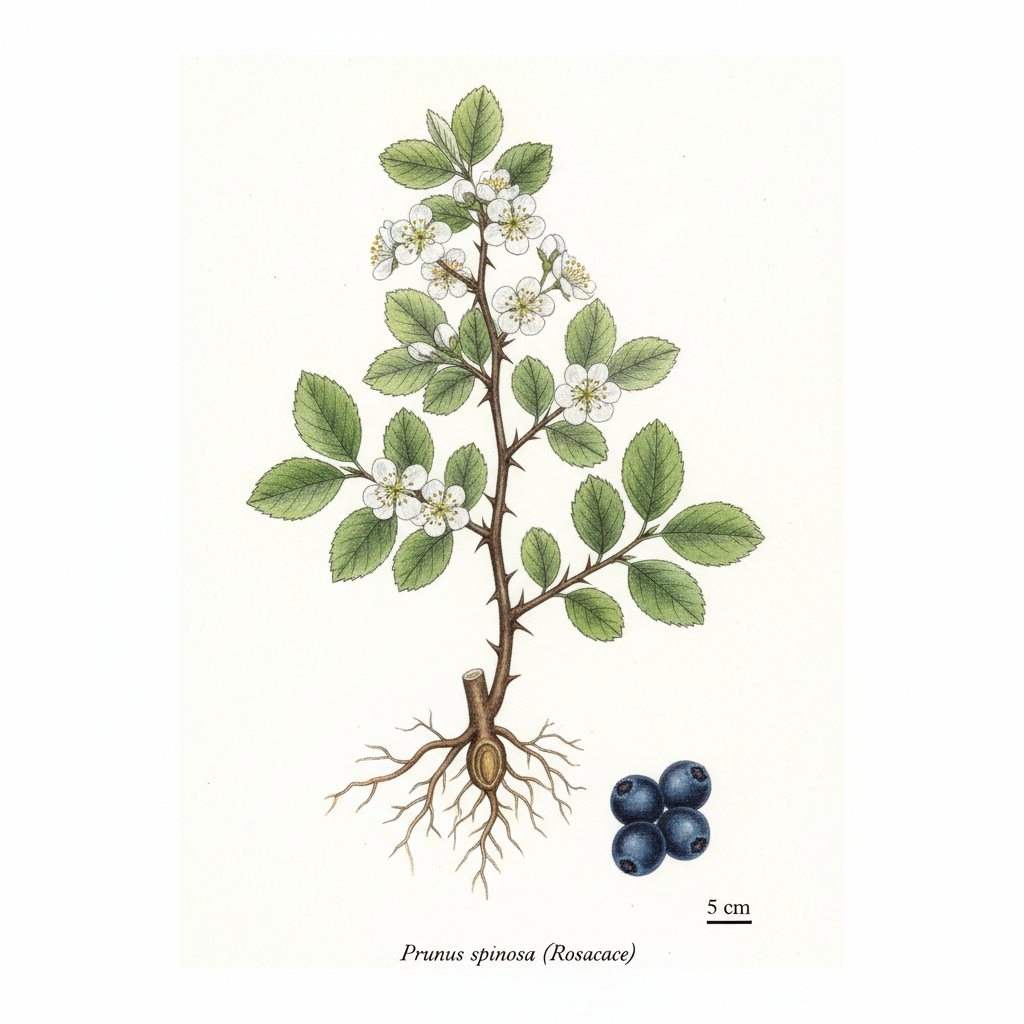
Blackthorn

Blackthorn

Prunus spinosa

Digestive health