

Herbal Medicine at your fingertips
Comprehensive database of herbal remedies with detailed safety information and traditional uses
New to herbal terms? Read the glossary →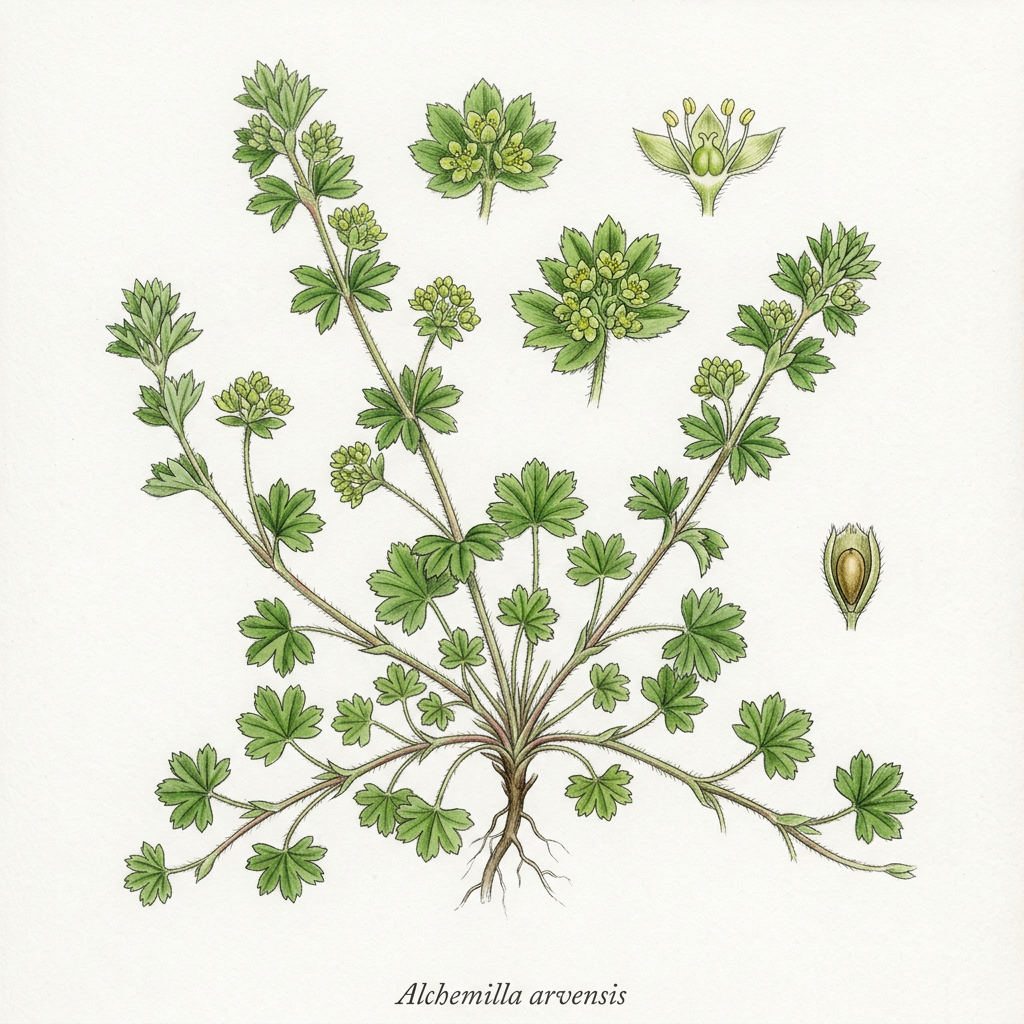
Parsley Piert
Alchemilla arvensis
Parsley Piert, scientifically known as Alchemilla arvensis, is a perennial herb belonging to the Rosaceae family, often found thriving in grassy meadows and disturbed grounds across Europe and parts of North America. Historically, it has been revered in both folk and traditional herbal medicine for its wide array of therapeutic applications. Celts utilized this plant not only for its culinary attributes but also for its healing properties, believing it possessed the mystical capability to enhance vitality and alleviate various ailments. Traditionally, herbalists have employed Parsley Piert as a valuable remedy for its astringent properties, often recommending it in formulations aimed at addressing conditions such as gastrointestinal discomfort, menstrual irregularities, and skin irritations.
The key therapeutic properties of Parsley Piert are primarily attributed to its astringent, cooling, demulcent, and diuretic actions. As an astringent, it helps to tighten tissues and reduce excess secretions, making it useful in the management of diarrhea and minor wounds. Its cooling properties offer relief for inflammatory conditions, soothing gastrointestinal distress and alleviating symptoms associated with heat-related illnesses. Additionally, the demulcent action of Parsley Piert provides a protective layer over mucous membranes, aiding in the relief of coughs and throat irritation, while its diuretic effect supports kidney health by promoting urine flow and assisting in the elimination of toxins from the body.
In the human body, Parsley Piert works holistically to create balance and promote wellness. The herb's astringent compounds interact with protein structures in tissues, leading to reduced inflammation and minimized fluid retention in conditions such as edema. Meanwhile, its demulcent properties ensure that mucous membranes are nourished and protected, enhancing overall digestive health and respiratory function. The diuretic action facilitates the effective processing and excretion of waste products, which is essential for maintaining optimal kidney function. By harnessing these multifaceted actions, Parsley Piert serves as a gentle yet effective ally in traditional herbal practice, embodying the wisdom of past generations in its enduring therapeutic value.
Uses & Conditions
Actions
Synonyms
Parts Used
Native Countries
USDA Hardiness Zones
Contraindications
- Pregnancy: avoid due to potential uterine stimulant effects
- Breastfeeding: lack of safety data suggests avoidance
- Severe kidney dysfunction: avoid self-prescribing diuretic herbs
- Acute obstruction of the urinary tract
- Known allergy to the Rosaceae family
Potential Side Effects
- Mild gastrointestinal upset
- Rare skin sensitivity reactions if applied topically
Interactions
- Diuretics: may have an additive effect, monitor for electrolyte imbalance
- Anticoagulants: theoretical risk of interaction due to potential vitamin K content, use with caution if on Warfarin
- Use caution with prescription medicines
Dosages, tincture ratios & research — members only
Unlock Garreth's dosing guidance, tincture ratios, the dosage calculator and the research studies for Parsley Piert.
Your assessment and results stay saved — upgrading only unlocks more of them.
See membership plansCommunity Photos
No community photos yet. Sign in to upload photos.
Reviews & Ratings
Sign in to leave a review.
No reviews yet. Be the first!
Garreth Falls — B.Th., Dip. H.M., MNIMH
Content curated and reviewed by Garreth Falls, Consultant Medical Herbalist · The Wild Sage
Sustainability & quality
AbundantCommonly occurring weed; ensure harvested sites are free from agricultural chemicals.
Key constituents
Tannins (ellagitannins), Salicylic acid derivatives, Bitter principles, Flavonoids, Mineral salts, Phytosterols
References
- British Herbal Pharmacopoeia 1983
- Herbal Reality. Herb monographs. herbalreality.com
Related conditions
Explore conditions where Parsley Piert is traditionally used.
Related Herbs
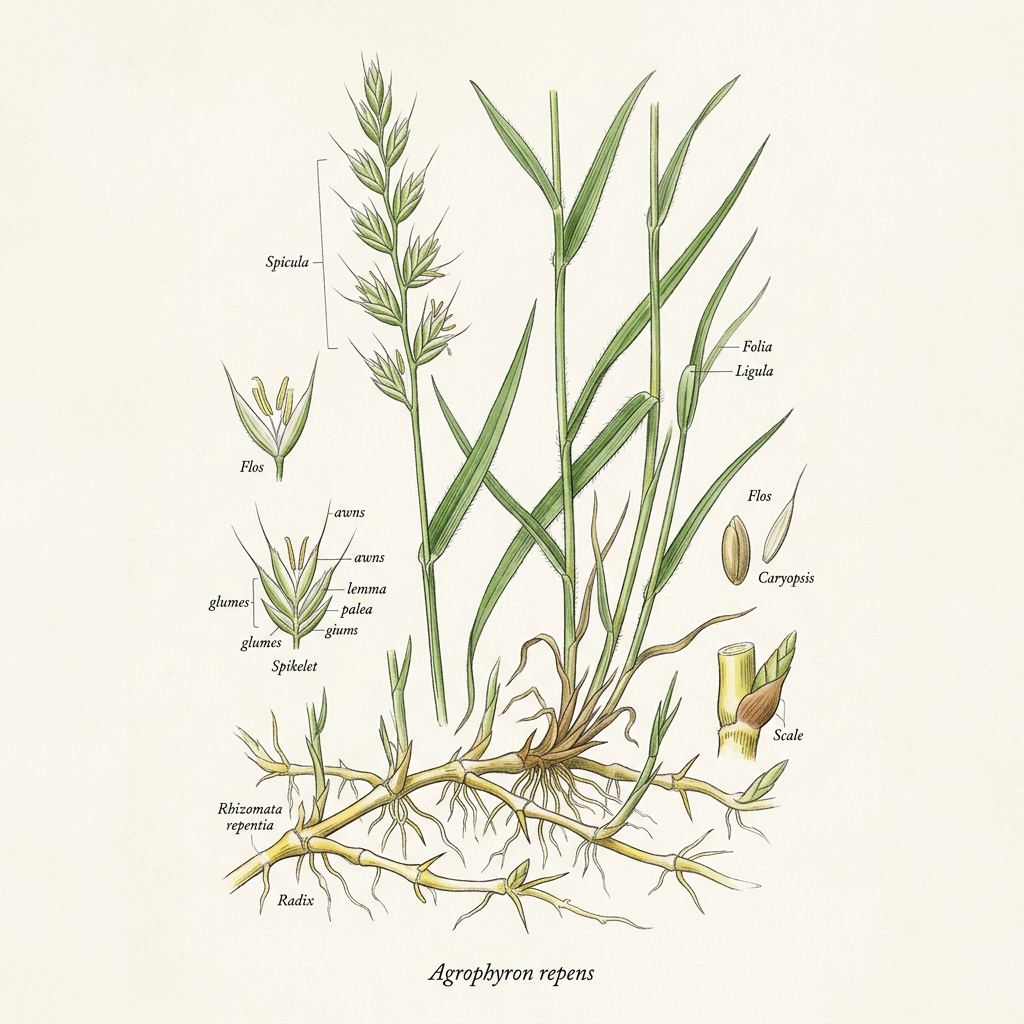
Couch Grass
Elymus repens
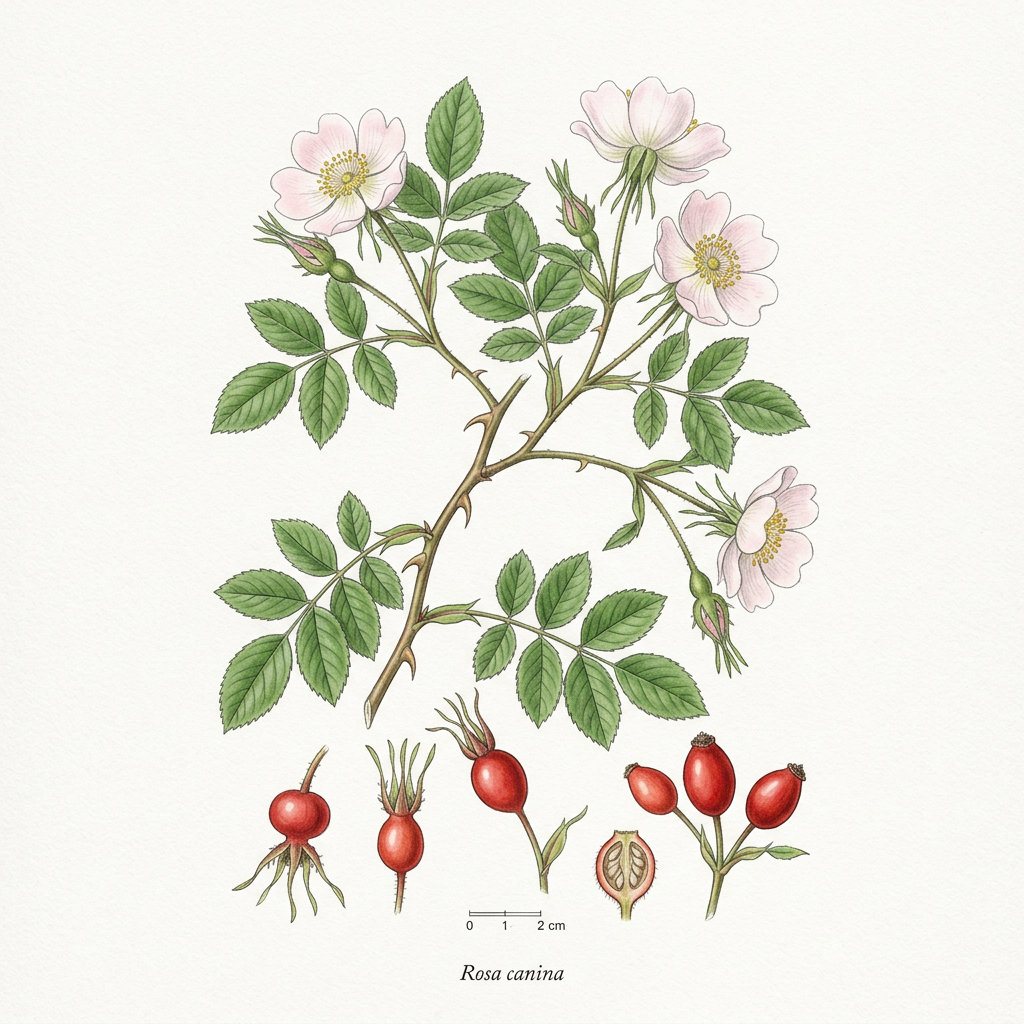
Dog rose
Rosa canina
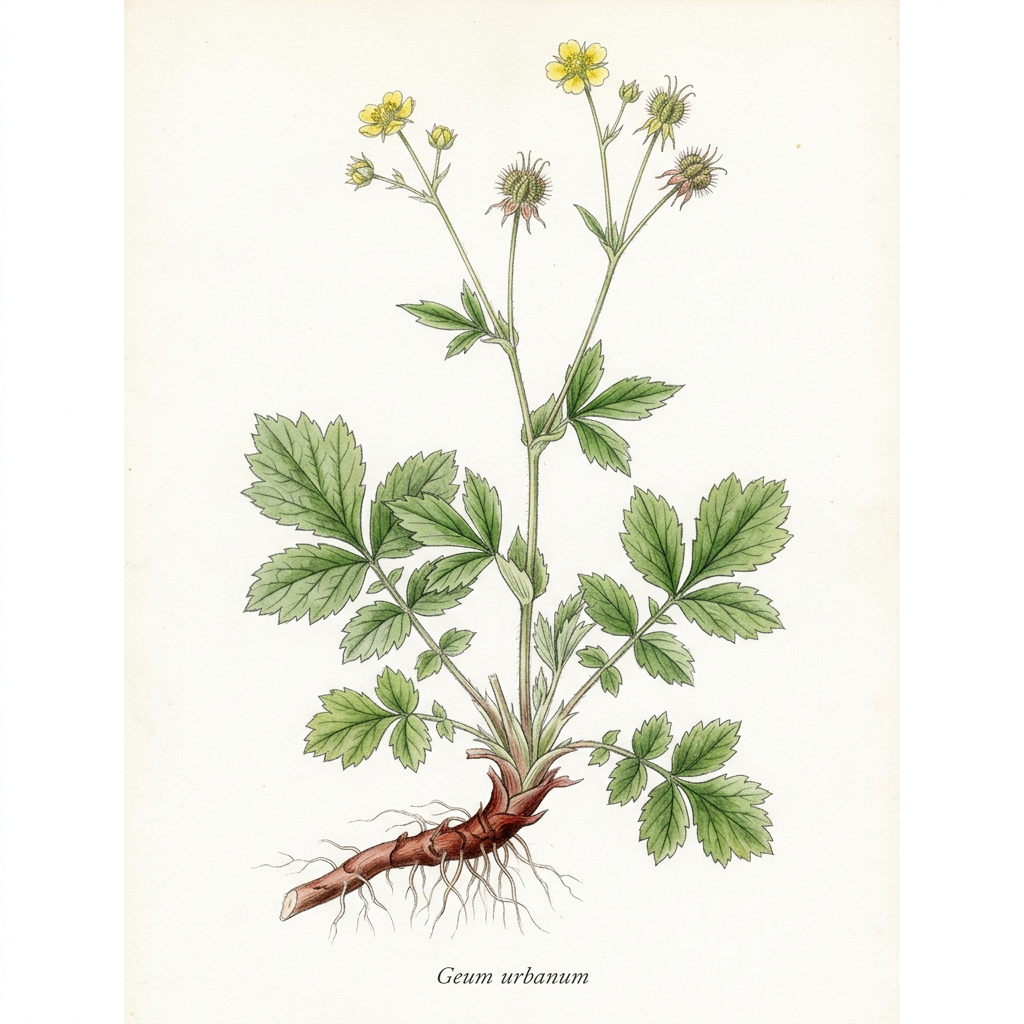
Wood avens
Geum urbanum
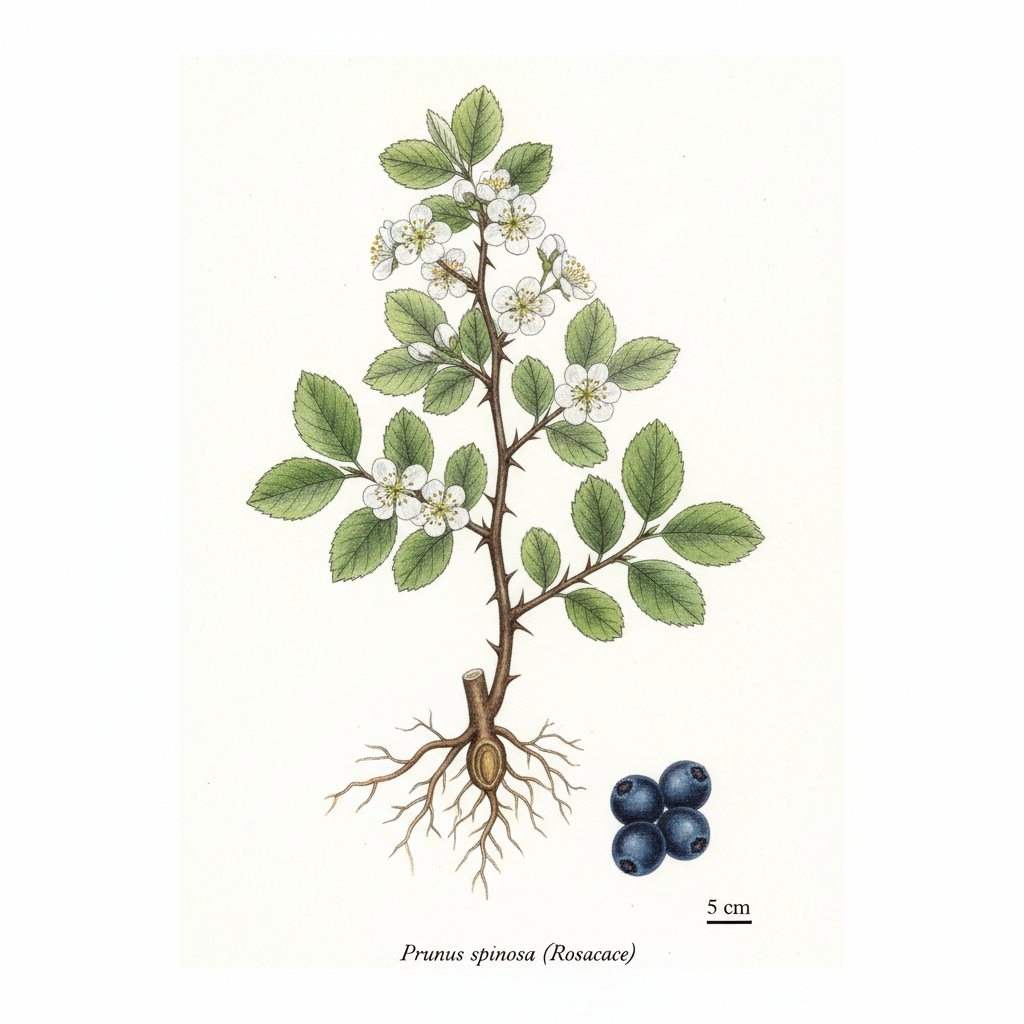
Blackthorn
Prunus spinosa