The Wild Sage logo
The Wild Sage Logo

Herbal Medicine at your fingertips

Comprehensive database of herbal remedies with detailed safety information and traditional uses

New to herbal terms? Read the glossary →
ADHD
Abcess
Acid Reflux Relief
Acinetobacter
Acne
Acne Vulgaris
Addisons
Adenomyosis
Adenovirus
Adrenal fatigue
Aging
Aids
Alcaligenes faecalis
Alcoholism
Allergic Rhinitis
Allergies
Allergy
Alopoecia
Alopoecia nervosa
Alzheimer's, Dementia & Cognitive Decline
420 herbs found
Important: This information is for educational purposes only. Always consult with qualified healthcare professionals before using herbal remedies, especially if you have existing health conditions or take medications.
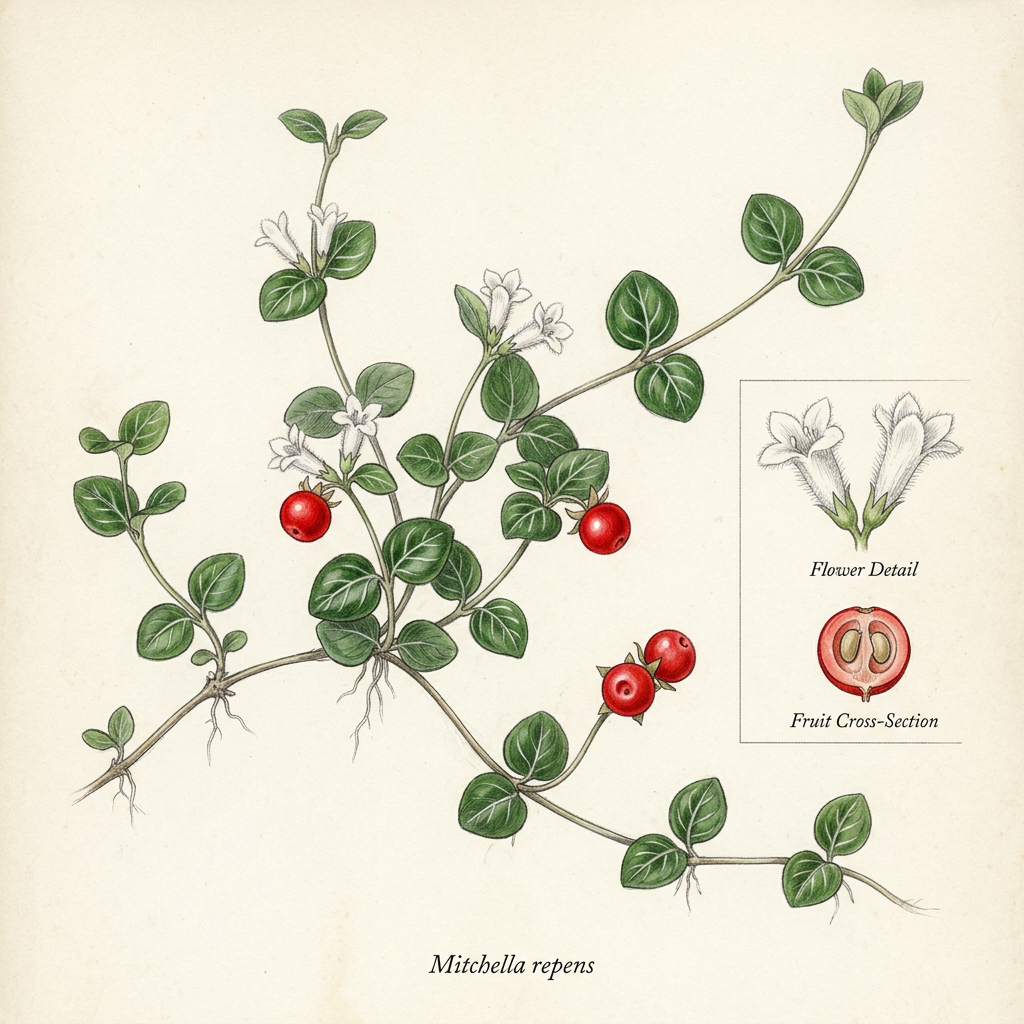
Partridgeberry

Partridgeberry

Mitchella repens

low risk Risk
Ericaceae
Astringent
<p>### Partridgeberry (Mitchella repens) Partridgeberry, scientifically known as *Mitchella repens*, is a perennial herb native to the woodlands of North America and renowned for its distinct red berries and creeping vines. Traditionally, indigenous peoples utilized this herb for its medicinal properties, particularly in relation to women's health. Historically, Partridgeberry has been celebrated for its role in facilitating labor, where its astringent and parturifacient qualities were believed to support the birthing process. The herb has also found its place in traditional herbal medicine as a remedy for various conditions, particularly those related to the urinary and reproductive systems. The therapeutic benefits of Partridgeberry are attributed to its notable actions as a parturifacient, astringent, and diuretic. It has garnered strong clinical support (Tier 1 evidence) for the treatment of urinary tract infections (UTIs), where its decoction is typically prepared using fresh herb dosed at 2 ounces, up to three times a day. Research indicates that Partridgeberry can significantly reduce symptom severity and enhance urinary function. Additionally, it shows moderate evidence (Tier 2) in managing menorrhagia, with studies suggesting it may help decrease menstrual flow. While its use in these contexts is well-documented, it should be noted that careful monitoring is advised, especially in pregnant individuals, where its parturifacient qualities could induce labor when utilized inappropriately. Partridgeberry’s action within the body is multifaceted. The herb's astringent properties help to strengthen and tone the tissues of the reproductive system, while its diuretic effects support kidney health and promote urinary flow, facilitating the clearing of infections. Phytochemical constituents, including flavonoids and tannins, are thought to contribute to these therapeutic effects, working synergistically to reduce inflammation and promote healing. Although generally regarded as safe, individuals should exercise caution if they have bleeding disorders or are pregnant, and it is always advisable to consult a healthcare provider before incorporating this herb into any treatment regimen. Overall, Partridgeberry remains a valuable ally in the realm of herbal medicine, particularly for women's health.</p>

Uses & Conditions

Urinary Tract Infection
Menorrhagia
Labor Facilitation
Pregnancy-related complaints
Bleeding disorders

Actions

Parturifacient
Astringent
Diuretic

Parts Used

Aerial parts

Native Countries

United States
Canada
Mexico
Costa Rica
Belize

USDA Hardiness Zones

3
4
5
6
7

Contraindications

  • Pregnancy: strictly avoid during the first and second trimesters
  • Breastfeeding: not advised due to lack of safety data
  • Acute kidney inflammation: consult a healthcare professional
  • Known allergy to the Ericaceae family

Potential Side Effects

  • Mild gastrointestinal irritation
  • Nausea
  • Abdominal discomfort
  • Increased frequency of micturition
  • Allergic skin reactions

Interactions

  • Diuretics: may potentiate effects and lead to electrolyte imbalances
  • Uterine stimulants: additive effect with synthetic oxytocics
  • Hormonal contraceptives: potential for interference with efficacy
  • Antihypertensive agents: theoretical risk of additive hypotensive effects

Dosages, tincture ratios & research — members only

Unlock Garreth's dosing guidance, tincture ratios, the dosage calculator and the research studies for Partridgeberry.

Your assessment and results stay saved — upgrading only unlocks more of them.

See membership plans

Community Photos

No community photos yet. Sign in to upload photos.

Reviews & Ratings

Sign in to leave a review.

No reviews yet. Be the first!

GF

Garreth Falls — B.Th., Dip. H.M., MNIMH

Content curated and reviewed by Garreth Falls, Consultant Medical Herbalist · The Wild Sage

Medical Disclaimer: This information is for educational purposes only and is not intended as medical advice. Always consult with qualified healthcare professionals before starting any herbal treatment.
Western tradition

Sustainability & quality

At risk

Susceptible to overharvesting. Preference must be given to cultivated sources or suppliers who provide clear evidence of sustainable wild-harvesting practices.

Key constituents

Tannins, - Flavonoids, Saponins

References

  1. British Herbal Pharmacopoeia 1983
  2. Herbal Reality. Herb monographs. herbalreality.com

Reviewed by Garreth, Medical Herbalist (MNIMH) · November 2026

Related conditions

Explore conditions where Partridgeberry is traditionally used.

Related Herbs
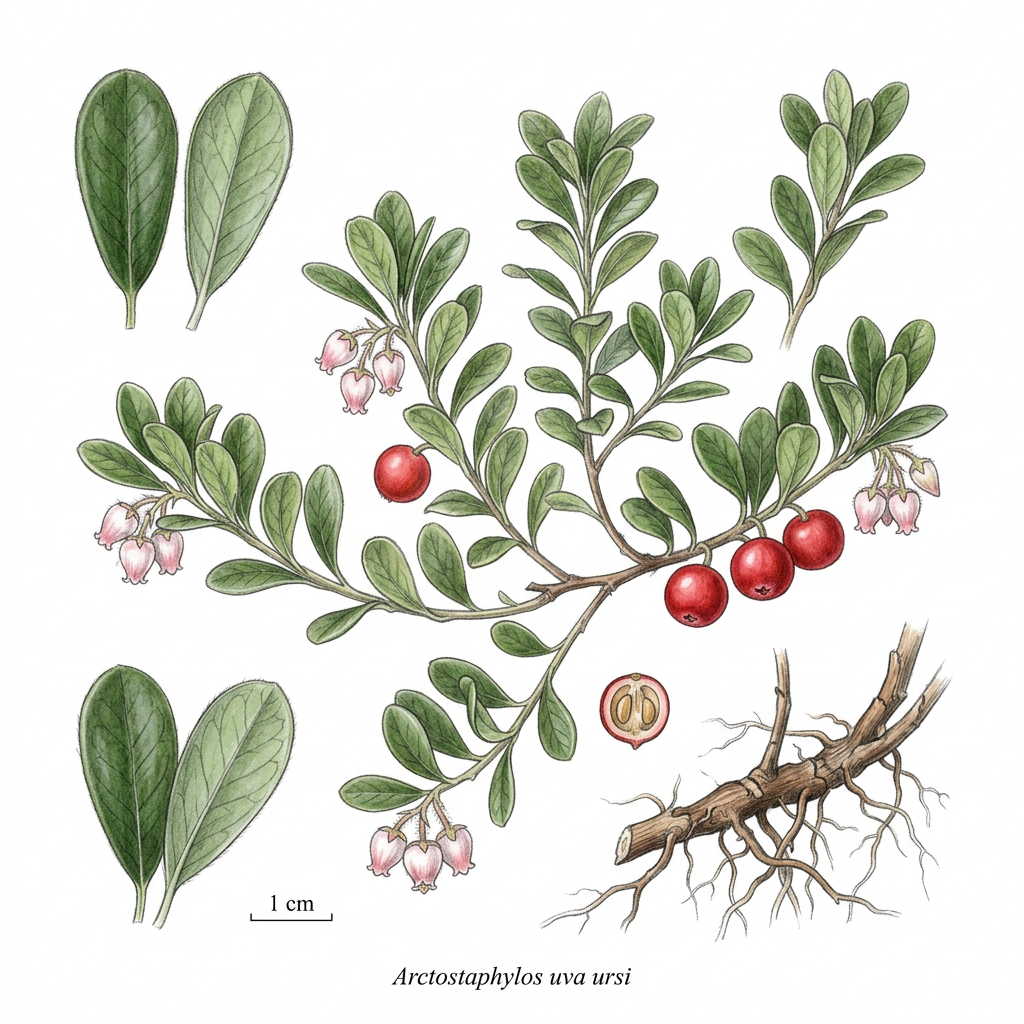
Bearberry

Bearberry

Arctostaphylos uva ursi

Urinary Health
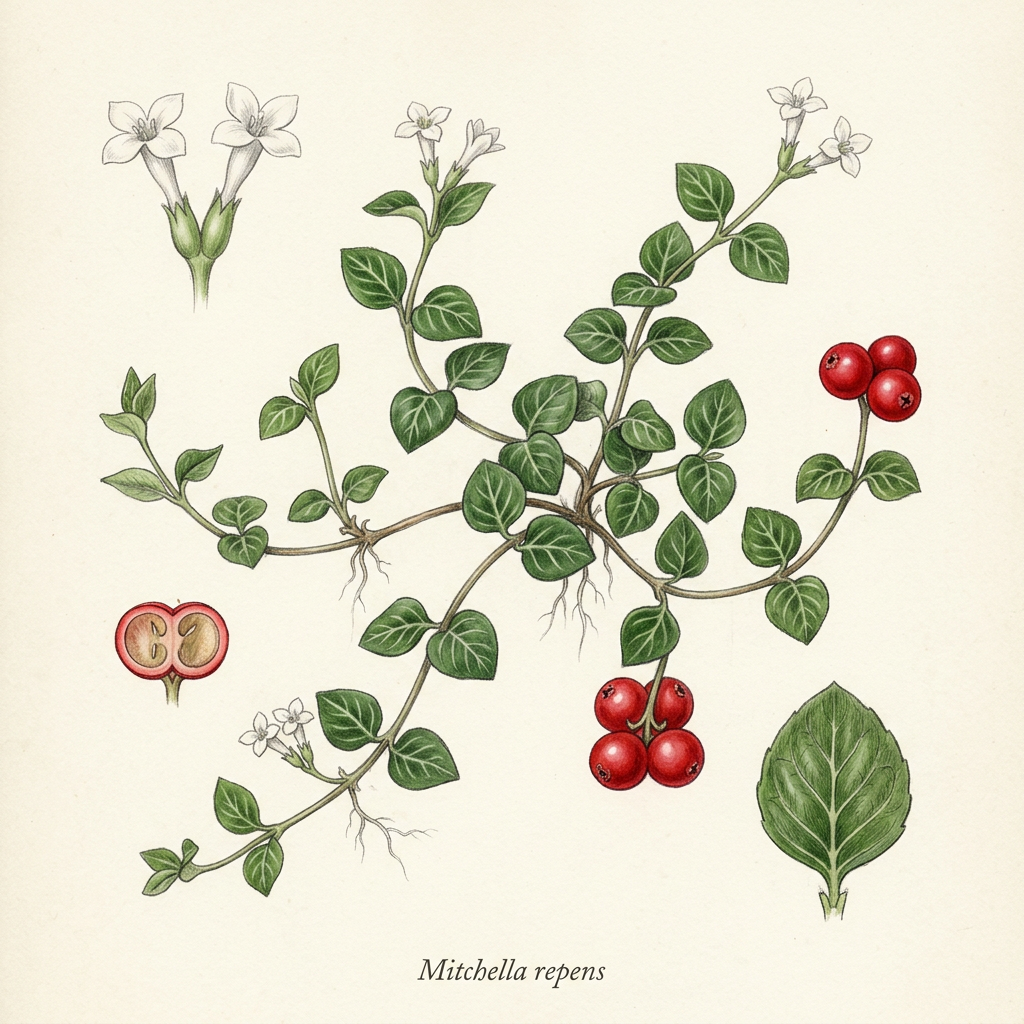
Mitchella repens

Mitchella repens

Mitchella repens

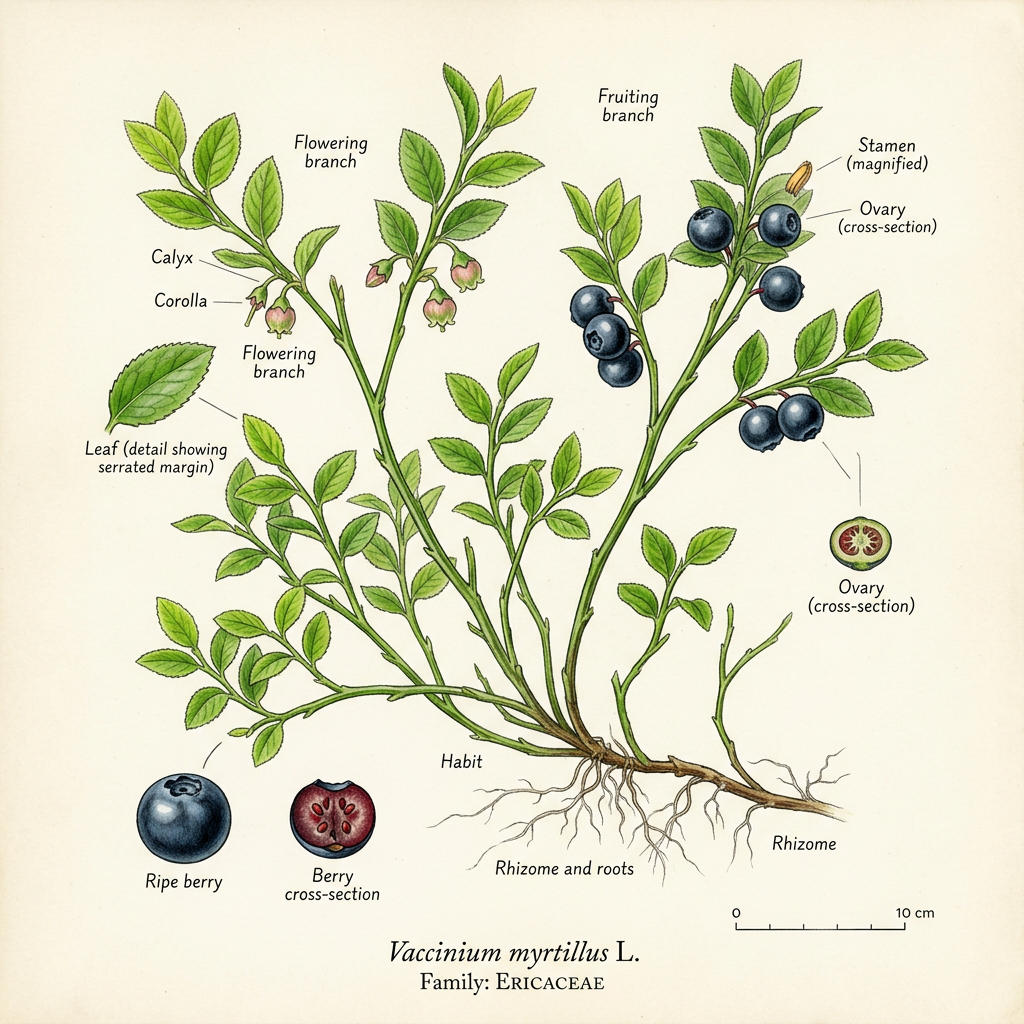
Bilberry

Bilberry

Vaccinium myrtillus

Ocular Health
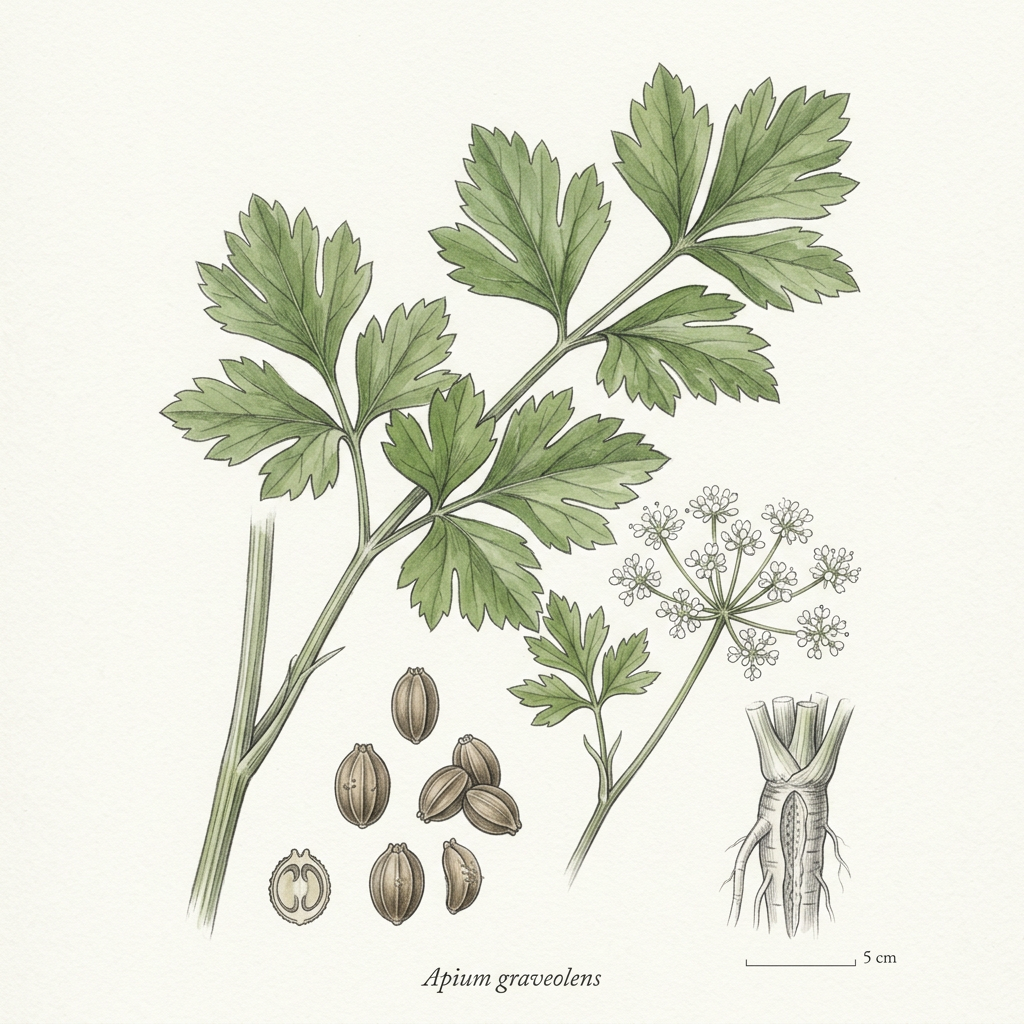
Celery Seed

Celery Seed

Apium graveolens

Digestive Aid