The Wild Sage logo
The Wild Sage Logo

Herbal Medicine at your fingertips

Comprehensive database of herbal remedies with detailed safety information and traditional uses

New to herbal terms? Read the glossary →
ADHD
Abcess
Acid Reflux Relief
Acinetobacter
Acne
Acne Vulgaris
Addisons
Adenomyosis
Adenovirus
Adrenal fatigue
Aging
Aids
Alcaligenes faecalis
Alcoholism
Allergic Rhinitis
Allergies
Allergy
Alopoecia
Alopoecia nervosa
Alzheimer's, Dementia & Cognitive Decline
420 herbs found
Important: This information is for educational purposes only. Always consult with qualified healthcare professionals before using herbal remedies, especially if you have existing health conditions or take medications.
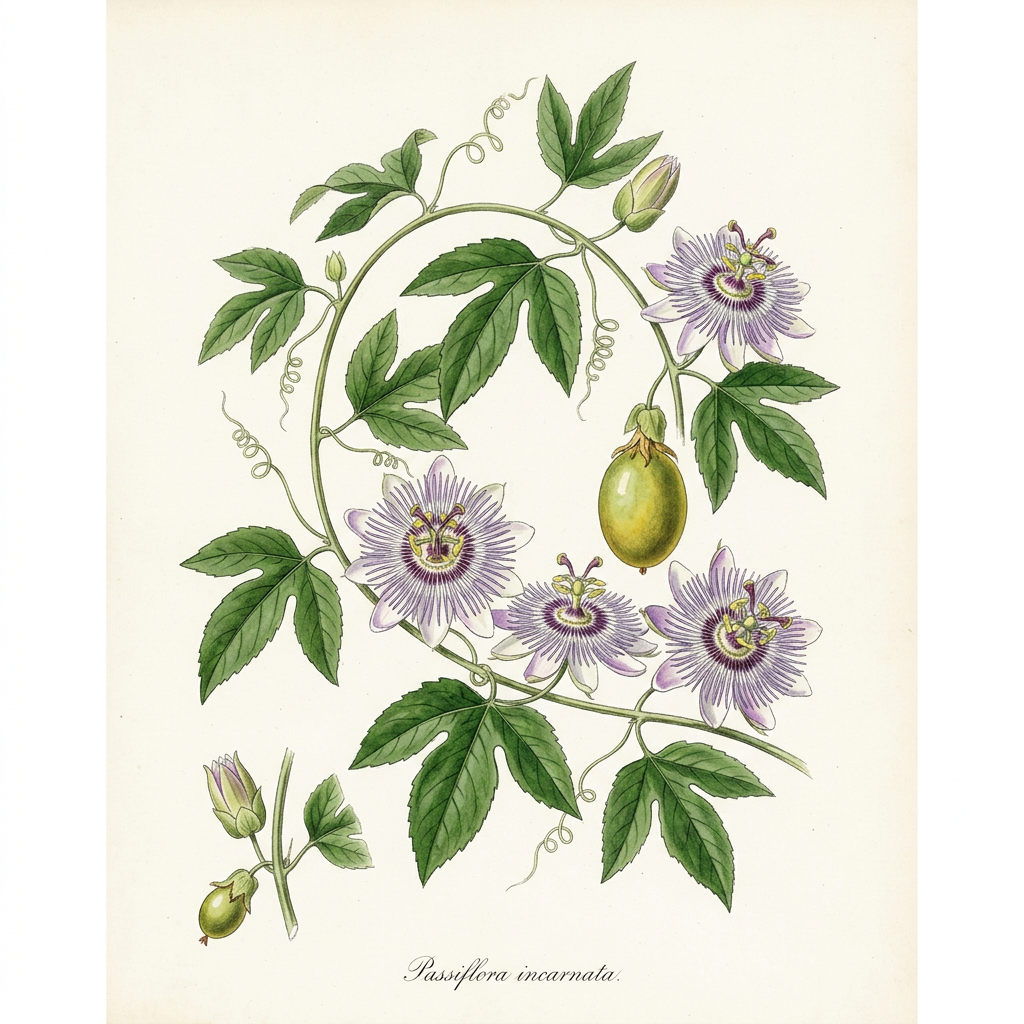
Passionflower

Passionflower

Passiflora incarnata

low risk Risk
Passifloraceae
Cool, Bitter
<p>Passionflower, also known as Passiflora incarnata, is a perennial climbing vine native to the southeastern United States and parts of South America. This remarkable herb has a rich historical background in traditional medicine, where it was used by indigenous populations, particularly by Native Americans, for its calming and soothing properties. The name "passionflower" is derived from its unique floral structure, which early Christian missionaries associated with the Passion of Christ, drawing parallels between the intricate blooms and various elements of the crucifixion. Historically, herbalists have utilized the aerial parts of the plant—primarily its leaves and flowers—as a natural remedy to alleviate anxiety, promote relaxation, and support restful sleep. Passionflower is renowned for its key therapeutic properties, particularly its ability to act as a gentle sedative for conditions such as insomnia, anxiety, and nervous tension. Its pharmacological effects are primarily attributed to its significant concentration of flavonoids, alkaloids, and glycosides, which work synergistically to modulate the body's stress response. These compounds are thought to enhance the availability of gamma-aminobutyric acid (GABA), a neurotransmitter that plays a crucial role in inducing relaxation and promoting a sense of calm. Consequently, passionflower has garnered attention for its efficacy not only in reducing anxiety-related symptoms but also in improving sleep quality without the grogginess often associated with synthetic sedatives. The action of passionflower within the body is multifaceted. By binding to GABA receptors, it can diminish the excitability of the nervous system, leading to reduced anxiety levels and an overall feeling of tranquility. Additionally, passionflower may possess mild analgesic properties, further supporting its use in alleviating the discomfort associated with stress and insomnia. Its adaptability in various forms—including teas, tinctures, and capsules—makes it accessible for individuals seeking natural alternatives to pharmaceutical interventions for mental health and sleep disturbances. As ongoing research continues to explore its comprehensive benefits, passionflower stands out as a profound ally in the pursuit of emotional well-being and restful slumber.</p>

Uses & Conditions

Calming Effects
Sleep Quality
Addiction
Adjustment Disorder With Anxiety
Anxiety Disorders
Asthma
Bipolar Disorder
Drug Withdrawal
Dysphagia
Epilepsy
Generalized Anxiety Disorder
H. Pylori
Insomnia
Nervous Exhaustion
Nervous Tension
Premature Ejaculation
Restlessness
Stress
Tremor

Actions

Anxiolytic
Sedative

Synonyms

Passionflower

Parts Used

Flowers
Leaves
Whole plant

Native Countries

North America

USDA Hardiness Zones

USDA 6-11
USDA 7-10
USDA 8-10

Contraindications

  • Pregnancy: generally avoided due to potential uterine stimulant activity
  • Breastfeeding: not recommended due to insufficient safety data
  • Pre-operative: discontinue at least two weeks before elective surgery
  • Children under 12: consult a paediatrician before use

Potential Side Effects

  • May cause slight sedation

Interactions

  • Sedative drugs including benzodiazepines and barbiturates: potential additive effect leading to excessive drowsiness
  • Antidepressants such as SSRIs or MAOIs: potential for synergistic effects
  • Alcohol: may potentiate central nervous system depressant effects
  • Anticoagulants or antiplatelet agents: potential for altered blood clotting markers

Dosages, tincture ratios & research — members only

Unlock Garreth's dosing guidance, tincture ratios, the dosage calculator and the research studies for Passionflower.

Your assessment and results stay saved — upgrading only unlocks more of them.

See membership plans

Community Photos

No community photos yet. Sign in to upload photos.

Reviews & Ratings

Sign in to leave a review.

No reviews yet. Be the first!

GF

Garreth Falls — B.Th., Dip. H.M., MNIMH

Content curated and reviewed by Garreth Falls, Consultant Medical Herbalist · The Wild Sage

Medical Disclaimer: This information is for educational purposes only and is not intended as medical advice. Always consult with qualified healthcare professionals before starting any herbal treatment.
Western tradition

Sustainability & quality

Cultivated

Should be cultivated to prevent depletion of native wild populations. High demand necessitates responsible sourcing from professional farms.

Key constituents

Flavonoid C-glycosides (vitexin, isovitexin), Harmala alkaloids (harman, harmine, harmol), Apigenin, Luteolin, Cyanogenic glycosides (gynocardin), GABA (gamma-aminobutyric acid)

References

  1. Bone & Mills "Principles and Practice of Phytotherapy" 2nd ed. 2013
  2. ESCOP Monographs 2nd ed. 2003
  3. EMA/HMPC Community Herbal Monograph
  4. Herbal Reality. Herb monographs. herbalreality.com

Reviewed by Garreth, Medical Herbalist (MNIMH) · November 2026

Related conditions

Explore conditions where Passionflower is traditionally used.

Related Herbs
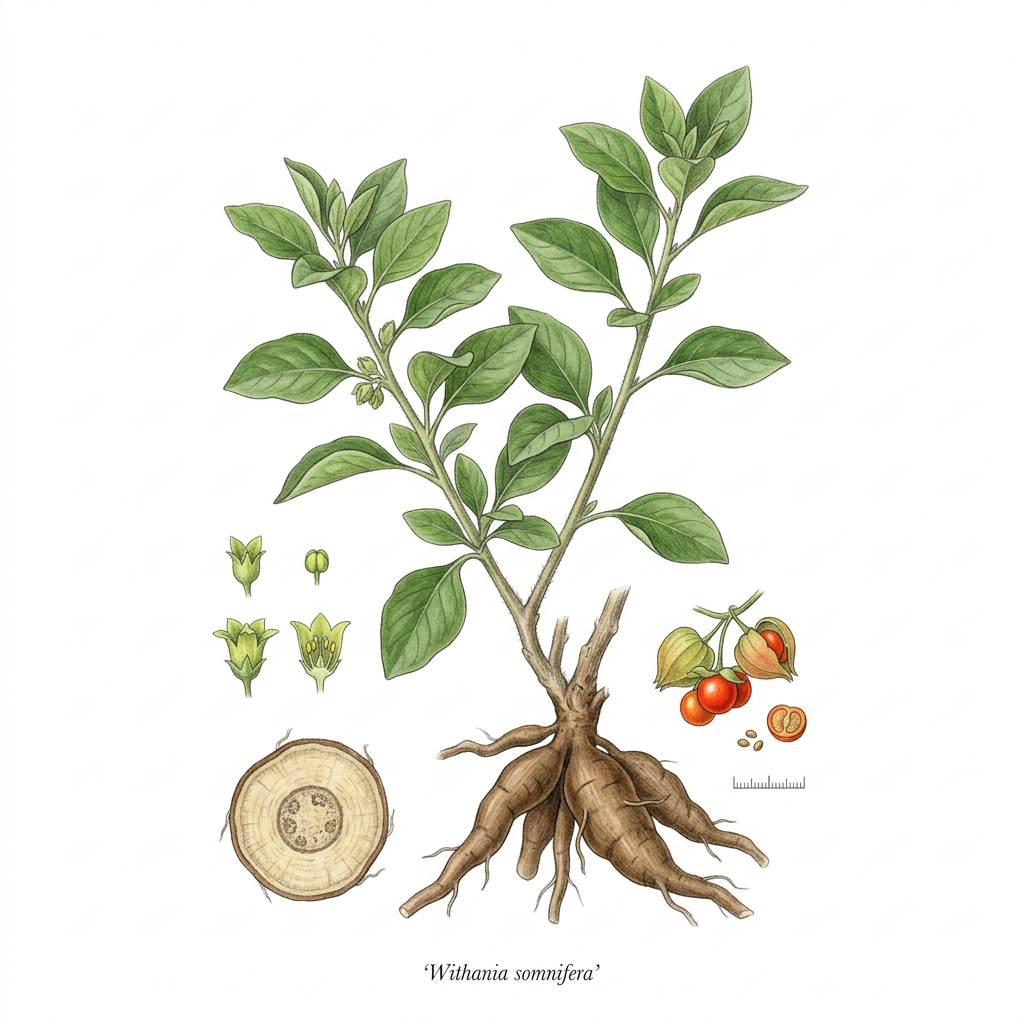
Ashwagandha

Ashwagandha

Withania somnifera

Immune Support
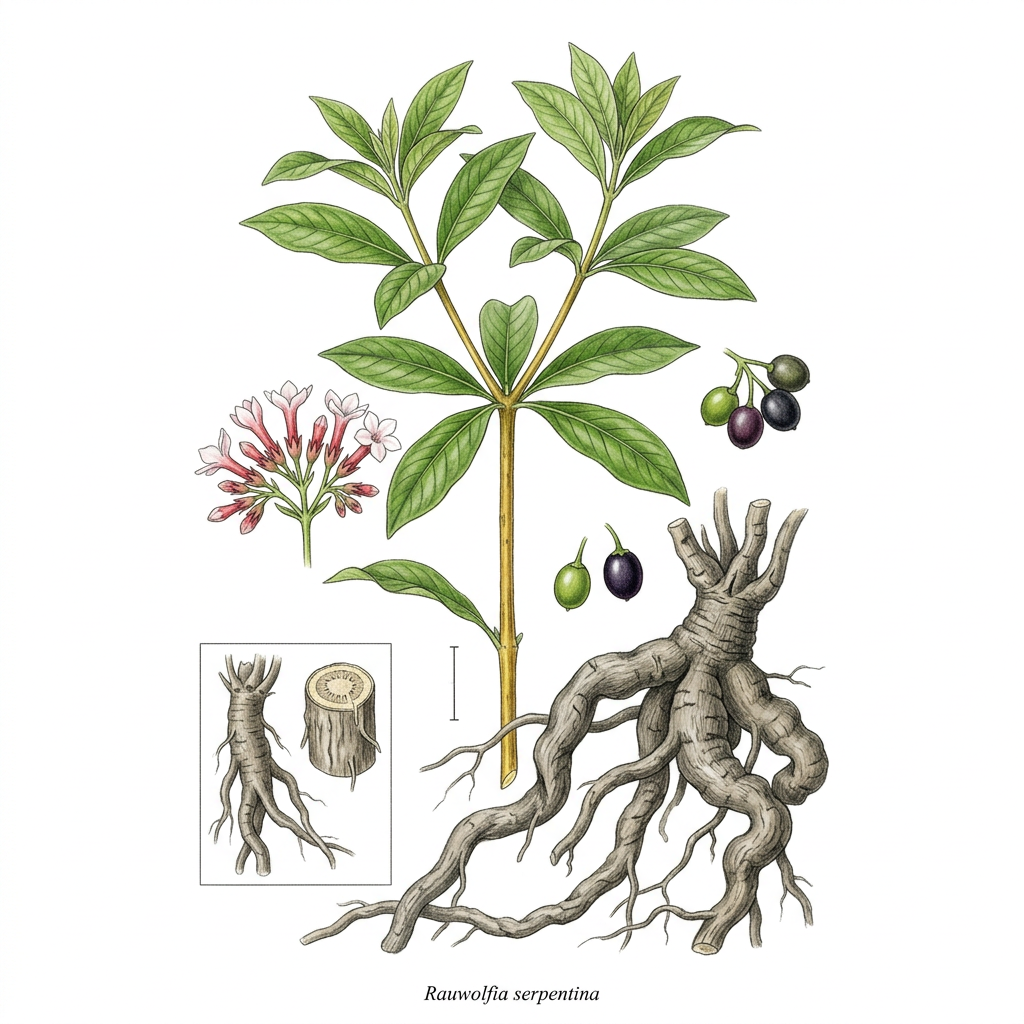
Indian Snakeroot

Indian Snakeroot

Rauwolfia serpentina
Mental clarity
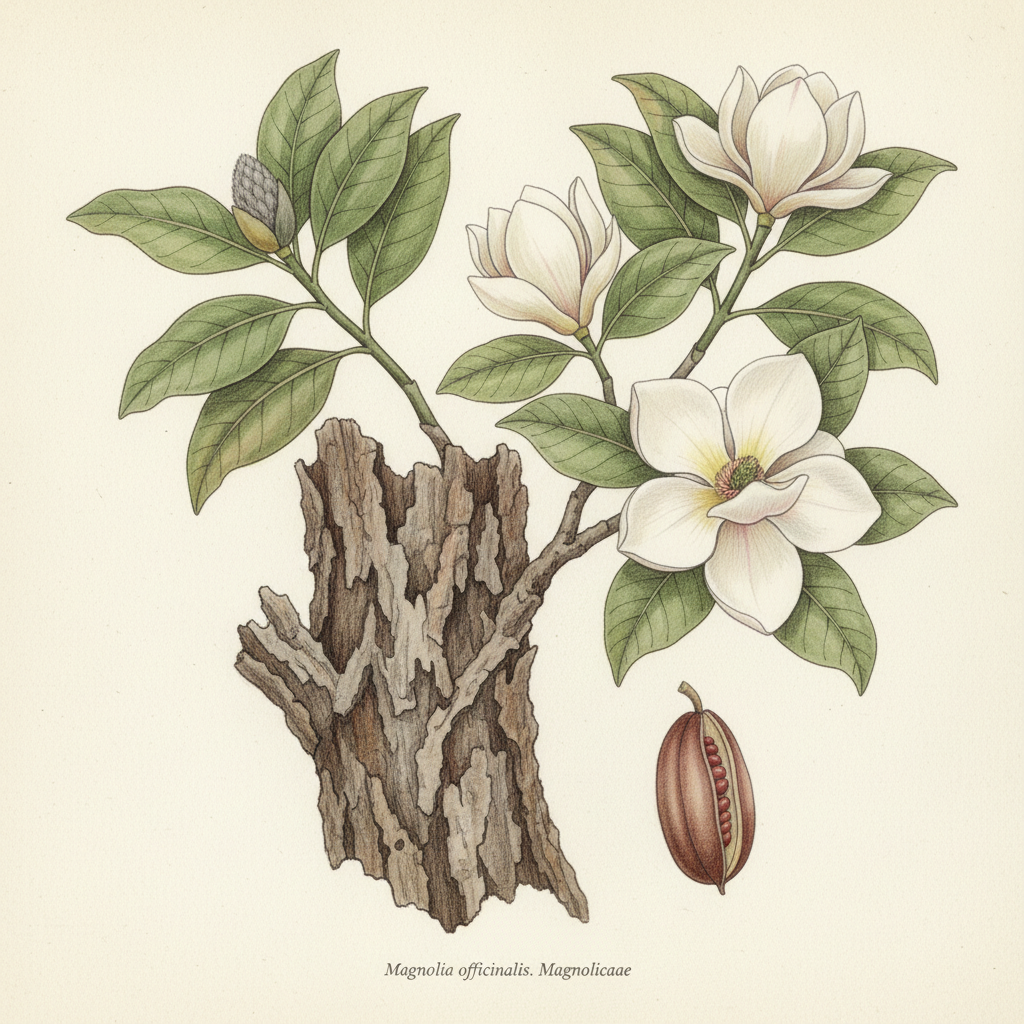
Magnolia

Magnolia

Magnolia officinalis

Stress Relief
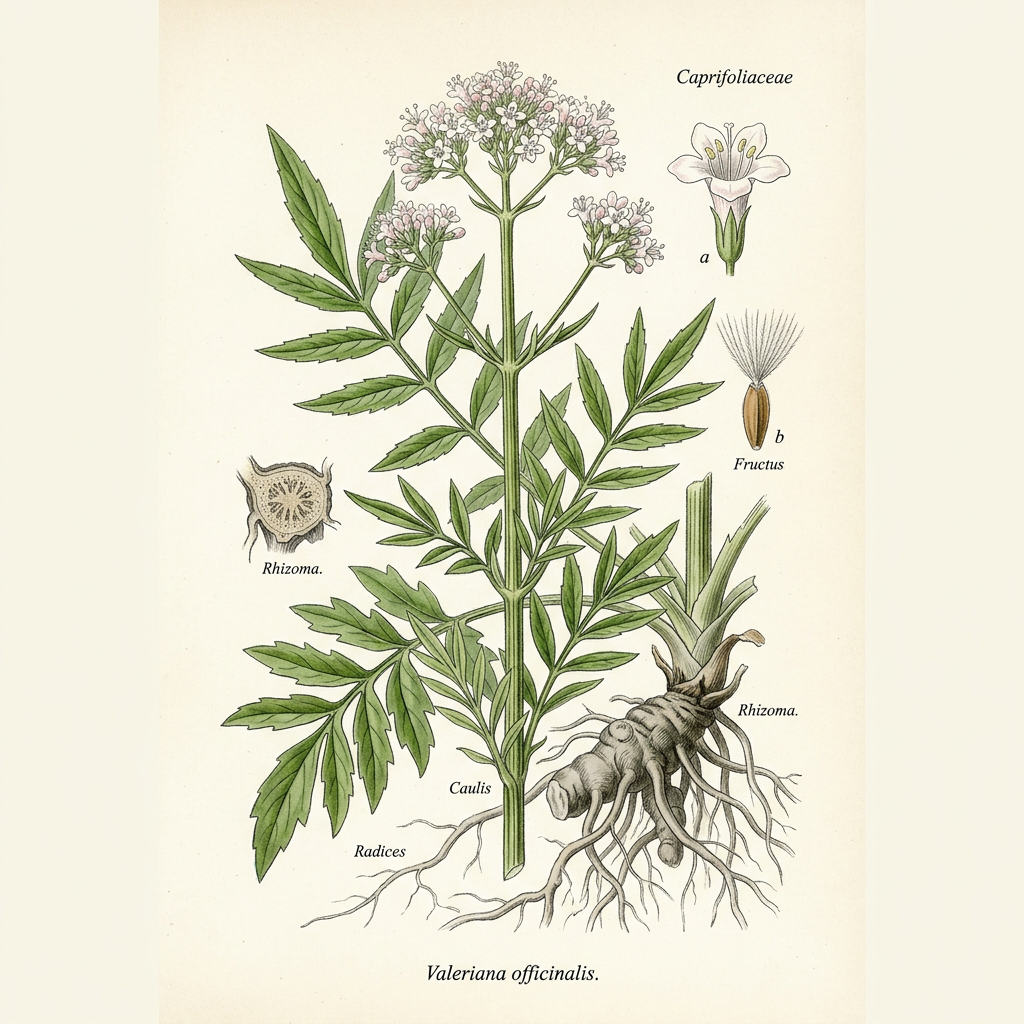
Valerian

Valerian

Valeriana officinalis

Sedation