The Wild Sage logo
The Wild Sage Logo

Herbal Medicine at your fingertips

Comprehensive database of herbal remedies with detailed safety information and traditional uses

New to herbal terms? Read the glossary →
ADHD
Abcess
Acid Reflux Relief
Acinetobacter
Acne
Acne Vulgaris
Addisons
Adenomyosis
Adenovirus
Adrenal fatigue
Aging
Aids
Alcaligenes faecalis
Alcoholism
Allergic Rhinitis
Allergies
Allergy
Alopoecia
Alopoecia nervosa
Alzheimer's, Dementia & Cognitive Decline
420 herbs found
Important: This information is for educational purposes only. Always consult with qualified healthcare professionals before using herbal remedies, especially if you have existing health conditions or take medications.
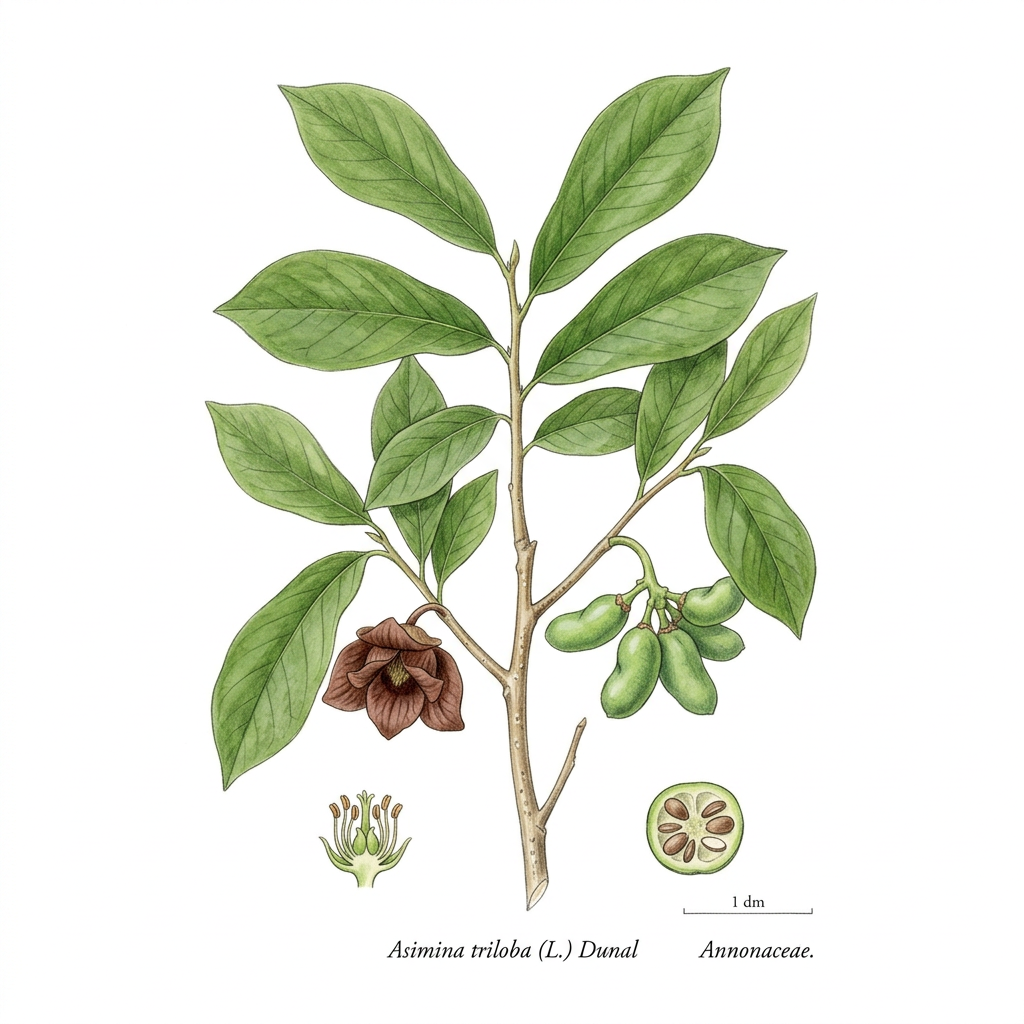
Paw paw

Paw paw

Asimina triloba

low risk Risk
Annonaceae
often associated with vitality and rejuvenation.
<p>Pawpaw, or Asimina triloba, is a deciduous tree native to the eastern United States, known for its large, custard-like fruit that resembles a tropical tropical fruit in taste and texture. Historically, Pawpaw has been utilized by Indigenous peoples for thousands of years, who recognized its nourishing properties and versatile use in traditional herbal medicine. The fruit, leaves, and bark have all been employed therapeutically, with the fruit being consumed for both its delightful flavor and health benefits, while the leaves and bark were once brewed into teas or tinctures for various medicinal applications. This versatile herb has re-gained popularity in recent years, as modern herbalists and health enthusiasts rediscover its potential. Pawpaw is recognized for its rich array of therapeutic properties, primarily functioning as an antioxidant and digestive aid. The fruit of the Pawpaw tree is packed with essential vitamins—such as Vitamin C, Vitamin A, and several B vitamins—alongside a unique profile of phytochemicals that contribute to its antioxidant action, helping to combat oxidative stress and inflammation within the body. Additionally, its gentle digestive benefits, attributed to its fiber content and natural enzymes, can alleviate gastrointestinal discomfort, enhance digestion, and promote overall gut health. Emerging research also indicates that certain compounds found in Pawpaw, specifically acetogenins, may possess anticancer properties, further enriching its profile as a holistic health tool. In terms of physiological function, Pawpaw’s benefits are multifaceted. Antioxidants combat free radicals, reactive molecules that can lead to cellular damage and accelerate aging processes, while improving overall health and vitality. The digestive support provided by Pawpaw aids in the breakdown and absorption of nutrients, thus enhancing digestive efficiency and gut flora balance. The incorporation of Pawpaw into the diet or as a supplement offers a natural approach to promote wellness, making it a notable addition to the repertoire of herbal remedies. Whether consumed in its delightful, ripe fruit form or utilized in herbal preparations, Pawpaw is a remarkable herbal ally deserving of recognition and respect in both traditional and modern herbal practices.</p>

Uses & Conditions

Nutritional Support
Digestive Support
Dyspepsia
Irritable Bowel Syndrome
Oxidative Stress
Metabolic Syndrome
Chronic Fatigue

Actions

Antioxidant
Digestive Aid

Parts Used

Fruit
Leaf
Bark

Native Countries

North America

USDA Hardiness Zones

USDA 5-9

Contraindications

  • Pregnancy and breastfeeding
  • Parkinson's disease or movement disorders
  • History of neurological or neurodegenerative disorders
  • Two weeks prior to elective surgery

Potential Side Effects

  • Nausea or gastrointestinal upset
  • Dermatitis from skin contact with sap or crushed leaves
  • Neurological irritability with chronic
  • high-dose ingestion

Interactions

  • Antineoplastic agents
  • Dopaminergic drugs
  • Prescription medicines due to lack of human clinical data

Dosages, tincture ratios & research — members only

Unlock Garreth's dosing guidance, tincture ratios, the dosage calculator and the research studies for Paw paw.

Your assessment and results stay saved — upgrading only unlocks more of them.

See membership plans

Community Photos

No community photos yet. Sign in to upload photos.

Reviews & Ratings

Sign in to leave a review.

No reviews yet. Be the first!

GF

Garreth Falls — B.Th., Dip. H.M., MNIMH

Content curated and reviewed by Garreth Falls, Consultant Medical Herbalist · The Wild Sage

Medical Disclaimer: This information is for educational purposes only and is not intended as medical advice. Always consult with qualified healthcare professionals before starting any herbal treatment.
Western tradition

Sustainability & quality

Cultivated

Limited commercial use; generally found in forest garden setups, prioritize ethical, small-scale cultivated sources.

Key constituents

Annonaceous acetogenins, Asimin, Annonin, Vitamin C, Vitamin A, B-complex vitamins, Phenolic antioxidants, Dietary fibre

References

  1. Herbal Reality. Herb monographs. herbalreality.com

Reviewed by Garreth, Medical Herbalist (MNIMH) · November 2026

Related conditions

Explore conditions where Paw paw is traditionally used.

Related Herbs
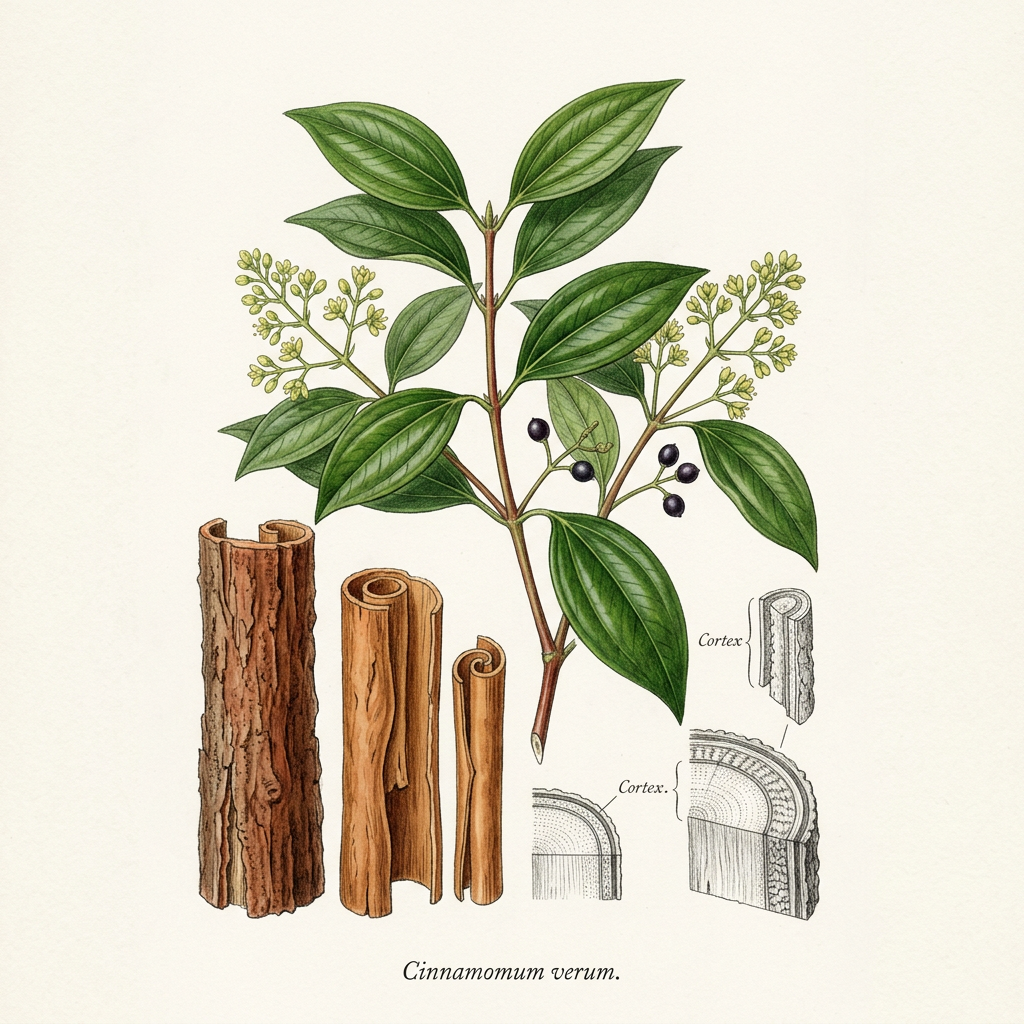
Cinnamomum verum

Cinnamomum verum
Cinnamomum verum

Digestive Support
Aloe Vera

Aloe Vera

Aloe vera

Digestive Support
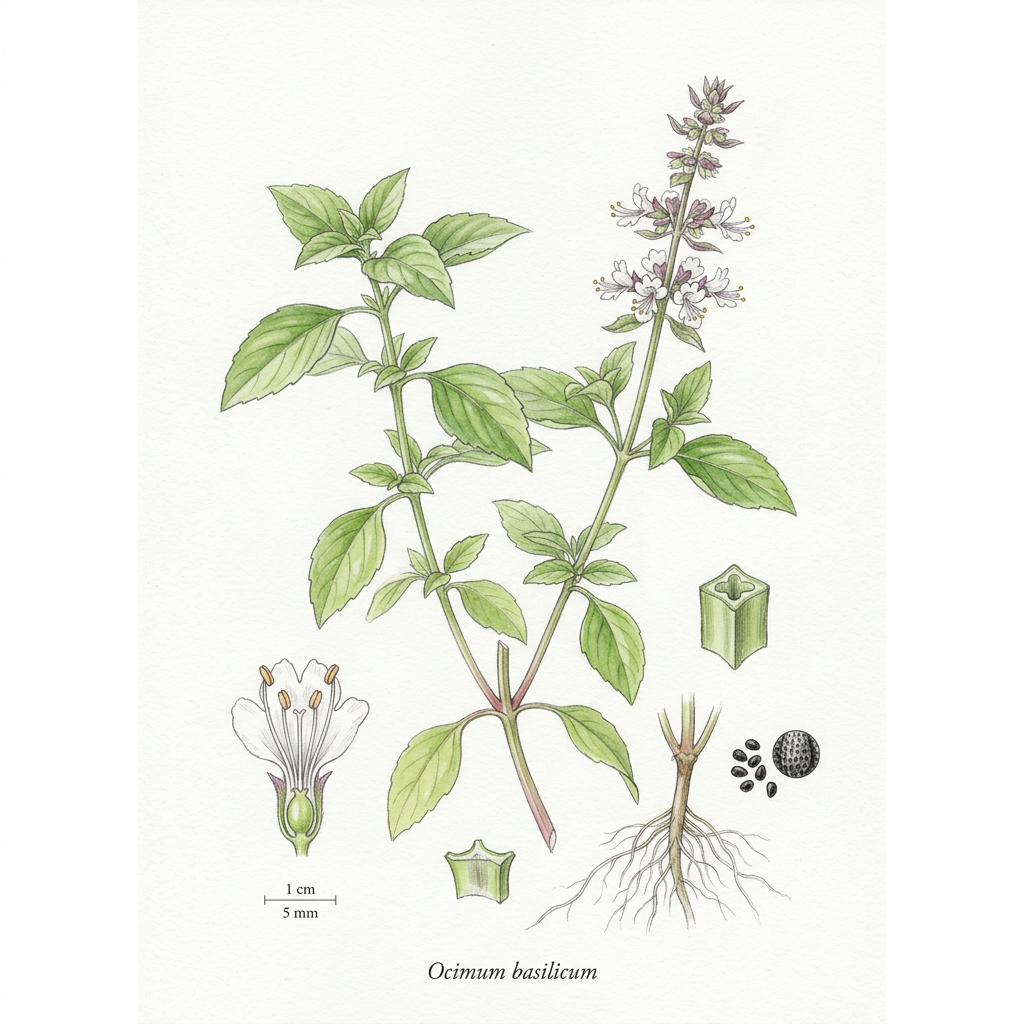
Basil

Basil

Ocimum basilicum

Convalescence
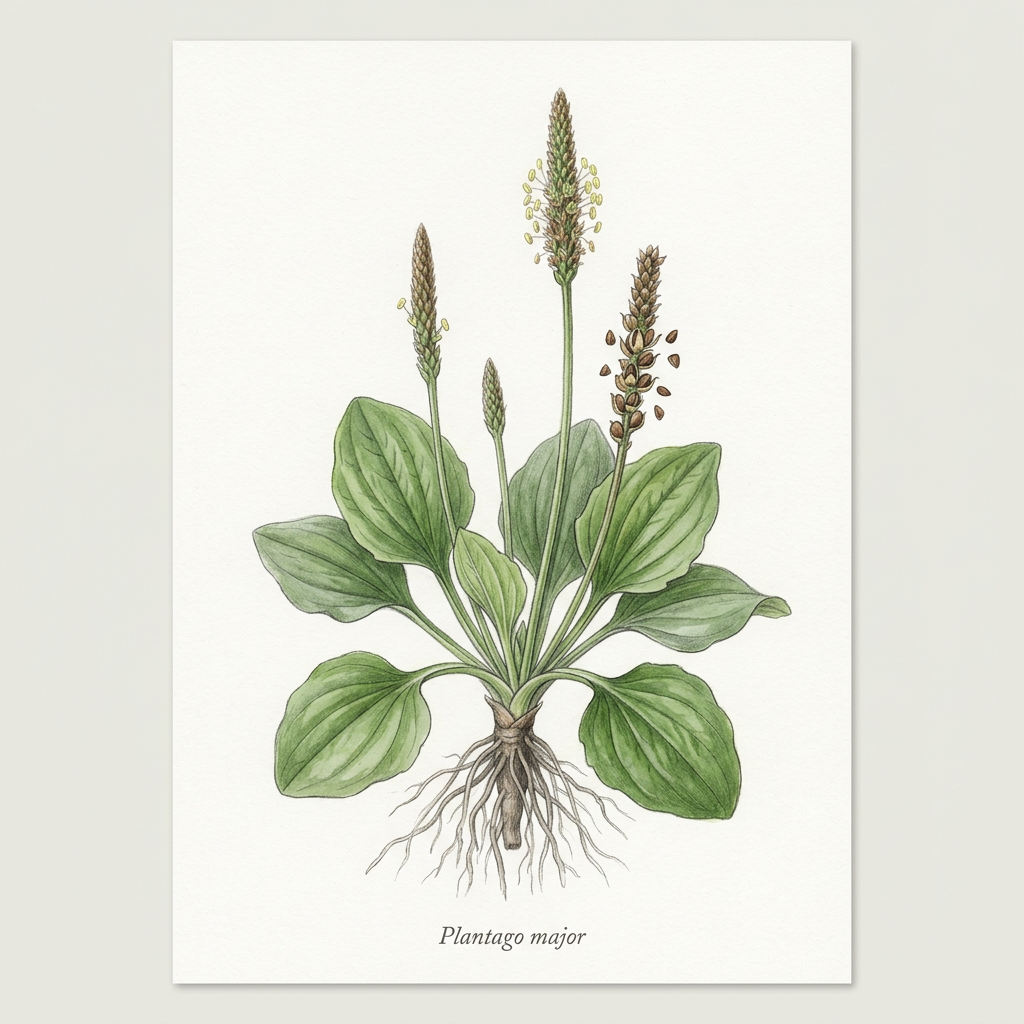
Plantain

Plantain

Plantago major

Lung Support