The Wild Sage logo
The Wild Sage Logo

Herbal Medicine at your fingertips

Comprehensive database of herbal remedies with detailed safety information and traditional uses

New to herbal terms? Read the glossary →
ADHD
Abcess
Acid Reflux Relief
Acinetobacter
Acne
Acne Vulgaris
Addisons
Adenomyosis
Adenovirus
Adrenal fatigue
Aging
Aids
Alcaligenes faecalis
Alcoholism
Allergic Rhinitis
Allergies
Allergy
Alopoecia
Alopoecia nervosa
Alzheimer's, Dementia & Cognitive Decline
420 herbs found
Important: This information is for educational purposes only. Always consult with qualified healthcare professionals before using herbal remedies, especially if you have existing health conditions or take medications.
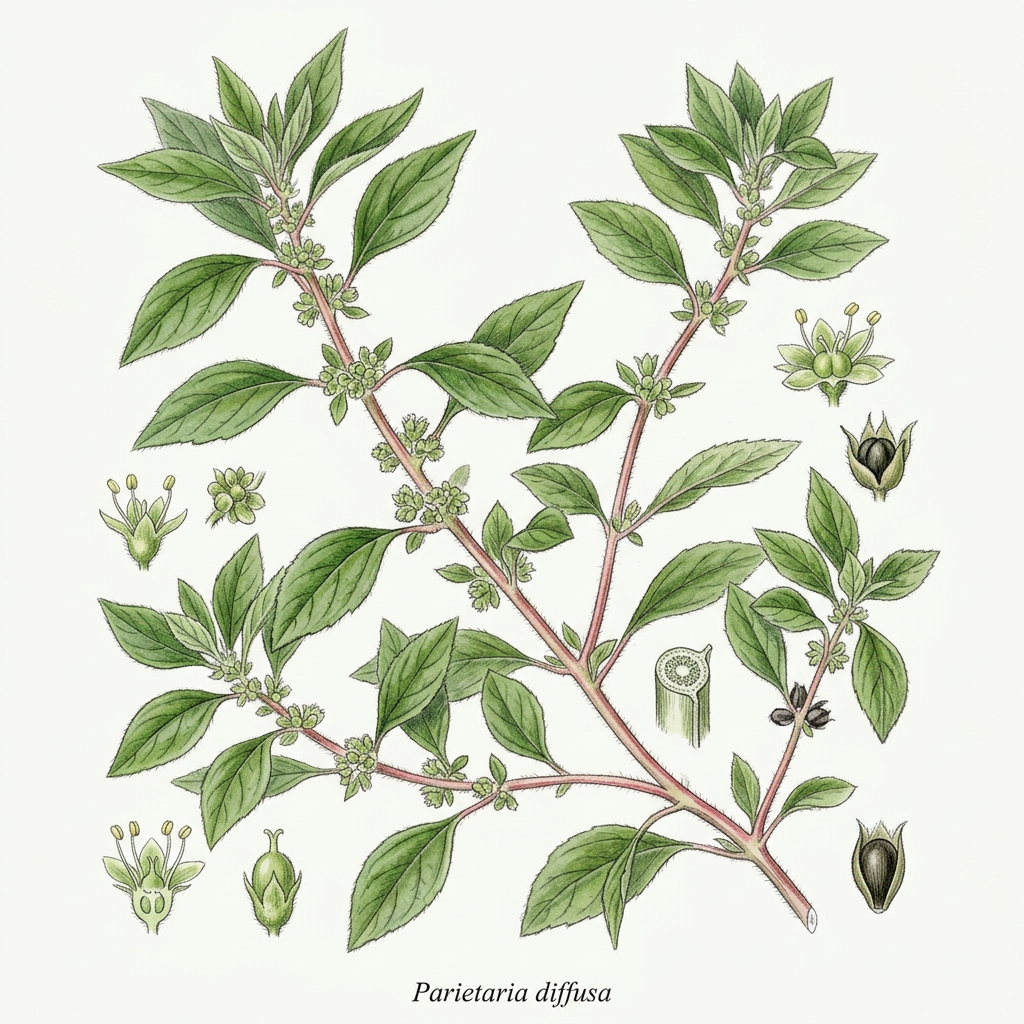
Pellitory of the wall

Pellitory of the wall

Parietaria diffusa

low risk Risk
Urticaceae
bitter and warming
<p>Pellitory of the Wall (Parietaria diffusa), known for its resilience in growing in urban environments, is a perennial herb belonging to the Urticaceae family. Traditionally, this herb has been acknowledged in various folk medicine systems, particularly in Europe, where it has been utilized for centuries to address a range of ailments. Historically, herbalists valued Pellitory of the Wall for its applications in treating respiratory conditions, skin irritations, and allergy symptoms, particularly in individuals sensitive to pollen and dust. Its tenacity in thriving in wall crevices symbolizes its impressive adaptability, mirroring the robust nature of its therapeutic properties. The primary therapeutic actions of Pellitory of the Wall are attributed to its anti-allergenic and anti-inflammatory properties, making it an invaluable asset in herbal medicine. It is effectively employed to relieve symptoms associated with seasonal allergies, such as nasal congestion and sneezing, by acting as a natural antihistamine. Furthermore, its anti-inflammatory effects not only alleviate respiratory issues but also support skin health, addressing conditions like dermatitis and eczema. Additionally, this herb has been recognized for its diuretic properties, promoting kidney function and aiding in the elimination of toxins from the body. The bioactive compounds within Pellitory of the Wall engage various physiological pathways, influencing histamine release and mitigating inflammatory responses. By reducing the production of pro-inflammatory cytokines, this herb may create a more balanced immune response, particularly in allergic reactions. Furthermore, its mild diuretic action helps increase urine output, supporting renal health and ensuring that the body efficiently expels waste. With its rich historical background and a growing body of contemporary research supporting its efficacy, Pellitory of the Wall remains a compelling subject of interest for both herbal practitioners and those seeking natural wellness solutions.</p>

Uses & Conditions

Renal Health
Respiratory Support
Toxin Elimination
Allergic Rhinitis
Allergy
Asthma
Burns
Candida
Chronic Sinusitis
Cystitis
Digestive Disorders
Inflammatory Bowel Disease
Reactive Airway Disease
Skin Irritations
Urinary Calculi
Urinary Tract Infection

Actions

Anti-allergenic
Anti-inflammatory
NFkB Inhibitor
TNF-a Reduction

Parts Used

Aerial parts.

Native Countries

Europe
mediterranean

USDA Hardiness Zones

USDA 3-7

Contraindications

  • Pregnancy: insufficient evidence regarding safety for uterine stimulation
  • Breastfeeding: lack of clinical data on excretion into breast milk
  • Severe renal impairment: diuretics should only be used under specialist supervision
  • Pollen allergies: potential for cross-reactivity in patients highly sensitive to Urticaceae family pollens
  • Preparation for elective surgery: discontinue use two weeks prior to avoid interaction with anaesthesia

Potential Side Effects

  • Mild gastrointestinal irritation
  • Potential allergic contact dermatitis in sensitive individuals
  • Increased frequency of micturition due to diuretic effect

Interactions

  • Diuretics: potential additive effect leading to electrolyte imbalance
  • Antihypertensive medication: possible potentiation of blood pressure lowering effects
  • Lithium: diuretic action may alter lithium excretion and serum levels
  • Warfarin or antiplatelet drugs: theoretical risk due to potential impact on blood coagulation pathways

Dosages, tincture ratios & research — members only

Unlock Garreth's dosing guidance, tincture ratios, the dosage calculator and the research studies for Pellitory of the wall.

Your assessment and results stay saved — upgrading only unlocks more of them.

See membership plans

Community Photos

No community photos yet. Sign in to upload photos.

Reviews & Ratings

Sign in to leave a review.

No reviews yet. Be the first!

GF

Garreth Falls — B.Th., Dip. H.M., MNIMH

Content curated and reviewed by Garreth Falls, Consultant Medical Herbalist · The Wild Sage

Medical Disclaimer: This information is for educational purposes only and is not intended as medical advice. Always consult with qualified healthcare professionals before starting any herbal treatment.
Western tradition

Sustainability & quality

Abundant

Commonly found in hedgerows and on old walls across the UK. It is a prolific weed and easily foraged in clean, non-polluted environments.

Key constituents

Flavonoids, Tannins, Potassium salts, Mucilage, Calcium oxalate, Bitter principles

References

  1. British Herbal Pharmacopoeia 1983
  2. Herbal Reality. Herb monographs. herbalreality.com

Reviewed by Garreth, Medical Herbalist (MNIMH) · November 2026

Related conditions

Explore conditions where Pellitory of the wall is traditionally used.

Related Herbs
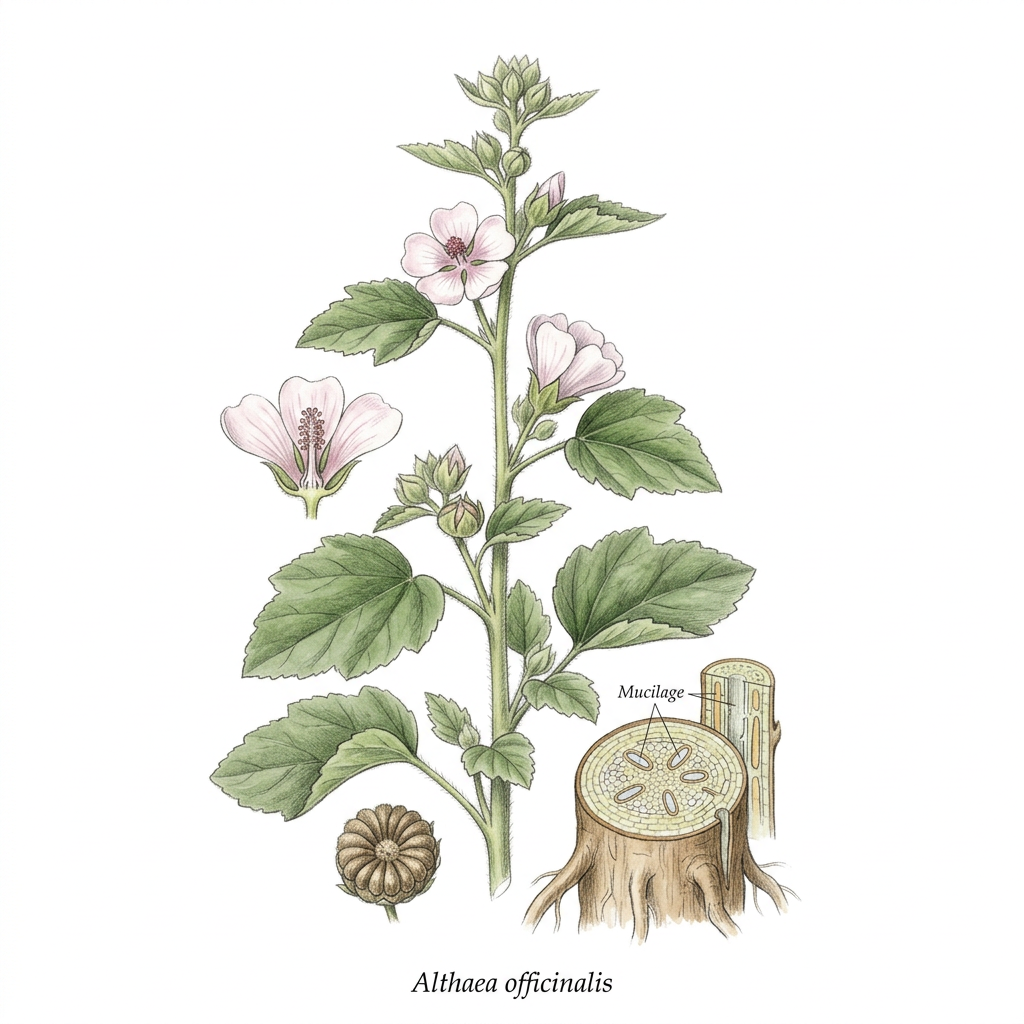
Marshmallow

Marshmallow

Althaea officinalis

Digestive Aid
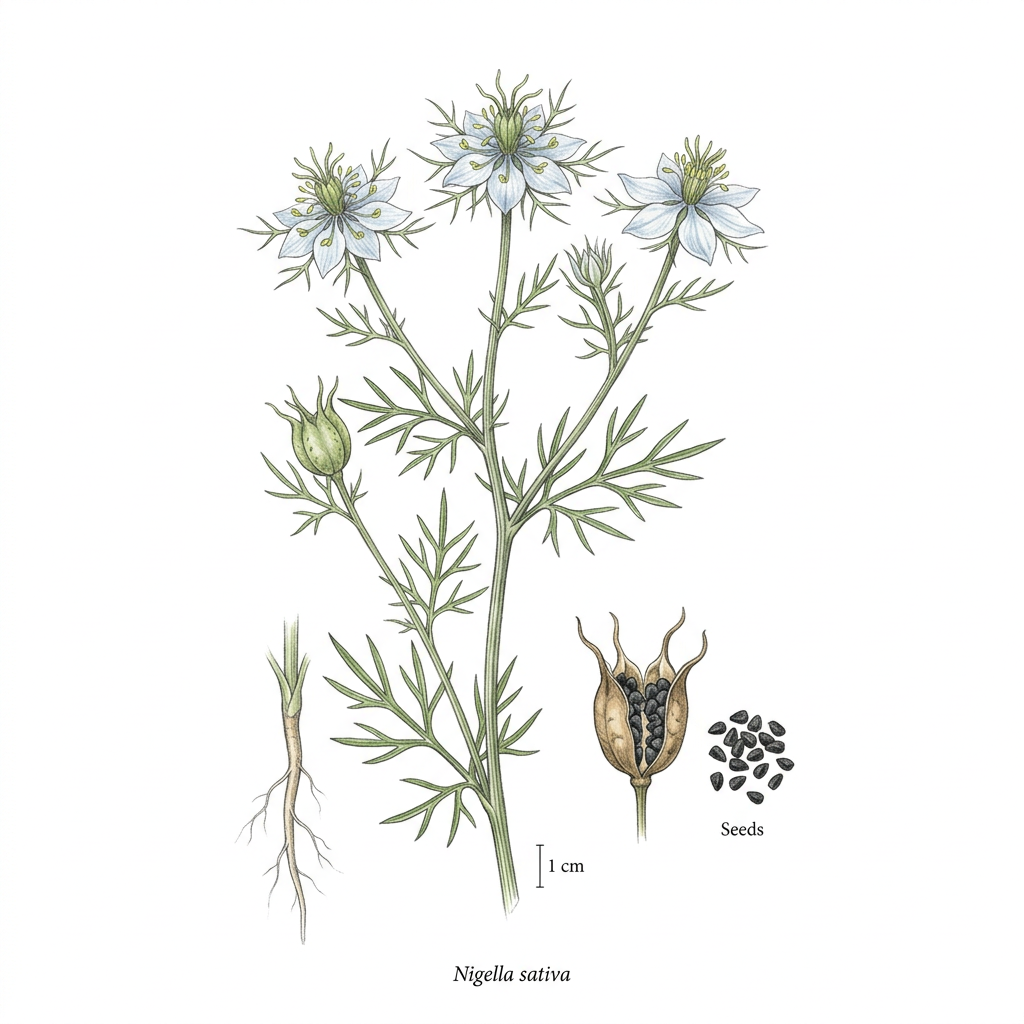
Black Cumin Seed

Black Cumin Seed

Nigella sativa

Antioxidant Support
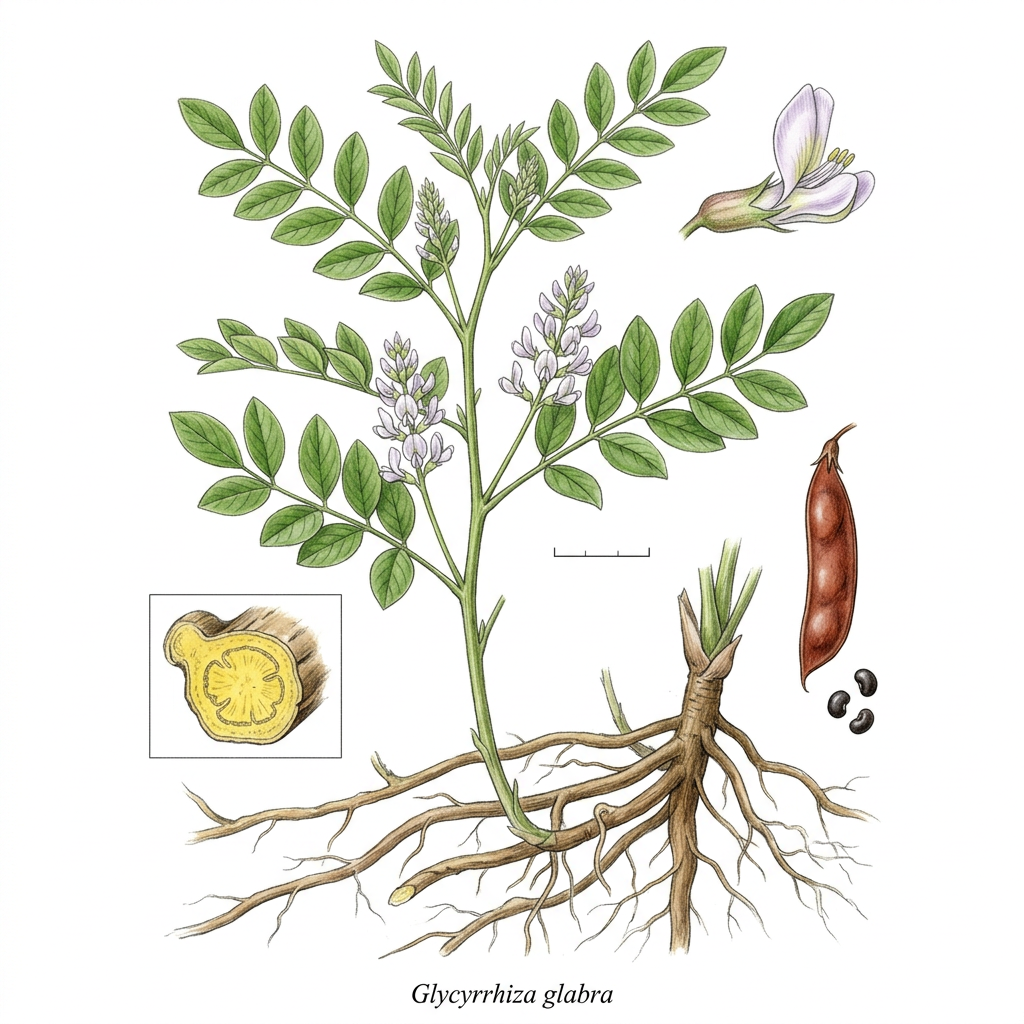
Licorice

Licorice

Glycyrrhiza glabra

Adrenal support
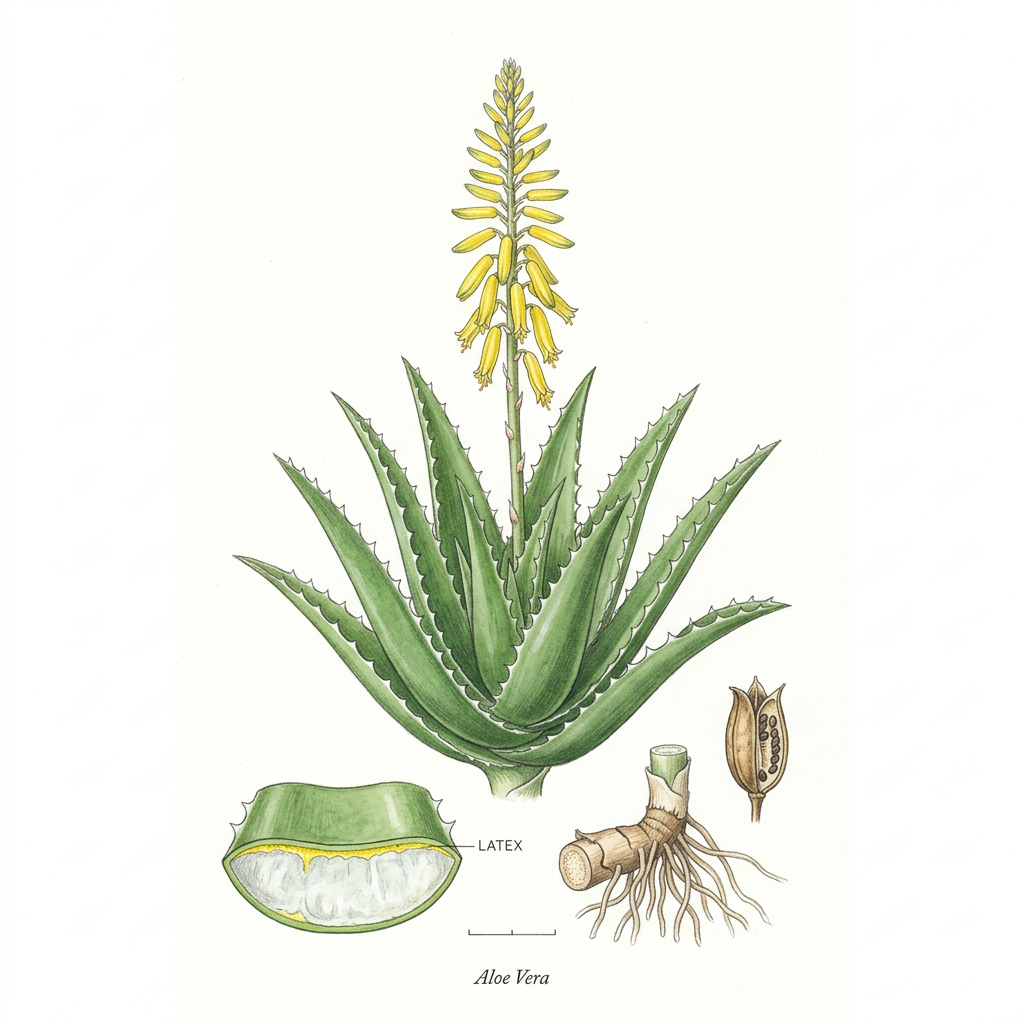
Aloe Vera

Aloe Vera

Aloe vera

Digestive Support