The Wild Sage logo
The Wild Sage Logo

Herbal Medicine at your fingertips

Comprehensive database of herbal remedies with detailed safety information and traditional uses

New to herbal terms? Read the glossary →
ADHD
Abcess
Acid Reflux Relief
Acinetobacter
Acne
Acne Vulgaris
Addisons
Adenomyosis
Adenovirus
Adrenal fatigue
Aging
Aids
Alcaligenes faecalis
Alcoholism
Allergic Rhinitis
Allergies
Allergy
Alopoecia
Alopoecia nervosa
Alzheimer's, Dementia & Cognitive Decline
420 herbs found
Important: This information is for educational purposes only. Always consult with qualified healthcare professionals before using herbal remedies, especially if you have existing health conditions or take medications.
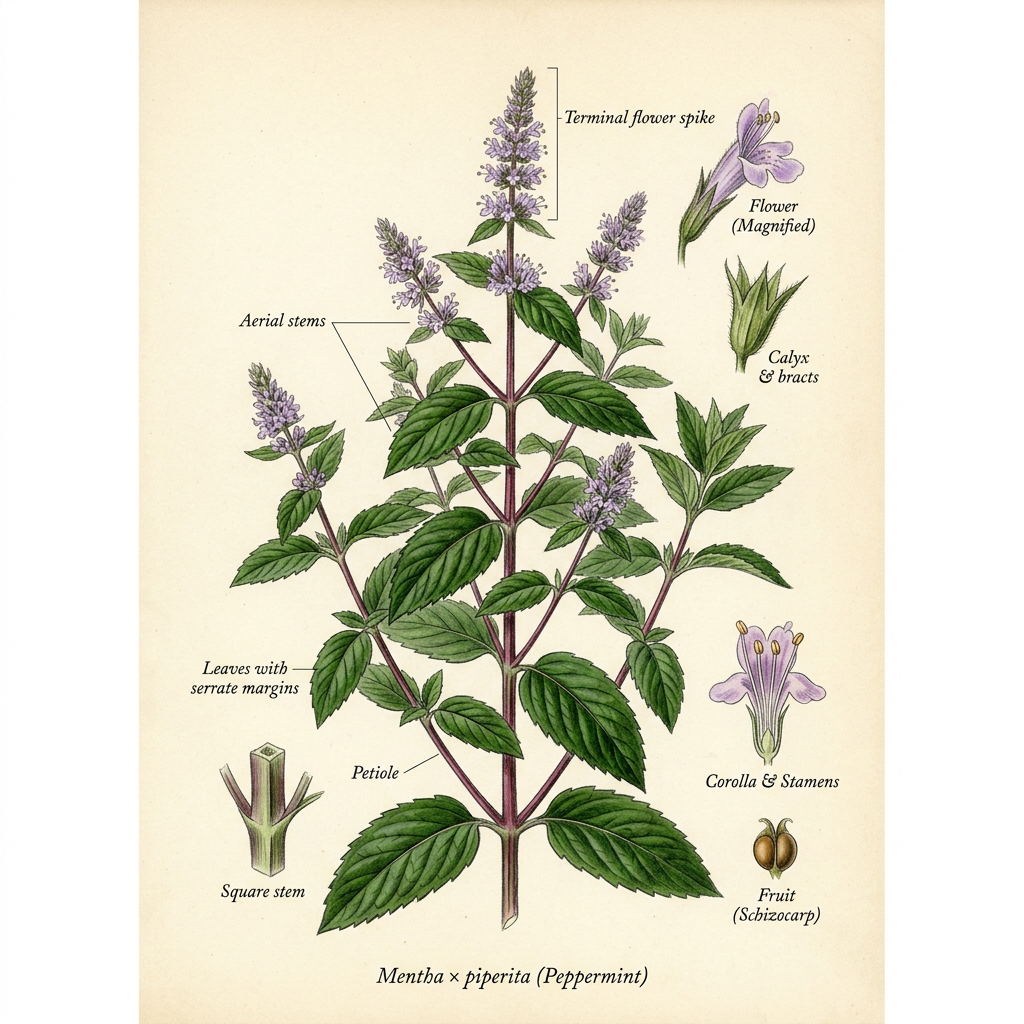
Peppermint

Peppermint

Mentha x piperita

low risk Risk
Lamiaceae
Energizing, uplifting, refreshing; helps clear the mind and enhance focus.
<p>**Herb Name:** Peppermint **Scientific Name:** Mentha x piperita Peppermint, scientifically known as Mentha x piperita, is a hybrid herb that has been cherished for centuries not only for its invigorating aroma but also for its impressive array of therapeutic benefits. Traditionally used in ancient Greece and Rome, peppermint was a symbol of hospitality and was often employed in various culinary and medicinal applications. Over time, cultures around the world recognized its value, utilizing its essential oil and leaves to enhance digestive health, soothe ailments, and promote overall wellness. Its versatile nature made it a staple in both herbal medicine and cuisine, reflecting a long-standing relationship between humans and this aromatic herb. The therapeutic properties of peppermint are largely attributed to its high menthol content, which imparts the herb's characteristic cooling sensation and contributes to its effectiveness as a digestive aid. Peppermint is renowned for alleviating common gastrointestinal issues such as nausea, indigestion, and symptoms associated with Irritable Bowel Syndrome (IBS). Its antispasmodic effects relax the smooth muscles of the gastrointestinal tract, easing discomfort and promoting bile flow, which can enhance digestion and alleviate feelings of fullness. Moreover, peppermint's ability to address nausea makes it a go-to remedy for motion sickness and morning sickness during pregnancy. When consumed, peppermint engages various receptors in the digestive system, yielding a multifaceted approach to health. The menthol compounds stimulate the production of digestive juices, while their analgesic properties can reduce abdominal cramps and bloating. Additionally, peppermint has demonstrated potential in promoting mental clarity and relieving stress, which can be vital for optimal digestion, as emotional factors often contribute to gastrointestinal distress. With its harmonious blend of flavor and function, peppermint continues to be a valuable ally in both traditional herbal practices and modern wellness approaches, solidifying its place as a perennial favorite in herbal medicine.</p>

Uses & Conditions

Digestive Aid
Irritable Bowel Syndrome
Tension-Type Headache
Nausea
Common Cold
Herpes Simplex Virus
Anxiety
Colic
Dyspepsia
Motion Sickness
Morning Sickness
Congestion
Abdominal Pain
Bloating
Acid Reflux
Catarrhal States

Actions

Anxiolytic
Carminative
Anti-bacterial
Anti-herpetic
Anti-inflammatory

Parts Used

Aerial

Native Countries

Europe
Asia
mediterranean

USDA Hardiness Zones

USDA 3-11

Preparations & Dosage

  • Infusion: 3-6 g of dried material in one cup of boiling water, infuse for 10-15 minutes
  • Tincture: 1:5, 45% ethanol, 1-3 ml three times daily

Maximum weekly dose: 63 ml

Contraindications

  • Avoid in infants
  • Avoid concentrated essential oil during pregnancy
  • Use cautiously in individuals with epilepsy

Potential Side Effects

  • May exacerbate acid reflux symptoms
  • Potential digestive discomfort in sensitive individuals

Dosage Calculator

Community Photos

No community photos yet. Sign in to upload photos.

Reviews & Ratings

Sign in to leave a review.

No reviews yet. Be the first!

GF

Garreth Falls — B.Th., Dip. H.M., MNIMH

Content curated and reviewed by Garreth Falls, Consultant Medical Herbalist · The Wild Sage

Medical Disclaimer: This information is for educational purposes only and is not intended as medical advice. Always consult with qualified healthcare professionals before starting any herbal treatment.
Western tradition

Sustainability & quality

Cultivated

Exclusively a cultivated crop. Ensure high-quality leaf harvesting to avoid oxidation and loss of essential oils.

Key constituents

Anti-inflammatory, Antioxidant, Essential oil, Terpenes, Phellandrene, Carvone, Menthol

References

  1. Bone & Mills "Principles and Practice of Phytotherapy" 2nd ed. 2013
  2. ESCOP Monographs 2nd ed. 2003
  3. EMA/HMPC Community Herbal Monograph

Reviewed by Garreth, Medical Herbalist (MNIMH) · November 2026

Related conditions

Explore conditions where Peppermint is traditionally used.

Related Herbs
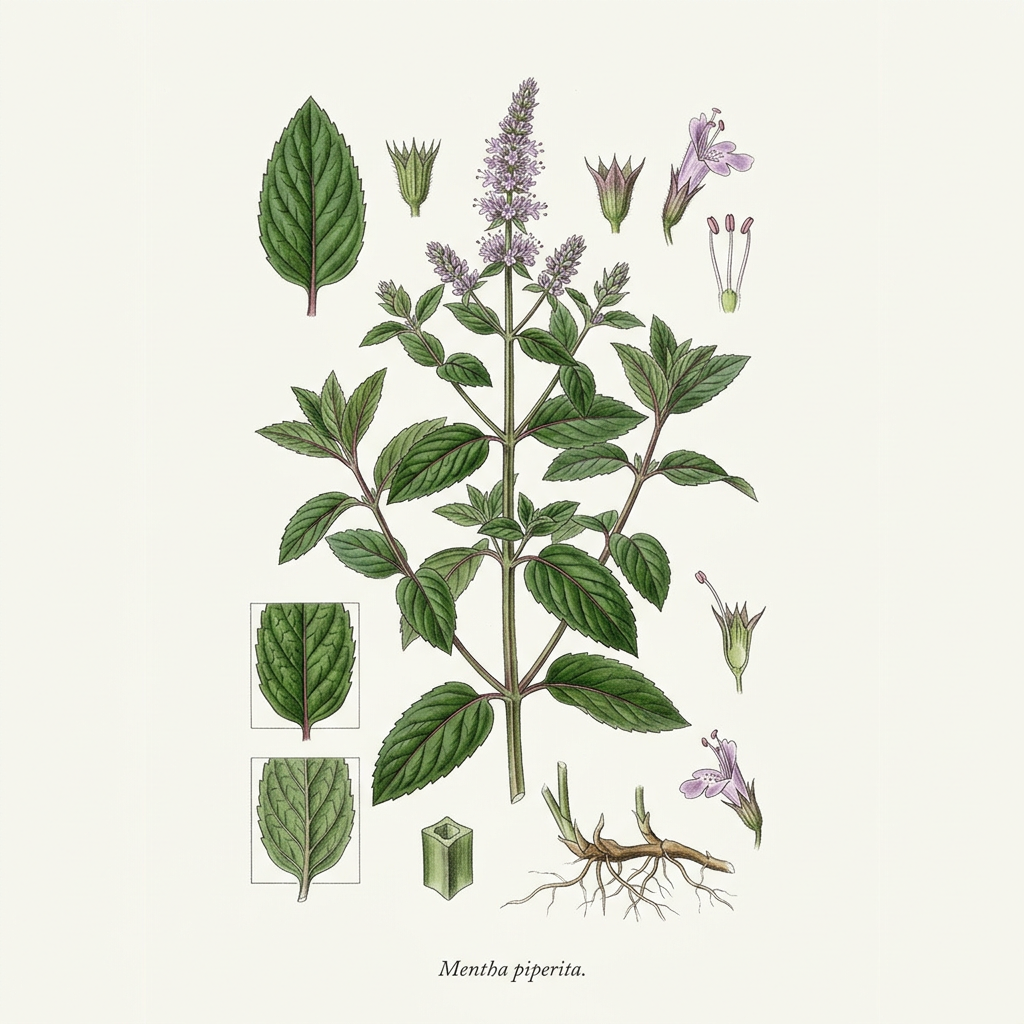
Mentha piperita

Mentha piperita
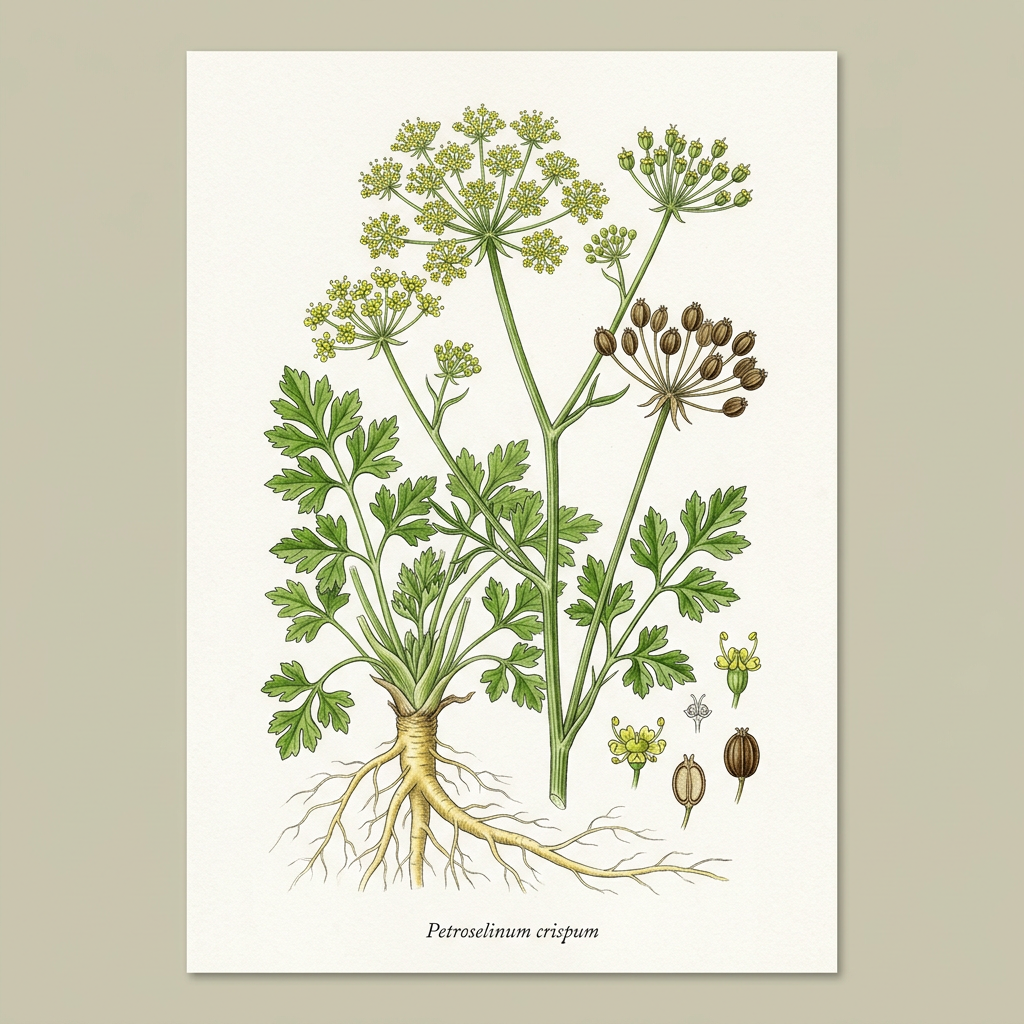
Mentha piperita

Digestive Aid
Parsley

Parsley

Petroselinum crispum

Digestive Aid
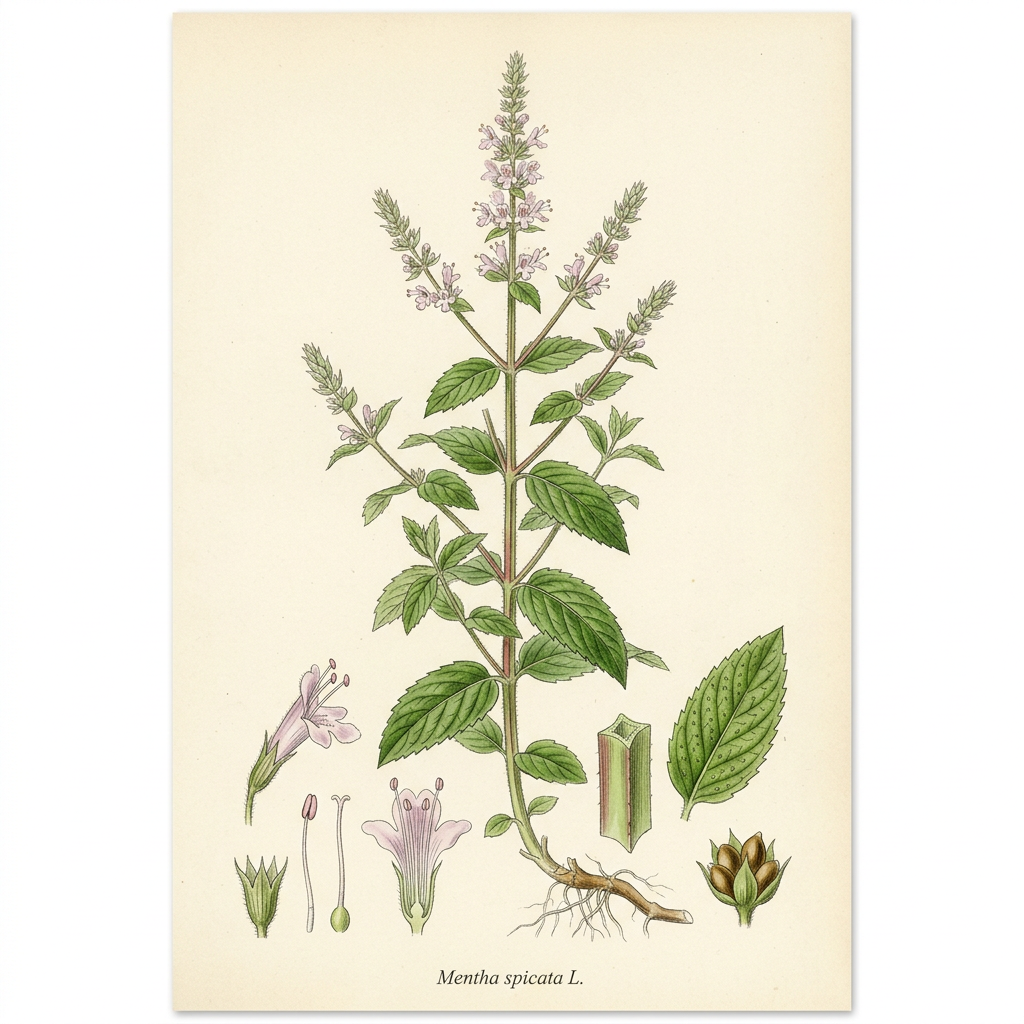
Spearmint

Spearmint

Mentha spicata

Digestive Aid
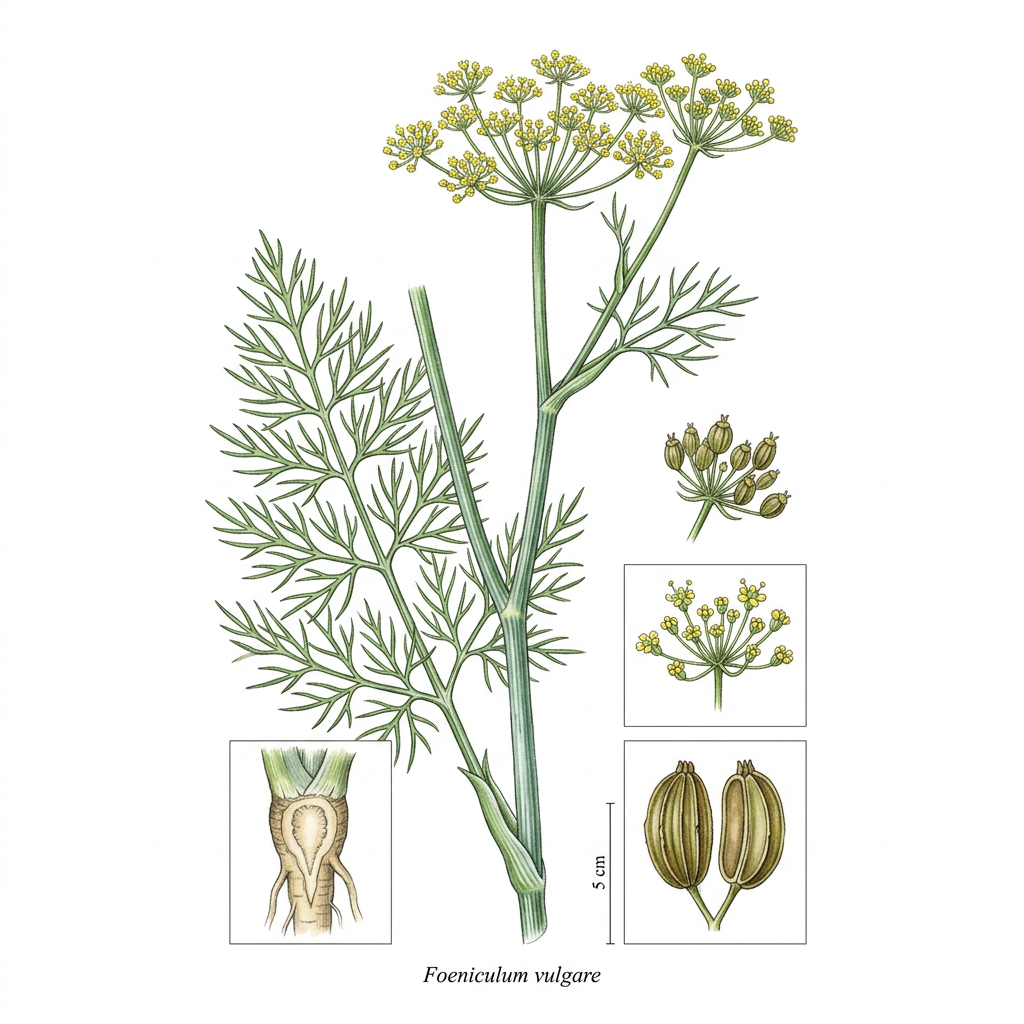
Fennel

Fennel

Foeniculum vulgare

Digestive Aid