The Wild Sage logo
The Wild Sage Logo

Herbal Medicine at your fingertips

Comprehensive database of herbal remedies with detailed safety information and traditional uses

New to herbal terms? Read the glossary →
ADHD
Abcess
Acid Reflux Relief
Acinetobacter
Acne
Acne Vulgaris
Addisons
Adenomyosis
Adenovirus
Adrenal fatigue
Aging
Aids
Alcaligenes faecalis
Alcoholism
Allergic Rhinitis
Allergies
Allergy
Alopoecia
Alopoecia nervosa
Alzheimer's, Dementia & Cognitive Decline
420 herbs found
Important: This information is for educational purposes only. Always consult with qualified healthcare professionals before using herbal remedies, especially if you have existing health conditions or take medications.
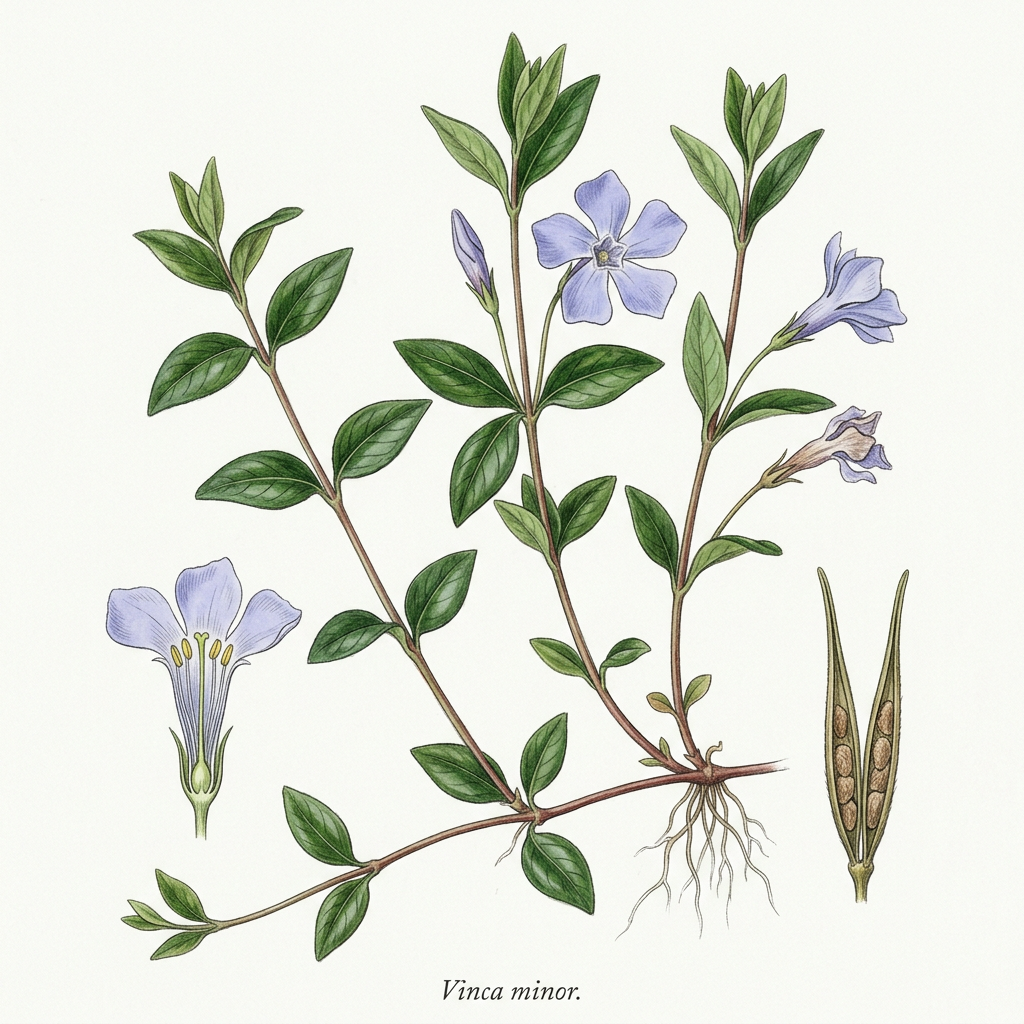
Periwinkle

Periwinkle

Vinca minor

low risk Risk
Apocynaceae
Supports cognitive function and enhances memory, promoting mental sharpness and clarity.
<p>Periwinkle, scientifically known as Vinca minor, is a perennial herbaceous plant belonging to the Apocynaceae family. This evergreen plant, characterized by its glossy green leaves and beautiful, star-shaped violet flowers, has a longstanding reputation in traditional herbal medicine. Historically, various cultures have utilized periwinkle for its medicinal properties; it features prominently in ancient folk remedies across Europe, where it was often employed for its calming effects and to address circulatory issues. In traditional systems of medicine, such as Ayurveda and Western herbalism, periwinkle is revered for its ability to support cognitive function and promote overall well-being. The therapeutic potential of periwinkle is largely attributed to its unique phytochemical composition, which includes vincamine, an alkaloid known for its various health benefits. This herb exhibits notable antioxidant properties, effectively neutralizing free radicals that contribute to oxidative stress and cellular damage. Moreover, periwinkle has garnered attention for its ability to enhance cognitive function, particularly in relation to memory and concentration. Its mechanisms of action involve the improvement of blood flow to the brain, attributed to its vasodilatory effects, which can help to increase the delivery of oxygen and nutrients to neural tissues. The herb may also assist in regulating neurotransmitter activity, leading to potential benefits in mood and mental clarity. In the body, periwinkle works primarily by supporting vascular health and improving cerebral circulation. The active compounds within the plant facilitate the dilation of blood vessels, enhancing blood flow not only to the brain but throughout the body, thus promoting overall cognitive vitality. Additionally, the herb's antioxidant effects play a protective role against neurodegenerative processes, making it a valuable ally in maintaining cognitive health as we age. Overall, periwinkle stands out as a versatile herb, combining traditional wisdom with modern scientific understanding, making it a compelling choice for those seeking natural support for cognitive well-being and overall vitality.</p>

Uses & Conditions

Cognitive Support
Memory Improvement
Mood Enhancement
Mental Clarity
Stress Reduction
Cellular Protection
Meniere’s Disease
Leukocytopenia
Cancer
Hypertension
Stroke
Glaucoma
Head Trauma
Atherosclerosis

Actions

Antioxidant
Astringent
Cerebral Circulatory Stimulant
Anti-cancer

Parts Used

Aerial parts

Native Countries

Europe

USDA Hardiness Zones

USDA 3-8

Contraindications

  • Known suppression of the immune system
  • History of leukocytopenia
  • History of lymphocytopenia
  • Low alpha-2 and gamma-globulin levels

Potential Side Effects

  • Gastrointestinal upset including nausea
  • diarrhoea
  • or abdominal cramping
  • Hypotension leading to dizziness
  • lightheadedness
  • or fainting
  • Mild skin irritation or dermatitis upon topical contact with fresh sap

Interactions

  • Antihypertensive medication: may potentiate hypotensive effects
  • Anticoagulant and antiplatelet drugs: theoretical risk of increased bleeding
  • Antiarrhythmic drugs: potential for additive effects on cardiac rhythm
  • CNS depressants: may enhance sedative effects

Dosages, tincture ratios & research — members only

Unlock Garreth's dosing guidance, tincture ratios, the dosage calculator and the research studies for Periwinkle.

Your assessment and results stay saved — upgrading only unlocks more of them.

See membership plans

Community Photos

No community photos yet. Sign in to upload photos.

Reviews & Ratings

Sign in to leave a review.

No reviews yet. Be the first!

GF

Garreth Falls — B.Th., Dip. H.M., MNIMH

Content curated and reviewed by Garreth Falls, Consultant Medical Herbalist · The Wild Sage

Medical Disclaimer: This information is for educational purposes only and is not intended as medical advice. Always consult with qualified healthcare professionals before starting any herbal treatment.
Western tradition

Sustainability & quality

Cultivated

Mainly grown for pharmacological use; ensure high quality control in extraction processes.

Key constituents

Indole alkaloids (vincamine), Vincine, Vincaminine, Tannins, Flavonoids, Phenolic acids

References

  1. British Herbal Pharmacopoeia 1983
  2. Herbal Reality. Herb monographs. herbalreality.com

Reviewed by Garreth, Medical Herbalist (MNIMH) · November 2026

Related conditions

Explore conditions where Periwinkle is traditionally used.

Related Herbs
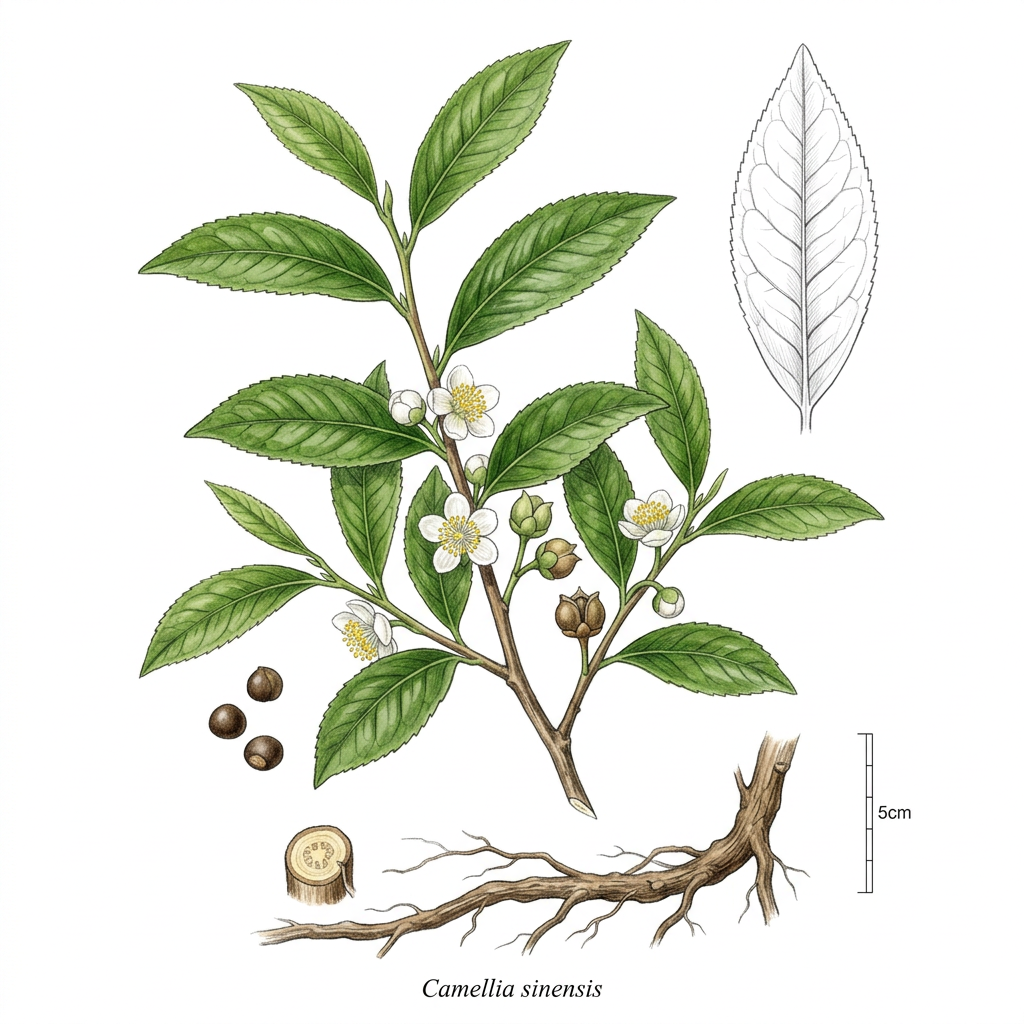
Green Tea

Green Tea

Camellia sinensis

Hypertension
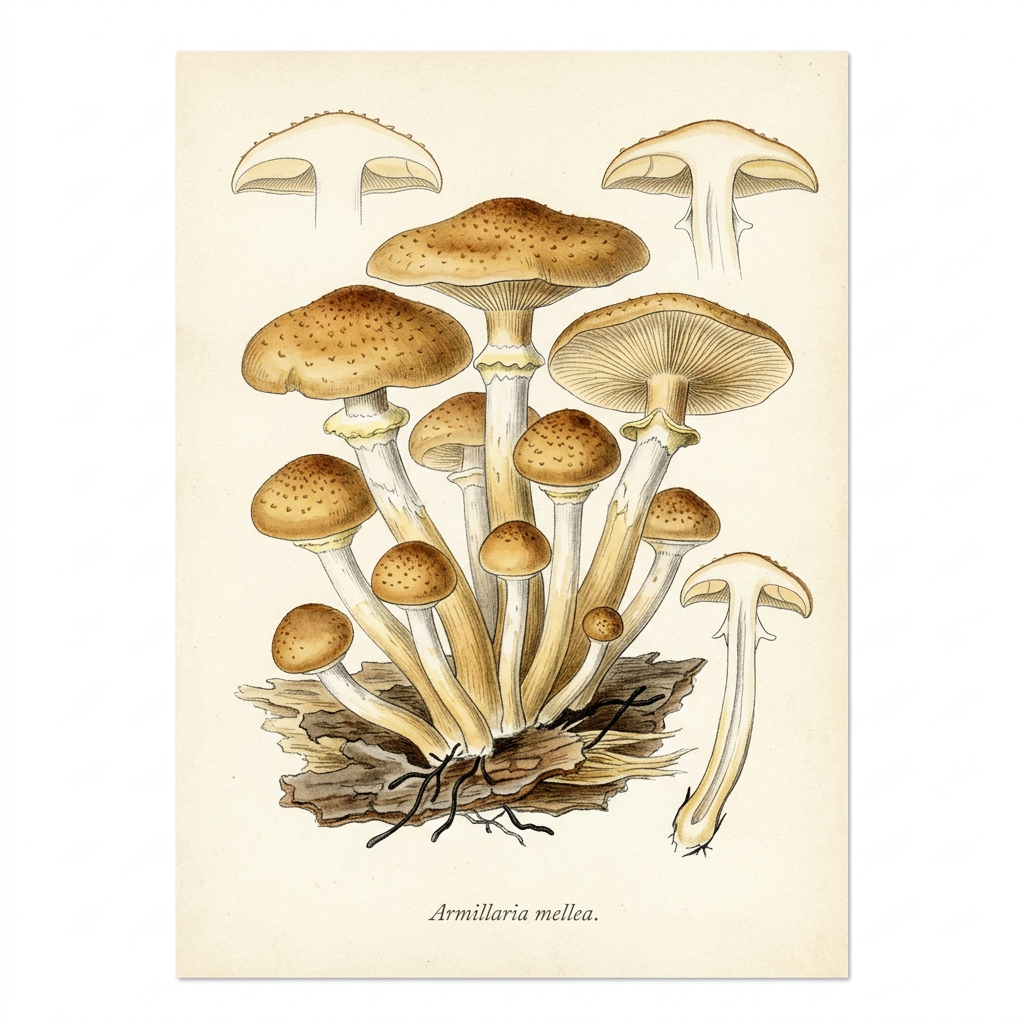
Honey mushroom

Honey mushroom

Armillaria mellea

Anti-ageing
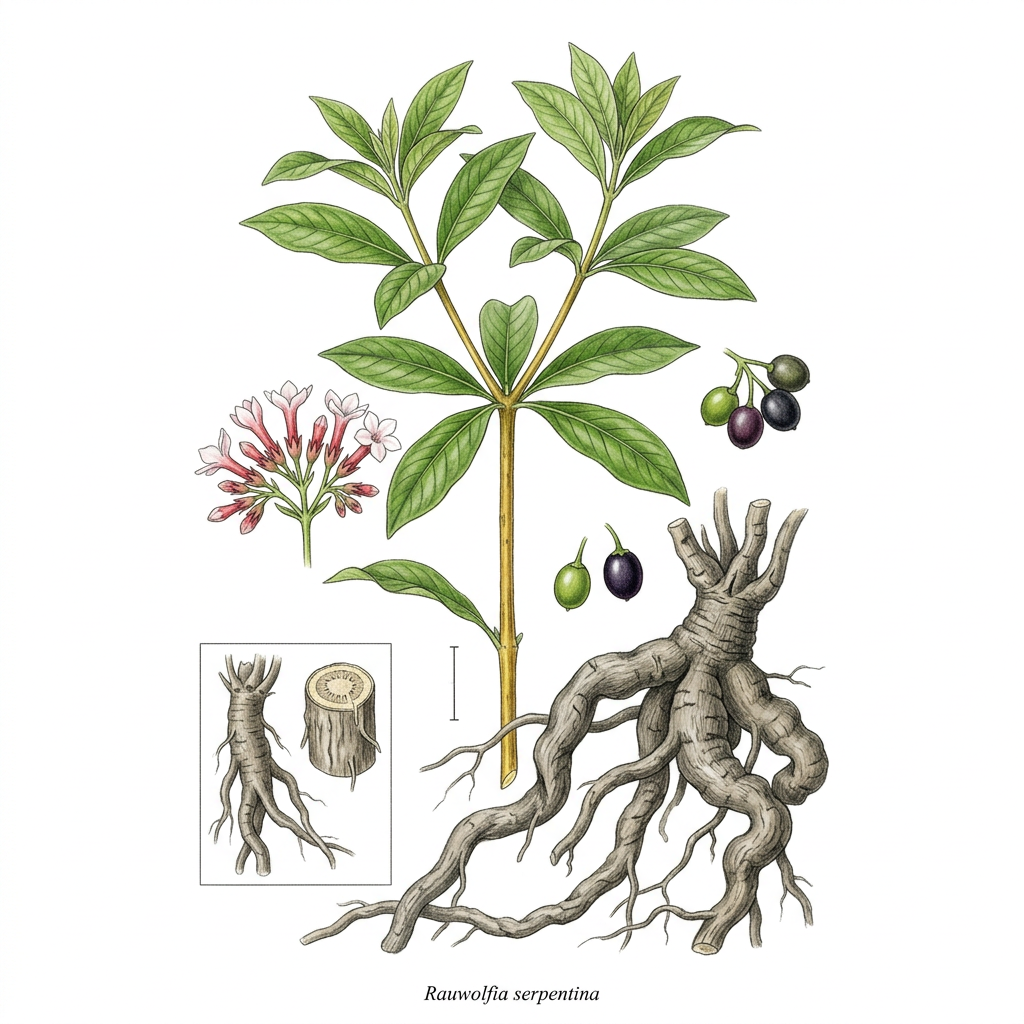
Indian Snakeroot

Indian Snakeroot

Rauwolfia serpentina
Mental clarity
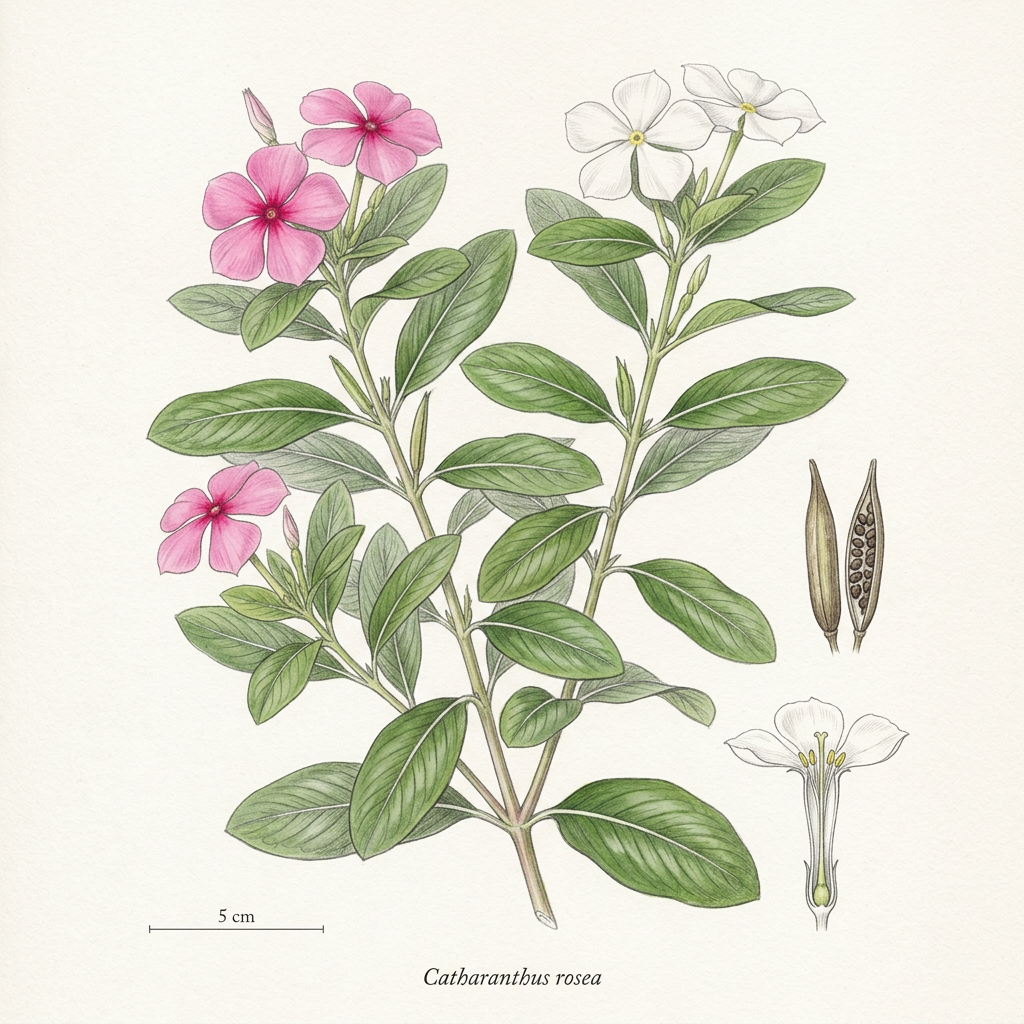
Madagascan Periwinkle

Madagascan Periwinkle

Catharanthus roseus

Cognitive Support