The Wild Sage logo
The Wild Sage Logo

Herbal Medicine at your fingertips

Comprehensive database of herbal remedies with detailed safety information and traditional uses

New to herbal terms? Read the glossary →
ADHD
Abcess
Acid Reflux Relief
Acinetobacter
Acne
Acne Vulgaris
Addisons
Adenomyosis
Adenovirus
Adrenal fatigue
Aging
Aids
Alcaligenes faecalis
Alcoholism
Allergic Rhinitis
Allergies
Allergy
Alopoecia
Alopoecia nervosa
Alzheimer's, Dementia & Cognitive Decline
420 herbs found
Important: This information is for educational purposes only. Always consult with qualified healthcare professionals before using herbal remedies, especially if you have existing health conditions or take medications.
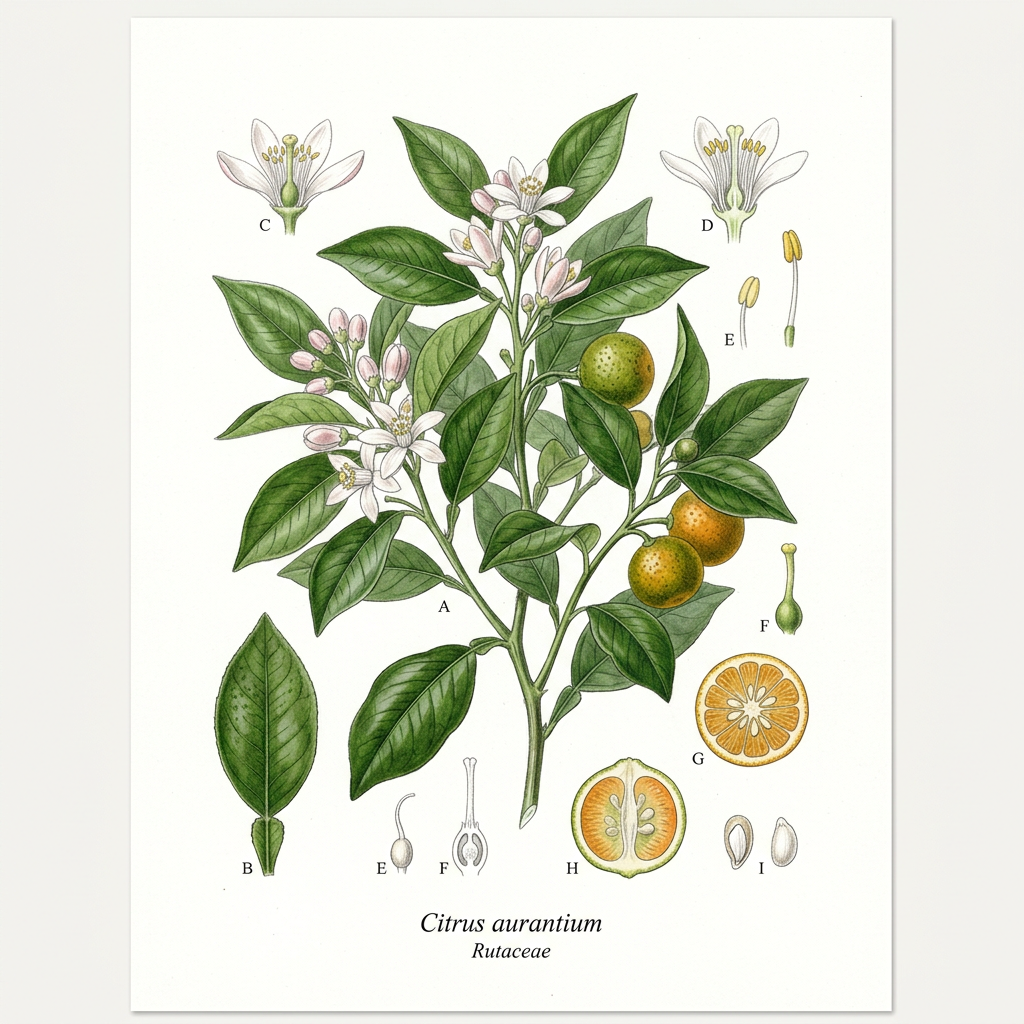
Petigrain

Petigrain

Citrus aurantium

low risk Risk
Rutaceae
<p>**Herb Name: Petigrain** **Scientific Name: Citrus aurantium var. amara (commonly known as bitter orange)** Petigrain, often referred to as bitter orange, is an essential oil derived from the leaves and twigs of the bitter orange tree (Citrus aurantium var. amara). This aromatic herb has been cherished for centuries, particularly in traditional Mediterranean medicine, where it has found a significant role in various therapeutic practices. Historically, Petigrain was valued not only for its delightful fragrance but also for its soothing properties, often incorporated into herbal remedies and perfumes. Its name, derived from the French term “petit grain” which means "little grain," reflects the smallness of its leaves from which the oil is extracted. Traditional uses range from alleviating anxiety and insomnia to serving as a flavoring agent in culinary applications, showcasing its versatility as both a medicinal and sensory delight. The therapeutic properties of Petigrain are diverse and noteworthy. Rich in compounds such as linalool and limonene, it exhibits calming effects on the nervous system, making it an excellent choice for reducing stress and promoting relaxation. Studies suggest that Petigrain can aid in alleviating symptoms of anxiety and contribute to improved sleep quality. Additionally, it possesses mild sedative properties and can support digestive health by promoting stomach comfort and reducing bloating. Furthermore, its antiseptic qualities make it beneficial in topical applications when diluted properly, enhancing skin health and potentially aiding in minor wounds and irritations. Petigrain works in the body through a combination of its aromatic and active compounds. When inhaled, the scent molecules trigger the limbic system—the part of the brain closely associated with emotions and memory—thereby inducing a state of tranquility and mental clarity. This olfactory stimulation can effectively reduce cortisol levels, the hormone associated with stress. Its constituent compounds also interact with neurotransmitter receptors, enhancing relaxation and fostering a sense of well-being. Moreover, the digestive support provided by Petigrain is attributed to its ability to stimulate gastric secretions, promoting better digestion and alleviating discomfort. The multifaceted nature of Petigrain makes it a remarkable herb worthy of further exploration in herbal medicine, promising a wealth of potential in natural health practices.</p>

Uses & Conditions

Mood Support
Relaxation Promotion
Digestive Health Support
Skin Health
Minor Wound Aid
Depression
Anxiety
Digestive Discomfort
Bloating

Actions

Anxiolytic
Sedative
Antiseptic

Parts Used

Leaves
Young twigs

Native Countries

India
China
Mediterranean region
Southeast Asia
Southern Europe

USDA Hardiness Zones

9
10
11

Contraindications

  • Pregnancy: Avoid therapeutic use during the first trimester.
  • Breastfeeding: Avoid direct application to the breast area.
  • Photosensitivity: Avoid sun exposure after topical application due to potential furocoumarin content.
  • Known hypersensitivity: Avoid if allergic to the Rutaceae family.

Potential Side Effects

  • Dermal irritation or contact dermatitis if applied undiluted.
  • Photosensitisation reactions following UV exposure.
  • Mild nausea or headache if inhaled in high concentrations in enclosed spaces.

Interactions

  • Sedatives and CNS depressants: May potentiate the effects of benzodiazepines or barbiturates.
  • Antihypertensives: Use with caution due to potential influence on blood pressure regulation.

Dosages, tincture ratios & research — members only

Unlock Garreth's dosing guidance, tincture ratios, the dosage calculator and the research studies for Petigrain.

Your assessment and results stay saved — upgrading only unlocks more of them.

See membership plans

Community Photos

No community photos yet. Sign in to upload photos.

Reviews & Ratings

Sign in to leave a review.

No reviews yet. Be the first!

GF

Garreth Falls — B.Th., Dip. H.M., MNIMH

Content curated and reviewed by Garreth Falls, Consultant Medical Herbalist · The Wild Sage

Medical Disclaimer: This information is for educational purposes only and is not intended as medical advice. Always consult with qualified healthcare professionals before starting any herbal treatment.
Western tradition

Sustainability & quality

Cultivated

Mainly a byproduct of the citrus industry; ensure essential oil is pesticide-free.

Key constituents

Terpenes, Farnesol, Geraniol monoterpene, Linalol, Linalyl acetate, limonene, Methyl Antranilate, Menthylacetate, Nerol, Neryl acetate, phenylacetic acid, Terpineol

References

  1. ESCOP Monographs 2nd ed. 2003
  2. Herbal Reality. Herb monographs. herbalreality.com

Related conditions

Explore conditions where Petigrain is traditionally used.

Related Herbs
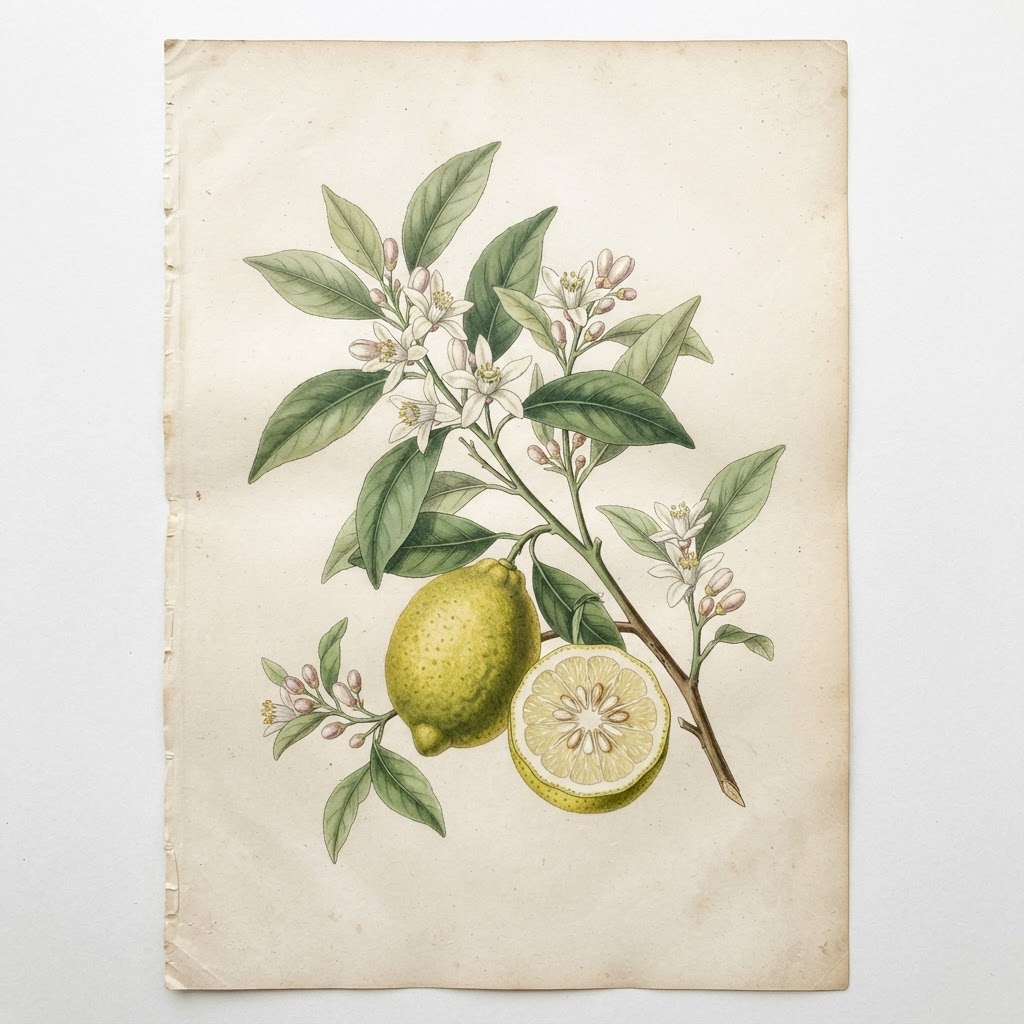
Bergamot

Bergamot

Citrus bergamia

Emotional Wellbeing
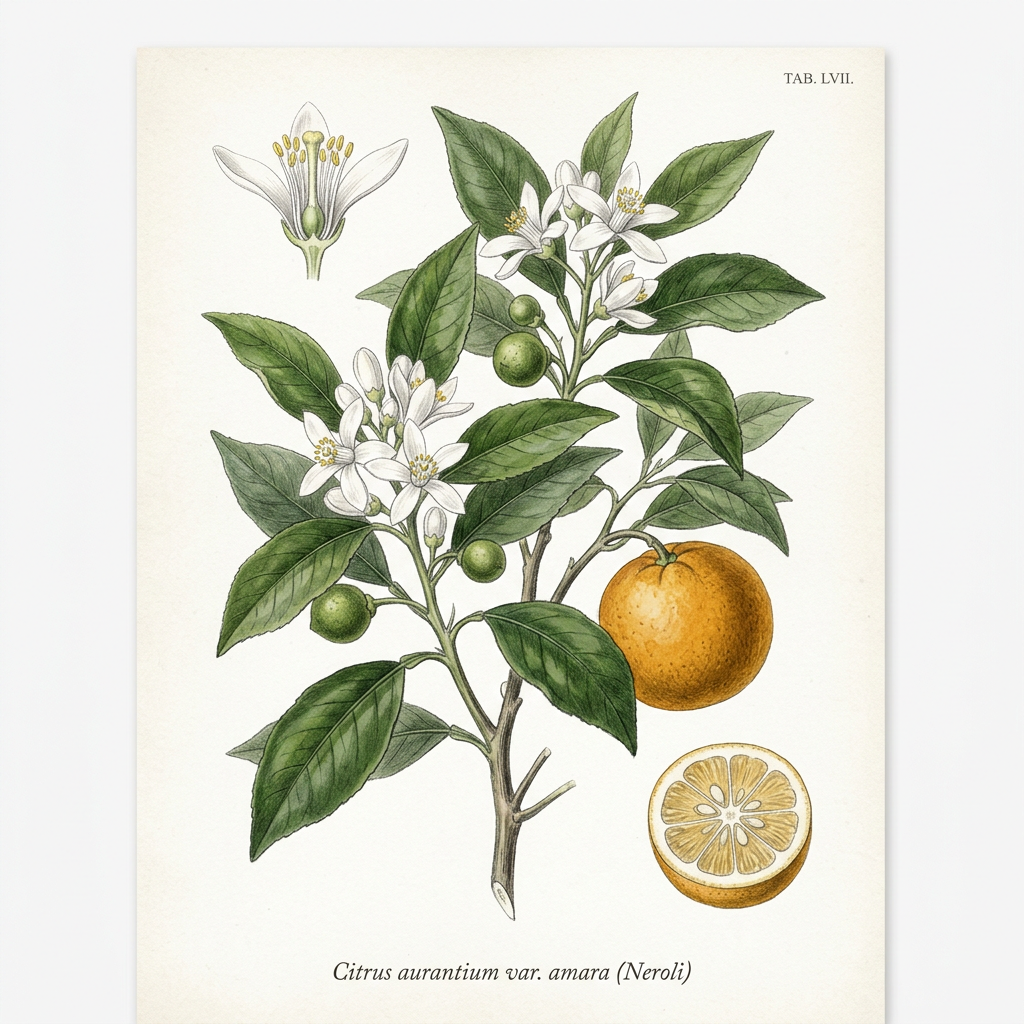
Neroli

Neroli

Citrus aurantium

Mood Enhancement
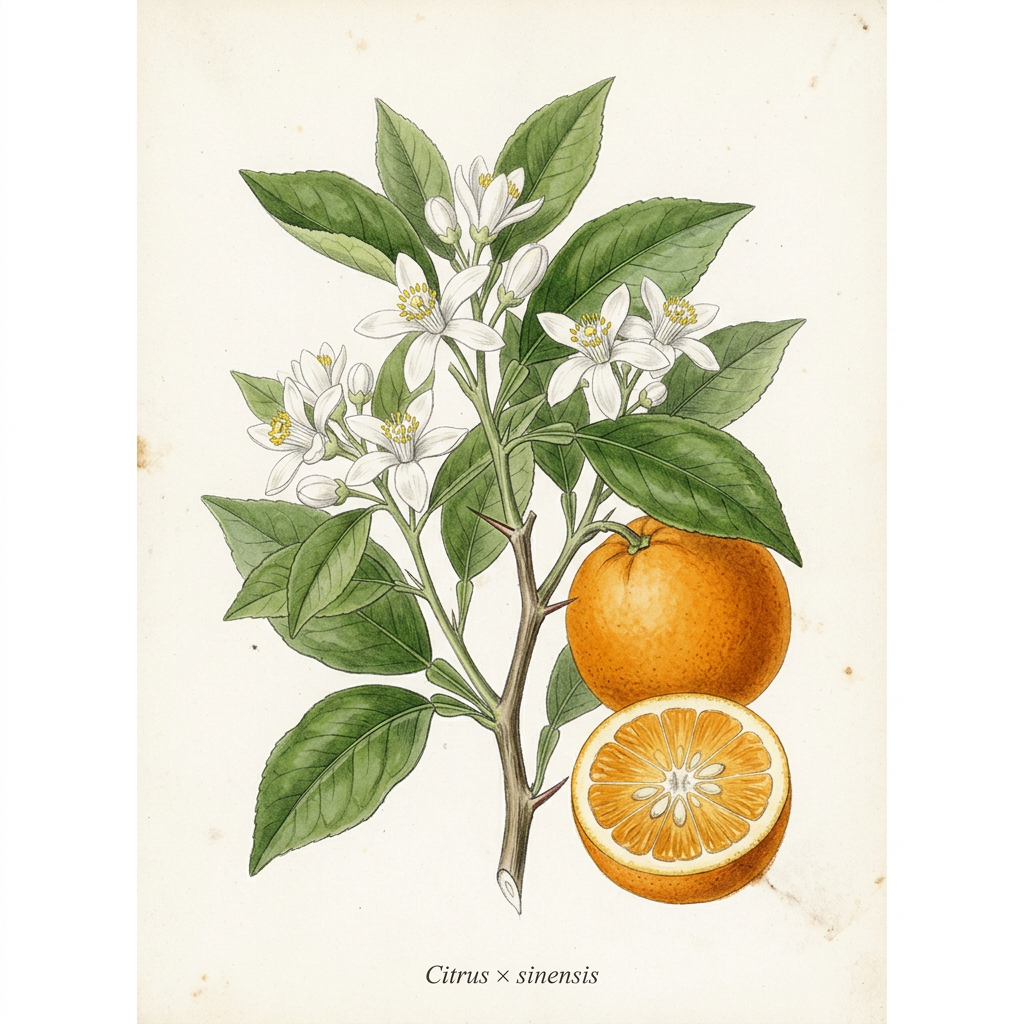
Orange

Orange

Citrus sinensis

Immune Support
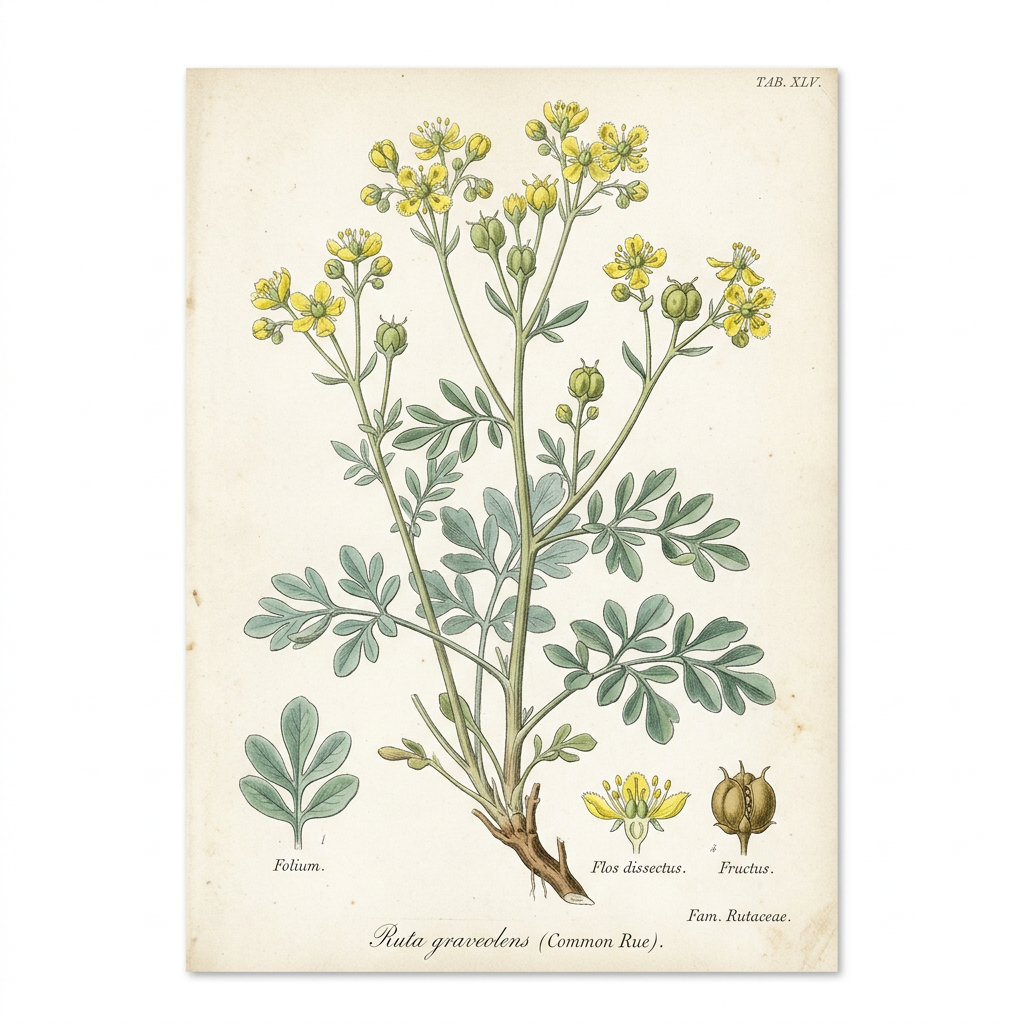
Rue

Rue

Ruta graveolens

Mood Enhancement