The Wild Sage logo
The Wild Sage Logo

Herbal Medicine at your fingertips

Comprehensive database of herbal remedies with detailed safety information and traditional uses

New to herbal terms? Read the glossary →
ADHD
Abcess
Acid Reflux Relief
Acinetobacter
Acne
Acne Vulgaris
Addisons
Adenomyosis
Adenovirus
Adrenal fatigue
Aging
Aids
Alcaligenes faecalis
Alcoholism
Allergic Rhinitis
Allergies
Allergy
Alopoecia
Alopoecia nervosa
Alzheimer's, Dementia & Cognitive Decline
420 herbs found
Important: This information is for educational purposes only. Always consult with qualified healthcare professionals before using herbal remedies, especially if you have existing health conditions or take medications.
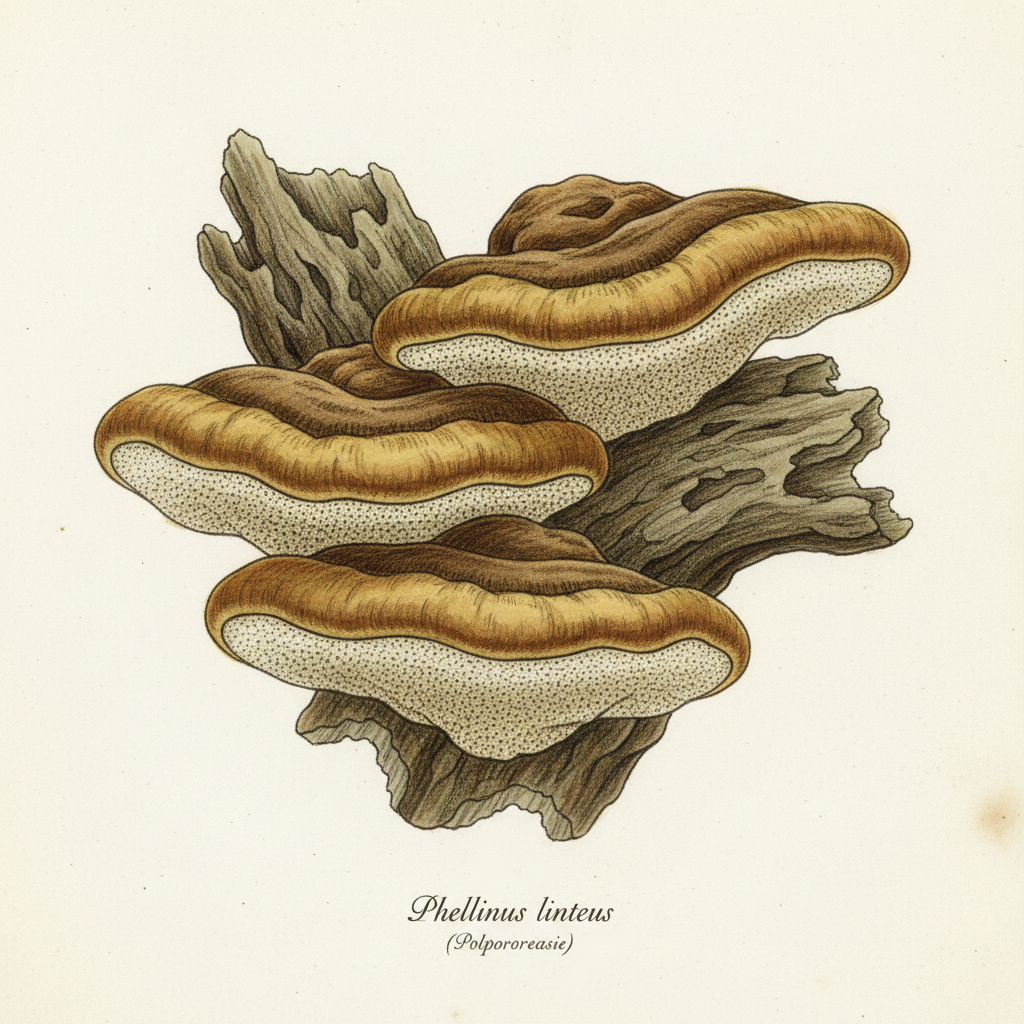
Phellinus linteus

Phellinus linteus

Phellinus linteus

low risk Risk
Polyporaceae
warming and bitter
<p>Phellinus linteus, commonly referred to as the “mushroom of immortality,” is a medicinal fungus revered in traditional Asian herbal medicine for centuries. This polypore mushroom, typically found growing on the trunks of deciduous trees such as mulberry, has historical roots in traditional Chinese medicine (TCM), where it is employed for a variety of ailments, especially in the context of cancer treatment and overall longevity. Researchers have increasingly turned their attention to this remarkable mushroom due to its rich phytochemical profile, contributing to a growing body of evidence surrounding its therapeutic efficacy. The therapeutic benefits of Phellinus linteus are widely recognized, particularly in oncology and immunology. The primary active compounds in this mushroom, including polysaccharides and triterpenoids, are known for their potent antioxidant properties, immune-modulating effects, and anti-inflammatory actions. Clinical studies have demonstrated its efficacy in various contexts, including significant reduction of tumor growth in cancer patients and modulation of inflammatory markers, such as TNF-α, in conditions like arthritis. Additional benefits have been observed in autoimmune disorders, chronic fatigue syndrome, and type 2 diabetes, where Phellinus linteus helps to regulate immune responses and improve energy levels. Although generally safe, caution is advised in individuals with liver conditions and those undergoing immunosuppressive therapies. Mechanistically, the therapeutic actions of Phellinus linteus can be attributed to its multifaceted impact on cellular pathways. The mushroom has been shown to inhibit the nuclear factor kappa B (NF-κB) pathway, which is crucial in regulating immune response and inflammation. By modulating immune function and reducing oxidative stress, Phellinus linteus promotes overall health and enhances the body’s ability to combat various diseases. Its bioactive constituents work synergistically, offering a holistic approach to health that aligns with both traditional practices and modern scientific understanding. As research continues to evolve, Phellinus linteus promises to be a valuable addition to the arsenal of natural therapies aimed at enhancing health and well-being.</p>

Uses & Conditions

Immune Support
Energy Enhancement
Liver Detoxification
Cancer
Inflammatory Diseases
Autoimmune Disorders
Chronic Fatigue Syndrome
Type 2 Diabetes
Digestive Disorders
Arthritis
Rheumatoid Arthritis
Fatigue
Allergies

Actions

Antioxidant
Immunomodulator
TNF-a Inhibitor
NFkB Inhibitor

Parts Used

Fruiting body (sporocarp)
Mycelium

Native Countries

China
South Korea
Japan
United States
Taiwan

USDA Hardiness Zones

5
6
7
8

Contraindications

  • Pregnancy and breastfeeding
  • Individuals awaiting or recovering from organ transplant surgery
  • Known allergy or hypersensitivity to fungi or mushroom species
  • Severe liver impairment or chronic hepatitis
  • unless under strict clinical supervision
  • Autoimmune conditions where immune stimulation may exacerbate underlying pathology

Potential Side Effects

  • Mild gastrointestinal discomfort such as nausea or bloating
  • Skin rashes
  • Pruritus
  • Transient dizziness

Interactions

  • Immunosuppressants: may theoretically counteract the effects of drugs like cyclosporine or corticosteroids
  • Anticoagulants and antiplatelet agents: potential for additive effects increasing bleeding risk
  • Hypoglycaemic agents: may potentiate the effects of insulin or oral diabetic medication
  • Hepatotoxic drugs: use with caution as some mushroom polysaccharides may stress liver function

Dosages, tincture ratios & research — members only

Unlock Garreth's dosing guidance, tincture ratios, the dosage calculator and the research studies for Phellinus linteus.

Your assessment and results stay saved — upgrading only unlocks more of them.

See membership plans

Community Photos

No community photos yet. Sign in to upload photos.

Reviews & Ratings

Sign in to leave a review.

No reviews yet. Be the first!

GF

Garreth Falls — B.Th., Dip. H.M., MNIMH

Content curated and reviewed by Garreth Falls, Consultant Medical Herbalist · The Wild Sage

Medical Disclaimer: This information is for educational purposes only and is not intended as medical advice. Always consult with qualified healthcare professionals before starting any herbal treatment.
Chinese tradition

Sustainability & quality

Cultivated

Primarily cultivated. Ensure authenticity of the strain as Phellinus is prone to contamination and adulteration with less potent fungal species.

Key constituents

Beta-D-glucans, Polysaccharide-protein complexes, Triterpenoids, Hispidin derivatives, Sterols, Phenolic compounds, Flavonoids

References

  1. Bensky "Chinese Herbal Medicine: Materia Medica" 3rd ed. 2004
  2. Herbal Reality. Herb monographs. herbalreality.com

Reviewed by Garreth, Medical Herbalist (MNIMH) · November 2026

Related conditions

Explore conditions where Phellinus linteus is traditionally used.

Related Herbs
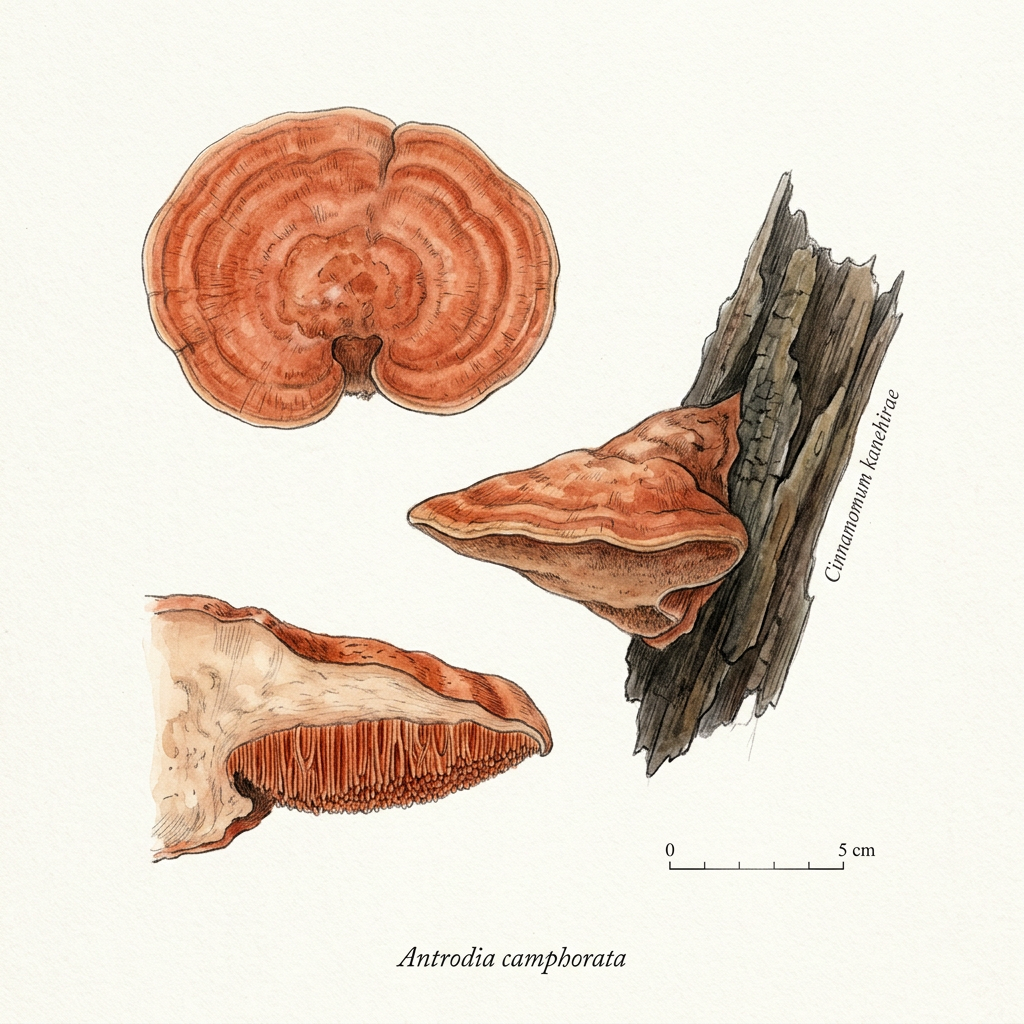
Antrodia

Antrodia

Antrodia camphorata

Immune Support
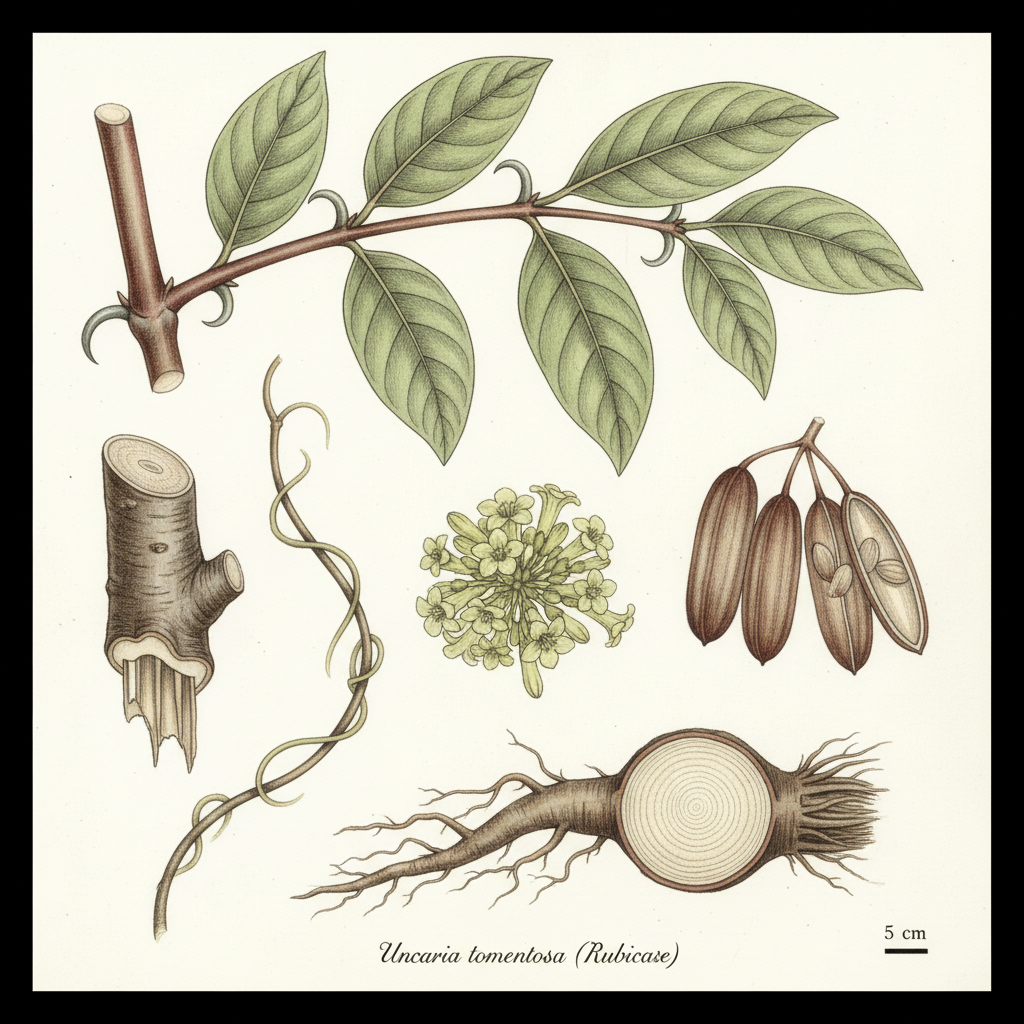
Cat's Claw

Cat's Claw

Uncaria tomentosa

Immune Support
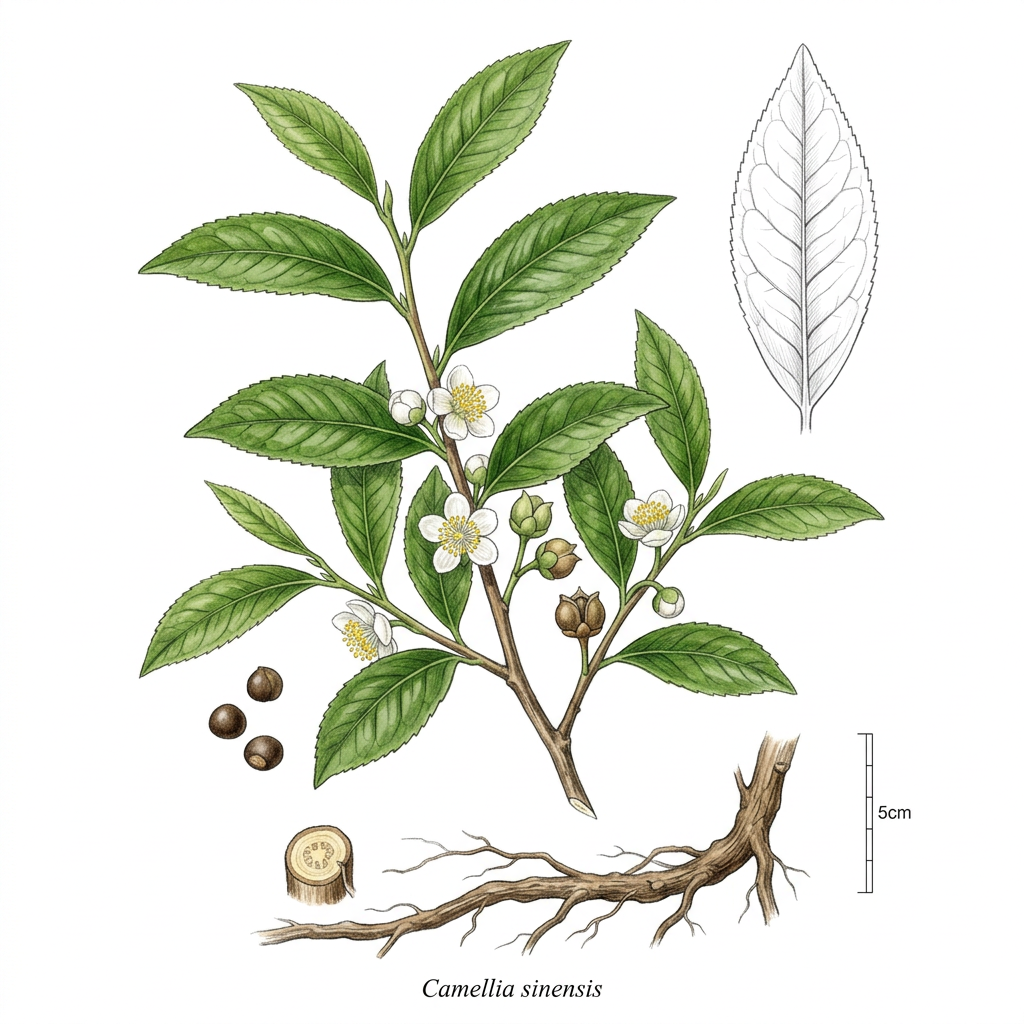
Green Tea

Green Tea

Camellia sinensis

Hypertension
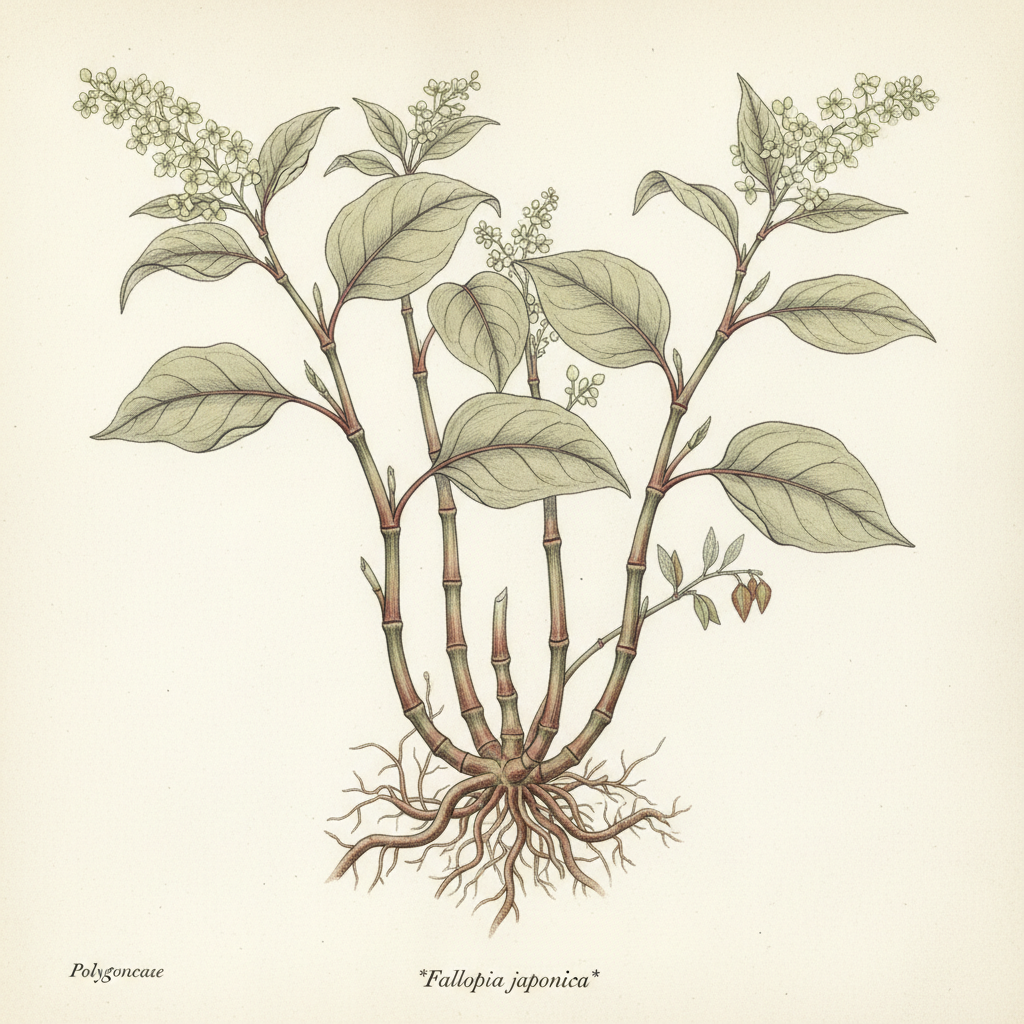
Japanese Knotweed

Japanese Knotweed

Fallopia japonica

Immune Support