The Wild Sage logo
The Wild Sage Logo

Herbal Medicine at your fingertips

Comprehensive database of herbal remedies with detailed safety information and traditional uses

New to herbal terms? Read the glossary →
ADHD
Abcess
Acid Reflux Relief
Acinetobacter
Acne
Acne Vulgaris
Addisons
Adenomyosis
Adenovirus
Adrenal fatigue
Aging
Aids
Alcaligenes faecalis
Alcoholism
Allergic Rhinitis
Allergies
Allergy
Alopoecia
Alopoecia nervosa
Alzheimer's, Dementia & Cognitive Decline
420 herbs found
Important: This information is for educational purposes only. Always consult with qualified healthcare professionals before using herbal remedies, especially if you have existing health conditions or take medications.
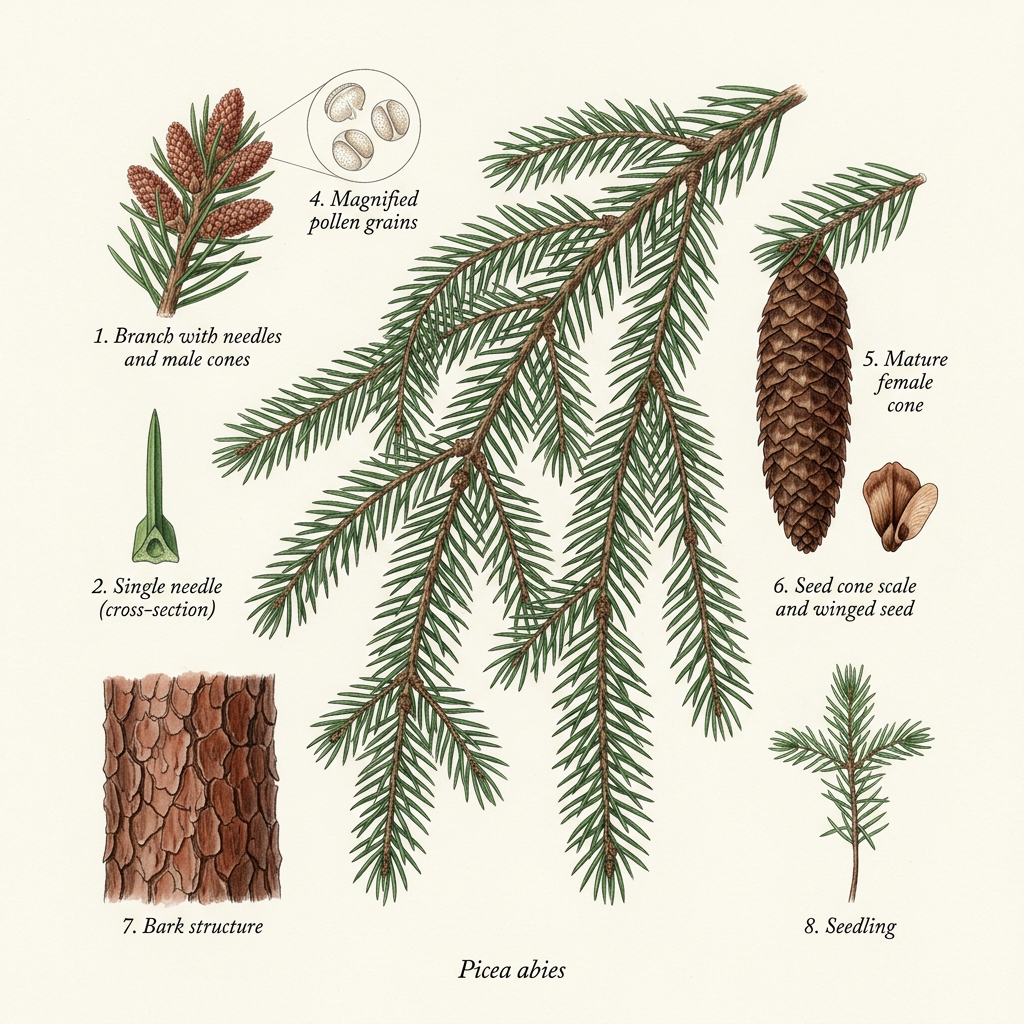
Pine

Pine

Picea abies

moderate risk Risk
Pinaceae
Grounding, uplifting, promotes clarity and focus.
<p>Pine, specifically Picea abies, commonly known as Norway Spruce, is a coniferous tree deeply entrenched in both botanical history and traditional herbal medicine. Revered by various cultures for centuries, it has been utilized not just for its timber and resin but also for its multitude of therapeutic properties. Indigenous peoples and herbalists have long praised pine for its invigorating scent and beneficial constituents, often using the needles, bark, and cones to support respiratory health, boost vitality, and promote overall well-being. Historical texts reveal its incorporation into folk remedies, where pine preparations were employed to treat ailments ranging from colds and flu to skin disorders and rheumatism. The therapeutic properties of pine are both extensive and compelling. This majestic tree is celebrated for its anti-cholesterolemic, antioxidant, and anti-inflammatory actions, making it a valuable ally in cardiovascular health. Pine's rich phytonutrient profile includes vitamins A and C, essential oils, and flavonoids that contribute to its ability to support immune function and combat oxidative stress. Furthermore, studies have indicated that pine extracts exhibit neuroprotective qualities, supporting cognitive health and mood stabilization. Its adaptogenic properties help regulate the hypothalamic-pituitary-adrenal (HPA) axis, promoting resilience to stress while enhancing physical and mental vitality. Additionally, pine's role as a hepatoprotective and androgenic herb places it in a unique position for supporting metabolic health and hormonal balance. The action of pine in the body is multifaceted, reflecting its complex biochemistry. The constituents found in pine needles, such as polyphenols and essential oils, play a significant role in mediating its health benefits. These compounds enhance circulation, improve energy levels, and support respiratory function by acting as stimulants to the lungs, thereby facilitating better oxygen uptake. Pine's immunomodulatory properties bolster the immune system's response, helping to fend off infections and maintain health during seasonal changes. By lowering LDL cholesterol levels and reducing lipofuscin accumulation, pine also contributes to cardiovascular health, making it a powerful herb for heart support. In summary, Picea abies is a remarkable herb with a rich historical backdrop and a contemporary relevance that continues to captivate the interest of herbalists and health enthusiasts alike.</p>

Uses & Conditions

Testosterone Support
Cognitive Support
Vitality
Obesity
Infertility
Fatigue
Benign Prostatic Hyperplasia
Psoriasis
Upper Respiratory Tract Infection
Impetigo
Haemorrhages
Erectile Dysfunction
Eczema
Anorgasmia
Cardiovascular Disease
Rheumatism

Actions

Antioxidant
Phytoandrogen
Oestrogen Modulator
Nutritive
Hepatotrophorestorative
Hypocholesterolemic
HPA Regulator
Cardiotonic
Immunomodulatory
Anti-rheumatic
Dopaminergic
Wound Healing

Parts Used

needle
pollen
bark.

Native Countries

Europe
mediterranean

USDA Hardiness Zones

USDA 3-9

Contraindications

  • Pregnancy: Avoid medicinal doses due to lack of safety data regarding essential oil constituents.
  • Breastfeeding: Avoid use during lactation due to insufficient evidence of safety for the infant.
  • Asthma: Inhalation of concentrated pine resin or essential oil vapours may trigger bronchospasm in sensitive individuals.
  • Chronic Kidney Disease: Avoid internal use as volatile oils may cause renal irritation in compromised patients.
  • History of Allergic Dermatitis: Use with caution topically
  • as concentrated resins can be potent skin sensitizers.

Potential Side Effects

  • Allergic reaction to pine pollen

Interactions

  • Anticoagulants and antiplatelet drugs: Pine needles may theoretically potentiate the effects of blood-thinning medication.
  • Antihypertensive medication: Pine preparations may influence blood pressure; monitor usage if concurrently taking blood pressure regulating drugs.
  • Immunosuppressants: Caution is advised when using pine alongside immunosuppressive therapies due to potential immunomodulatory effects.

Dosages, tincture ratios & research — members only

Unlock Garreth's dosing guidance, tincture ratios, the dosage calculator and the research studies for Pine.

Your assessment and results stay saved — upgrading only unlocks more of them.

See membership plans

Community Photos

No community photos yet. Sign in to upload photos.

Reviews & Ratings

Sign in to leave a review.

No reviews yet. Be the first!

GF

Garreth Falls — B.Th., Dip. H.M., MNIMH

Content curated and reviewed by Garreth Falls, Consultant Medical Herbalist · The Wild Sage

Medical Disclaimer: This information is for educational purposes only and is not intended as medical advice. Always consult with qualified healthcare professionals before starting any herbal treatment.
Western tradition

Sustainability & quality

Abundant

Commonly harvested from sustainable forestry practices; source from reputable distillers to ensure correct species identification.

Key constituents

Antioxidant, Sterols, brassinoloide, Castasterone, Typhasterol, gibberellins, Gluthatione transferases, asparagic acid, threonine, serine, amino glutaric acid, aminoacetic acid, alanine, isoleucine, lysine, histidine, Cystine, valine, merionin, arginine, proline, tryptophan, riboflavin, Nicotinic acid, pantothenic acid

References

  1. British Herbal Pharmacopoeia 1983
  2. Herbal Reality. Herb monographs. herbalreality.com

Reviewed by Garreth, Medical Herbalist (MNIMH) · November 2026

Related conditions

Explore conditions where Pine is traditionally used.

Related Herbs
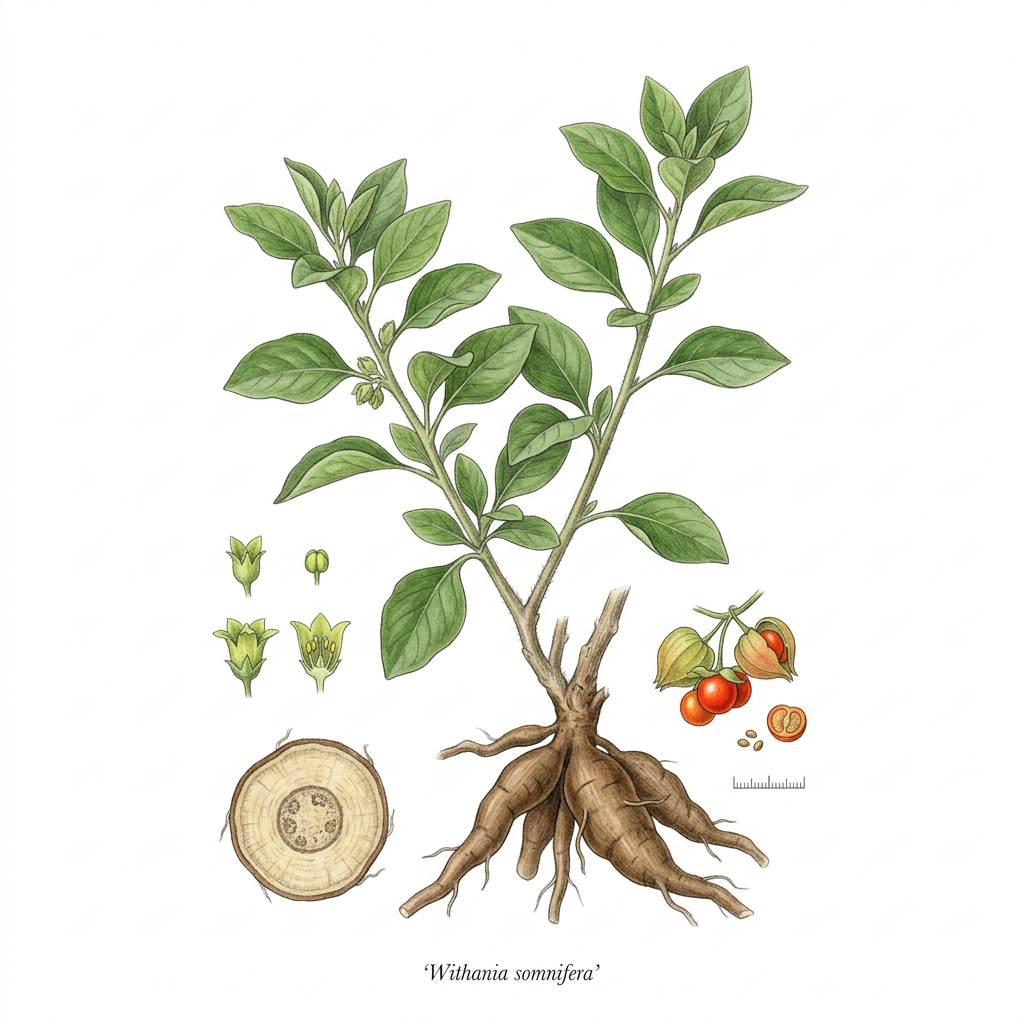
Ashwagandha

Ashwagandha

Withania somnifera

Immune Support
Ginseng

Ginseng

Panax ginseng

Energy Booster
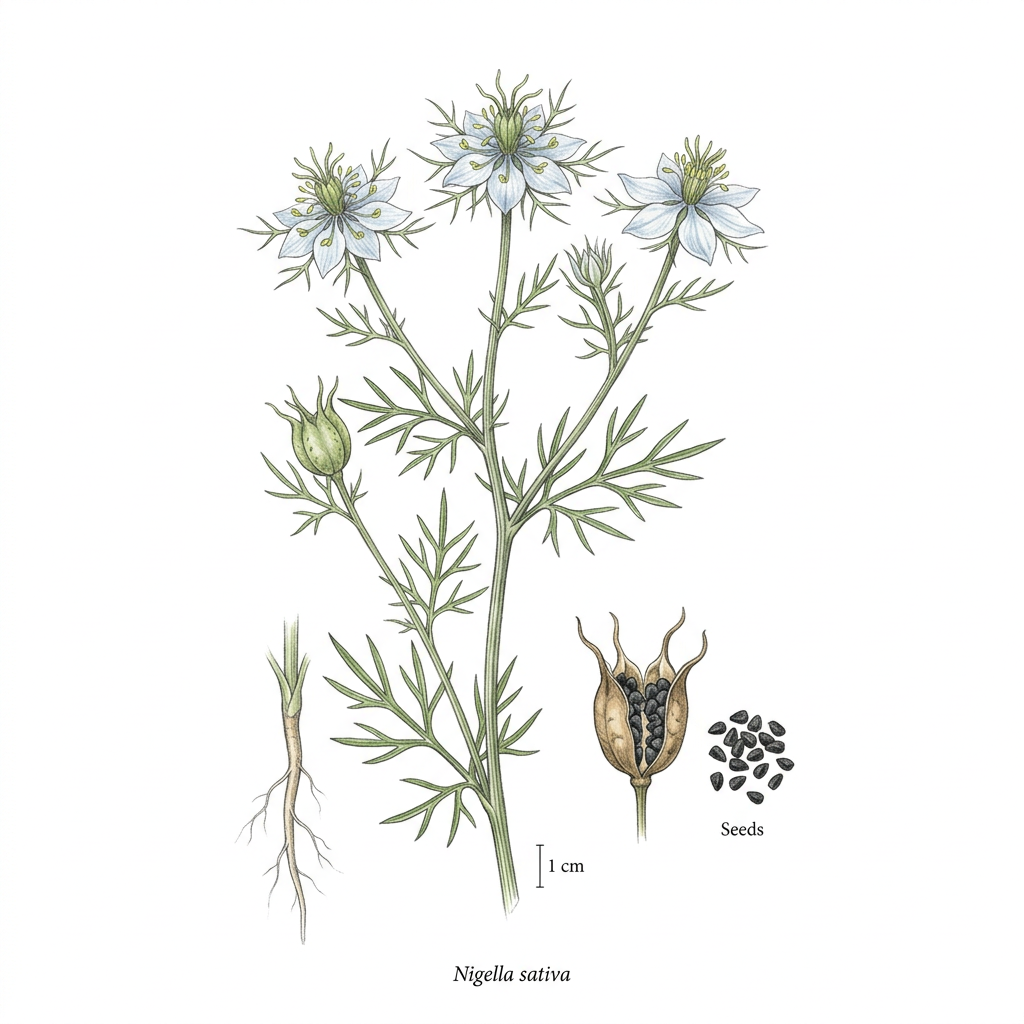
Black Cumin Seed

Black Cumin Seed

Nigella sativa

Antioxidant Support
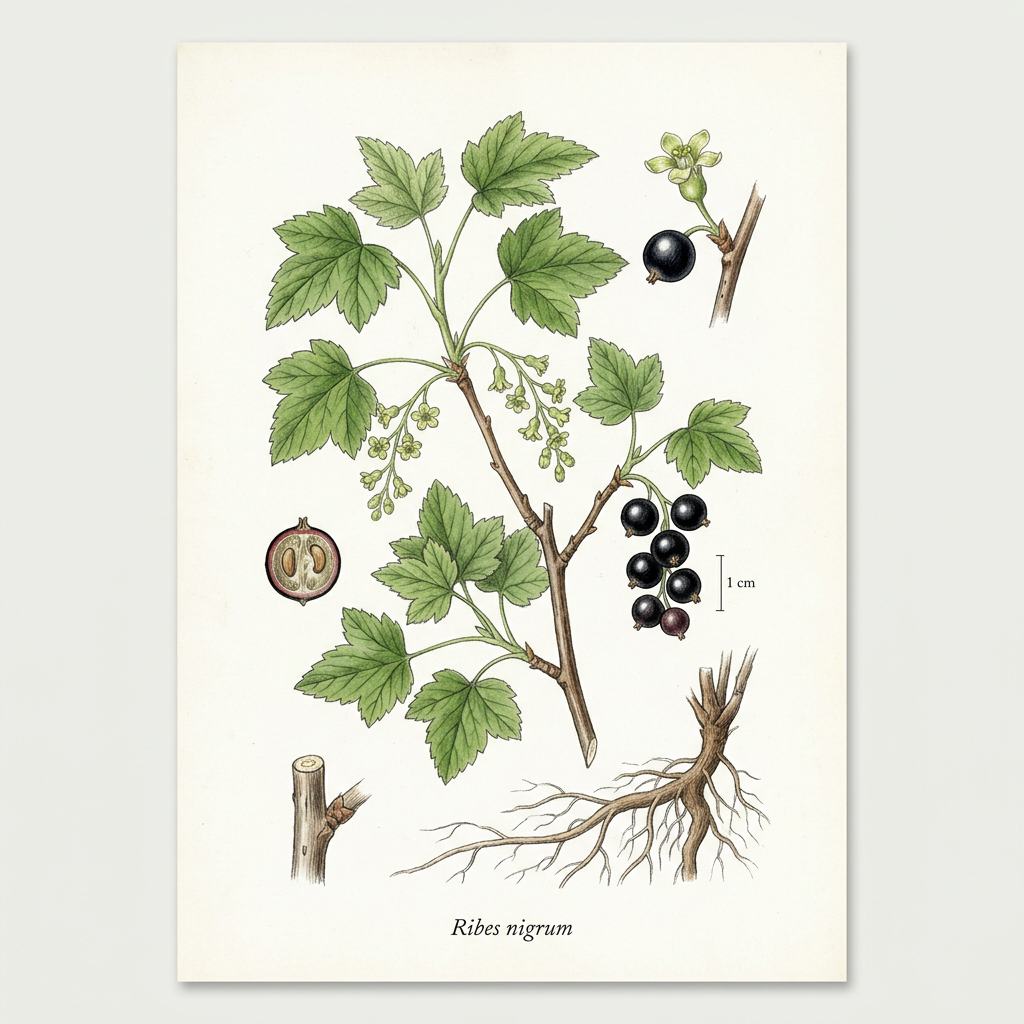
Blackcurrant

Blackcurrant

Ribes nigrum

Adrenal Support