The Wild Sage logo
The Wild Sage Logo

Herbal Medicine at your fingertips

Comprehensive database of herbal remedies with detailed safety information and traditional uses

New to herbal terms? Read the glossary →
ADHD
Abcess
Acid Reflux Relief
Acinetobacter
Acne
Acne Vulgaris
Addisons
Adenomyosis
Adenovirus
Adrenal fatigue
Aging
Aids
Alcaligenes faecalis
Alcoholism
Allergic Rhinitis
Allergies
Allergy
Alopoecia
Alopoecia nervosa
Alzheimer's, Dementia & Cognitive Decline
420 herbs found
Important: This information is for educational purposes only. Always consult with qualified healthcare professionals before using herbal remedies, especially if you have existing health conditions or take medications.
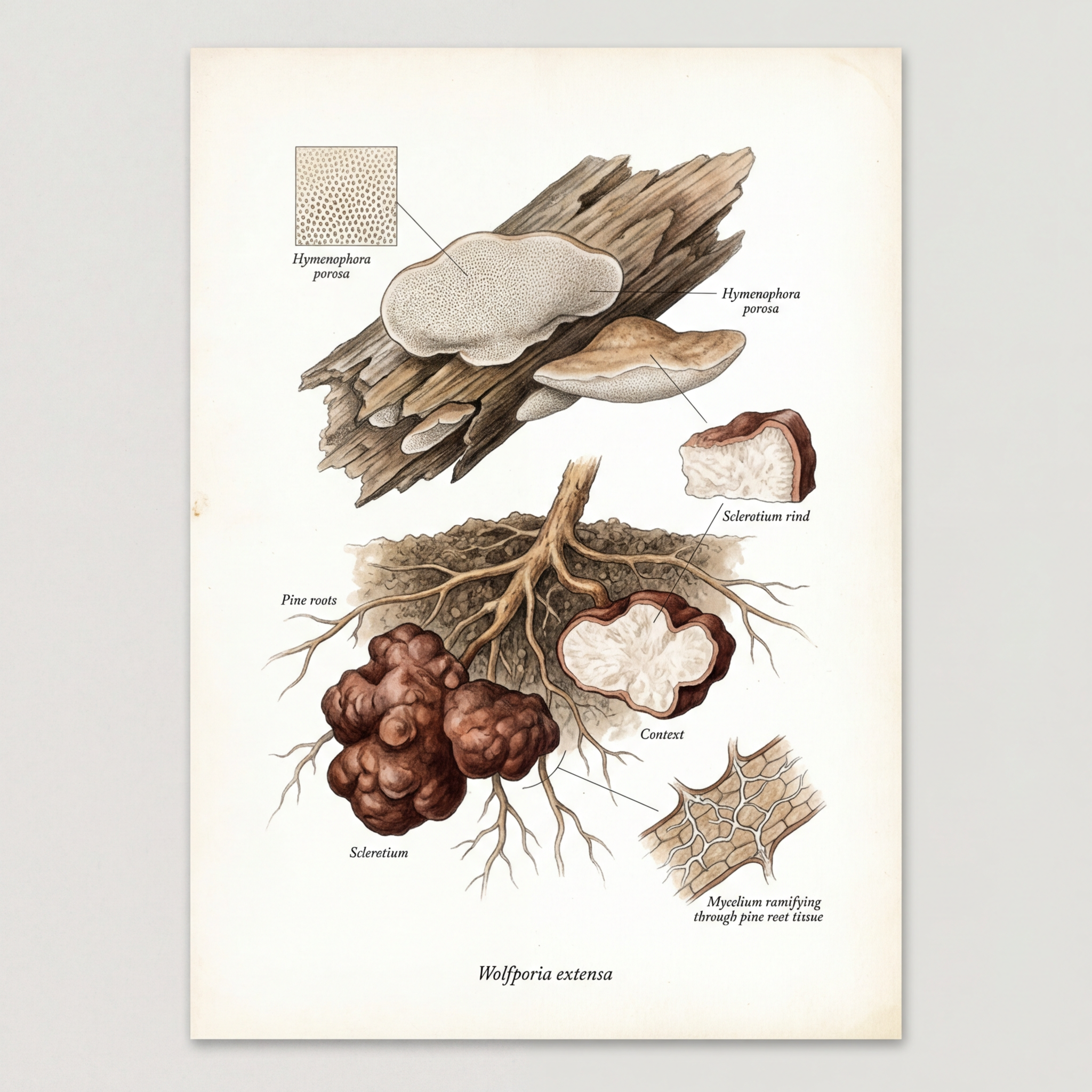
Pine Mushroom

Pine Mushroom

Wolfiporia extensa

low risk Risk
Agaricaceae
Promotes tranquility, aids digestion, and stabilizes emotions for a sense of security.
<p>Wolfiporia extensa, commonly referred to as the "pine mushroom," has been valued in traditional Chinese medicine (TCM) for its myriad therapeutic properties. Historically, this fungus has been revered as a medicinal agent for centuries, particularly noted for its role in enhancing vitality, supporting the immune system, and promoting overall wellness. The herb is primarily sourced from the wood of pine trees, and its unique fungal structure is often transformed into various preparations such as tinctures, teas, and extracts. Traditionally, Wolfiporia extensa has been utilized to address a range of health concerns, including hypertension, digestive disorders, and respiratory ailments, positioning it as a cornerstone in the herbal pharmacopoeia of East Asia. The therapeutic properties of Wolfiporia extensa are multi-faceted, displaying antimicrobial, digestive aid, and diuretic actions, alongside benefits for mental wellness. Research supports its application in managing stress-related hypertension, where it has shown promise in reducing anxiety and enhancing tranquility. In animal studies, the potential of Wolfiporia extensa to improve blood sugar levels indicates its relevance in diabetes management, though further research is warranted to solidify these findings. Moreover, its traditional usage in promoting digestive health and spleen support underscores its broad-spectrum utility within the realm of holistic therapies. However, caution is advised, as it is not recommended for individuals experiencing lethargy or depression, given its varied effects on energy levels and mood. The mechanism through which Wolfiporia extensa operates in the body involves a complex interplay of bioactive compounds that modulate physiological responses. These compounds possess immunomodulatory effects, bolstering the body’s defenses against pathogens while also exhibiting antioxidant properties that help combat oxidative stress. The herb’s diuretic action aids in the regulation of fluid balance, supporting cardiovascular health by alleviating elevated blood pressure. Furthermore, its capacity to enhance digestion contributes to better nutrient absorption and overall metabolic efficiency. Collectively, these attributes not only affirm Wolfiporia extensa's historical significance but also highlight its potential as a valuable resource in contemporary herbal medicine.</p>

Uses & Conditions

Immune Support
Mental Wellness Support
Nutrient Absorption Improvement
Hypertension
Anxiety
Diabetes
Digestive Disorders
Wound Healing
Stress
Respiratory Ailments
Spleen Dysfunction
Cardiovascular Health

Actions

Antimicrobial
Digestive Aid
Diuretic

Parts Used

Dried sclerotium (the dense mass of fungal mycelium usually found around pine roots)

Native Countries

Japan
Korea
China
North America
Australia

USDA Hardiness Zones

5
6
7
8

Contraindications

  • Pregnancy and breastfeeding due to insufficient safety data
  • Frequent or urgent micturition due to diuretic action
  • Cold deficiency syndromes
  • Scheduled surgery; discontinue use at least two weeks prior

Potential Side Effects

  • Mild gastrointestinal upset including nausea or loose stools
  • Allergic skin reactions such as rash or pruritus
  • Dizziness or fatigue if taken in excessive quantities

Interactions

  • Diuretic medications: potential for electrolyte imbalances
  • Antihypertensive drugs: potential synergistic effect on blood pressure
  • Hypoglycaemic agents: may alter blood glucose levels
  • Immunosuppressants: potential interference with therapeutic goals

Dosages, tincture ratios & research — members only

Unlock Garreth's dosing guidance, tincture ratios, the dosage calculator and the research studies for Pine Mushroom.

Your assessment and results stay saved — upgrading only unlocks more of them.

See membership plans

Community Photos

No community photos yet. Sign in to upload photos.

Reviews & Ratings

Sign in to leave a review.

No reviews yet. Be the first!

GF

Garreth Falls — B.Th., Dip. H.M., MNIMH

Content curated and reviewed by Garreth Falls, Consultant Medical Herbalist · The Wild Sage

Medical Disclaimer: This information is for educational purposes only and is not intended as medical advice. Always consult with qualified healthcare professionals before starting any herbal treatment.
Chinese tradition

Sustainability & quality

Cultivated

Standardly cultivated on wood logs. Quality is highly dependent on the cultivation substrate and hygiene standards.

Key constituents

Beta-pachyman (beta-glucan), Triterpenoids (e.g., pachymic acid), Ergosterol, Chitin, Enzymes (including lipase and protease), Choline, Potassium

References

  1. Bensky "Chinese Herbal Medicine: Materia Medica" 3rd ed. 2004
  2. Herbal Reality. Herb monographs. herbalreality.com

Reviewed by Garreth, Medical Herbalist (MNIMH) · November 2026

Related conditions

Explore conditions where Pine Mushroom is traditionally used.

Related Herbs
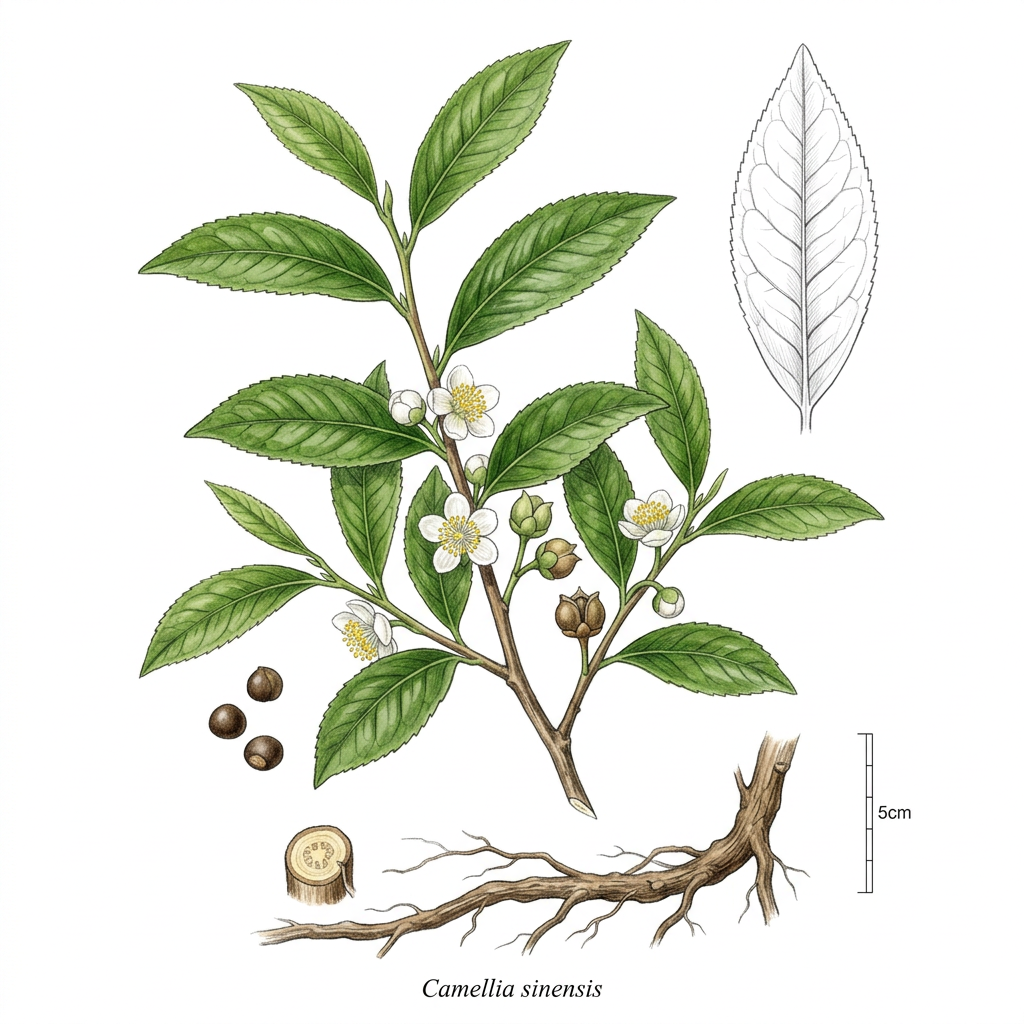
Green Tea

Green Tea

Camellia sinensis

Hypertension
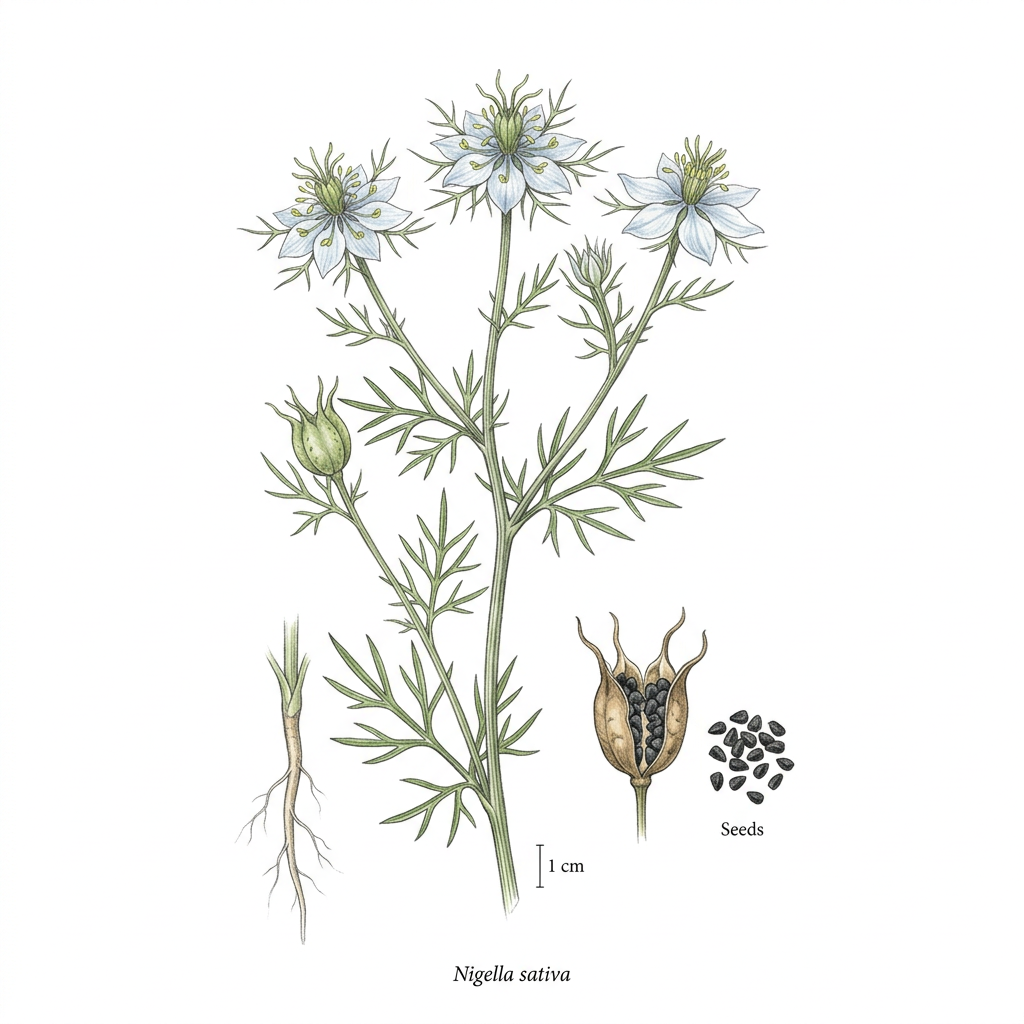
Black Cumin Seed

Black Cumin Seed

Nigella sativa

Antioxidant Support
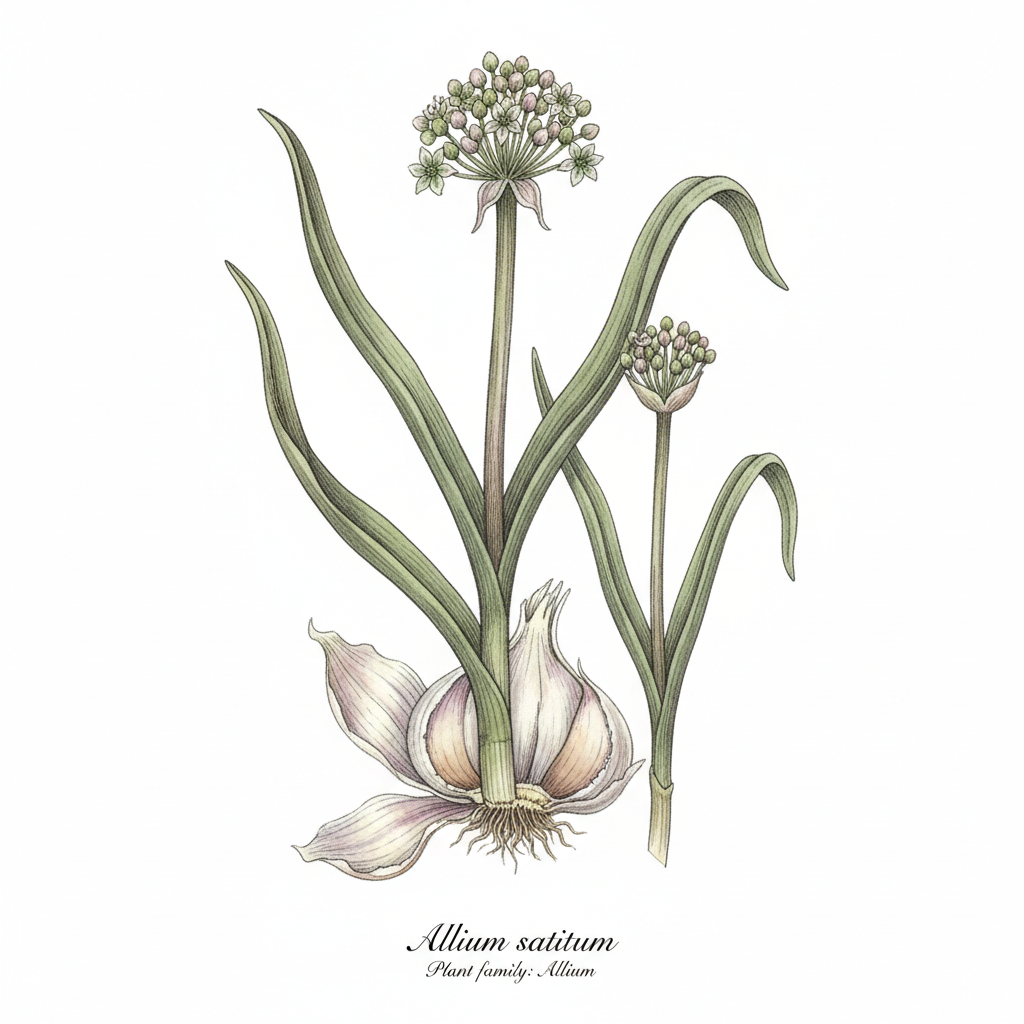
Garlic

Garlic

Allium sativum

Immune Support
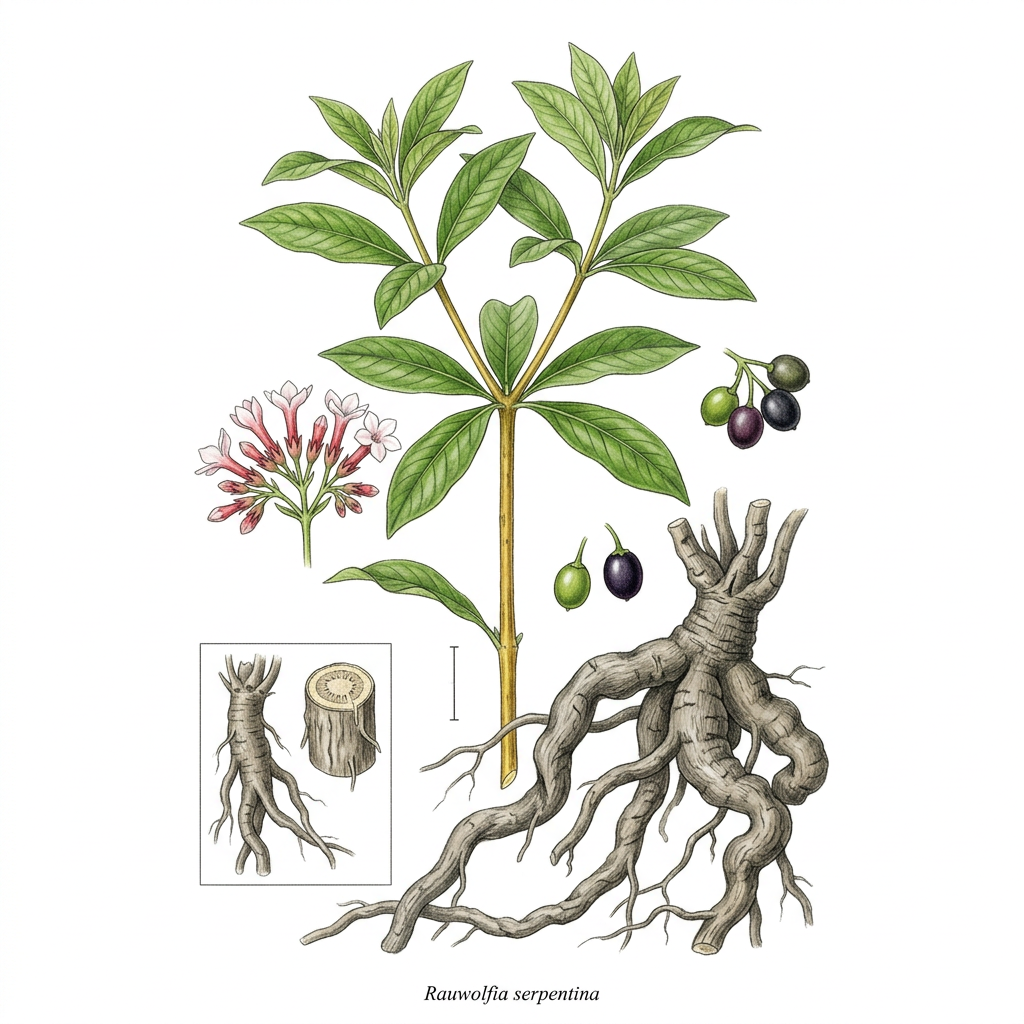
Indian Snakeroot

Indian Snakeroot

Rauwolfia serpentina

Mental clarity