The Wild Sage logo
The Wild Sage Logo

Herbal Medicine at your fingertips

Comprehensive database of herbal remedies with detailed safety information and traditional uses

New to herbal terms? Read the glossary →
ADHD
Abcess
Acid Reflux Relief
Acinetobacter
Acne
Acne Vulgaris
Addisons
Adenomyosis
Adenovirus
Adrenal fatigue
Aging
Aids
Alcaligenes faecalis
Alcoholism
Allergic Rhinitis
Allergies
Allergy
Alopoecia
Alopoecia nervosa
Alzheimer's, Dementia & Cognitive Decline
420 herbs found
Important: This information is for educational purposes only. Always consult with qualified healthcare professionals before using herbal remedies, especially if you have existing health conditions or take medications.
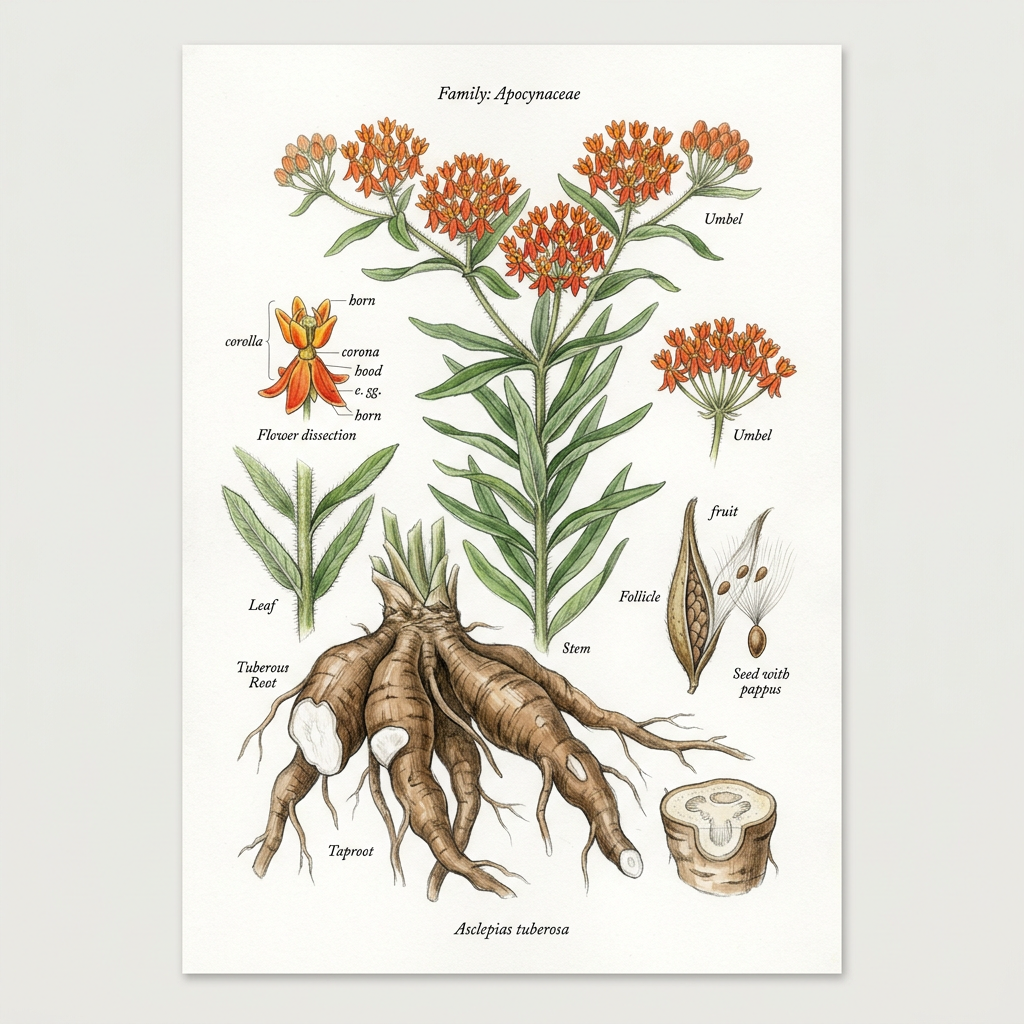
Pleurisy Root

Pleurisy Root

Asclepias tuberosa

moderate risk Risk
Apocynaceae
Warms, nourishing, and strengthens the lungs; promotes expectoration; supports the immune system.
<p>Asclepias tuberosa, commonly known as Butterfly Weed, is a vibrant perennial herb native to North America, known for its striking orange or yellow flowers that attract a plethora of pollinators, particularly butterflies. Traditionally, this herb has been valued in Native American medicine for its diverse therapeutic applications. Indigenous communities utilized Butterfly Weed as a remedy for respiratory ailments, digestive issues, and as a diaphoretic to induce sweating and reduce fevers. The plant’s striking appearance not only enriches gardens and natural landscapes but also serves as a testament to its longstanding use in folk medicine, where it has been associated with providing relief from various maladies. The therapeutic profile of Asclepias tuberosa is extensive, underscoring its role as a multifaceted herbal remedy. Its anti-inflammatory properties make it beneficial in managing conditions such as arthritis and muscle pain, while its expectorant action supports respiratory health by promoting the expulsion of mucus. Additionally, the herb exhibits bronchodilator effects, providing relief in cases of bronchial spasms and asthma. Butterfly Weed also acts as a mild hypotensive agent, potentially lowering blood pressure, and enhances vagal tone, thereby promoting overall cardiovascular health. The presence of cardioactive glycosides further emphasizes its potency, contributing to enhanced heart function and stability. At the physiological level, Asclepias tuberosa functions through a complex interplay of active phytochemicals. Its anti-inflammatory agents modulate immune responses and reduce swelling, while its diaphoretic action encourages sweat production, which aids in detoxification and fever reduction. By acting on the bronchial tissues, it helps relax the muscles, alleviating bronchospasm, while its expectorant properties facilitate the clearance of respiratory secretions. The herb’s participation in enhancing vagal tone may improve gastrointestinal function and autonomic balance. Overall, Asclepias tuberosa is not only an eye-catching perennial but also a remarkable herbal ally with significant health-promoting attributes.</p>

Uses & Conditions

Lung Support
Respiratory Ailments
Detoxification
Asthma
Bronchitis
Bronchospasm
Cardiac Insufficiency
Colds
Fever
Inflammation
Muscle Pain
Neuralgia
Pleurisy
Pulmonary Oedema

Actions

Anti-asthmatic
Anti-inflammatory
Anti-pyretic
Anti-spasmodic
Anti-viral
Antiseptic
Bronchospasmolytic
Cardioactive
Diaphoretic
Expectorant
Hypotensive
Lymphatic
NFkB Inhibitor
Vasodilator

Synonyms

Pleurisy root

Parts Used

Roots.

Native Countries

North America

USDA Hardiness Zones

USDA 3-9

Contraindications

  • Pregnancy: avoid due to potential uterine stimulant activity
  • Breastfeeding: lack of safety data precludes recommendation
  • Known heart disease: use only under expert supervision due to presence of cardioactive glycosides
  • Hypokalaemia: contraindicated in patients with low potassium levels
  • Children under 12: insufficient safety data available

Potential Side Effects

  • Can induce sweating

Interactions

  • Cardiac glycosides like digoxin: potential for synergistic effects which may increase risk of digitalis toxicity
  • Anti-arrhythmic medications: potential for additive effects on heart rhythm
  • Anticoagulant or antiplatelet drugs: use with caution
  • Diuretics: may potentiate the electrolyte-depleting effects of loop or thiazide diuretics

Dosages, tincture ratios & research — members only

Unlock Garreth's dosing guidance, tincture ratios, the dosage calculator and the research studies for Pleurisy Root.

Your assessment and results stay saved — upgrading only unlocks more of them.

See membership plans

Community Photos

No community photos yet. Sign in to upload photos.

Reviews & Ratings

Sign in to leave a review.

No reviews yet. Be the first!

GF

Garreth Falls — B.Th., Dip. H.M., MNIMH

Content curated and reviewed by Garreth Falls, Consultant Medical Herbalist · The Wild Sage

Medical Disclaimer: This information is for educational purposes only and is not intended as medical advice. Always consult with qualified healthcare professionals before starting any herbal treatment.
Western tradition

Sustainability & quality

At risk

Considered at-risk due to habitat loss and over-harvesting; prioritize cultivated sources.

Key constituents

Asclepiadin (cardiac glycosides), Flavonoids, Phenolic acids, Resinous substances, Volatile oil, Triterpene saponins

References

  1. British Herbal Pharmacopoeia 1983
  2. Herbal Reality. Herb monographs. herbalreality.com

Reviewed by Garreth, Medical Herbalist (MNIMH) · November 2026

Related conditions

Explore conditions where Pleurisy Root is traditionally used.

Related Herbs
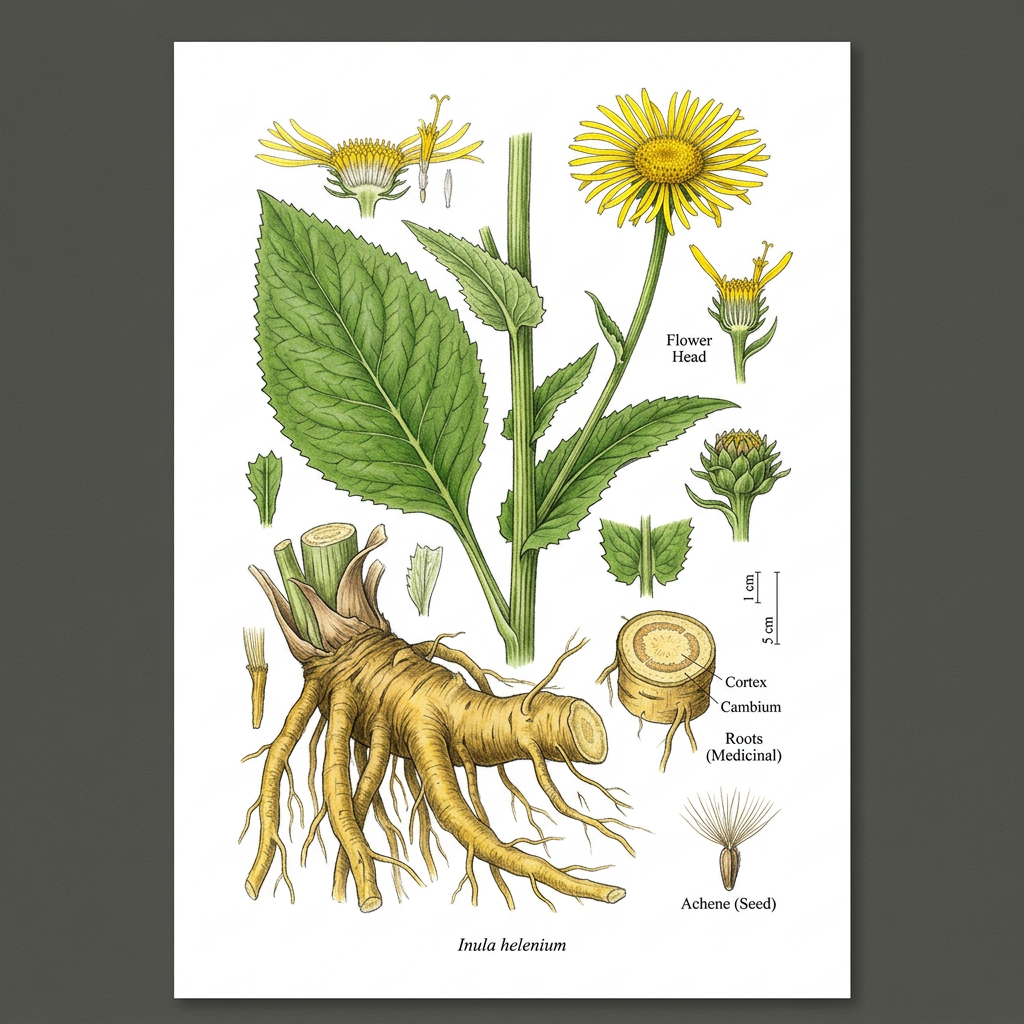
Elecampane

Elecampane

Inula helenium

Lung Health
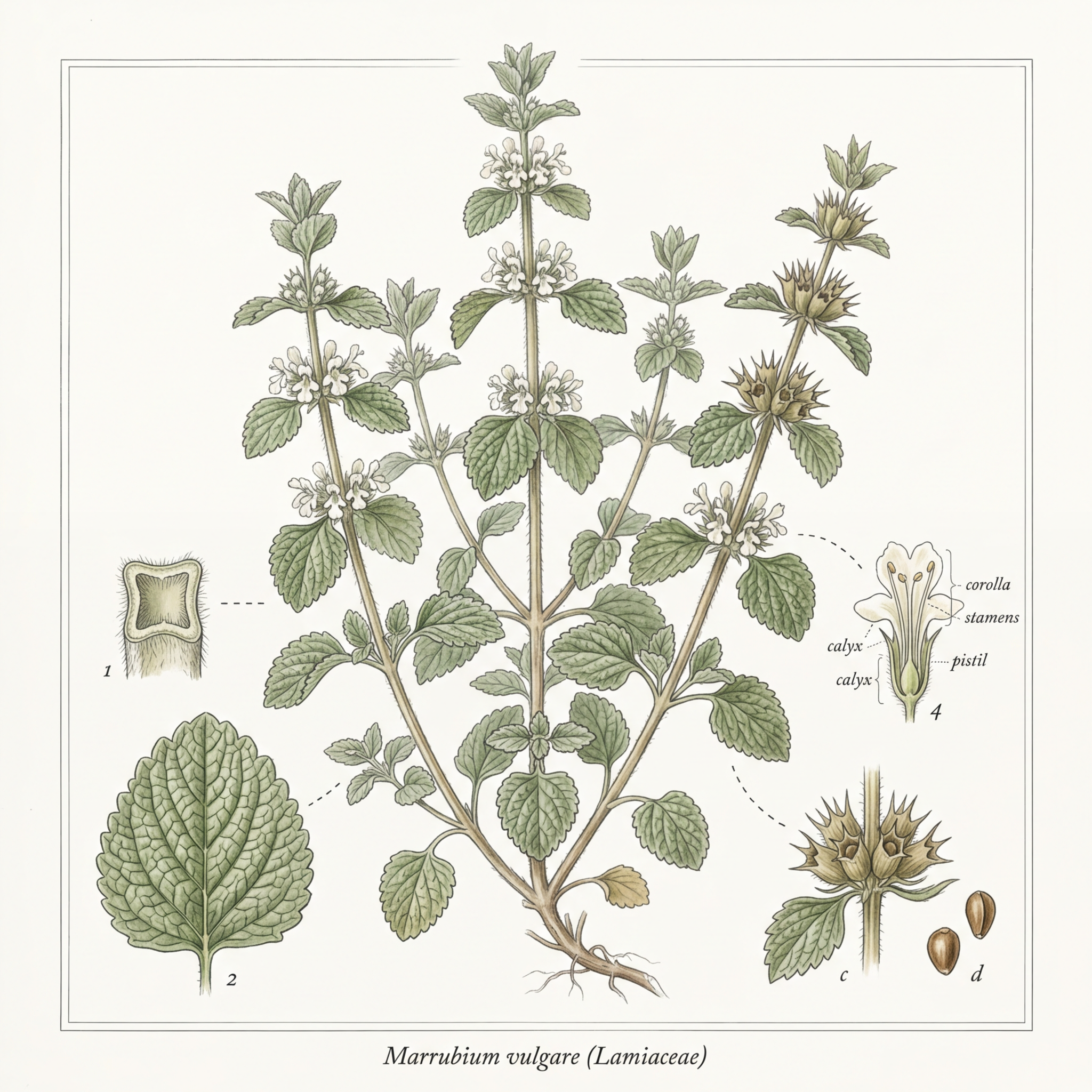
White Horehound

White Horehound

Marrubium vulgare

Digestive aid
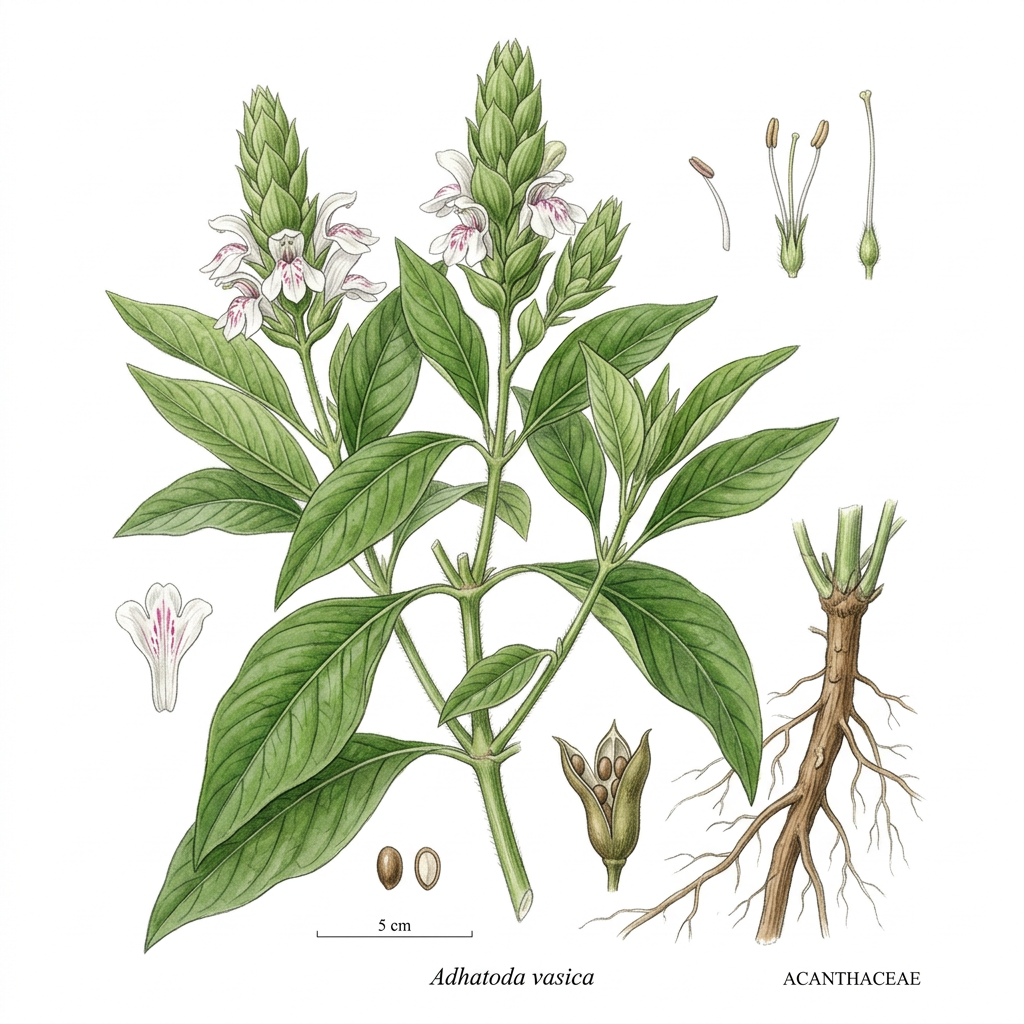
Adhatoda vasia

Adhatoda vasia

Adhatoda vasia

Diabetes
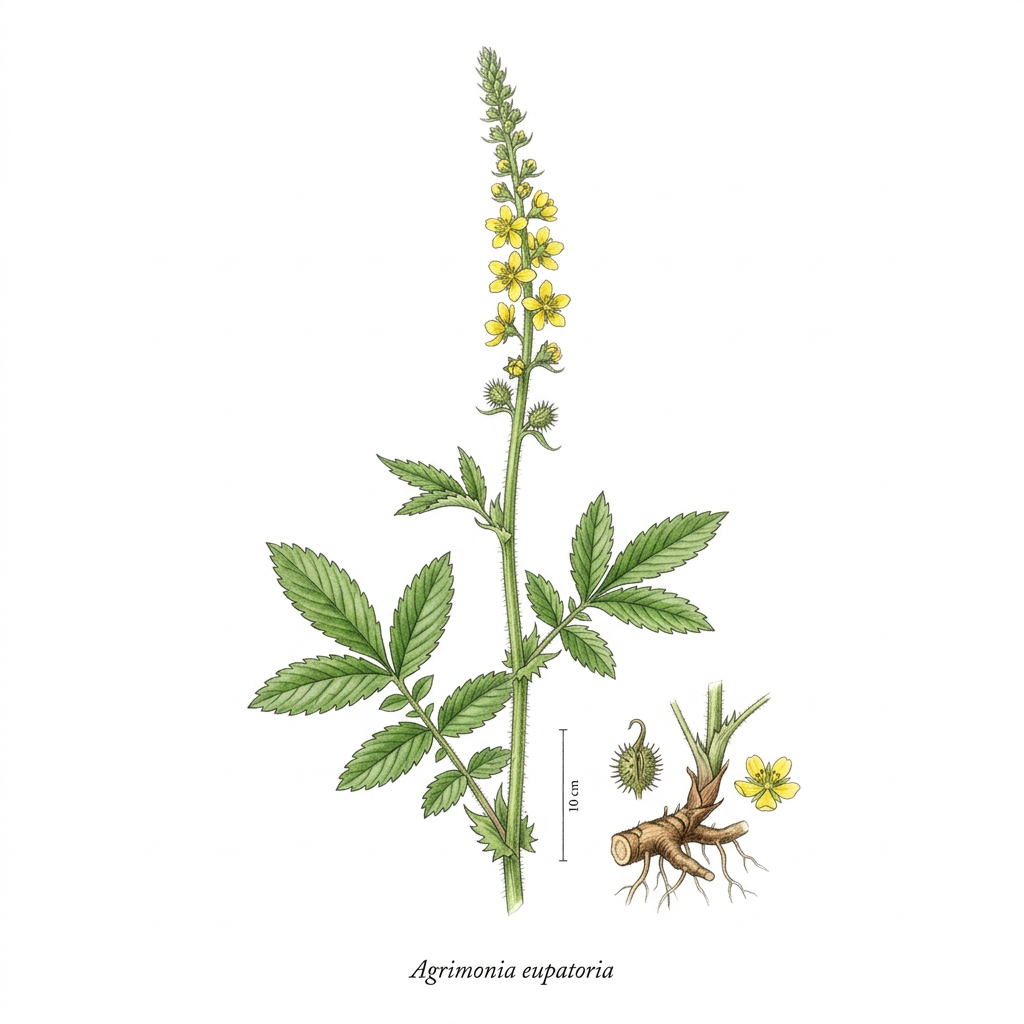
Agrimony

Agrimony

Agrimonia eupatoria

Digestive Aid