The Wild Sage logo
The Wild Sage Logo

Herbal Medicine at your fingertips

Comprehensive database of herbal remedies with detailed safety information and traditional uses

New to herbal terms? Read the glossary →
ADHD
Abcess
Acid Reflux Relief
Acinetobacter
Acne
Acne Vulgaris
Addisons
Adenomyosis
Adenovirus
Adrenal fatigue
Aging
Aids
Alcaligenes faecalis
Alcoholism
Allergic Rhinitis
Allergies
Allergy
Alopoecia
Alopoecia nervosa
Alzheimer's, Dementia & Cognitive Decline
420 herbs found
Important: This information is for educational purposes only. Always consult with qualified healthcare professionals before using herbal remedies, especially if you have existing health conditions or take medications.
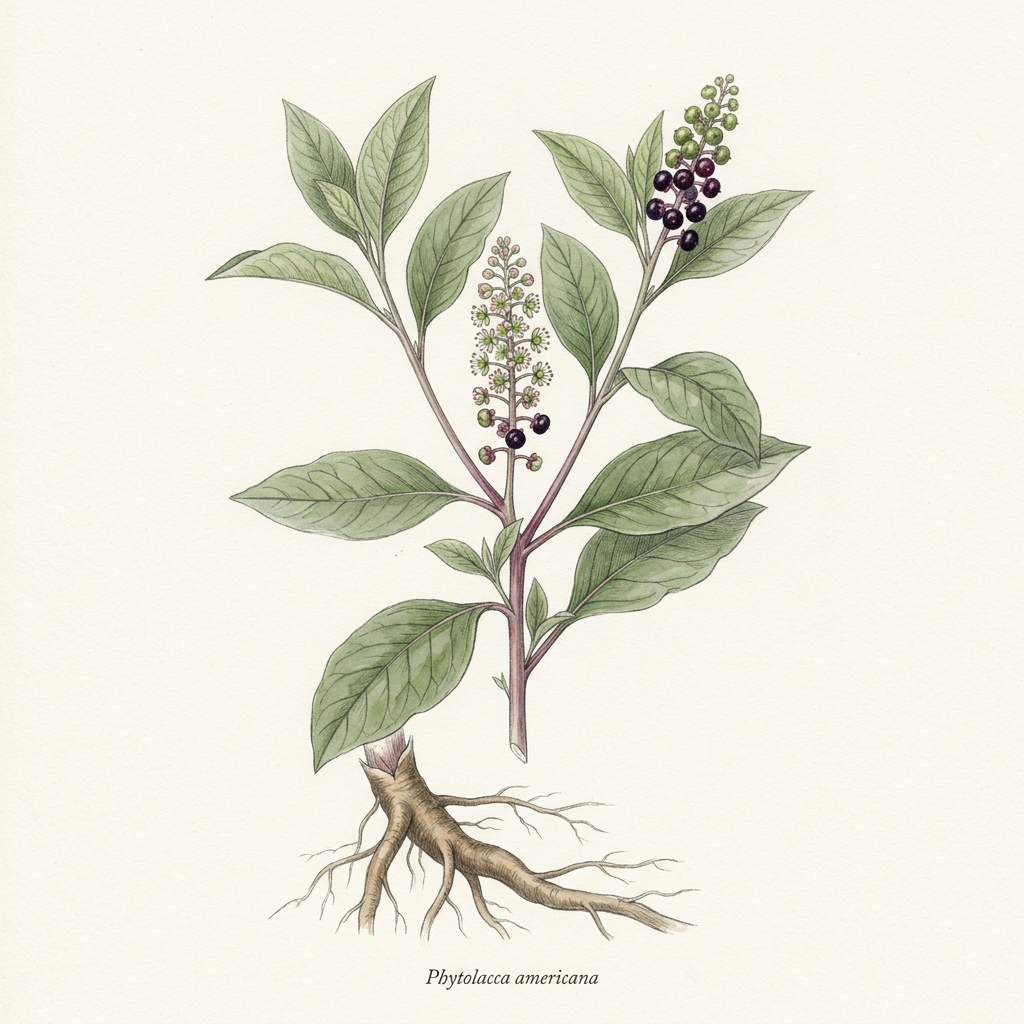
Poke Root

Poke Root

Phytolacca americana

high risk Risk
Phtyolaccaceae
<p>Poke root, scientifically known as Phytolacca americana, is a perennial herb native to North America, renowned historically for its diverse applications in Native American and folk medicine. Traditionally, various parts of the poke plant, particularly the roots, were leveraged for a range of ailments, including rheumatism, inflammation, and as a purgative. The herb has a storied past; early settlers were drawn to its reported therapeutic qualities, often utilizing it to combat lymphatic disorders and as a remedy for mastitis in nursing mothers. However, the use of poke root must be approached with caution due to its natural toxicity, which necessitates a deep understanding of its dosage and preparation. As a potent lymphatic and immune stimulant, poke root's therapeutic properties are primarily attributed to its ability to promote lymphatic circulation and support immune function. Its active compounds, including pokeweed antiviral protein (PAP), exhibit both antiviral and anti-inflammatory properties. Poke root has been recognized for its effectiveness in alleviating symptoms associated with lymphatic congestion, such as swelling and pain in afflicted areas. Furthermore, it has been traditionally indicated for conditions like mastitis, as it may help stimulate the immune response and facilitate the body’s natural drainage processes, providing relief from inflammation and discomfort. The mechanism by which poke root operates within the body is multifaceted. Its lymphatic stimulant action encourages the flow of lymphatic fluid, thereby aiding in the removal of toxins and promoting overall immune health. Additionally, by engaging with various receptor pathways, poke root can facilitate the modulation of inflammatory responses, offering potential relief from pain and swelling associated with conditions like mastitis. Due to its strong biological activity, it is imperative that poke root be used in low doses under professional guidance to harness its benefits safely while minimizing the risk of adverse effects. As research into poke root continues, it holds promise not just as a traditional herbal remedy but as a focal point for further exploration within the realms of botanical medicine and immunology.</p>

Uses & Conditions

Lymphatic Support
Immune Support
Toxin Removal
Mastitis
Breast Cancer
Cystic Breasts
Fibrocystic Breasts
Breast Growths
Acne
Infection
Boils
Catarrhal States
Rheumatism
Stomach Ulcers
Sebaceous Cysts
Ovarian Cyst
Mumps
Hydrocele
Appendicitis

Actions

Lymphatic
Anti-inflammatory
Cytokine Modulation
NFkB Inhibitor
Neurotoxic

Parts Used

root

Native Countries

North America

USDA Hardiness Zones

USDA 3-11

Contraindications

  • Highly toxic plant
  • Pregnancy
  • Epilepsy
  • Cardiovascular disease
  • Neurological conditions

Potential Side Effects

  • Severe gastrointestinal distress
  • Nausea and vomiting
  • Intense abdominal cramping
  • Profuse watery diarrhoea
  • Dizziness
  • Respiratory difficulty
  • Systemic toxicity
  • Contact dermatitis

Interactions

  • Immunosuppressant drugs
  • Cytotoxic chemotherapy agents
  • Anticoagulant medications
  • Antiplatelet medications
  • Diuretic medications

Dosages, tincture ratios & research — members only

Unlock Garreth's dosing guidance, tincture ratios, the dosage calculator and the research studies for Poke Root.

Your assessment and results stay saved — upgrading only unlocks more of them.

See membership plans

Community Photos

No community photos yet. Sign in to upload photos.

Reviews & Ratings

Sign in to leave a review.

No reviews yet. Be the first!

GF

Garreth Falls — B.Th., Dip. H.M., MNIMH

Content curated and reviewed by Garreth Falls, Consultant Medical Herbalist · The Wild Sage

Medical Disclaimer: This information is for educational purposes only and is not intended as medical advice. Always consult with qualified healthcare professionals before starting any herbal treatment.
Western tradition

Sustainability & quality

Abundant

A common native North American plant. Wild harvest should be performed carefully, although it is not currently threatened.

Key constituents

Phytolaccatoxin, Pokeweed antiviral protein (PAP), Saponins, Triterpenoids, Phytolaccic acid, Starch, Sugars, Potassium salts

References

  1. British Herbal Pharmacopoeia 1983
  2. Herbal Reality. Herb monographs. herbalreality.com

Reviewed by Garreth, Medical Herbalist (MNIMH) · November 2026

Related conditions

Explore conditions where Poke Root is traditionally used.

Related Herbs
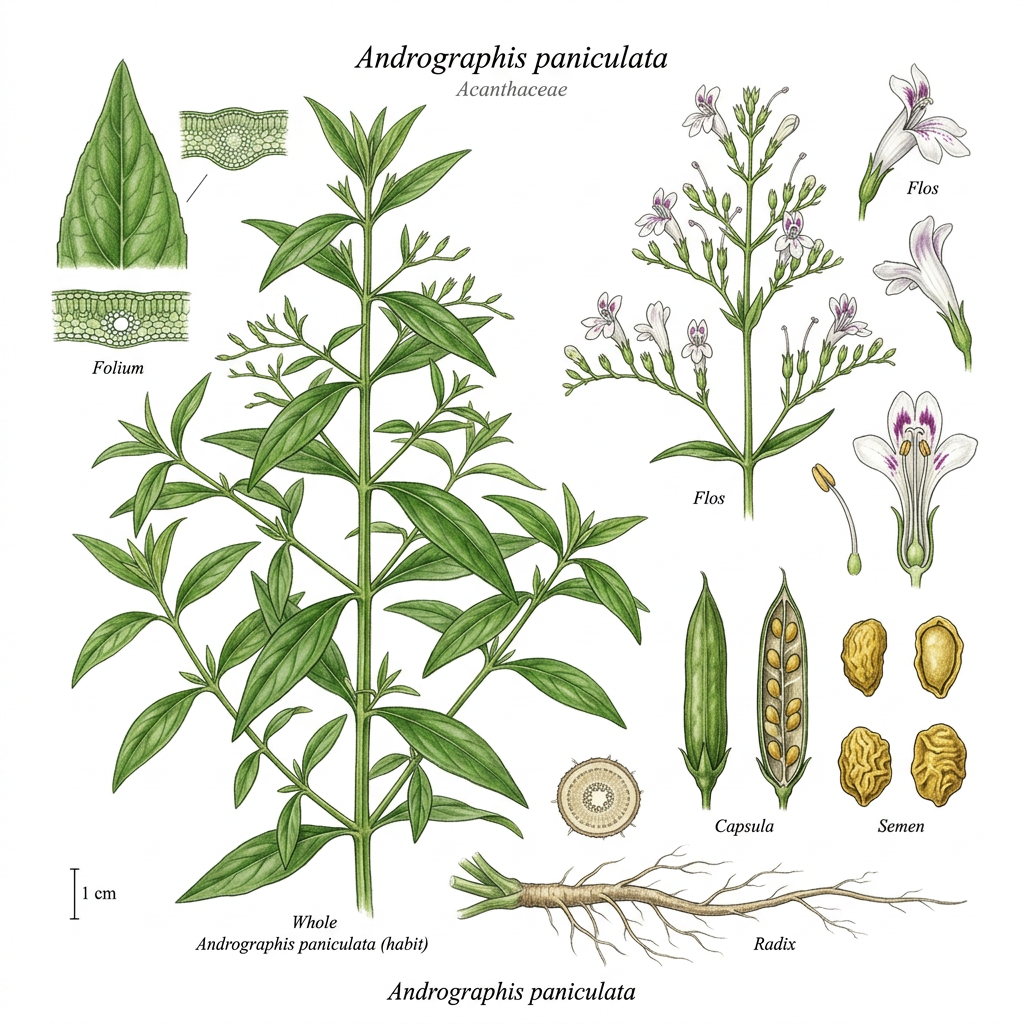
Andrographis

Andrographis

Andrographis paniculata
Immune Support
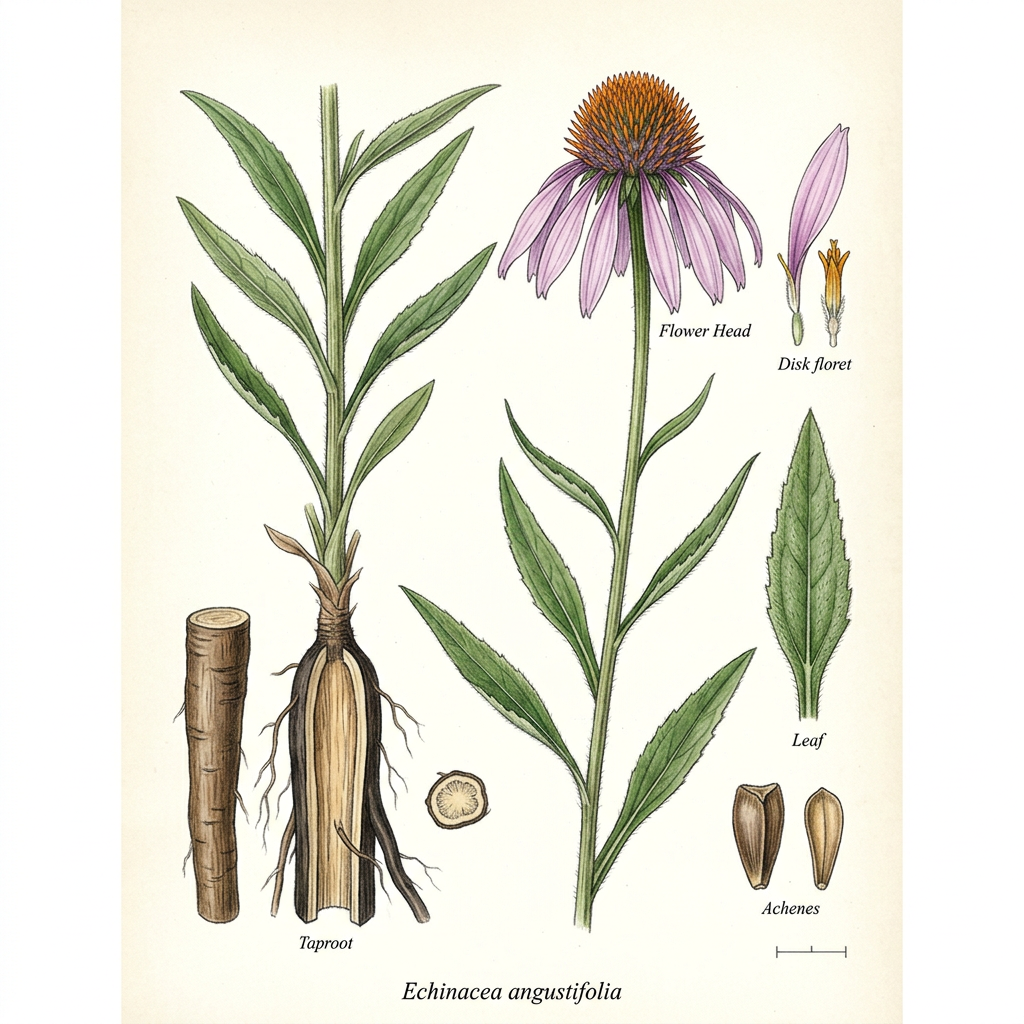
Echinacea angustifolia

Echinacea angustifolia
Echinacea angustifolia

Immune System Support
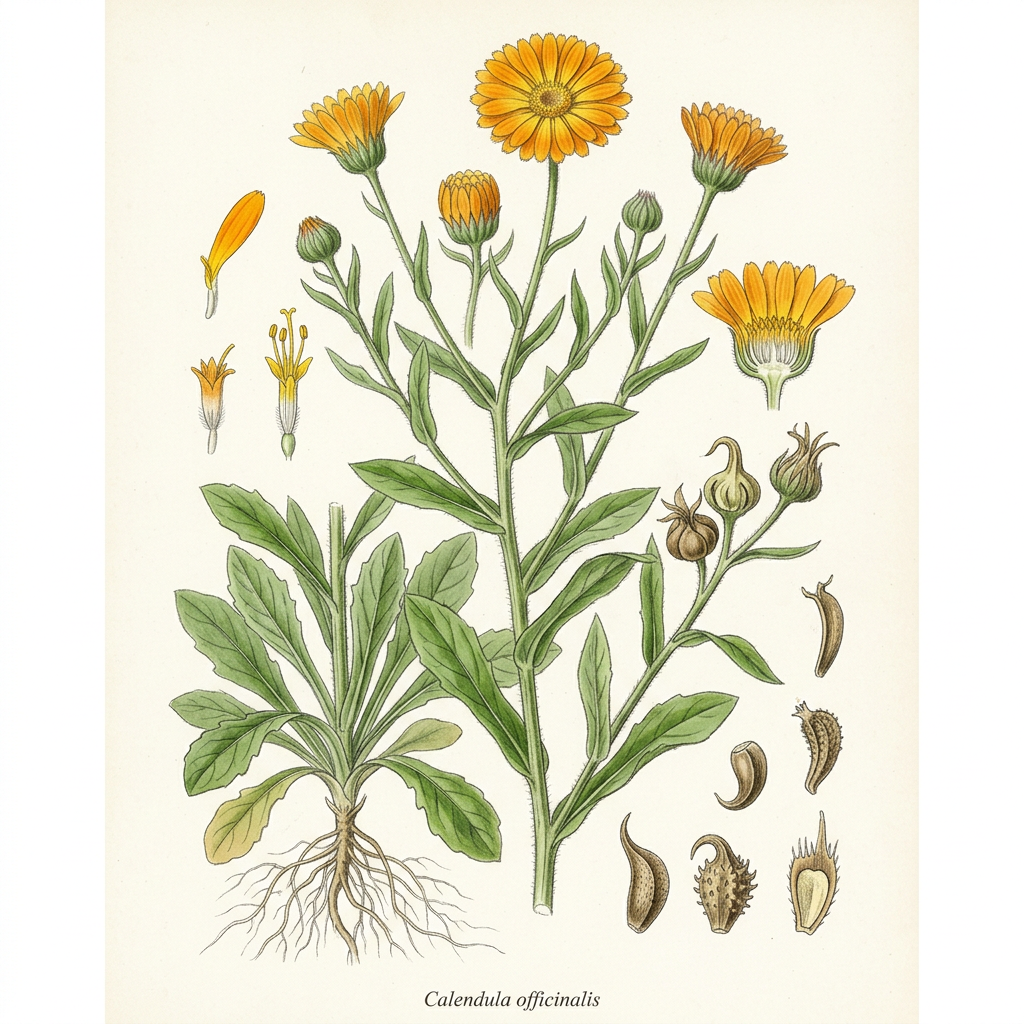
Marigold

Marigold

Calendula officinalis

Lymphatic Support
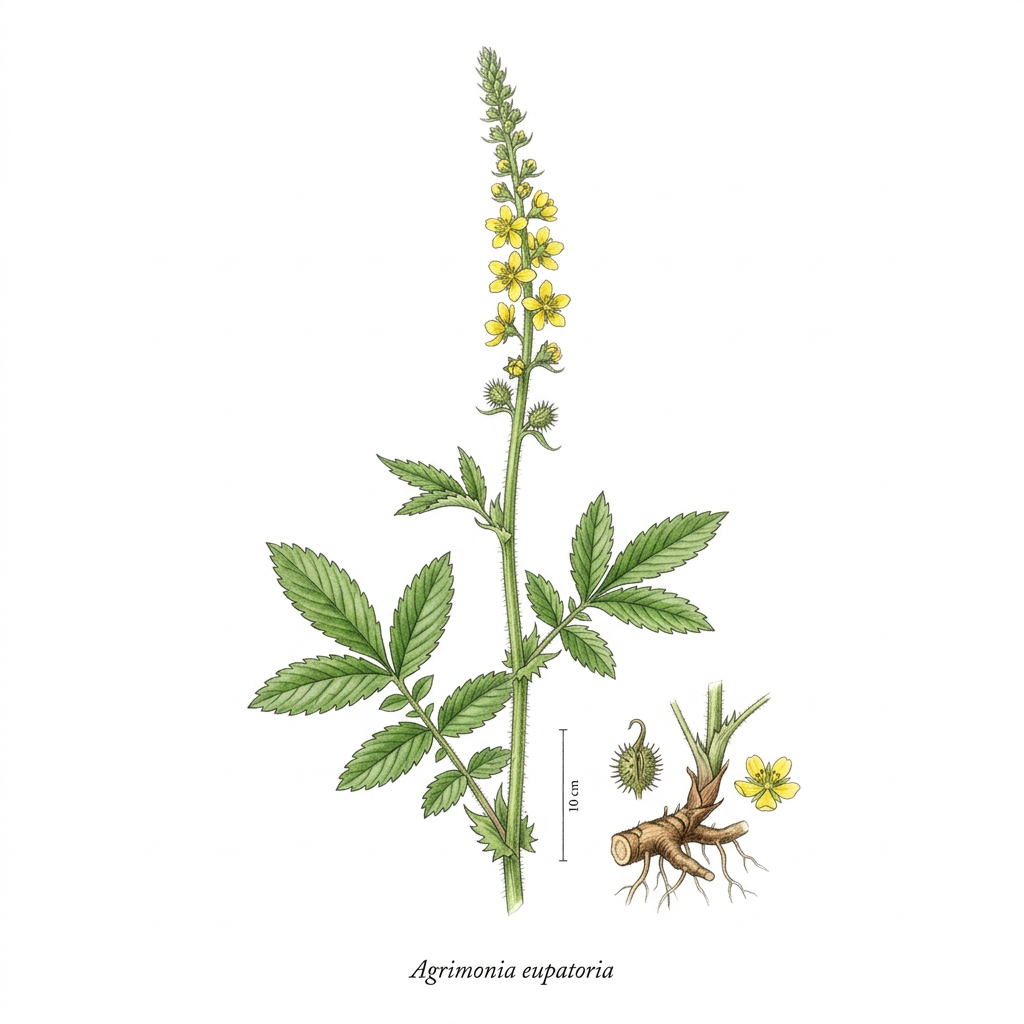
Agrimony

Agrimony

Agrimonia eupatoria

Digestive Aid