The Wild Sage logo
The Wild Sage Logo

Herbal Medicine at your fingertips

Comprehensive database of herbal remedies with detailed safety information and traditional uses

New to herbal terms? Read the glossary →
ADHD
Abcess
Acid Reflux Relief
Acinetobacter
Acne
Acne Vulgaris
Addisons
Adenomyosis
Adenovirus
Adrenal fatigue
Aging
Aids
Alcaligenes faecalis
Alcoholism
Allergic Rhinitis
Allergies
Allergy
Alopoecia
Alopoecia nervosa
Alzheimer's, Dementia & Cognitive Decline
420 herbs found
Important: This information is for educational purposes only. Always consult with qualified healthcare professionals before using herbal remedies, especially if you have existing health conditions or take medications.
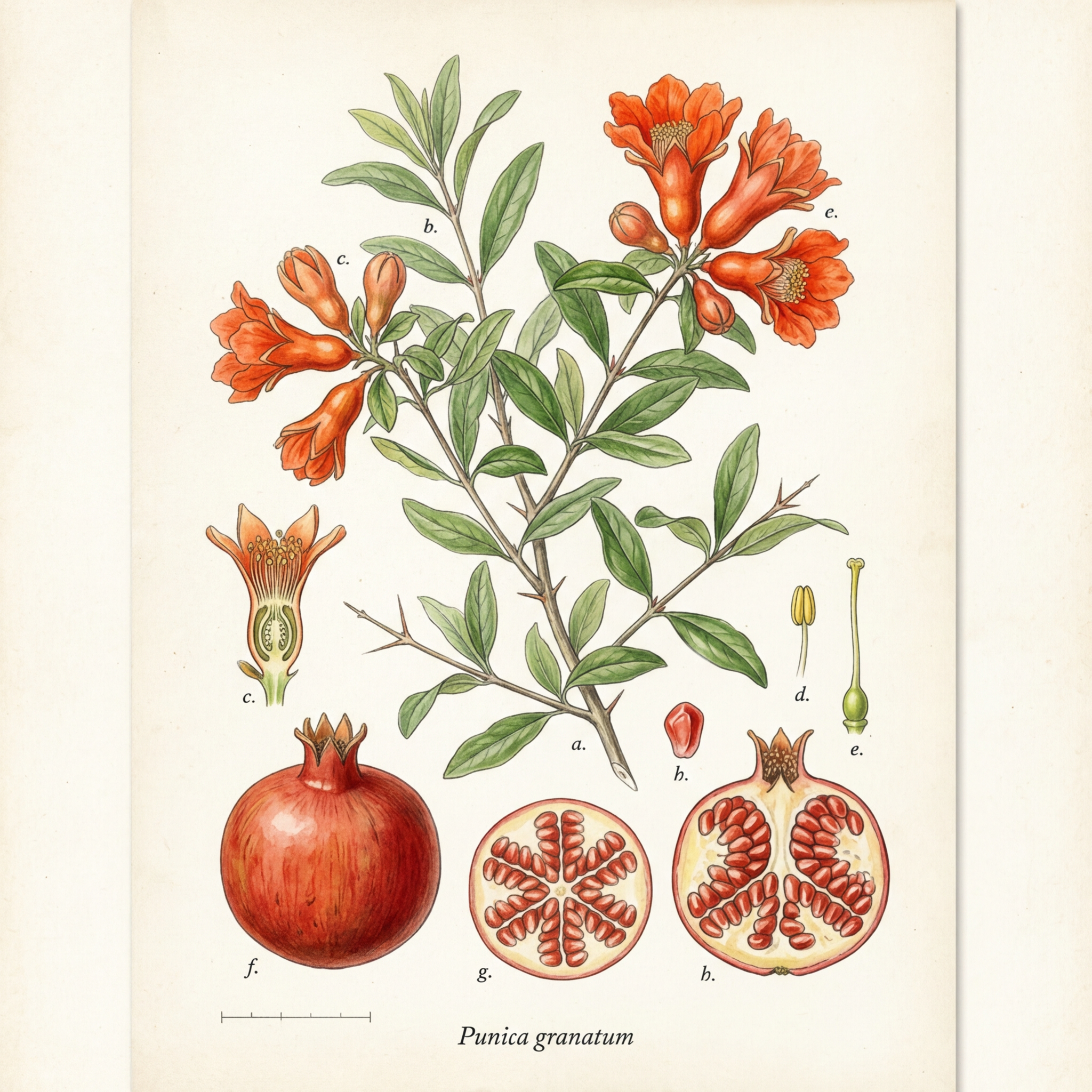
Pomegranate

Pomegranate

Punica granatum

low risk Risk
Lythraceae
Cooling
<p>**Punica granatum: A Comprehensive Overview of Pomegranate** Punica granatum, widely known as the pomegranate, is a deciduous shrub or small tree native to the Mediterranean region and parts of Asia. Historically esteemed for its culinary and medicinal properties, the pomegranate has held a prominent place in various cultures, symbolizing health, fertility, and abundance. Ancient texts from the Greeks, Romans, and Indians reference the fruit, which was used not only for its delicious, tangy seeds but also for numerous health benefits. Traditional medicine has utilized pomegranate juice, peel, and seeds for centuries to address various ailments, making it a significant herb in the Materia Medica. The therapeutic properties of Punica granatum are particularly noteworthy, with established evidence supporting its role in cardiovascular health, hypertension, and hyperlipidemia. The fruit and its extract have demonstrated strong efficacy in reducing LDL cholesterol levels and improving endothelial function, which are crucial factors in maintaining cardiovascular health. Additionally, pomegranate exhibits hypotensive effects, leading to significant reductions in both systolic and diastolic blood pressure. Research has shown that standardized extracts (500–1000 mg daily) and tinctures (400–800 mg daily) produce marked improvements in lipid profiles and overall heart health. Beyond cardiovascular benefits, pomegranate is recognized for its immune-supporting properties, including the enhancement of immune markers and potential antiviral effects against herpes simplex virus (HSV), offering ancillary benefits to systemic wellness. Pomegranate's multifaceted health benefits are attributed to its rich bioactive compound profile, particularly polyphenols—specifically punicalagins and anthocyanins—that confer powerful antioxidant effects. These compounds help combat oxidative stress and inflammation in the body, thereby supporting heart function and immune response. Moreover, P. granatum functions as an NF-kB inhibitor and reduces TNF-a levels, contributing to its anti-inflammatory capacity. Its efficacy in supporting cardiovascular health, bolstering immunity, and potentially mitigating viral outbreaks underscores the significance of Punica granatum as both a dietary staple and a therapeutic agent in herbal medicine.</p>

Uses & Conditions

Antioxidant
Culinary use
Nutritional support
Cardiovascular disease
Hypertension
Hyperlipidaemia
Respiratory infections
Herpes simplex virus
Gastrointestinal upset
Obesity
Oxidant stress
Capillary fragility
Varicose veins
Spider veins
Diarrhoea
Tapeworms

Actions

Antioxidant
NFkB inhibitor
TNF-a inhibitor
Anti-HSV
Anti-cholesterol
Hypotensive

Parts Used

Fruit arils (seeds and juice)
Pericarp (peel of the fruit)
Bark of the root and stem

Native Countries

Iran
India
Mediterranean region
North Africa
Central Asia

USDA Hardiness Zones

8
9
10

Contraindications

  • Pregnancy: avoid high therapeutic doses due to potential uterine stimulating properties of the peel
  • Breastfeeding: insufficient evidence regarding safety
  • Hypotension: use with caution in patients with chronically low blood pressure
  • Planned surgery: discontinue at least two weeks prior due to potential blood-thinning effects
  • Known allergy to Punicaceae family members

Potential Side Effects

  • Gastrointestinal distress such as abdominal cramps or nausea
  • Mild allergic reactions including skin rash or pruritus
  • Lowered blood pressure readings

Interactions

  • ACE inhibitors and antihypertensive drugs: may potentiate hypotensive effects
  • Anticoagulant or antiplatelet medications: potential additive effects increasing bleeding risk
  • Statins: potential for altered metabolism via CYP450 enzyme inhibition
  • CYP3A4 substrates: components may inhibit hepatic enzymes, potentially increasing serum concentrations of drugs

Dosages, tincture ratios & research — members only

Unlock Garreth's dosing guidance, tincture ratios, the dosage calculator and the research studies for Pomegranate.

Your assessment and results stay saved — upgrading only unlocks more of them.

See membership plans

Community Photos

No community photos yet. Sign in to upload photos.

Reviews & Ratings

Sign in to leave a review.

No reviews yet. Be the first!

GF

Garreth Falls — B.Th., Dip. H.M., MNIMH

Content curated and reviewed by Garreth Falls, Consultant Medical Herbalist · The Wild Sage

Medical Disclaimer: This information is for educational purposes only and is not intended as medical advice. Always consult with qualified healthcare professionals before starting any herbal treatment.
Ayurvedic tradition

Sustainability & quality

Abundant

Widely available agricultural fruit. Ensure peel/husk quality is high and free from storage-related microbial contamination.

Key constituents

Ellagitannins (punicalagin), Ellagic acid, Anthocyanins, Flavonoids (quercetin and luteolin), Organic acids (citric and malic acid), Polyphenols

References

  1. Pole "Ayurvedic Medicine" 2006
  2. Herbal Reality. Herb monographs. herbalreality.com

Reviewed by Garreth, Medical Herbalist (MNIMH) · November 2026

Related conditions

Explore conditions where Pomegranate is traditionally used.

Related Herbs
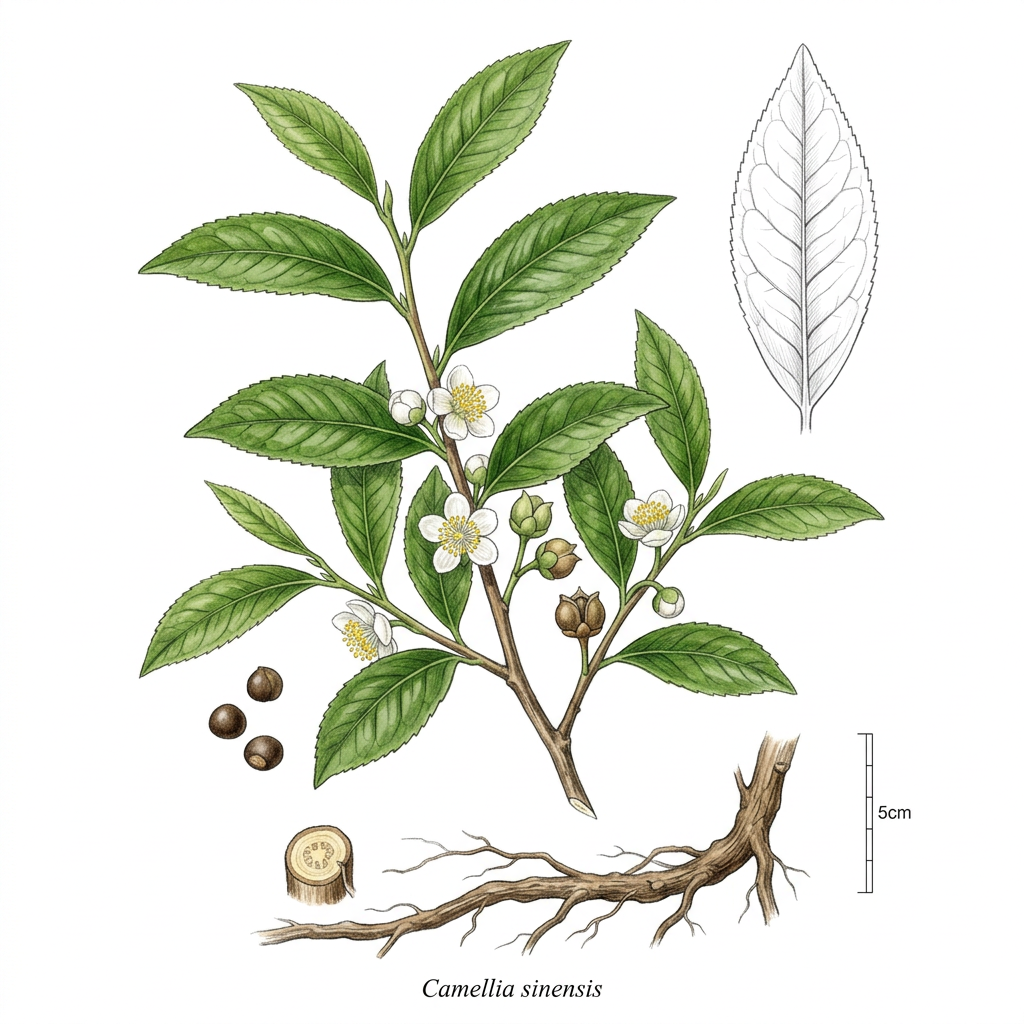
Green Tea

Green Tea

Camellia sinensis

Hypertension
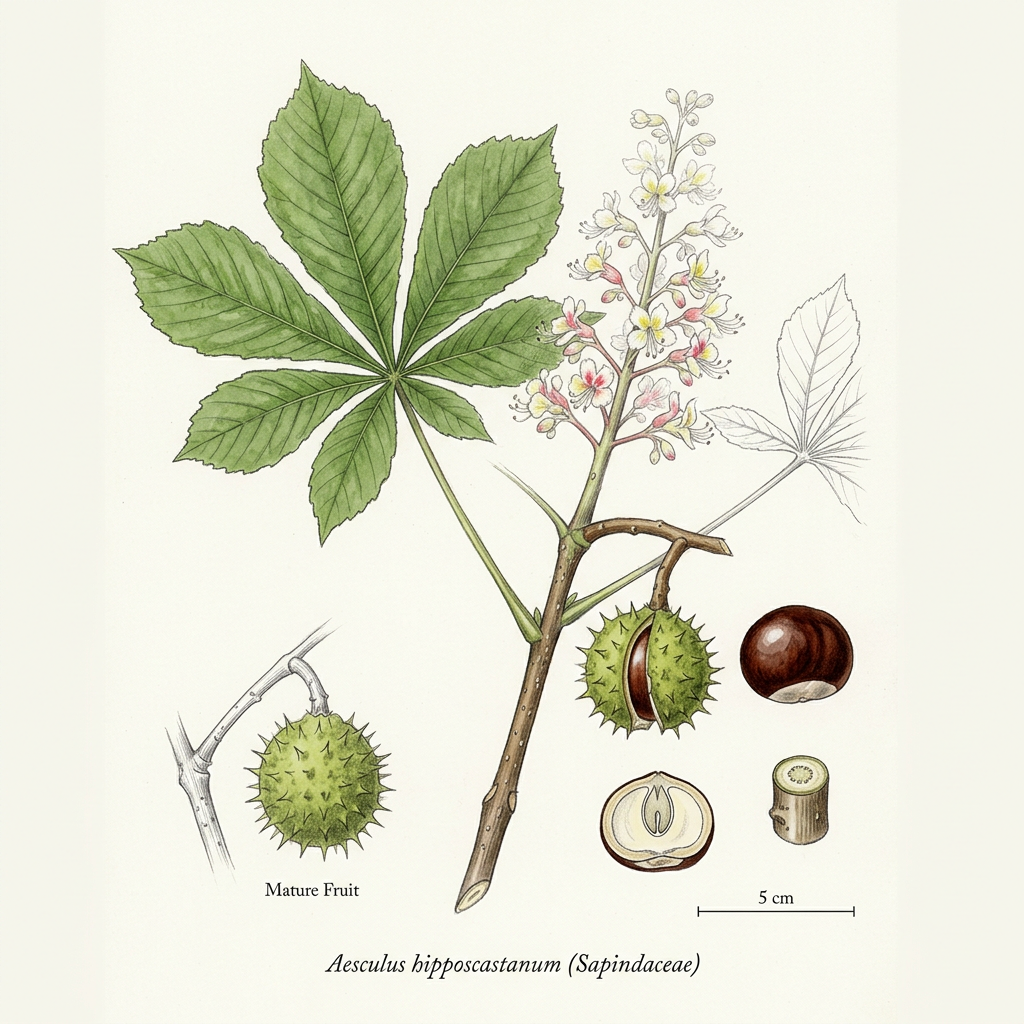
Horse Chestnut

Horse Chestnut

Aesculus hipposcastanum
Blood Tonic
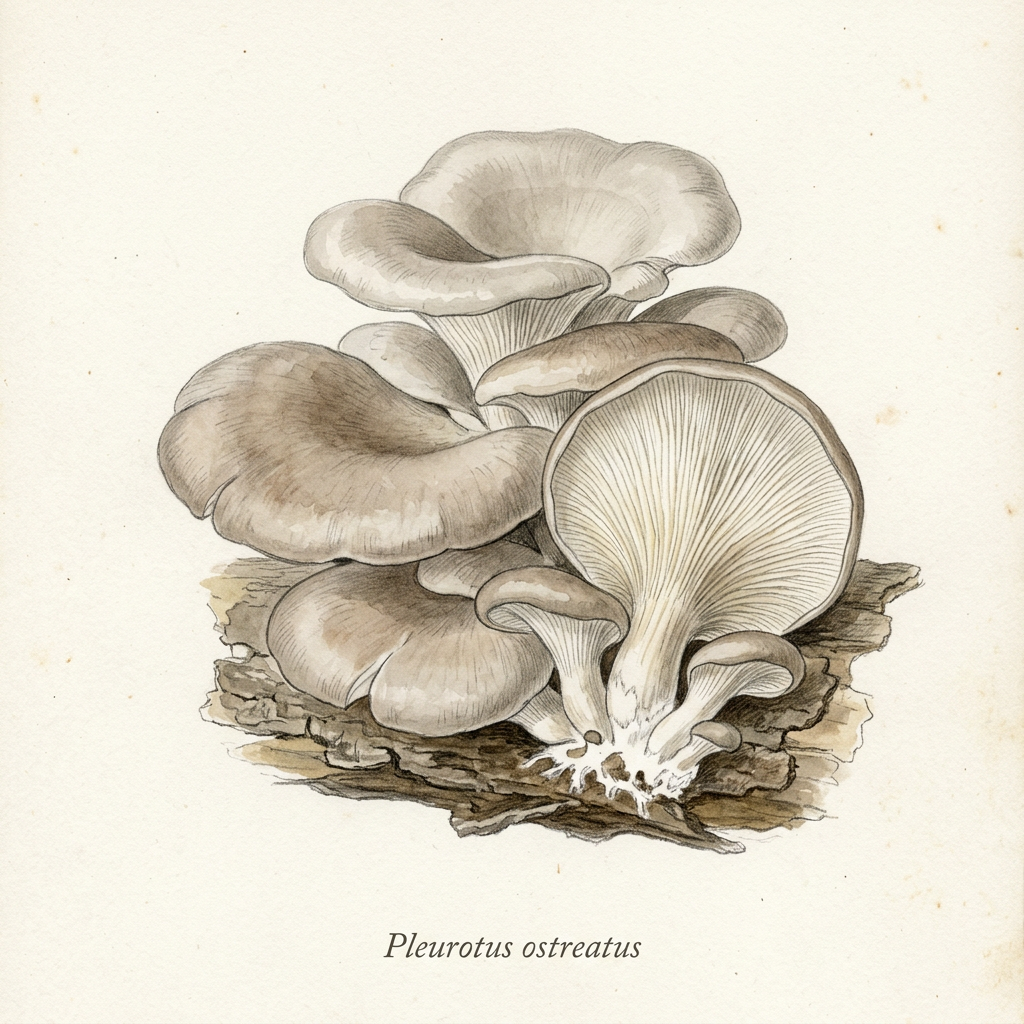
Oyster mushroom

Oyster mushroom

Pleurotus ostreatus

Nutritional Support
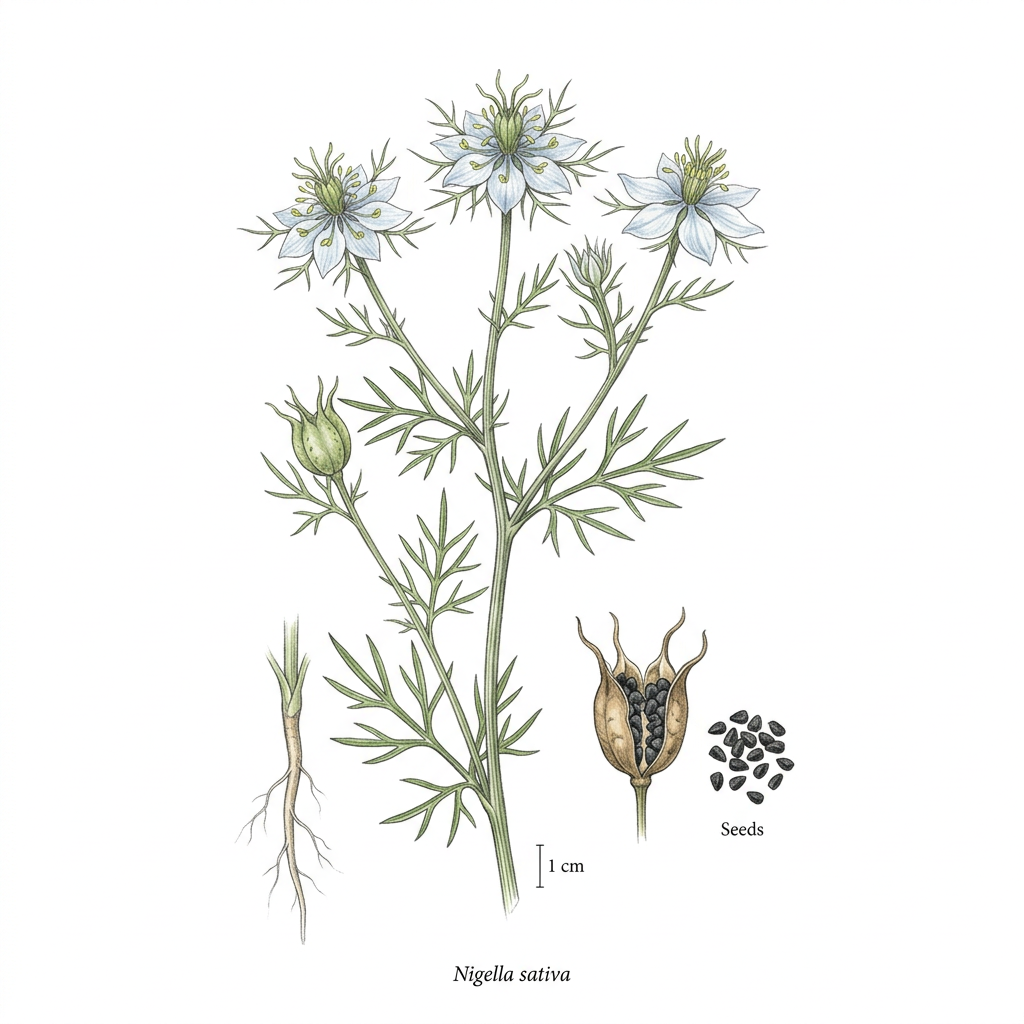
Black Cumin Seed

Black Cumin Seed

Nigella sativa

Antioxidant Support