The Wild Sage logo
The Wild Sage Logo

Herbal Medicine at your fingertips

Comprehensive database of herbal remedies with detailed safety information and traditional uses

New to herbal terms? Read the glossary →
ADHD
Abcess
Acid Reflux Relief
Acinetobacter
Acne
Acne Vulgaris
Addisons
Adenomyosis
Adenovirus
Adrenal fatigue
Aging
Aids
Alcaligenes faecalis
Alcoholism
Allergic Rhinitis
Allergies
Allergy
Alopoecia
Alopoecia nervosa
Alzheimer's, Dementia & Cognitive Decline
420 herbs found
Important: This information is for educational purposes only. Always consult with qualified healthcare professionals before using herbal remedies, especially if you have existing health conditions or take medications.
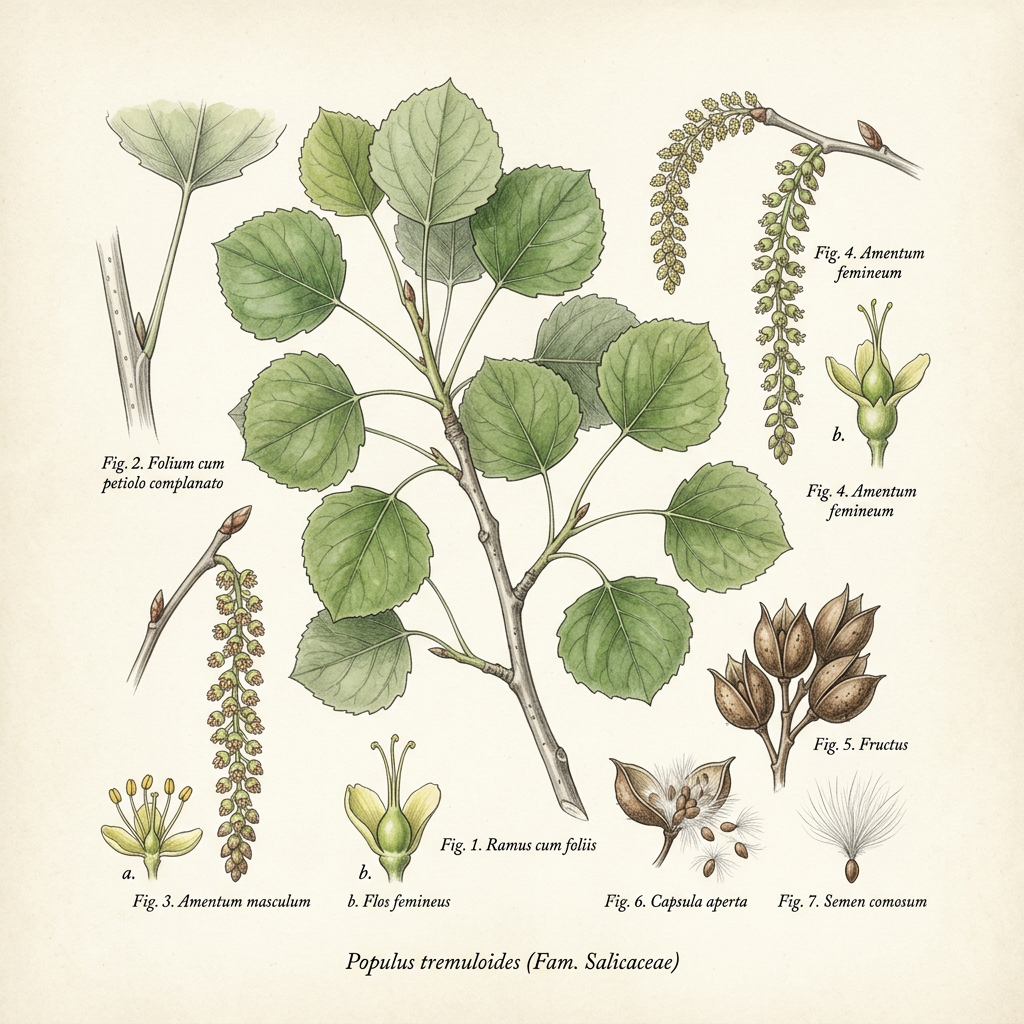
Poplar

Poplar

Populus tremuloides

low risk Risk
Salicaceae
<p>The trembling aspen, commonly referred to as poplar, is a deciduous tree native to North America, distinguished by its fluttering leaves that shimmer in the breeze, creating a distinctive visual dance. Traditionally, indigenous cultures have utilized the bark and buds of the poplar tree for various medicinal purposes. Native Americans, in particular, revered the tree not only for its beauty but also for its practical applications, using it in herbal remedies for pain relief and respiratory ailments. The poplar’s anti-inflammatory and antiseptic properties have made it a staple in traditional medicine, where it is often prepared as infusions, poultices, and salves. Poplar is endowed with a remarkable array of therapeutic properties, including choleretic, antibacterial, hypoglycaemic, anxiolytic, and NFkB inhibitory actions. The choleretic properties enhance the production and flow of bile from the liver, thus promoting better digestion and fat absorption. Its antibacterial action offers a natural defense against various pathogens, making it valuable in the treatment of infections. Additionally, research suggests that poplar may assist in stabilizing blood sugar levels, offering potential benefits for individuals managing diabetes. The herb also exhibits anxiolytic properties, providing a soothing effect that can alleviate anxiety and promote emotional well-being. The inhibition of the NFkB pathway is particularly significant, as this action may help modulate inflammatory responses and reduce oxidative stress in the body. The mechanisms through which poplar exerts its beneficial effects are multifaceted. The active compounds found in the bark, such as flavonoids and phenolic acids, play a pivotal role in mediating its therapeutic effects. These phytochemicals contribute to its anti-inflammatory and antibacterial properties while also promoting enhanced bile production through the stimulation of hepatic functions. The anxiolytic effects can be attributed to the modulation of neurotransmitters, enhancing the body's resilience to stress. By inhibiting the NFkB signaling pathway, poplar helps mitigate chronic inflammation at a cellular level, supporting overall health and vitality. In summary, poplar emerges as a valuable herb within the realm of herbal medicine, bridging its rich historical uses with modern therapeutic applications.</p>

Uses & Conditions

Respiratory Ailments
Digestive Support
Bile Production
Fat Absorption
Blood Sugar Stabilisation
Anxiety Relief
Emotional Well-being
Stress Resilience
Pain Relief
Infection Treatment
Chronic Inflammation
Oxidative Stress
Ulcerative Colitis
Gout
Rheumatoid Arthritis

Actions

Choleretic
Antibacterial
Hypoglycaemic
Anxiolytic
NFkB Inhibitor
Anti-inflammatory
Antiseptic

Parts Used

Stem bark
Leaf buds

Native Countries

United States
Canada
Mexico
Northern Europe
China

USDA Hardiness Zones

2
3
4
5
6

Contraindications

  • Known allergy or hypersensitivity to salicylates or aspirin
  • Pregnancy and breastfeeding
  • Children or teenagers recovering from viral infections due to a theoretical risk of Reye's syndrome
  • Pre-operative patients; should be discontinued at least two weeks before elective surgery
  • Active peptic ulcers or severe gastritis

Potential Side Effects

  • Gastric irritation or nausea in sensitive individuals
  • Allergic skin reactions when applied topically
  • Tinnitus or dizziness in cases of excessive intake

Interactions

  • Aspirin or NSAIDs: may increase the risk of gastric irritation or bleeding due to salicylate content
  • Anticoagulants such as warfarin: potential additive effects on blood clotting time
  • Methotrexate: may theoretically increase the toxicity of this drug due to reduced renal excretion
  • Prescription medicines: use caution due to potential enhancement of salicylate-like pathways

Dosages, tincture ratios & research — members only

Unlock Garreth's dosing guidance, tincture ratios, the dosage calculator and the research studies for Poplar.

Your assessment and results stay saved — upgrading only unlocks more of them.

See membership plans

Community Photos

No community photos yet. Sign in to upload photos.

Reviews & Ratings

Sign in to leave a review.

No reviews yet. Be the first!

GF

Garreth Falls — B.Th., Dip. H.M., MNIMH

Content curated and reviewed by Garreth Falls, Consultant Medical Herbalist · The Wild Sage

Medical Disclaimer: This information is for educational purposes only and is not intended as medical advice. Always consult with qualified healthcare professionals before starting any herbal treatment.
Western tradition

Sustainability & quality

Abundant

Abundant wild tree; ensure bark harvest is done in accordance with sustainable forestry practices.

Key constituents

Salicin, Flavonoids, Tannins, Phenolic compounds, Essential oils, Glycosides

References

  1. British Herbal Pharmacopoeia 1983
  2. ESCOP Monographs 2nd ed. 2003
  3. Herbal Reality. Herb monographs. herbalreality.com

Reviewed by Garreth, Medical Herbalist (MNIMH) · November 2026

Related conditions

Explore conditions where Poplar is traditionally used.

Related Herbs
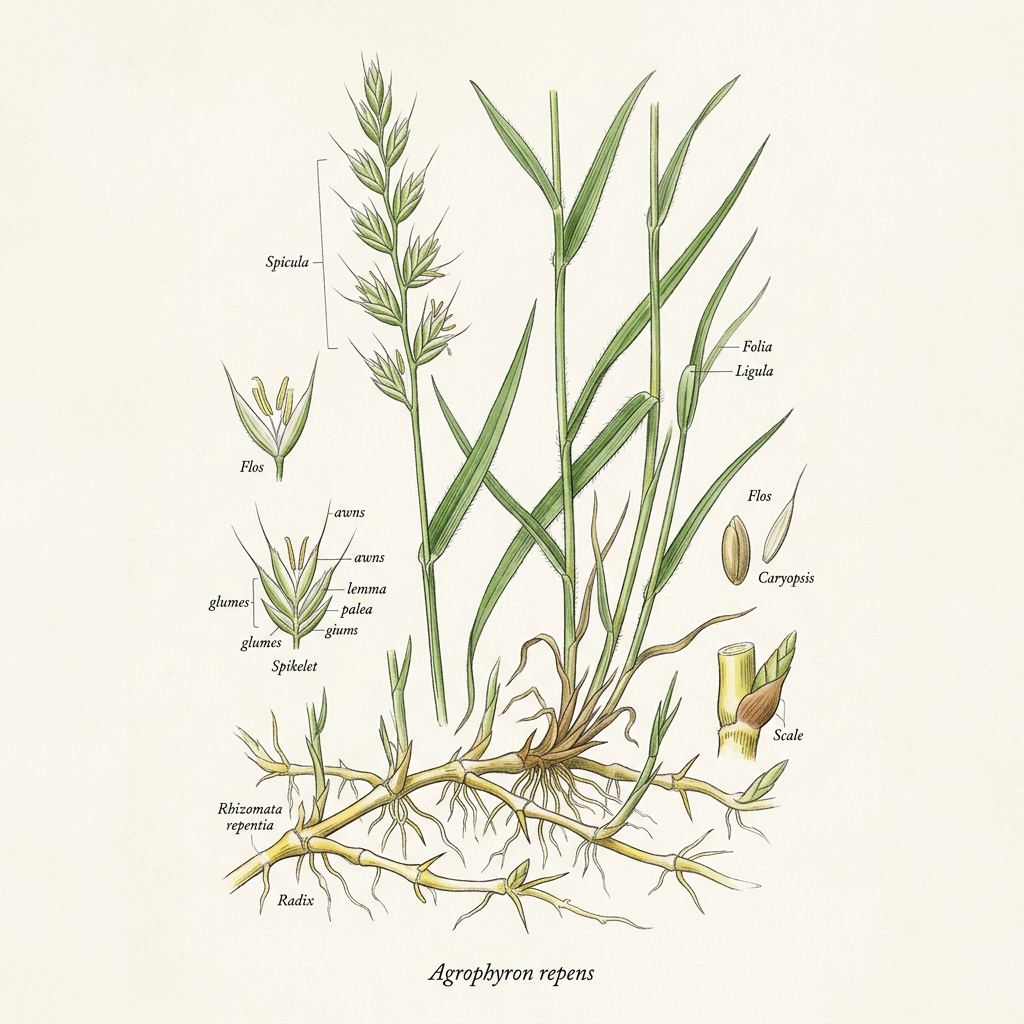
Couch Grass

Couch Grass

Elymus repens

Urinary Function Improvement
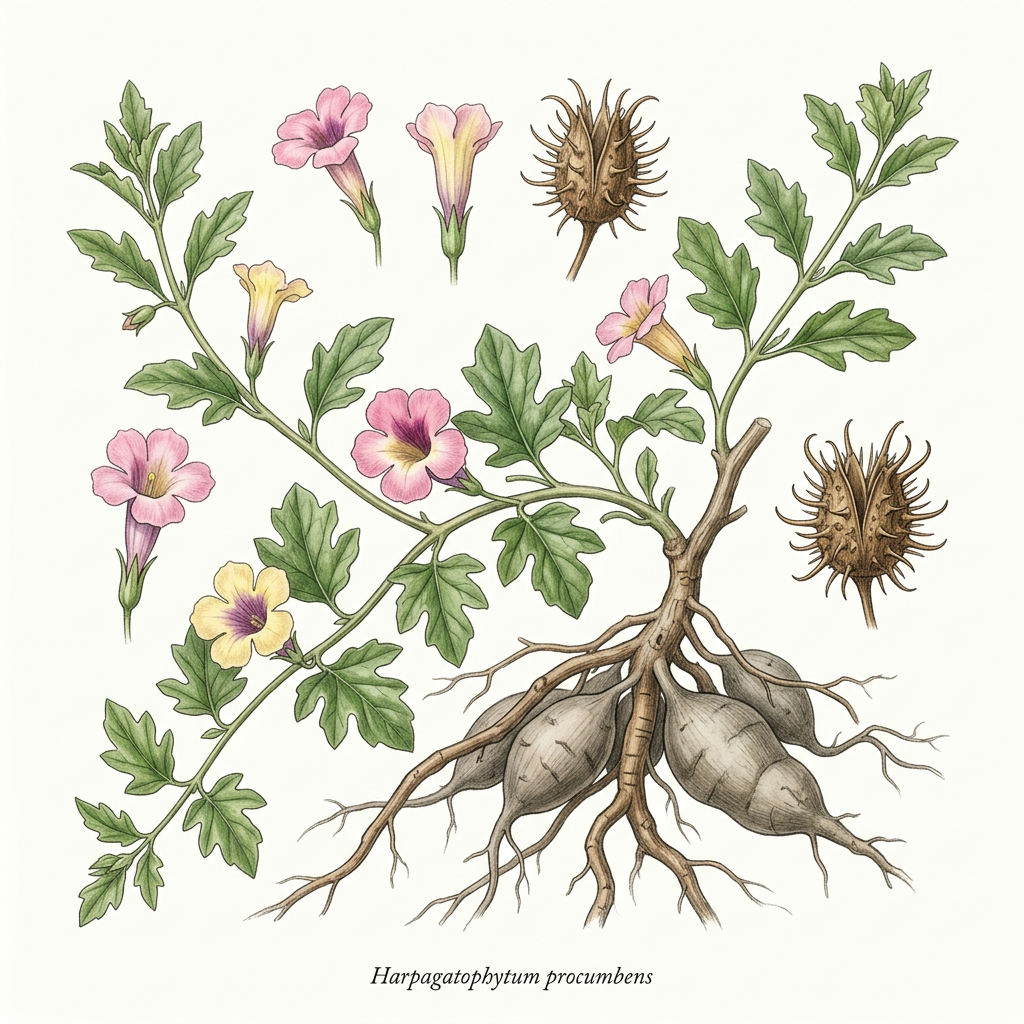
Devil's Claw

Devil's Claw

Harpagophytum procumbens
Circulation enhancement
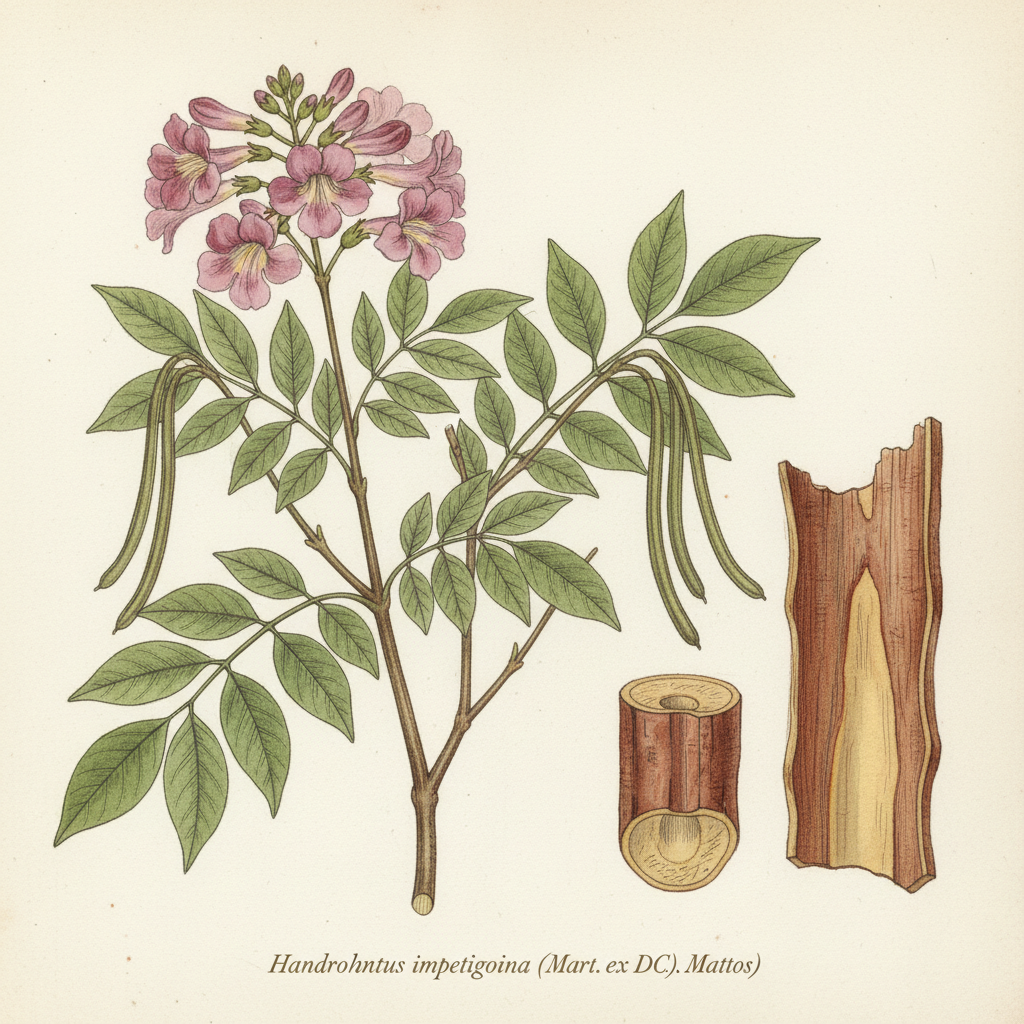
Pau D'Arco

Pau D'Arco

Handroanthus impetiginosa

Immune Support
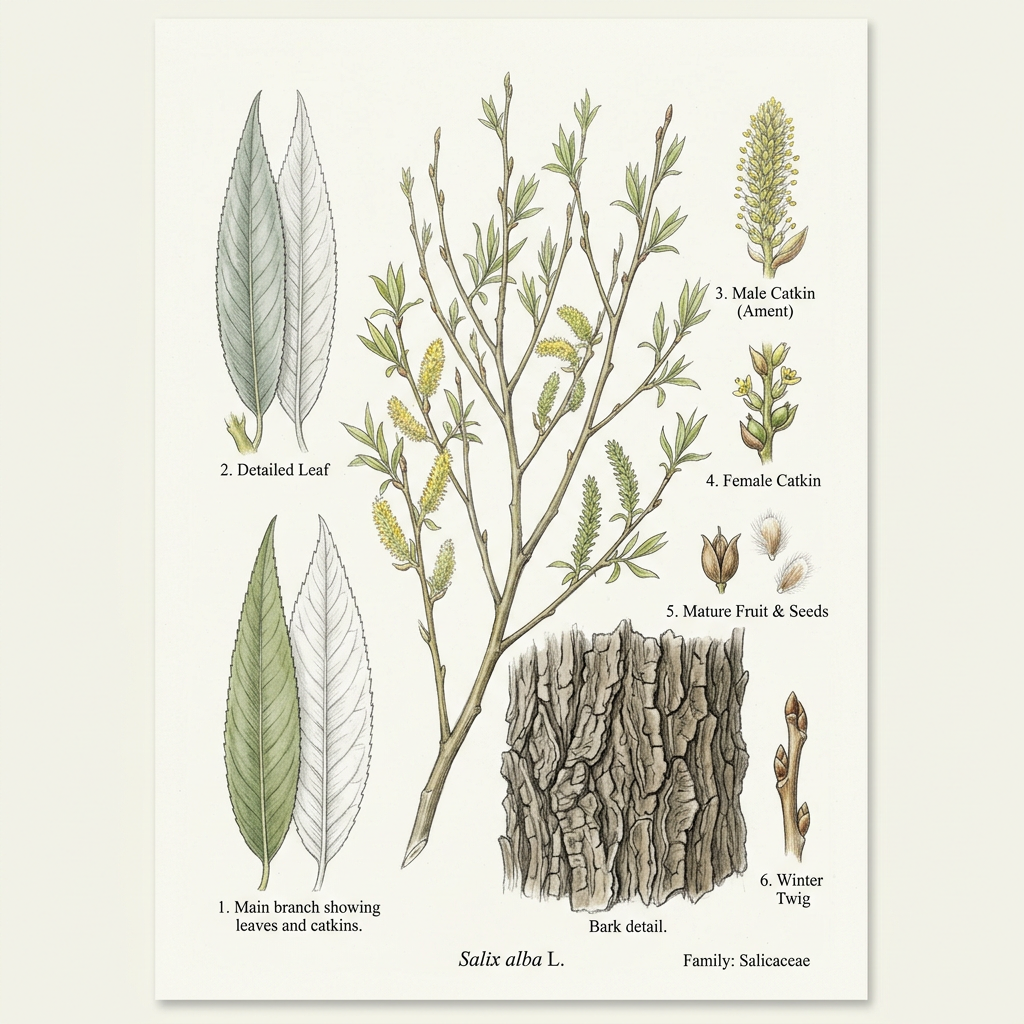
Willow

Willow

Salix alba

Temperature Regulation