The Wild Sage logo
The Wild Sage Logo

Herbal Medicine at your fingertips

Comprehensive database of herbal remedies with detailed safety information and traditional uses

New to herbal terms? Read the glossary →
ADHD
Abcess
Acid Reflux Relief
Acinetobacter
Acne
Acne Vulgaris
Addisons
Adenomyosis
Adenovirus
Adrenal fatigue
Aging
Aids
Alcaligenes faecalis
Alcoholism
Allergic Rhinitis
Allergies
Allergy
Alopoecia
Alopoecia nervosa
Alzheimer's, Dementia & Cognitive Decline
420 herbs found
Important: This information is for educational purposes only. Always consult with qualified healthcare professionals before using herbal remedies, especially if you have existing health conditions or take medications.
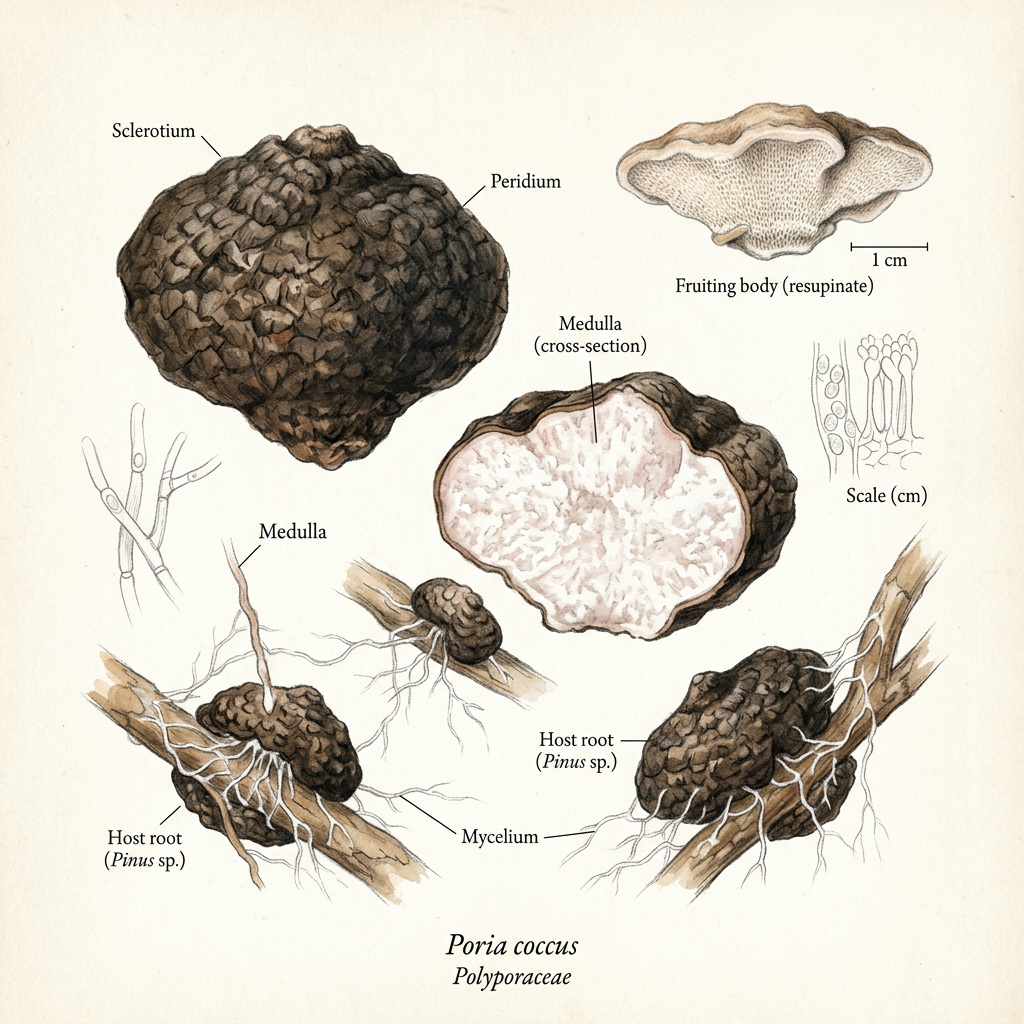
Poria coccus

Poria coccus

Poria coccus

low risk Risk
polyporaceae
Promotes tranquility and enhances digestion while stabilizing emotions.
<p>**Wolfiporia extensa** (also known as **Poria coccus**) is a medicinal fungus that has been revered in traditional Chinese medicine (TCM) for centuries. Commonly referred to as "Fu Ling," this herb is primarily derived from the sclerotia of the Poria fungus, which typically grows on the roots of pine trees. In TCM, Wolfiporia extensa is valued for its diuretic, soothing, and tonifying qualities. Historical texts mention its use in formulations designed to promote digestive health, manage fluids in the body, and bolster overall vitality. Its applications have also extended to support sleep and calm the spirit, reflecting its broad holistic significance in herbal practices. The therapeutic properties of Wolfiporia extensa are multifaceted, including its well-documented antimicrobial, digestive, and immune-supporting effects. The fungus contains bioactive compounds such as polysaccharides and triterpenes, which play a central role in its health benefits. The antimicrobial properties help combat pathogens, making it a beneficial addition to remedies aimed at enhancing resilience against infections. As a digestive aid, Wolfiporia extensa is believed to promote better assimilation of nutrients and enhance gut health by reducing bloating and promoting a balanced digestive environment. Its immunomodulatory effects can help regulate immune responses, contributing to a strengthened immune system, which is particularly advantageous in the face of chronic stress or illness. Upon consumption, Wolfiporia extensa is absorbed and processed within the digestive system, where its active compounds interact with cellular pathways involved in immune response and inflammation. The polysaccharides stimulate immune cells, enhancing the body’s defense against invaders. Furthermore, its gentle diuretic action helps to remove excess fluids and toxins, promoting balance within the body's systems. As an adaptogen, this herb also aids in harmonizing the body’s response to stress, thus fostering a sense of tranquility and mental clarity. Overall, Wolfiporia extensa stands out not just for its historical significance but also for its integrative role in contemporary herbal practice, appealing to those seeking natural support for their holistic health journey.</p>

Uses & Conditions

Nutrient Assimilation
Calming The Spirit
Mental Clarity
Oedema
Hypertension
Headache
Dizziness
Gastroparesis
Dysphagia
Tremor
Palpitations
Nausea
Digestive Issues
Hypercholesterolaemia
Wounds

Actions

Antimicrobial
Diuretic
Digestive Aid
Immunomodulant

Parts Used

Sclerotium

Native Countries

Asia

USDA Hardiness Zones

USDA 3-8

Contraindications

  • Pregnancy: avoid due to insufficient safety data
  • Breastfeeding: caution advised due to lack of clinical studies
  • Urinary frequency or spermatorrhea
  • Cold deficiency: use with caution in cases of clear
  • cold-type fluid accumulation without damp-heat signs

Potential Side Effects

  • Mild gastrointestinal discomfort including abdominal bloating or nausea
  • Rare allergic skin reactions

Interactions

  • Diuretics: potential additive effect increasing risk of electrolyte imbalance
  • Lithium: potential changes in renal excretion may alter serum levels
  • Antidiabetic medications: potential effects on blood glucose requiring monitoring with insulin or oral hypoglycaemics

Dosages, tincture ratios & research — members only

Unlock Garreth's dosing guidance, tincture ratios, the dosage calculator and the research studies for Poria coccus.

Your assessment and results stay saved — upgrading only unlocks more of them.

See membership plans

Community Photos

No community photos yet. Sign in to upload photos.

Reviews & Ratings

Sign in to leave a review.

No reviews yet. Be the first!

GF

Garreth Falls — B.Th., Dip. H.M., MNIMH

Content curated and reviewed by Garreth Falls, Consultant Medical Herbalist · The Wild Sage

Medical Disclaimer: This information is for educational purposes only and is not intended as medical advice. Always consult with qualified healthcare professionals before starting any herbal treatment.
Chinese tradition

Sustainability & quality

Cultivated

Farmed extensively on tree substrates; ensure correct species identification and purity.

Key constituents

Beta-pachyman (polysaccharide), Pachymic acid (triterpene), Eburicoic acid, Tumulosic acid, Pinicolic acid, Ergosterol

References

  1. Bensky "Chinese Herbal Medicine: Materia Medica" 3rd ed. 2004
  2. Herbal Reality. Herb monographs. herbalreality.com

Reviewed by Garreth, Medical Herbalist (MNIMH) · November 2026

Related conditions

Explore conditions where Poria coccus is traditionally used.

Related Herbs
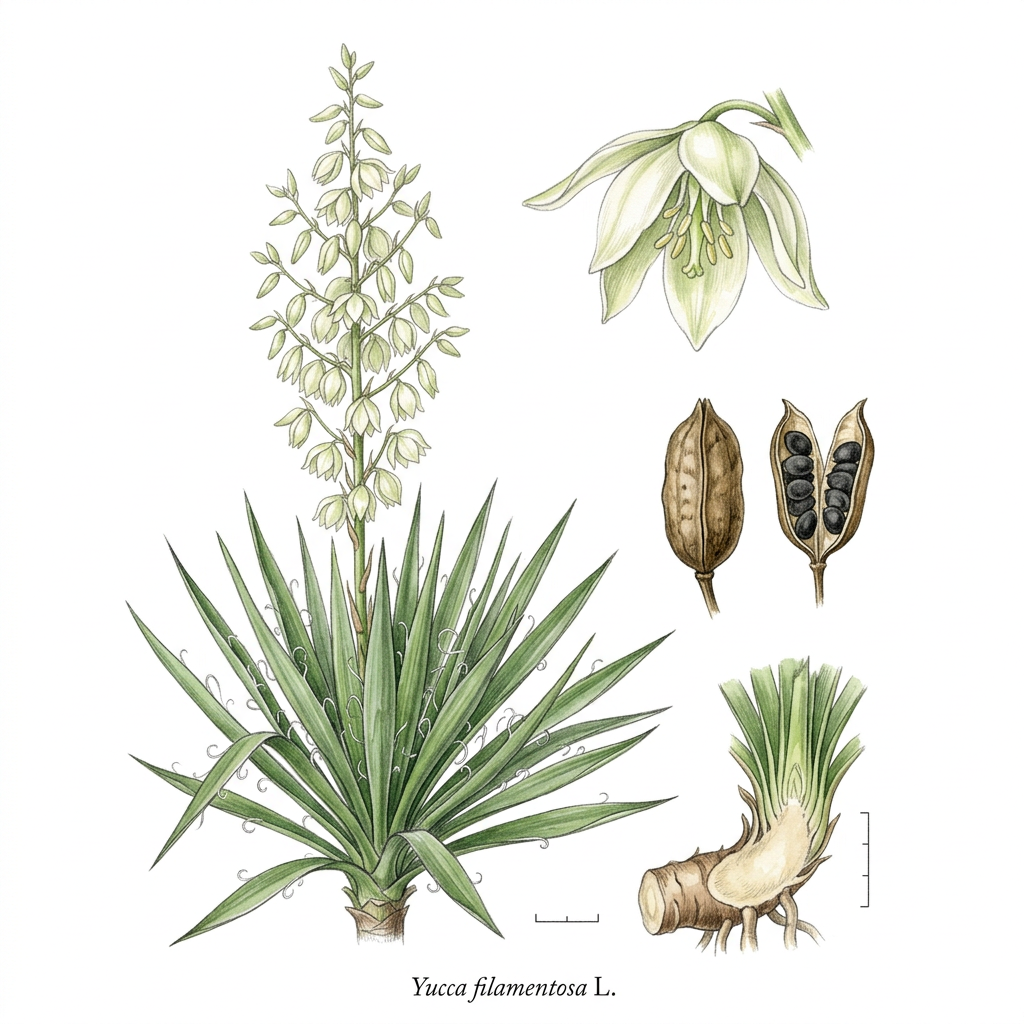
Adams needles

Adams needles

Yucca filamentosa

Joint Function Improvement
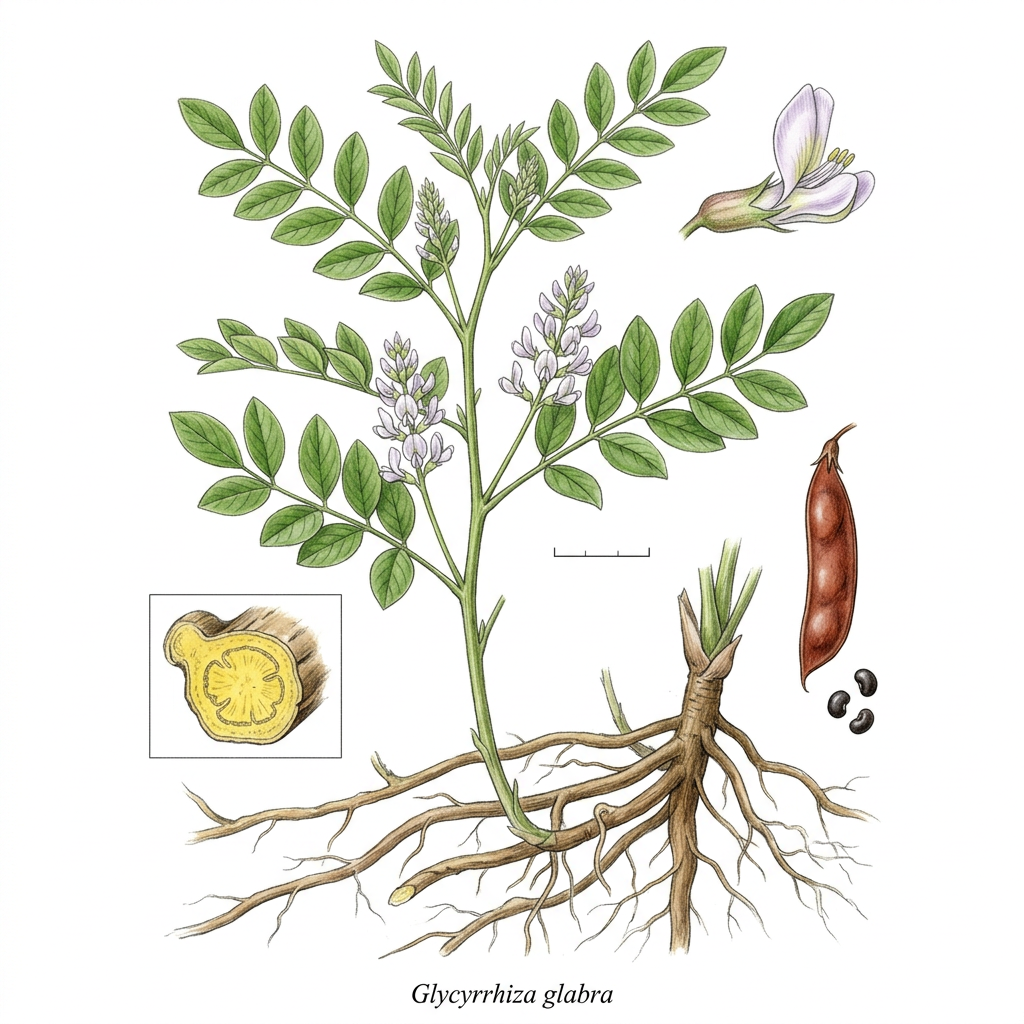
Licorice

Licorice

Glycyrrhiza glabra

Adrenal support
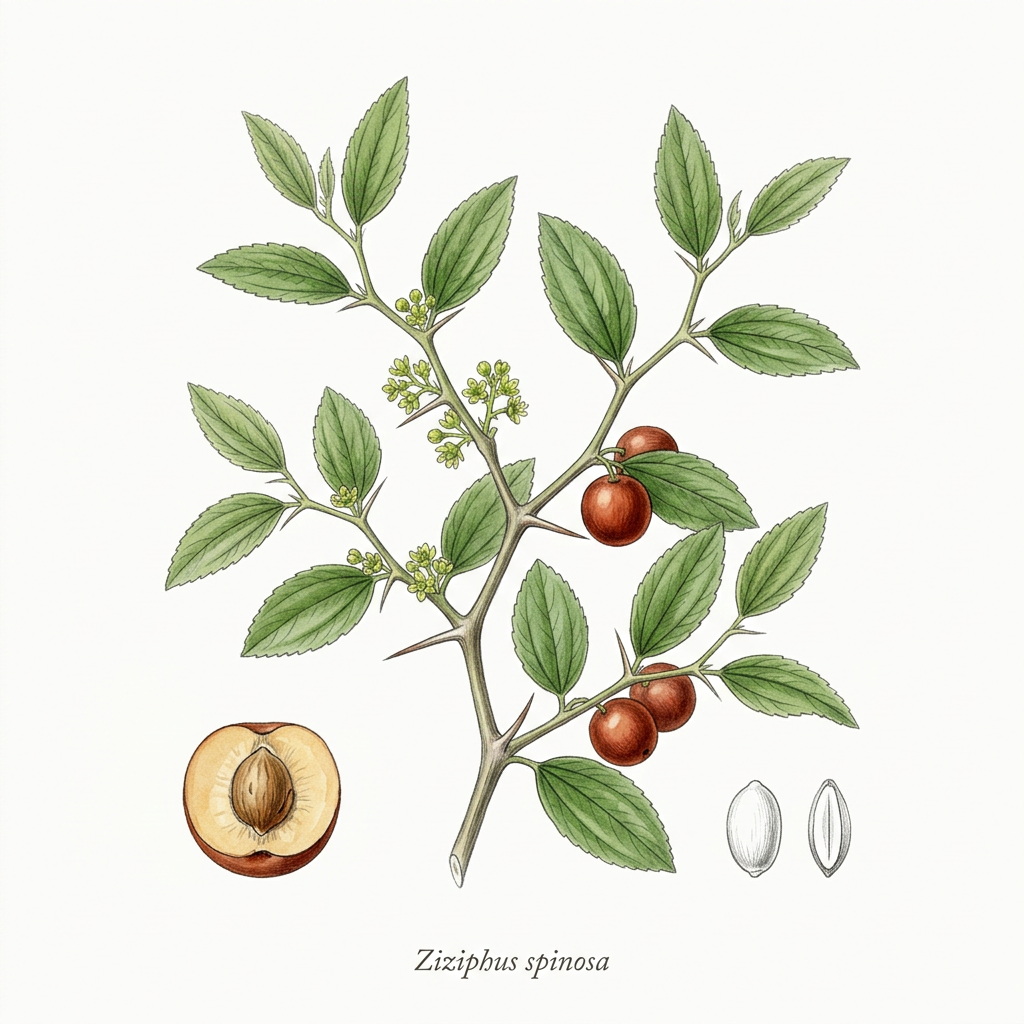
Ziziphus

Ziziphus

Ziziphus spinosa

Sleep Aid
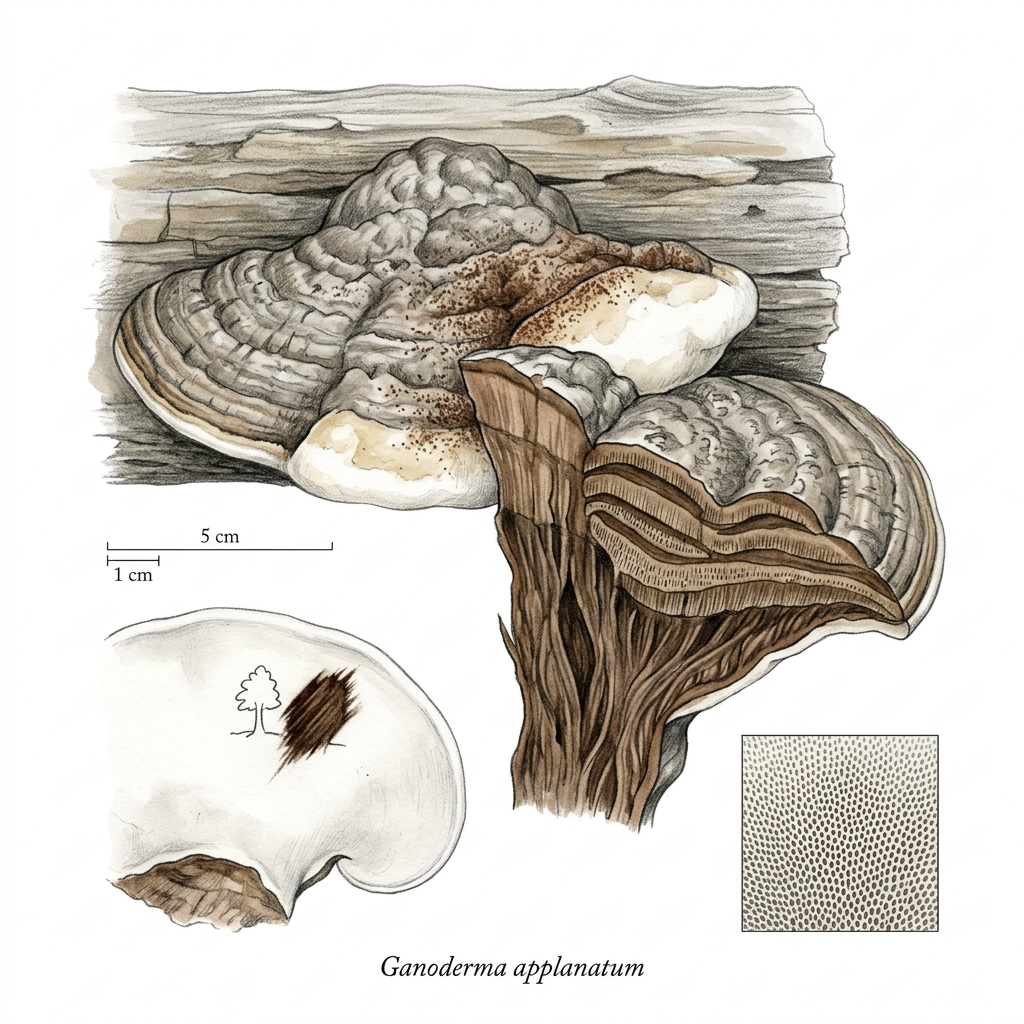
Artist's Conk

Artist's Conk

Ganoderma applanatum

Immune Support