The Wild Sage logo
The Wild Sage Logo

Herbal Medicine at your fingertips

Comprehensive database of herbal remedies with detailed safety information and traditional uses

New to herbal terms? Read the glossary →
ADHD
Abcess
Acid Reflux Relief
Acinetobacter
Acne
Acne Vulgaris
Addisons
Adenomyosis
Adenovirus
Adrenal fatigue
Aging
Aids
Alcaligenes faecalis
Alcoholism
Allergic Rhinitis
Allergies
Allergy
Alopoecia
Alopoecia nervosa
Alzheimer's, Dementia & Cognitive Decline
420 herbs found
Important: This information is for educational purposes only. Always consult with qualified healthcare professionals before using herbal remedies, especially if you have existing health conditions or take medications.
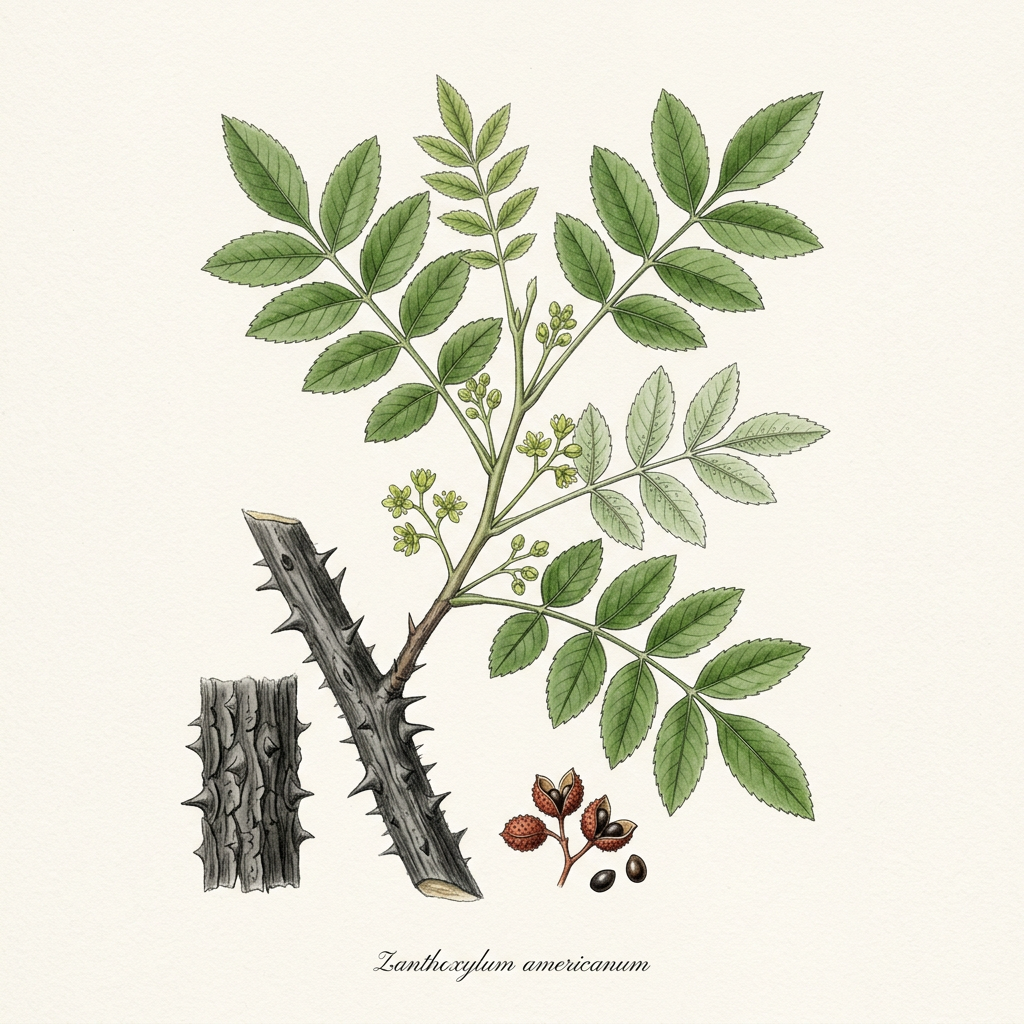
Prickly Ash

Prickly Ash

Zanthoxylum americanum

low risk Risk
Rutaceae
warming and drying
<p>Prickly Ash (Zanthoxylum americanum) is a striking deciduous shrub native to the eastern and central regions of North America, renowned for its distinctive spiky bark and aromatic leaves. Traditionally, this herb has played a significant role in Native American medicine, where it was revered not only for its culinary qualities but also as a powerful medicinal agent. Indigenous tribes utilized prickly ash for a variety of ailments, employing the bark and berries to create infusions and tinctures aimed at enhancing overall vitality and addressing circulatory issues. Its historical use reflects a deep understanding of the connection between herbs and bodily functions, illustrating a time-tested approach to health that blends seamlessly with contemporary herbal practices. The therapeutic properties of prickly ash are particularly noteworthy as it acts as a potent circulatory stimulant, often referred to as a 'blood mover' in herbalism. Its primary benefits encompass improving circulation, alleviating symptoms of arthritis, and addressing conditions associated with poor blood flow. The herb's active compounds, such as alkaloids and essential oils, contribute to its analgesic and anti-inflammatory effects, making it an effective remedy for pain relief. Users frequently report a warming sensation in areas of stagnation, which is indicative of improved blood flow and vitality. Beyond physical circulation, prickly ash has also been historically recognized for its ability to support digestive health, enhancing metabolic processes and invigorating the system as a whole. Mechanistically, prickly ash engages the body by stimulating the peripheral circulation, which can lead to increased blood flow and oxygen delivery to tissues. The herb contains compounds that promote vasodilation, thereby enhancing the diameter of blood vessels and facilitating greater blood flow. This action can help relieve discomfort associated with arthritis by reducing inflammation in affected joints and restoring mobility. Additionally, its mild antiseptic properties provide support for the digestive system, promoting a healthier internal environment. By integrating prickly ash into a holistic wellness regimen, individuals can harness its multifaceted benefits, tapping into the deep-rooted wisdom of traditional herbalism while benefiting from its modern applications in health and wellness.</p>

Uses & Conditions

Convalescence
Digestive Aid
Osteoarthritis
Chronic Pain
Tension-Type Headache
Dyspepsia
Inflammation
Toothache
Circulatory Issues
Buerger’s Disease
Raynaud’s Disease
Chilblains
Cramps
Irritable Bowel Syndrome
Dry Mouth
Respiratory Catarrh

Actions

Analgesic
Circulatory Stimulant
NFkB Inhibitor
TNF-a Reduction

Synonyms

Toothache bark
xanthxylum
Zanthxlyum

Parts Used

Bark

Native Countries

North America

USDA Hardiness Zones

USDA 3-9

Contraindications

  • Pregnancy and breastfeeding
  • History of gastrointestinal ulcers
  • Active gastritis or acid reflux
  • Scheduled surgery: discontinue use at least two weeks prior
  • Acute inflammatory skin conditions

Potential Side Effects

  • Nausea or epigastric discomfort if taken on an empty stomach
  • Mild tingling or numbing sensation in the mouth or throat
  • Skin irritation or contact dermatitis from topical use

Interactions

  • Anticoagulants such as warfarin: potential increased bleeding risk
  • Antihypertensive medication: potential additive effects
  • Central nervous system depressants: potential to counteract sedative effects
  • Diuretics: potential for synergistic effects altering electrolyte balance

Dosages, tincture ratios & research — members only

Unlock Garreth's dosing guidance, tincture ratios, the dosage calculator and the research studies for Prickly Ash.

Your assessment and results stay saved — upgrading only unlocks more of them.

See membership plans

Community Photos

No community photos yet. Sign in to upload photos.

Reviews & Ratings

Sign in to leave a review.

No reviews yet. Be the first!

GF

Garreth Falls — B.Th., Dip. H.M., MNIMH

Content curated and reviewed by Garreth Falls, Consultant Medical Herbalist · The Wild Sage

Medical Disclaimer: This information is for educational purposes only and is not intended as medical advice. Always consult with qualified healthcare professionals before starting any herbal treatment.
Western tradition

Sustainability & quality

At risk

Wild populations have declined; cultivated supplies are preferred. Ensure correct identification of Zanthoxylum species.

Key constituents

Alkaloids, Anti-inflammatory, Aromatic compounds, Coumarin (odema modifyer), Lignans, Resins, Volatile Oils, Tannin, Coumarin, Xanthoxyeltin

References

  1. British Herbal Pharmacopoeia 1983
  2. Herbal Reality. Herb monographs. herbalreality.com

Reviewed by Garreth, Medical Herbalist (MNIMH) · November 2026

Related conditions

Explore conditions where Prickly Ash is traditionally used.

Related Herbs
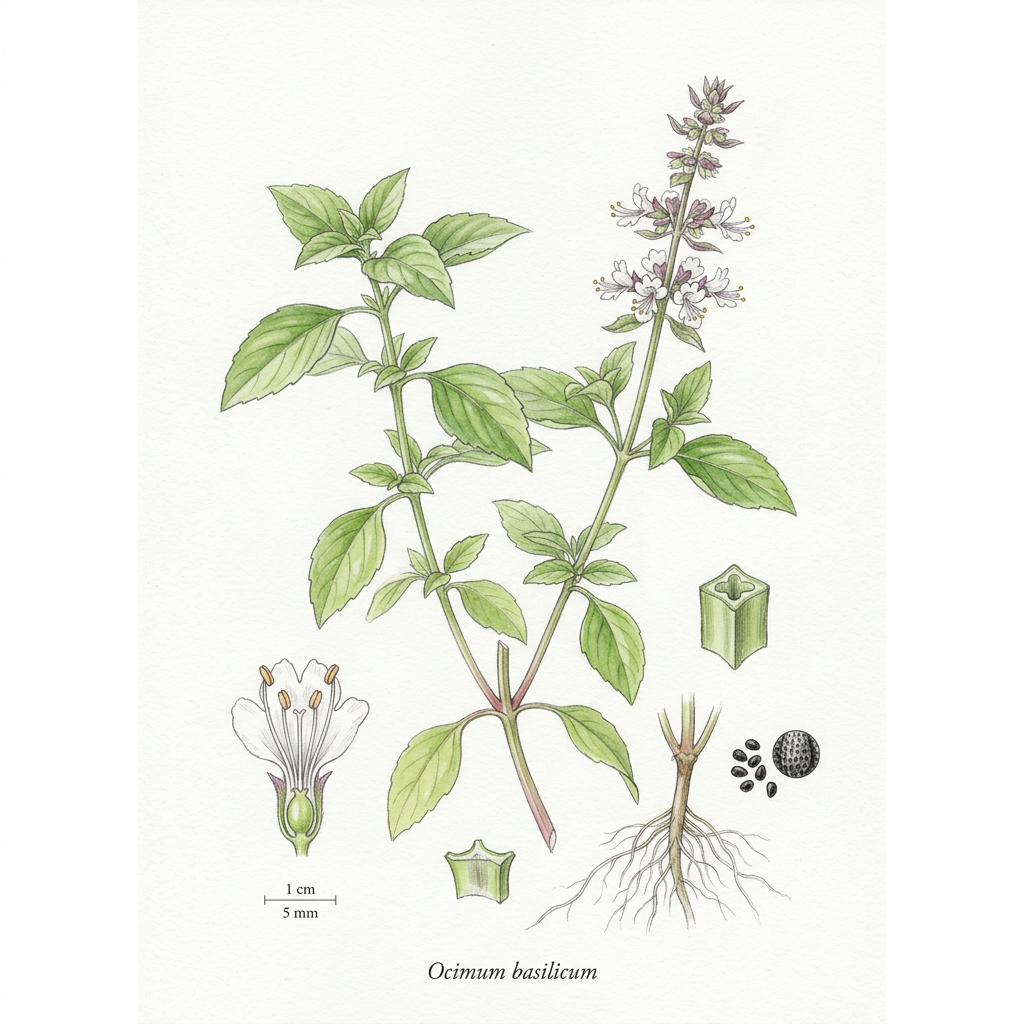
Basil

Basil

Ocimum basilicum

Convalescence
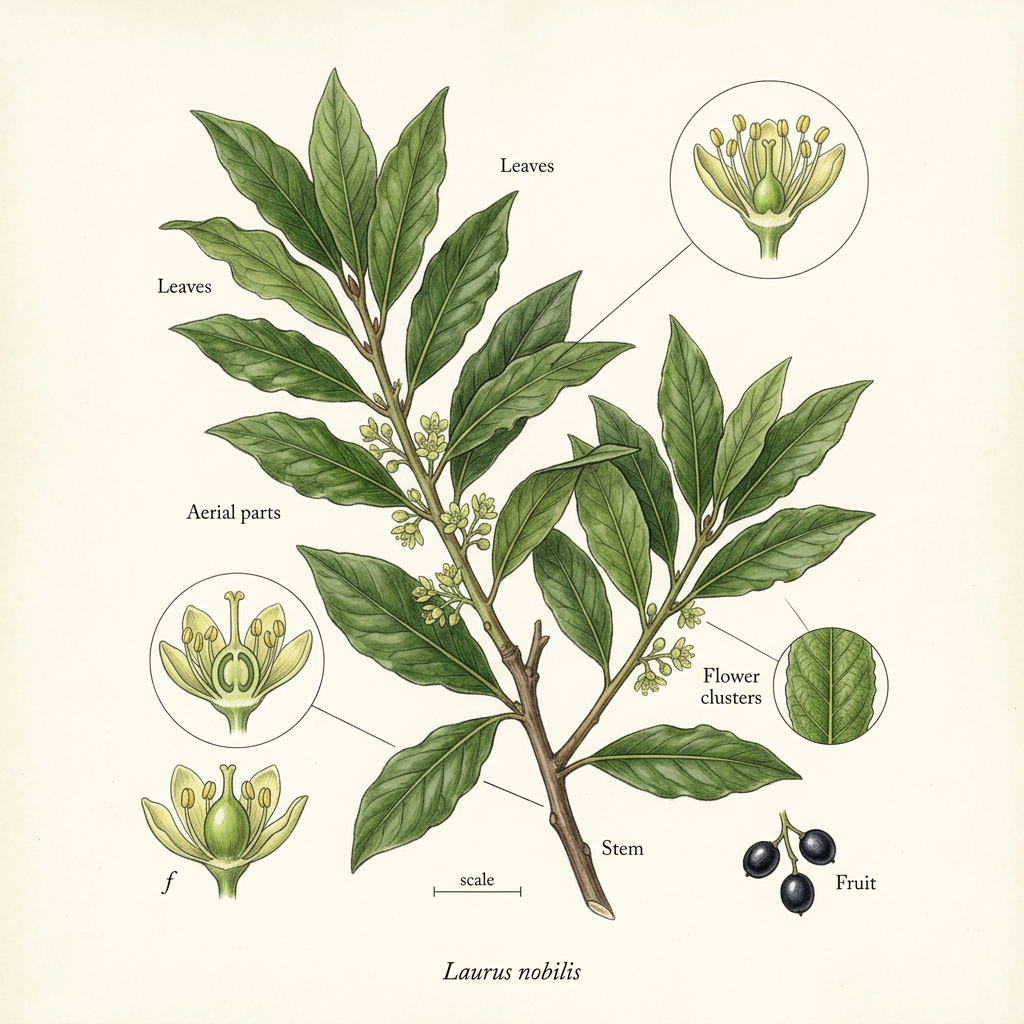
Bay Laurel

Bay Laurel

Laurus nobilis

Digestive Aid
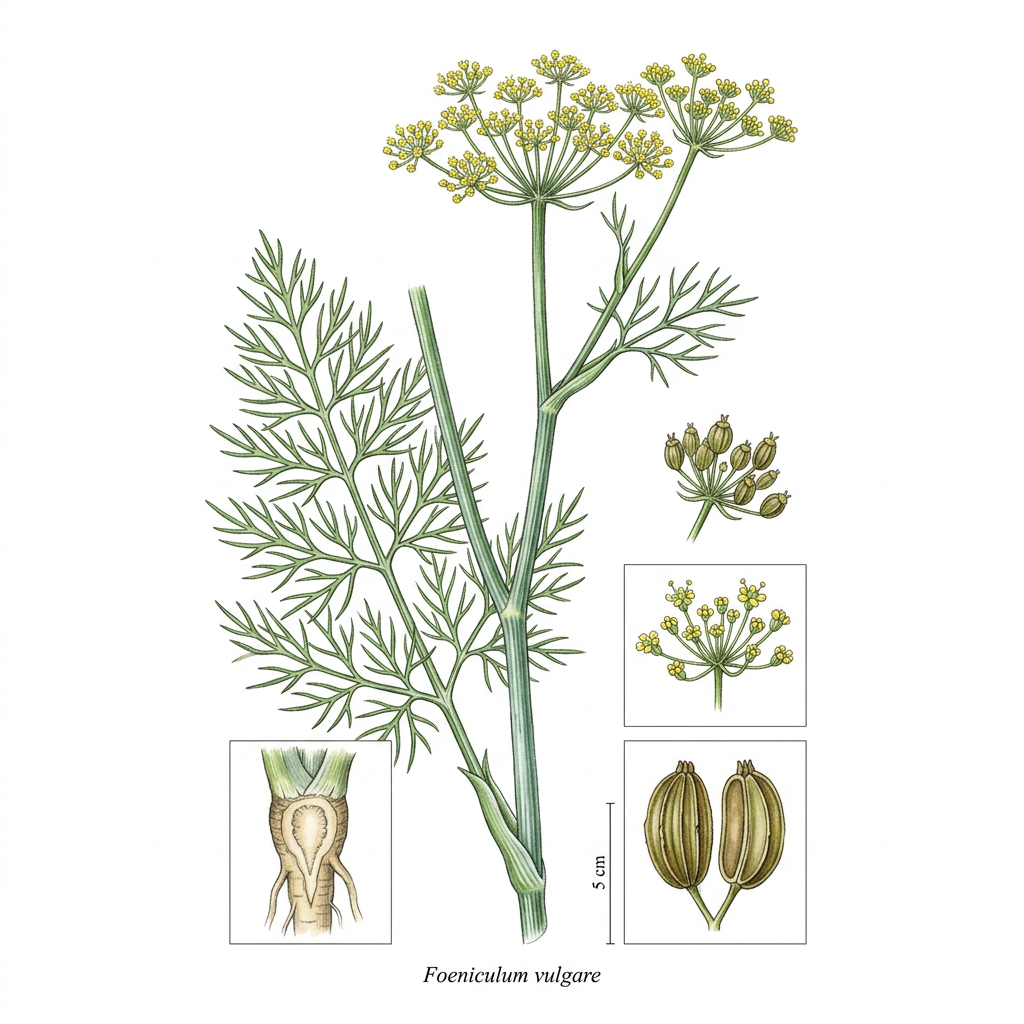
Fennel

Fennel

Foeniculum vulgare

Digestive Aid
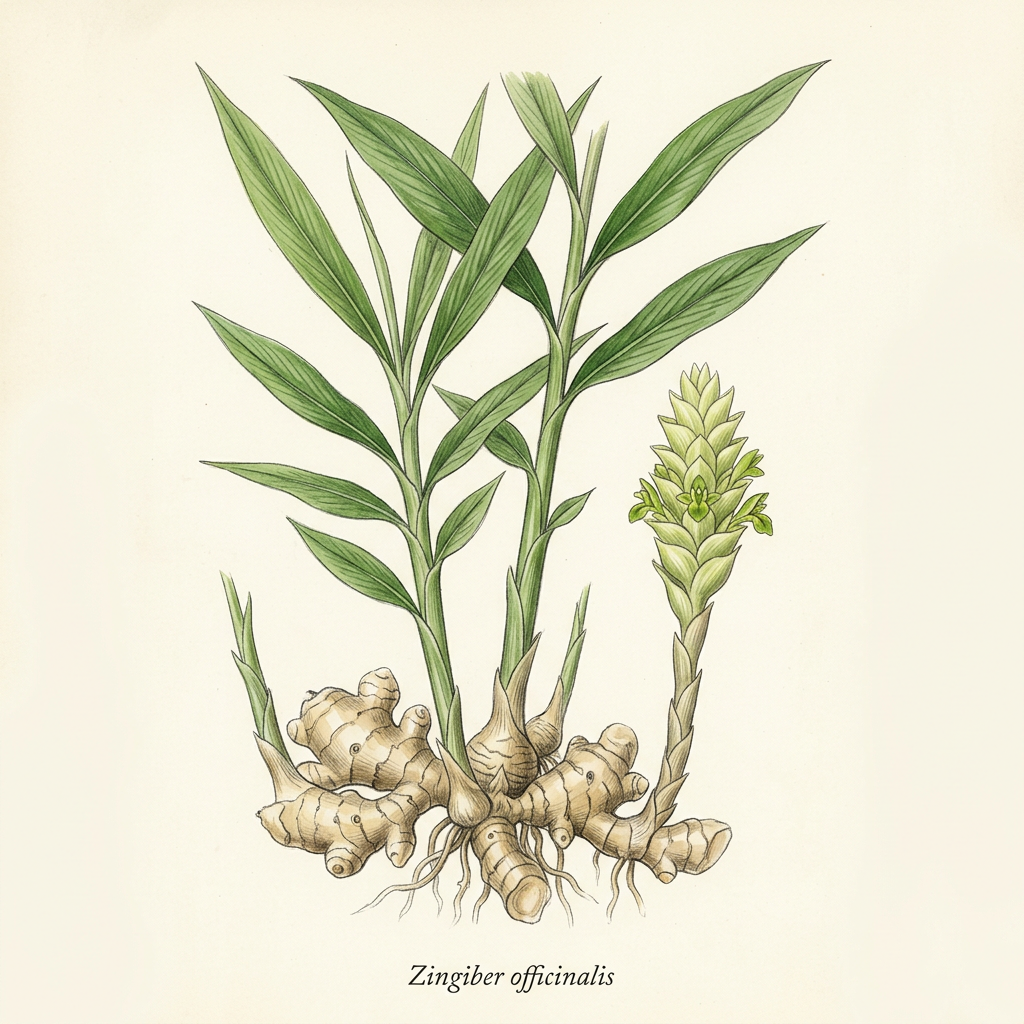
Ginger

Ginger

Zingiber officinale

Digestive Aid