The Wild Sage logo
The Wild Sage Logo

Herbal Medicine at your fingertips

Comprehensive database of herbal remedies with detailed safety information and traditional uses

New to herbal terms? Read the glossary →
ADHD
Abcess
Acid Reflux Relief
Acinetobacter
Acne
Acne Vulgaris
Addisons
Adenomyosis
Adenovirus
Adrenal fatigue
Aging
Aids
Alcaligenes faecalis
Alcoholism
Allergic Rhinitis
Allergies
Allergy
Alopoecia
Alopoecia nervosa
Alzheimer's, Dementia & Cognitive Decline
420 herbs found
Important: This information is for educational purposes only. Always consult with qualified healthcare professionals before using herbal remedies, especially if you have existing health conditions or take medications.
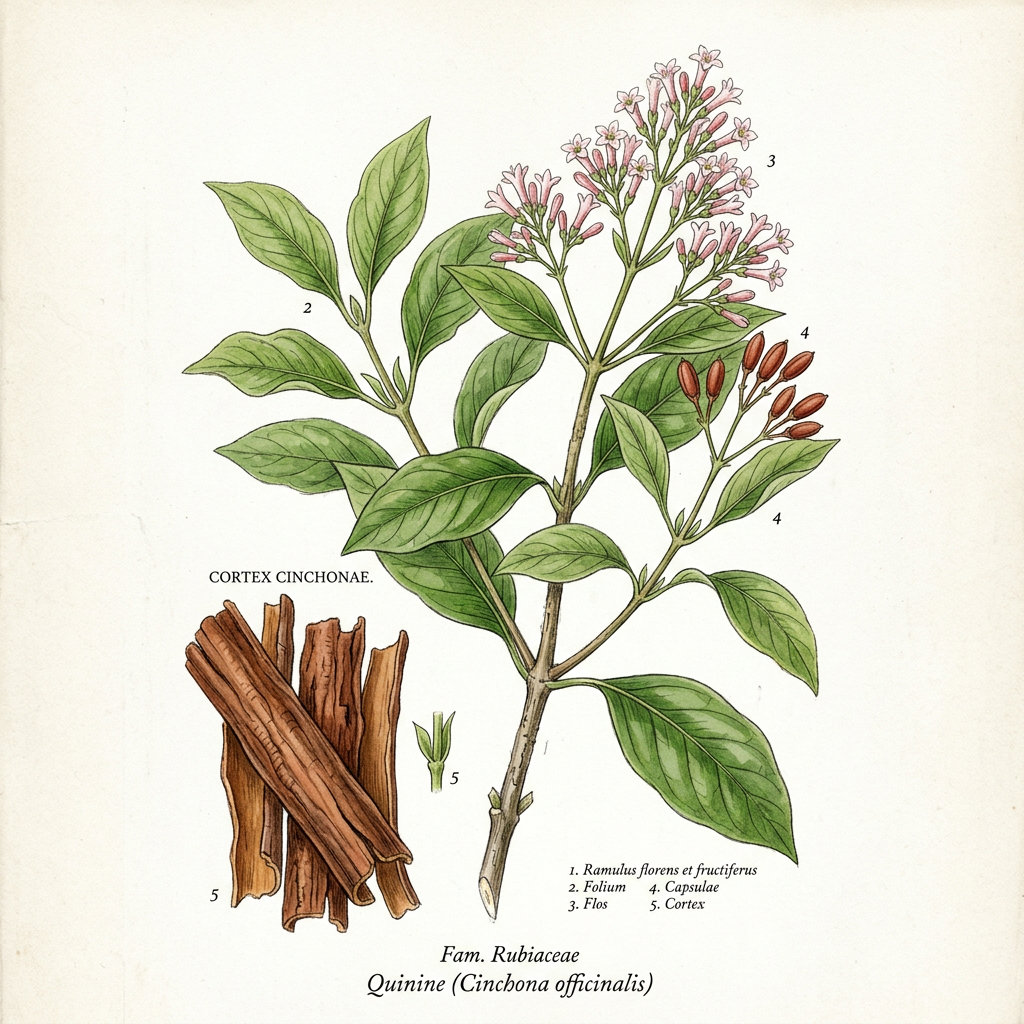
Quinine

Quinine

Cinchona officinalis

high risk Risk
Rubiaceaeae
C ooling bitter
<p>**Cinchona quinine: An Overview** Cinchona quinine, often referred to colloquially as quinine, is a remarkable medicinal herb derived from the bark of the Cinchona tree, which is indigenous to the Andean regions of South America. The rich history of quinine as a therapeutic agent dates back to the 17th century, when European colonizers first encountered its efficacy in treating malaria, a disease that plagued populations worldwide. Indigenous Andean cultures had long harnessed the healing properties of this bark, using it to combat fevers and other ailments. The introduction of quinine into European medicine was transformative, significantly altering the trajectory of malaria treatment and prevention. Furthermore, this potent herb has been embraced across cultures in folk medicine for various uses, including relief from muscle pain and digestive disturbances, highlighting its versatile role in traditional health practices. The therapeutic capabilities of Cinchona quinine are extensive and diverse, with its most notable function being its potent antimalarial action. Quinine effectively inhibits the growth and reproduction of the Plasmodium parasites that cause malaria, making it a cornerstone in both treatment and prophylaxis of this infectious disease. Beyond its antimalarial properties, quinine is recognized for its analgesic and anti-inflammatory benefits, providing relief from pain and swelling associated with conditions such as arthritis. It also serves as a skeletal muscle relaxant, aiding in the alleviation of muscle spasms and tension. Additionally, quinine's bittersweet compounds stimulate appetite and enhance digestion, further contributing to its reputation as a multifaceted therapeutic agent. At the biochemical level, the therapeutic actions of Cinchona quinine can be attributed primarily to its active alkaloid, quinine. This compound interacts intricately with the heme portion of hemoglobin within red blood cells, disrupting the lifecycle of malaria parasites and leading to their mortality. Quinine additionally modulates pain perception through its influence on central nervous system pathways, while its anti-inflammatory effects help regulate the body’s inflammatory response by inhibiting pro-inflammatory cytokines such as TNF-alpha. By offering a range of benefits—from potent antimalarial properties to its role in managing pain and inflammation—Cinchona quinine continues to be an invaluable component of both traditional and contemporary herbal medicine practices, demonstrating a profound legacy that spans centuries.</p>

Uses & Conditions

Appetite stimulation
Malaria
Cardiac arrhythmias
Atrial fibrillation
Osteoarthritis
Tinnitus
Leg cramps
Muscle spasms
Fever
Digestive disorders
Lupus (SLE)

Actions

Anti-malarial
Anti-inflammatory
Analgesic
Anaphrodisiac
Anti-arrhythmic
Skeletal muscle relaxant
Bitter
Febrifuge
Oxytocic
NFkB inhibitor
TNF-alpha reduction
Anti-bacterial

Parts Used

Bark

Native Countries

South America

USDA Hardiness Zones

USDA 10-12

Contraindications

  • Tinnitus
  • Vertigo
  • Skin rash
  • Bleeding disorders
  • Bruising
  • Visual disturbances

Potential Side Effects

  • Gastrointestinal irritation
  • Headaches
  • Hot flushes
  • Arrhythmias
  • Confusion

Interactions

  • Warfarin and other anticoagulants: may increase risk of bleeding
  • Cardiac glycosides such as digoxin: quinine may increase serum levels and risk of toxicity
  • Antacids: may impair the absorption of Cinchona alkaloids
  • Hypoglycaemic agents: may potentiate the effects of blood-sugar lowering medications
  • Anticonvulsants: potential for reduced efficacy or increased side effects due to hepatic metabolism competition

Dosages, tincture ratios & research — members only

Unlock Garreth's dosing guidance, tincture ratios, the dosage calculator and the research studies for Quinine.

Your assessment and results stay saved — upgrading only unlocks more of them.

See membership plans

Community Photos

No community photos yet. Sign in to upload photos.

Reviews & Ratings

Sign in to leave a review.

No reviews yet. Be the first!

GF

Garreth Falls — B.Th., Dip. H.M., MNIMH

Content curated and reviewed by Garreth Falls, Consultant Medical Herbalist · The Wild Sage

Medical Disclaimer: This information is for educational purposes only and is not intended as medical advice. Always consult with qualified healthcare professionals before starting any herbal treatment.
Western tradition

Sustainability & quality

At risk

Wild-harvesting is unsustainable; insist on cultivated sources that adhere to ethical forest management standards.

Key constituents

Quinine alkaloid, Quinidine, Cinchonine, Cinchonidine, Cinchotannic acid, Quinovin, Cinchona red, Essential oils

References

  1. British Herbal Pharmacopoeia 1983
  2. Mills & Bone "The Essential Guide to Herbal Safety" 2005
  3. Herbal Reality. Herb monographs. herbalreality.com

Reviewed by Garreth, Medical Herbalist (MNIMH) · November 2026

Related conditions

Explore conditions where Quinine is traditionally used.

Related Herbs
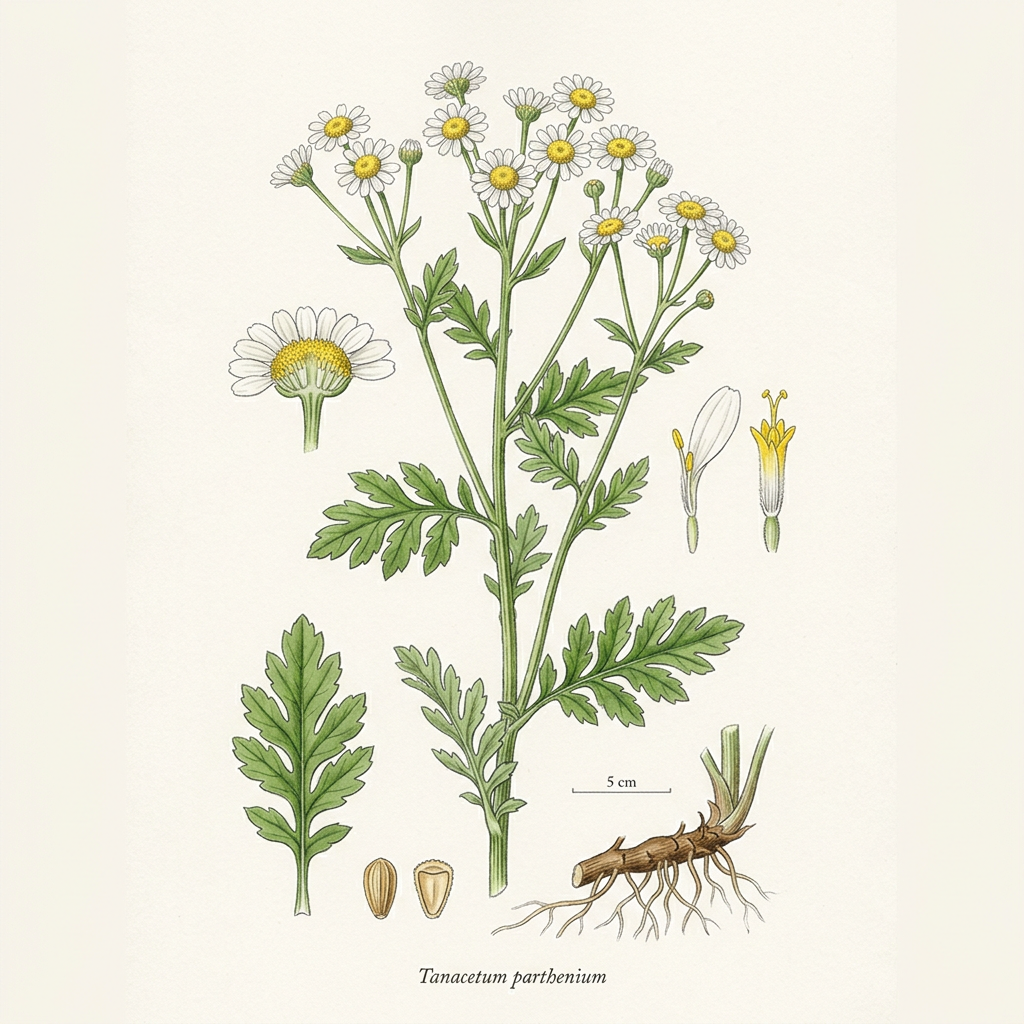
Feverfew

Feverfew

Tanacetum parthenium

Headache Relief
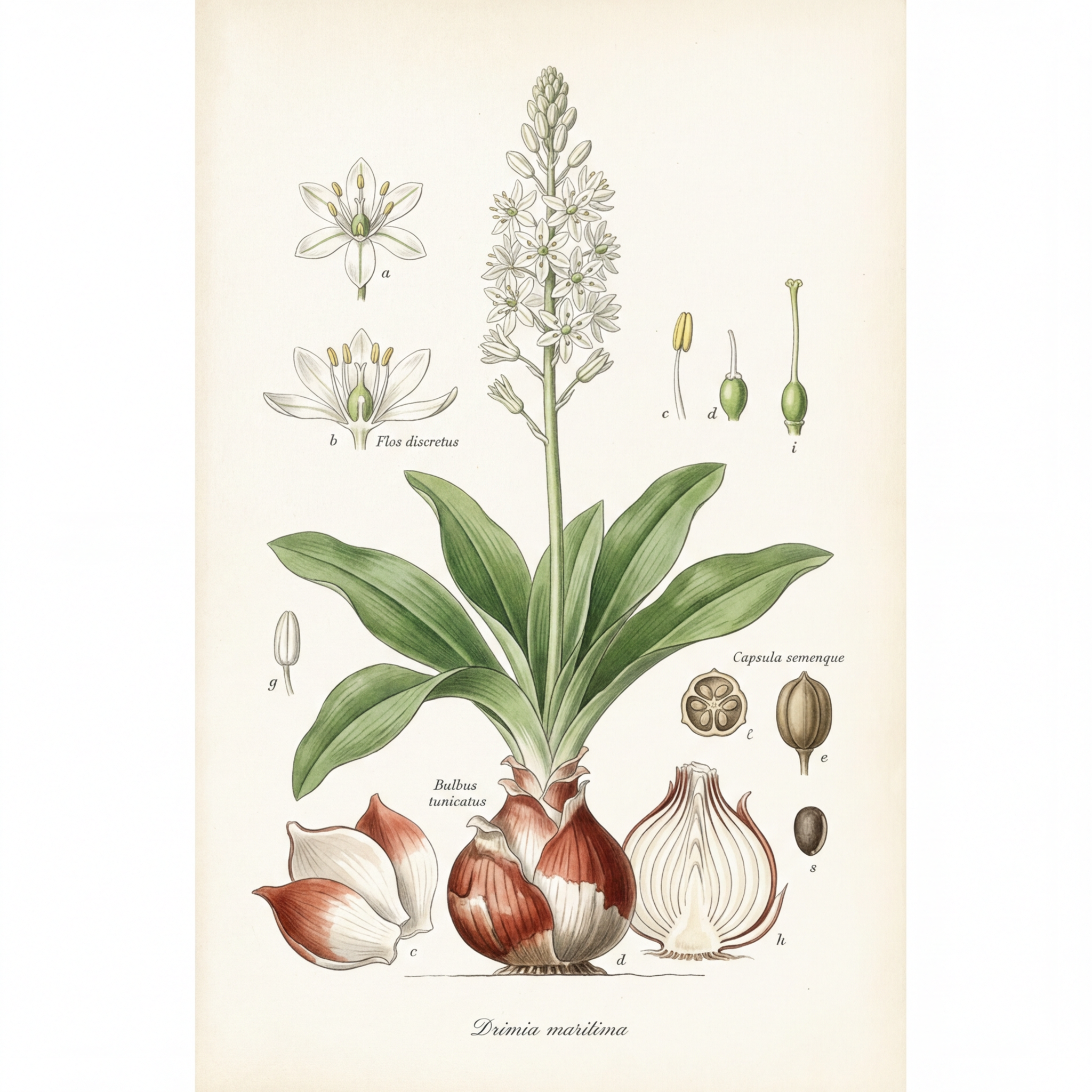
Squill

Squill

Squill

Respiratory Stimulant
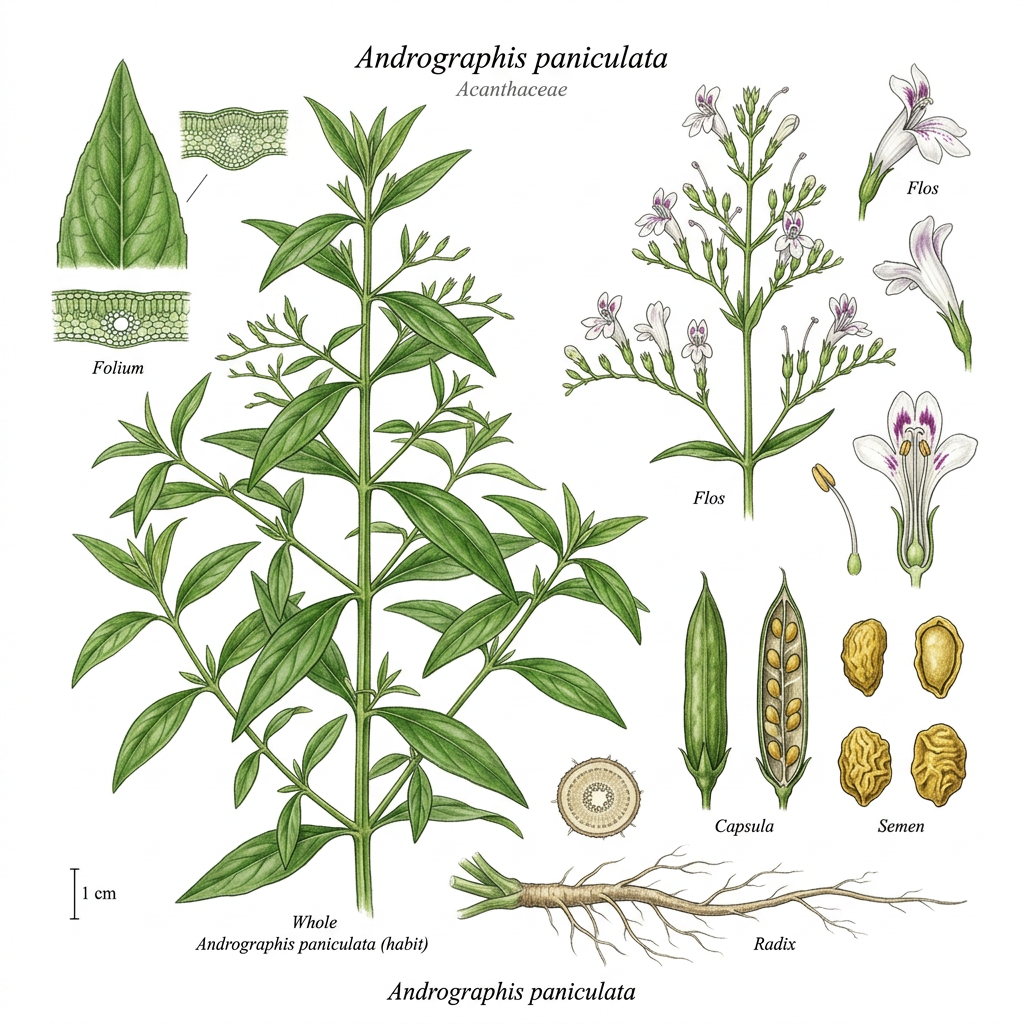
Andrographis

Andrographis

Andrographis paniculata

Immune Support
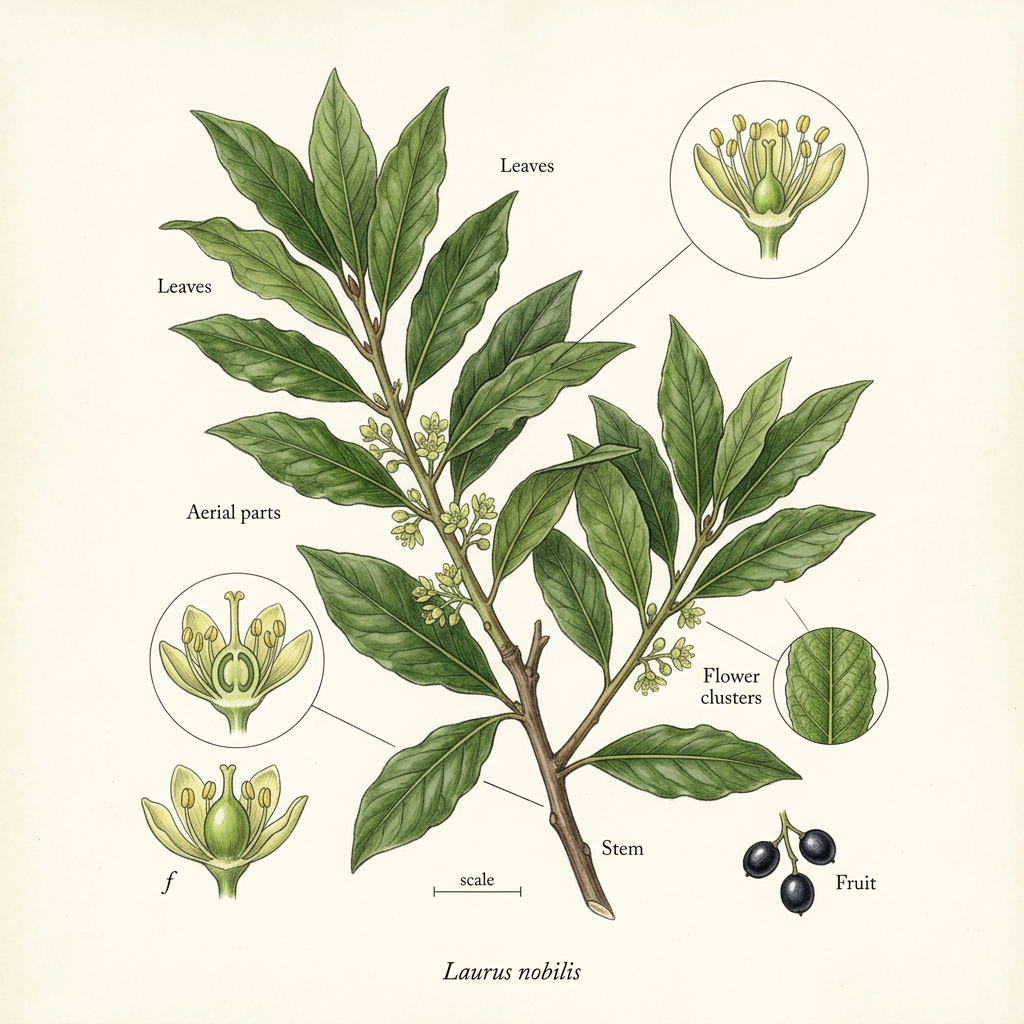
Bay Laurel

Bay Laurel

Laurus nobilis

Digestive Aid