The Wild Sage logo
The Wild Sage Logo

Herbal Medicine at your fingertips

Comprehensive database of herbal remedies with detailed safety information and traditional uses

New to herbal terms? Read the glossary →
ADHD
Abcess
Acid Reflux Relief
Acinetobacter
Acne
Acne Vulgaris
Addisons
Adenomyosis
Adenovirus
Adrenal fatigue
Aging
Aids
Alcaligenes faecalis
Alcoholism
Allergic Rhinitis
Allergies
Allergy
Alopoecia
Alopoecia nervosa
Alzheimer's, Dementia & Cognitive Decline
420 herbs found
Important: This information is for educational purposes only. Always consult with qualified healthcare professionals before using herbal remedies, especially if you have existing health conditions or take medications.

Radish

Raphanus sativus

low risk Risk
Brassicaceae
<p>Raphanus sativus is a fast-growing annual or biennial herb belonging to the Brassicaceae family. It is characterised by a fleshy, taproot that varies significantly in colour and shape, alongside a rosette of rough, lyrate leaves and small cruciform flowers that range from white to pink. It is widely cultivated across the globe, with various cultivars offering a range of pungency, usually arising from the presence of glucosinolates which provide its distinctive sharp flavour.</p><p>Traditionally, the radish has been valued in various cultures for its role as a digestive stimulant and cholagogue. Historically, the root was employed to address sluggish digestion, specifically where there is a feeling of fullness or lack of appetite. It has also been utilised in traditional systems as a respiratory aid, where its pungent aromatic profile is thought to support the movement of catarrh in the upper respiratory tract. These actions align with the energetic profile of the plant, which is considered warming and drying.</p><p>Modern research into Raphanus sativus often highlights the potential of its phytochemical profile, particularly its sulphur-containing compounds, which are studied for their antioxidant properties and potential role in supporting hepatic function. While clinical evidence remains limited regarding its specific therapeutic efficacy for complex pathologies, it is frequently used in practice as a short-term digestive bitter to encourage the secretion of bile and gastric juices. It is best suited for individuals presenting with 'cold' or 'stagnant' digestive symptoms, rather than those with hyperacidity or inflammation.</p><p>In clinical practice, the radish is best utilised as a fresh food medicine or in tincture form. It is important to note that its potency can be significant, and it is usually recommended for short-term use rather than as a long-term tonic. Practitioners should be mindful of the patient's constitution, as the pungent, heating nature of the radish may exacerbate conditions of heat or irritation in the gastrointestinal tract.</p>

Uses & Conditions

Appetite Stimulation
Biliary Dyskinesia

Actions

Choleretic
Cholagogue
Digestive Stimulant

Synonyms

raphanus sativus
Black radish

Parts Used

Root
Seed

USDA Hardiness Zones

2
3
4
5
6
7
8
9
10
11

Contraindications

  • History of gallstones
  • Active peptic ulcers
  • Acute gastritis
  • Pregnancy
  • Breastfeeding
  • Thyroid dysfunction

Potential Side Effects

  • Gastrointestinal discomfort
  • Abdominal cramping
  • Heartburn
  • Acid reflux
  • Mild skin irritation

Interactions

  • Thyroid medications due to potential effect on iodine uptake
  • Anticoagulants due to vitamin K content in leafy parts
  • Prescription medicines require caution

Dosages, tincture ratios & research — members only

Unlock Garreth's dosing guidance, tincture ratios, the dosage calculator and the research studies for Radish.

Your assessment and results stay saved — upgrading only unlocks more of them.

See membership plans

Community Photos

No community photos yet. Sign in to upload photos.

Reviews & Ratings

Sign in to leave a review.

No reviews yet. Be the first!

GF

Garreth Falls — B.Th., Dip. H.M., MNIMH

Content curated and reviewed by Garreth Falls, Consultant Medical Herbalist · The Wild Sage

Medical Disclaimer: This information is for educational purposes only and is not intended as medical advice. Always consult with qualified healthcare professionals before starting any herbal treatment.
Western tradition
Chinese tradition

Sustainability & quality

Abundant

Common agricultural crop; ensure organic certification to avoid pesticide residues.

Key constituents

Glucosinolates, Isothiocyanates, Raphanin, Vitamin C, Sulphur compounds, Myrosinase enzyme, Volatile oils

References

  1. Bensky "Chinese Herbal Medicine: Materia Medica" 3rd ed. 2004
  2. British Herbal Pharmacopoeia 1983
  3. Herbal Reality. Herb monographs. herbalreality.com

Reviewed by Garreth, Medical Herbalist (MNIMH) · November 2026

Related conditions

Explore conditions where Radish is traditionally used.

Related Herbs
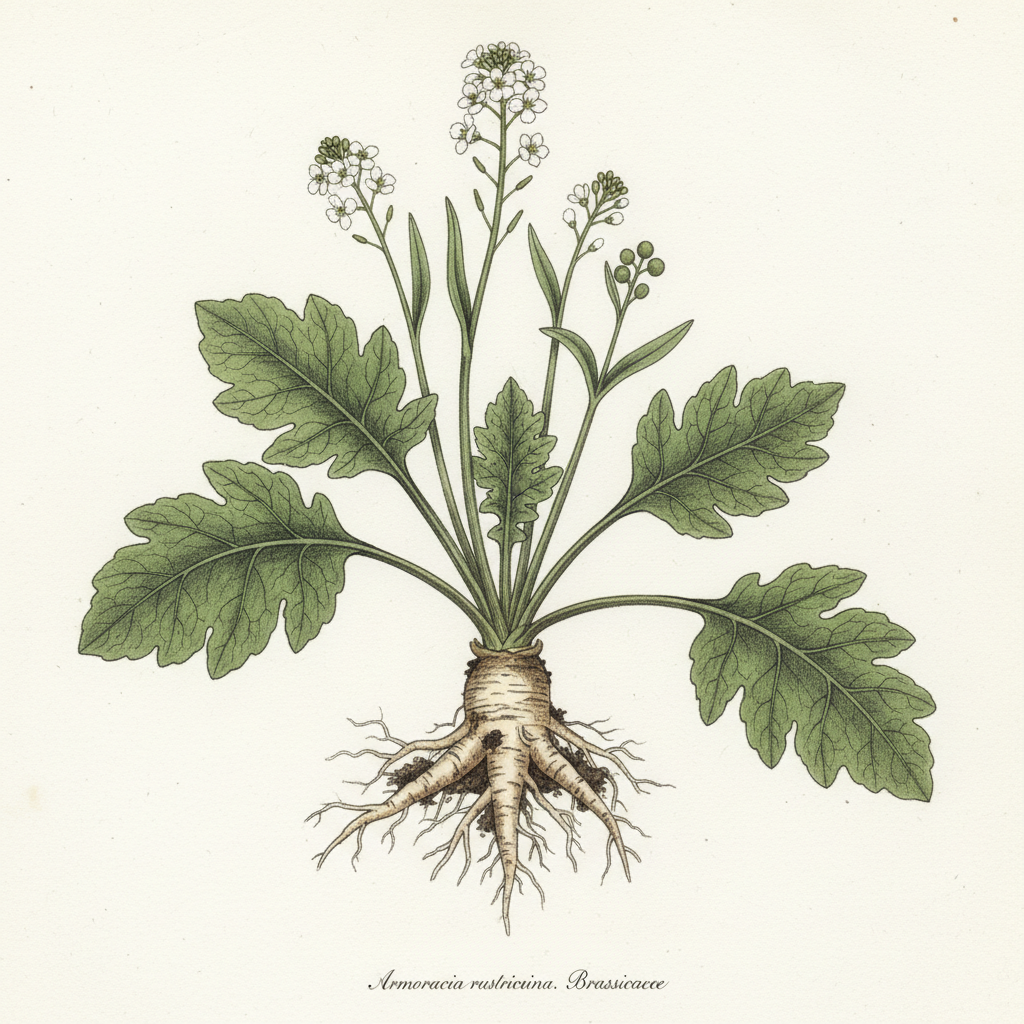
Horseradish

Horseradish

Armoracia rusticana

Digestive Aid
Maca

Maca

Lepidium meyenii

Energy Booster
Shepherd's Purse

Shepherd's Purse

Capsella bursa-pastoris
Cooling
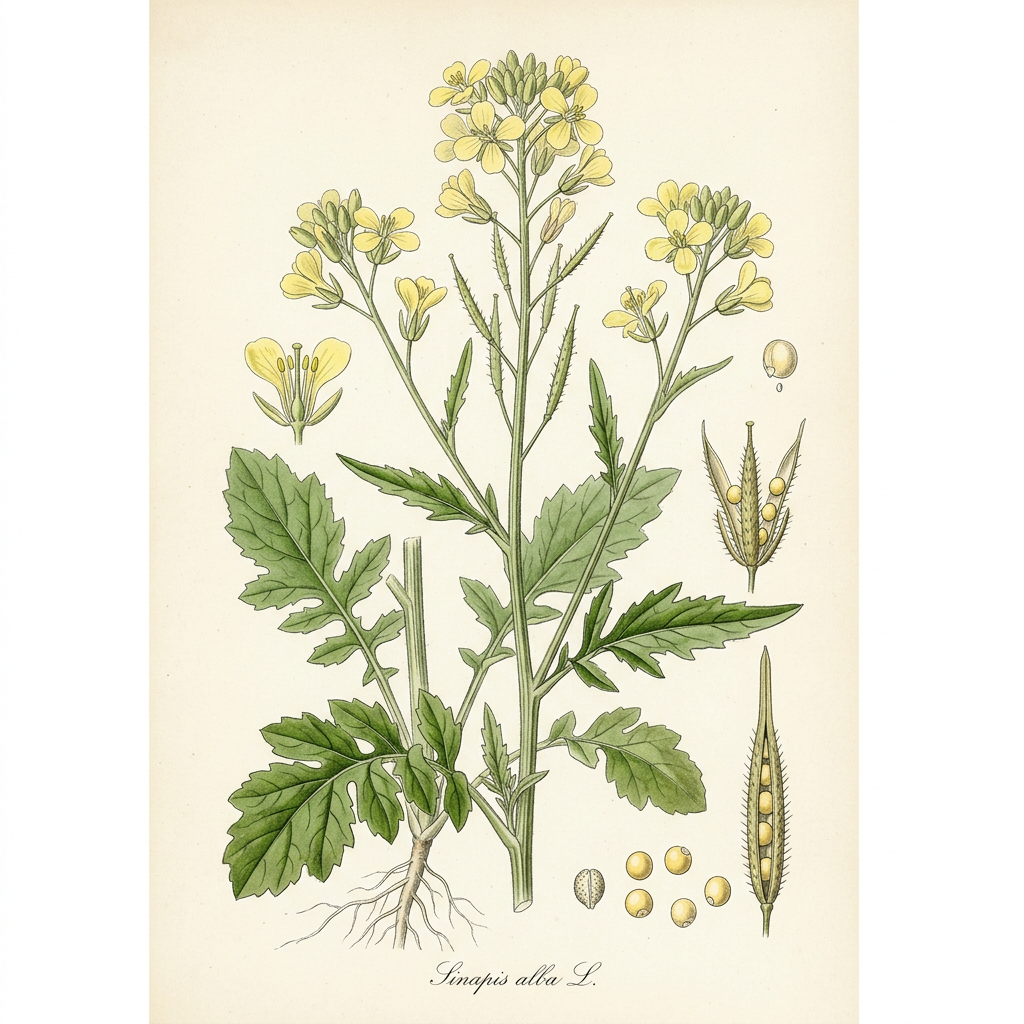
White Mustard

White Mustard

Brassica alba

Digestive aid