The Wild Sage logo
The Wild Sage Logo

Herbal Medicine at your fingertips

Comprehensive database of herbal remedies with detailed safety information and traditional uses

New to herbal terms? Read the glossary →
ADHD
Abcess
Acid Reflux Relief
Acinetobacter
Acne
Acne Vulgaris
Addisons
Adenomyosis
Adenovirus
Adrenal fatigue
Aging
Aids
Alcaligenes faecalis
Alcoholism
Allergic Rhinitis
Allergies
Allergy
Alopoecia
Alopoecia nervosa
Alzheimer's, Dementia & Cognitive Decline
420 herbs found
Important: This information is for educational purposes only. Always consult with qualified healthcare professionals before using herbal remedies, especially if you have existing health conditions or take medications.

Ranunculus ficaria

Ranunculus ficaria

low risk Risk
Ranunculaceae
Cool, moist, bitter
<p>Ranunculus ficaria, commonly known as lesser celandine or pilewort, is a low-growing perennial herb of the Ranunculaceae family, frequently found in moist woodlands and meadows throughout the British Isles. It is easily identified by its glossy, dark green heart-shaped leaves and bright yellow star-shaped flowers that appear in early spring. It is a succulent plant, often forming dense carpets in damp, shady locations.</p><p>Traditionally, the plant has been used for centuries, as its common name 'pilewort' suggests, specifically for its reputation in supporting the management of haemorrhoids and other venous conditions. Historical herbals often recommended the fresh leaves or a poultice applied topically to soothe swollen or irritated tissues. While the plant has a long history of folk use, it was historically used with significant caution as the raw plant contains volatile oils that can be highly irritating if consumed.</p><p>Modern herbal practice acknowledges its historical application while emphasising the necessity of caution. Research into the specific pharmacological actions of the plant is limited, but it is categorised primarily for its potential astringent and anti-inflammatory properties when applied topically. It is rarely recommended for internal use in modern clinical practice due to the potential for gastrointestinal irritation. When used as an external application, it is usually formulated into ointments or creams to ensure ease of use and controlled contact with the skin.</p>

Uses & Conditions

Pain Management
Mobility Improvement
Osteoarthritis
Joint Pain
Inflammation

Actions

Analgesic
COX-2 Inhibitor
NFkB Inhibitor

Parts Used

Fresh aerial parts
Root tubers

Native Countries

United Kingdom
France
Germany
Italy
Switzerland

USDA Hardiness Zones

3
4
5
6
7

Contraindications

  • Pregnancy and breastfeeding
  • Internal use due to risk of severe oral and gastrointestinal irritation
  • Open wounds or broken skin
  • Known hypersensitivity to the Ranunculaceae family

Potential Side Effects

  • Contact dermatitis
  • Skin redness upon topical application
  • Severe gastric irritation and burning sensations if ingested

Interactions

  • Use caution when combined with prescribed medications due to lack of clinical data

Dosages, tincture ratios & research — members only

Unlock Garreth's dosing guidance, tincture ratios, the dosage calculator and the research studies for Ranunculus ficaria.

Your assessment and results stay saved — upgrading only unlocks more of them.

See membership plans

Community Photos

No community photos yet. Sign in to upload photos.

Reviews & Ratings

Sign in to leave a review.

No reviews yet. Be the first!

GF

Garreth Falls — B.Th., Dip. H.M., MNIMH

Content curated and reviewed by Garreth Falls, Consultant Medical Herbalist · The Wild Sage

Medical Disclaimer: This information is for educational purposes only and is not intended as medical advice. Always consult with qualified healthcare professionals before starting any herbal treatment.
Western tradition

Sustainability & quality

Abundant

Commonly occurring weed. Fresh leaf harvest is necessary as potency declines rapidly upon drying.

Key constituents

Protoanemonin, Saponins, Tannins, Vitamin C, Flavonoids

References

  1. British Herbal Pharmacopoeia 1983
  2. Herbal Reality. Herb monographs. herbalreality.com

Reviewed by Garreth, Medical Herbalist (MNIMH) · November 2026

Related conditions

Explore conditions where Ranunculus ficaria is traditionally used.

Related Herbs
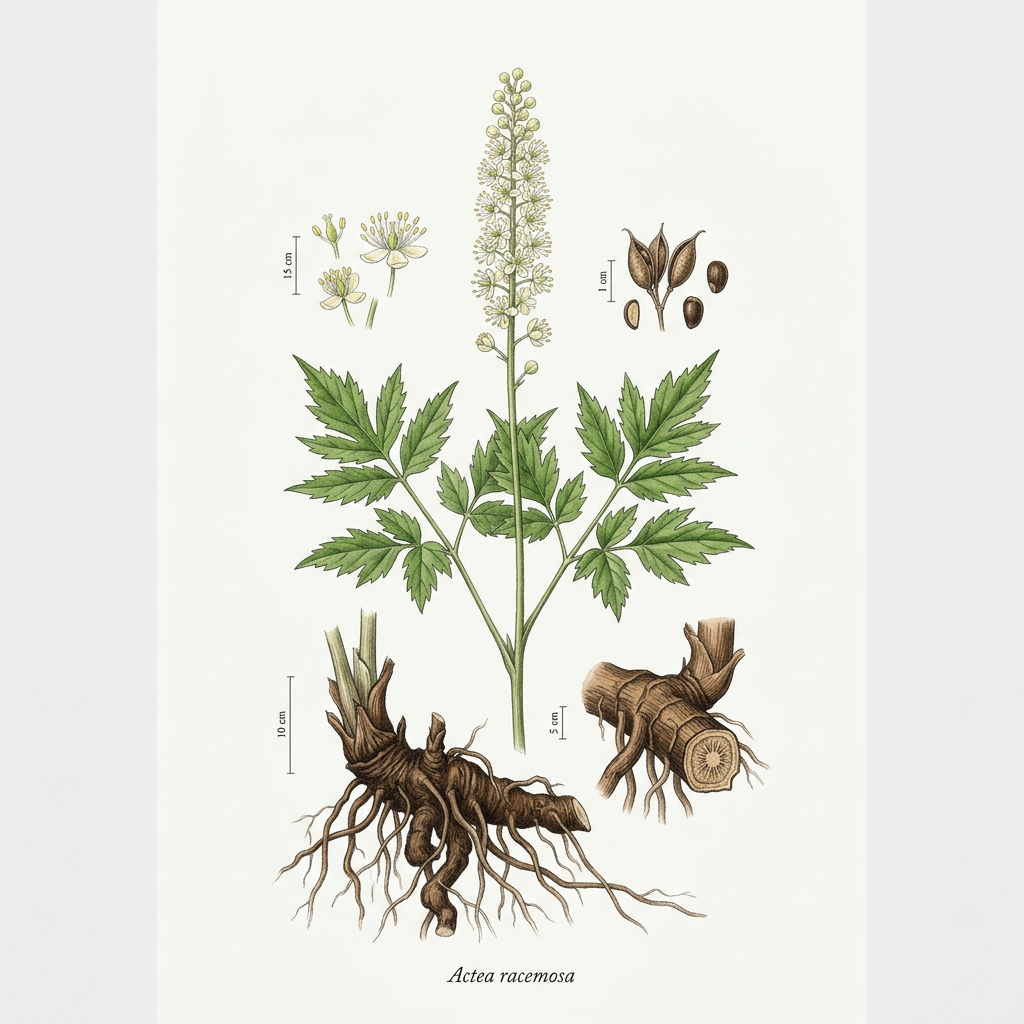
Black Cohosh

Black Cohosh

Actaea racemosa

Hormonal Support
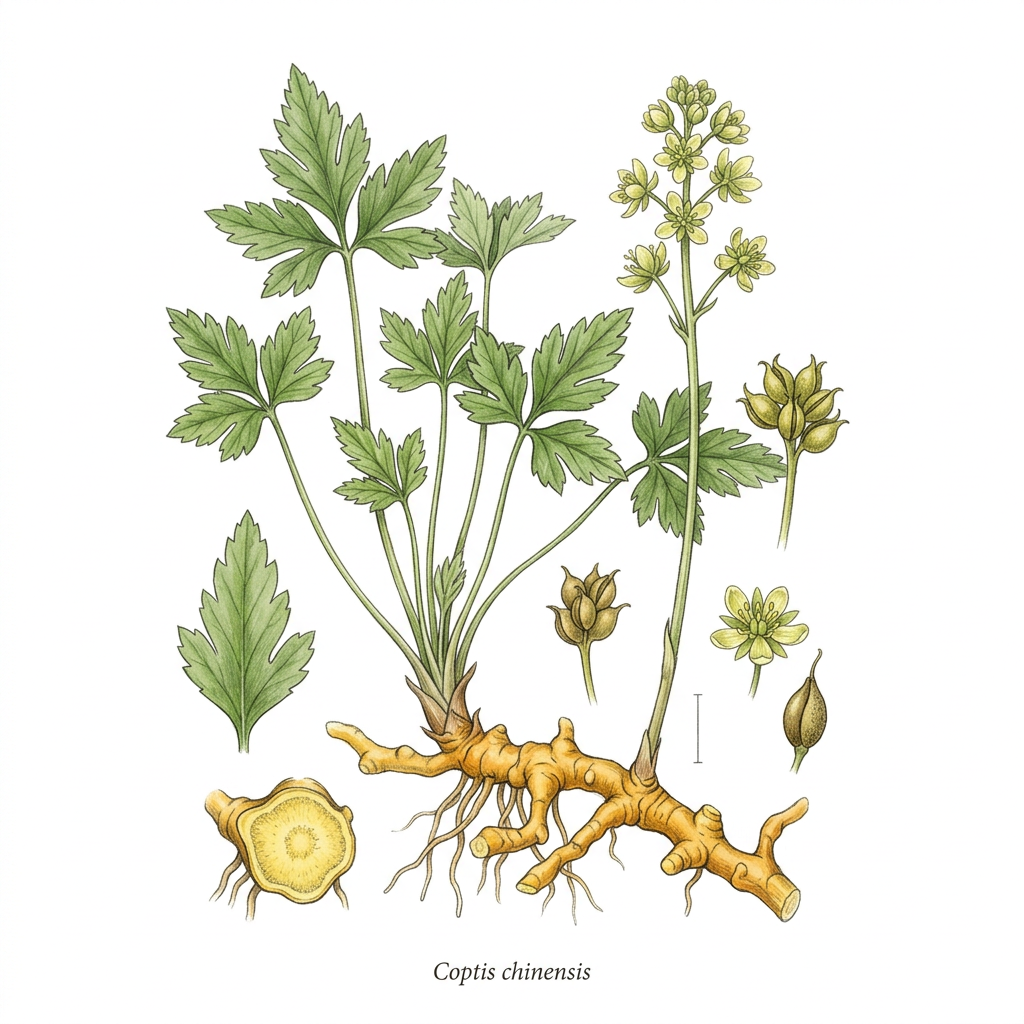
Coptis

Coptis

Coptis chinensis

Cardioprotective
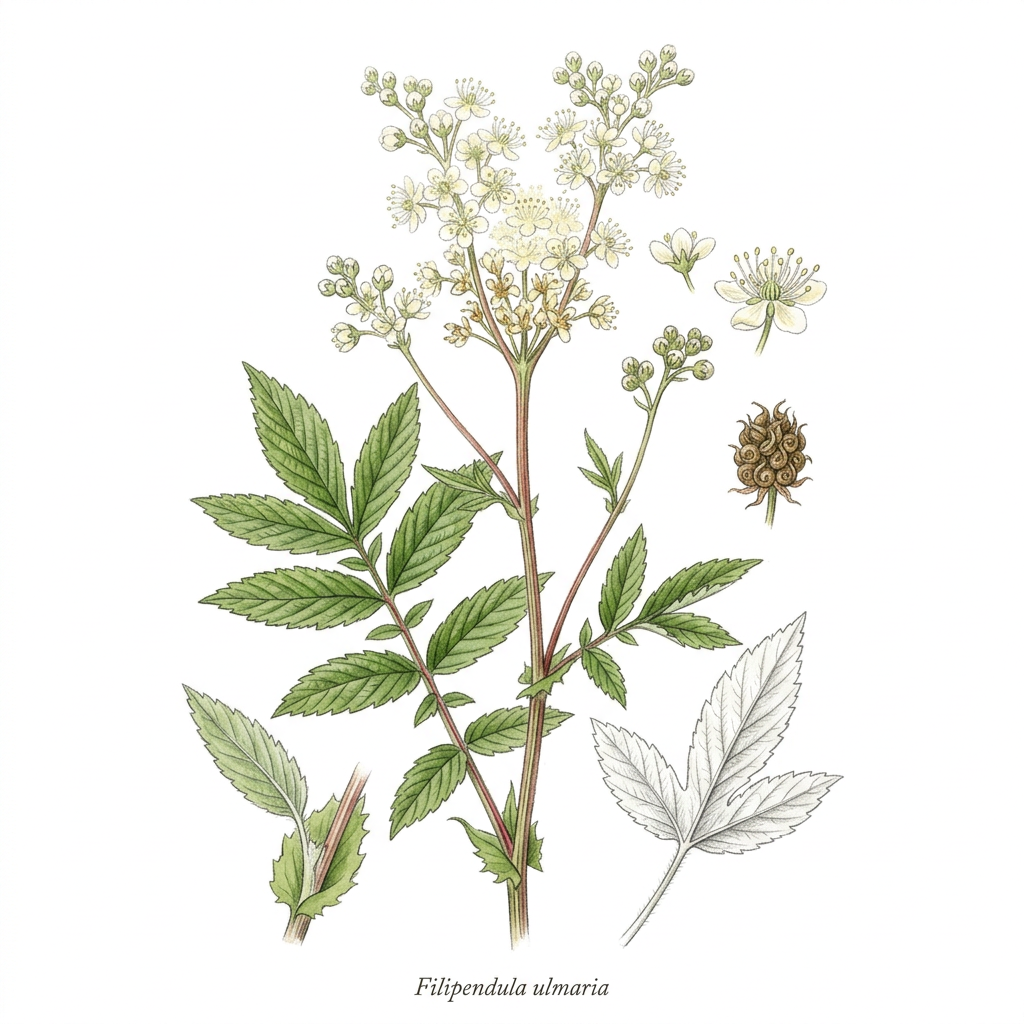
Filipendula ulmaria

Filipendula ulmaria
Filipendula ulmaria

Immune Support
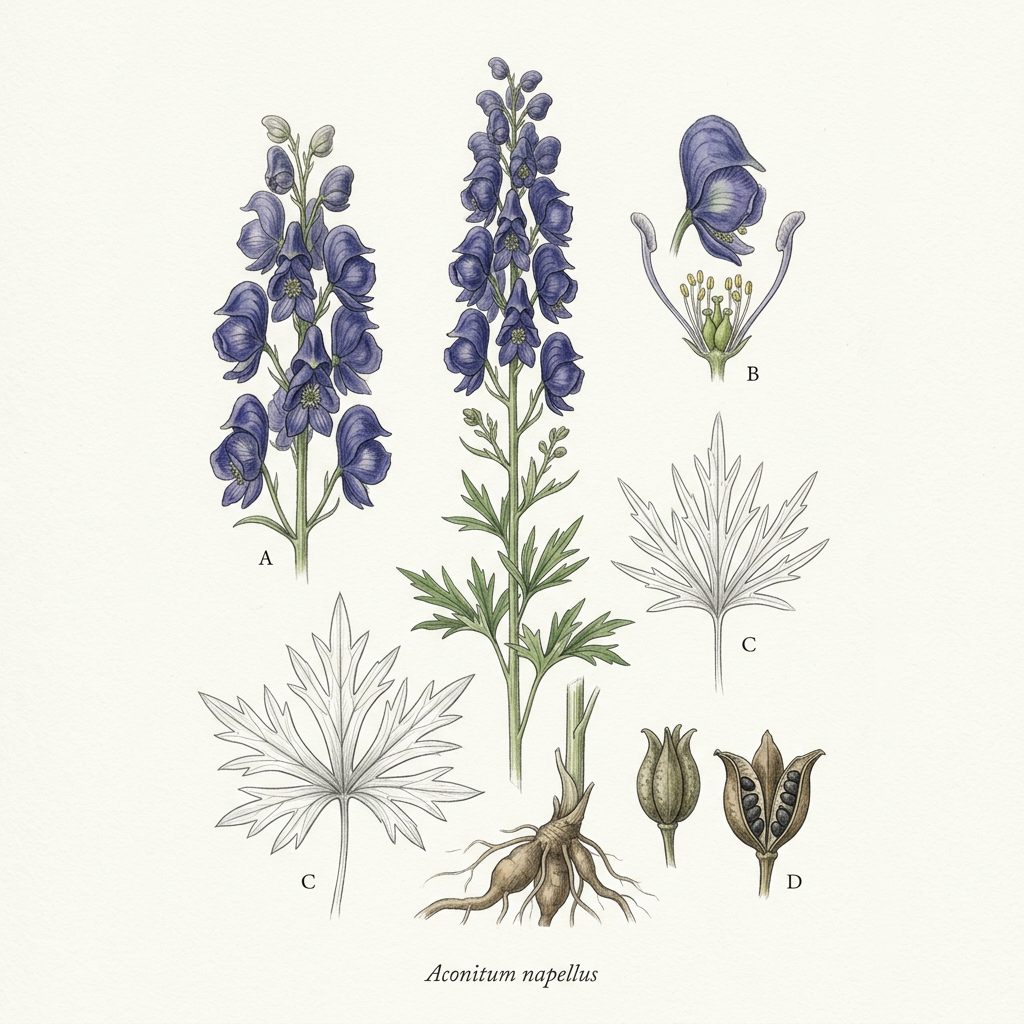
Monkshood

Monkshood

Aconitum napellus

Neuroprotection