The Wild Sage logo
The Wild Sage Logo

Herbal Medicine at your fingertips

Comprehensive database of herbal remedies with detailed safety information and traditional uses

New to herbal terms? Read the glossary →
ADHD
Abcess
Acid Reflux Relief
Acinetobacter
Acne
Acne Vulgaris
Addisons
Adenomyosis
Adenovirus
Adrenal fatigue
Aging
Aids
Alcaligenes faecalis
Alcoholism
Allergic Rhinitis
Allergies
Allergy
Alopoecia
Alopoecia nervosa
Alzheimer's, Dementia & Cognitive Decline
420 herbs found
Important: This information is for educational purposes only. Always consult with qualified healthcare professionals before using herbal remedies, especially if you have existing health conditions or take medications.
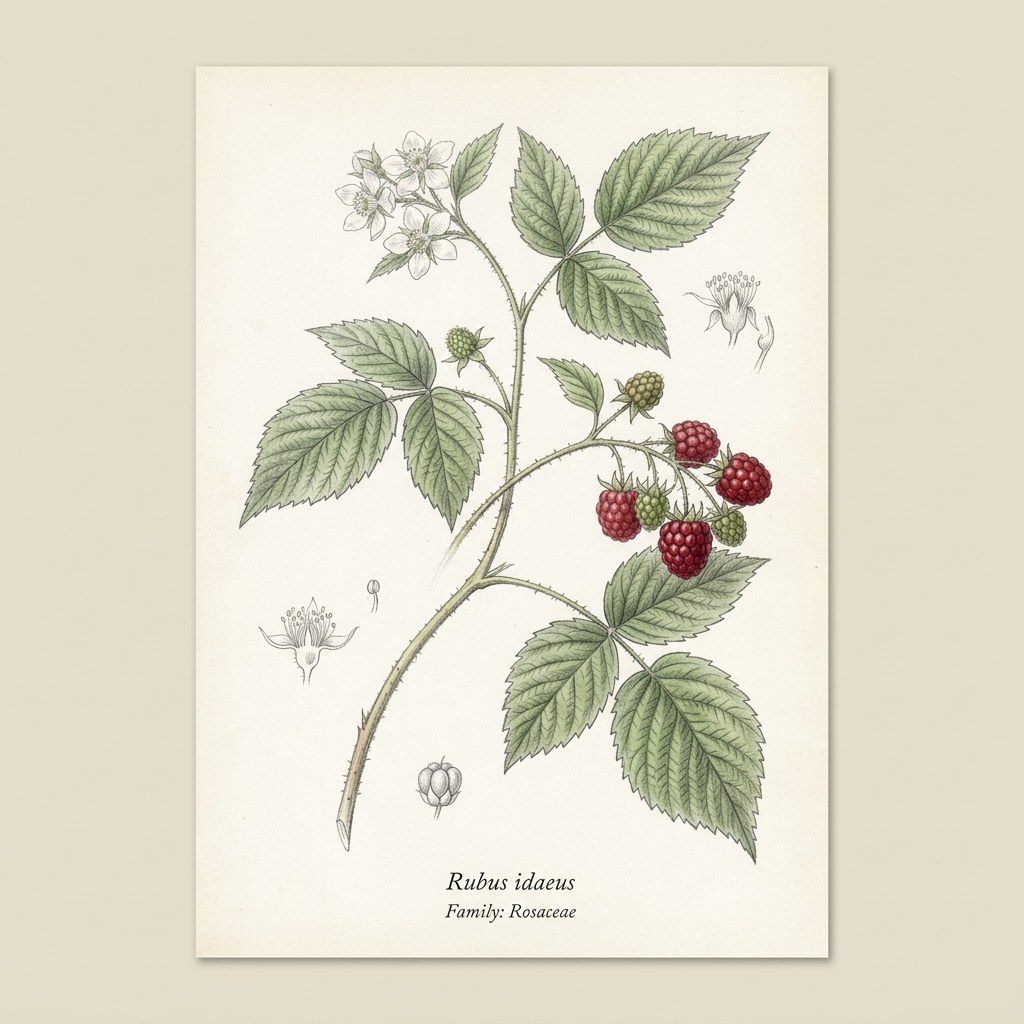
Raspberry Leaf

Raspberry Leaf

Rubus idaeus

low risk Risk
Rosaceae
Raspberry is often associated with joy and vitality. It is believed to support emotional well-being and enhance creativity.
<p>Raspberry leaf, derived from the common red raspberry plant, has been utilized for centuries across various cultures as a traditional herbal remedy. Historical records indicate that this versatile herb was employed by ancient Egyptians and Europeans to support women's health, particularly during pregnancy and the menstrual cycle. Indigenous communities in North America have also revered raspberry leaf for its nurturing properties, often incorporating it into their rituals and folk medicinal practices. This legacy underscores the herb's esteemed place in herbalism as a foundational uterine tonic designed to prepare the body for childbirth and provide relief during menstrual discomfort. The primary therapeutic properties of raspberry leaf are attributed to its rich composition, which includes vitamins A, C, E, and several B vitamins, as well as essential minerals such as magnesium, potassium, and calcium. These constituents contribute to its reputation as a powerful uterine tonic that can help strengthen and tone the muscles of the uterus, potentially easing labor and facilitating a smoother childbirth experience. Beyond its role in pregnancy and childbirth, raspberry leaf is celebrated for its ability to alleviate menstrual cramps and regulate cycles, thanks to its astringent qualities and anti-inflammatory effects. This herb is also believed to support digestive health and promote overall well-being by acting as a mild relaxant, which can help ease stress and tension. Raspberry leaf works in the body through several mechanisms. Its high tannin content provides astringent properties that can tone and strengthen uterine tissues, preparing them for the demands of labor. Additionally, the presence of fragarine, a compound unique to raspberry leaves, is thought to promote muscle tone in the pelvic region. This herb also helps balance hormones, which not only addresses menstrual irregularities but may also positively impact mood and emotional well-being during the menstrual cycle and throughout pregnancy. As such, raspberry leaf emerges as a holistic ally in women's health, combining traditional wisdom with modern understandings of herbal therapeutics, making it a valuable addition to any herbalist’s repertoire.</p>

Uses & Conditions

Pregnancy Support
Childbirth Preparation
Nutritional Support
Pelvic Health Support
Muscle Tone Support
Hormonal Balance
Digestive Aid
Uterine Prolapse
Dysmenorrhoea
Diarrhoea
Conjunctivitis

Actions

Uterine Tonic
Astringent
Antioxidant
NFkB Inhibitor
TNF-a Reduction

Synonyms

Raspberry
Red raspberry

Parts Used

Berries
Fruit
Leaves

Native Countries

Asia
Europe
North America

USDA Hardiness Zones

USDA 3-10
USDA 4-10
USDA 5-10

Contraindications

  • Avoid use in the first trimester of pregnancy due to historical caution regarding uterine stimulation
  • Not suitable for individuals with a history of hormone-sensitive conditions such as endometriosis or breast cancer
  • Individuals with chronic constipation should exercise caution due to high tannin content
  • Discontinue at least two weeks prior to scheduled surgery

Potential Side Effects

  • Mild gastrointestinal upset
  • Constipation in sensitive individuals due to tannin content
  • Loose stools when consumed in excessive quantities
  • Mild nausea if taken on an empty stomach

Interactions

  • Iron supplements: tannins may reduce iron absorption if taken simultaneously
  • Sedative medications: potential additive effects
  • Lithium: diuretic properties may alter renal clearance and serum concentrations

Dosages, tincture ratios & research — members only

Unlock Garreth's dosing guidance, tincture ratios, the dosage calculator and the research studies for Raspberry Leaf.

Your assessment and results stay saved — upgrading only unlocks more of them.

See membership plans

Community Photos

No community photos yet. Sign in to upload photos.

Reviews & Ratings

Sign in to leave a review.

No reviews yet. Be the first!

GF

Garreth Falls — B.Th., Dip. H.M., MNIMH

Content curated and reviewed by Garreth Falls, Consultant Medical Herbalist · The Wild Sage

Medical Disclaimer: This information is for educational purposes only and is not intended as medical advice. Always consult with qualified healthcare professionals before starting any herbal treatment.
Western tradition

Sustainability & quality

Abundant

Easily grown in domestic settings or sourced from horticultural byproducts. Excellent quality can be found from local organic growers.

Key constituents

Antioxidant, flavonoids, Kaempferol, Quercitrin

References

  1. British Herbal Pharmacopoeia 1983
  2. Herbal Reality. Herb monographs. herbalreality.com

Reviewed by Garreth, Medical Herbalist (MNIMH) · November 2026

Related conditions

Explore conditions where Raspberry Leaf is traditionally used.

Related Herbs
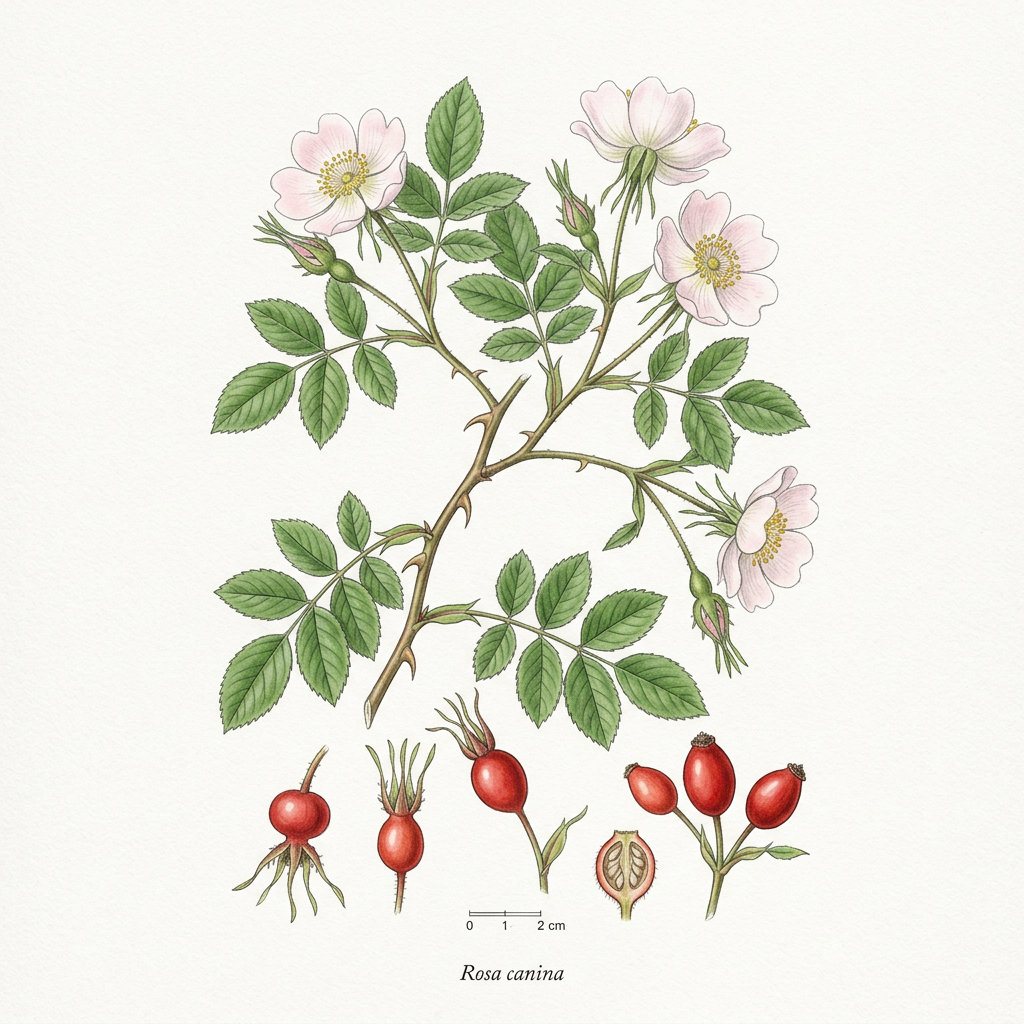
Dog rose

Dog rose

Rosa canina

Immune Support
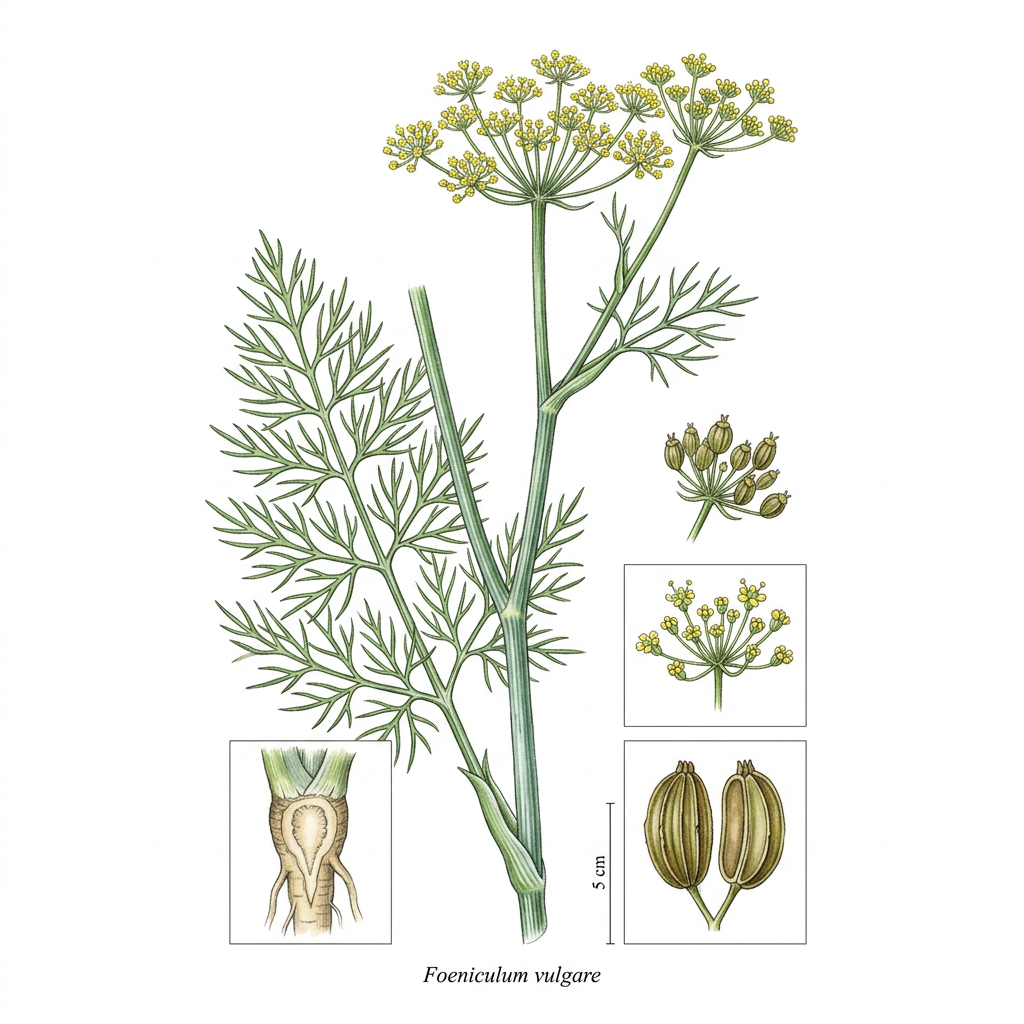
Fennel

Fennel

Foeniculum vulgare

Digestive Aid
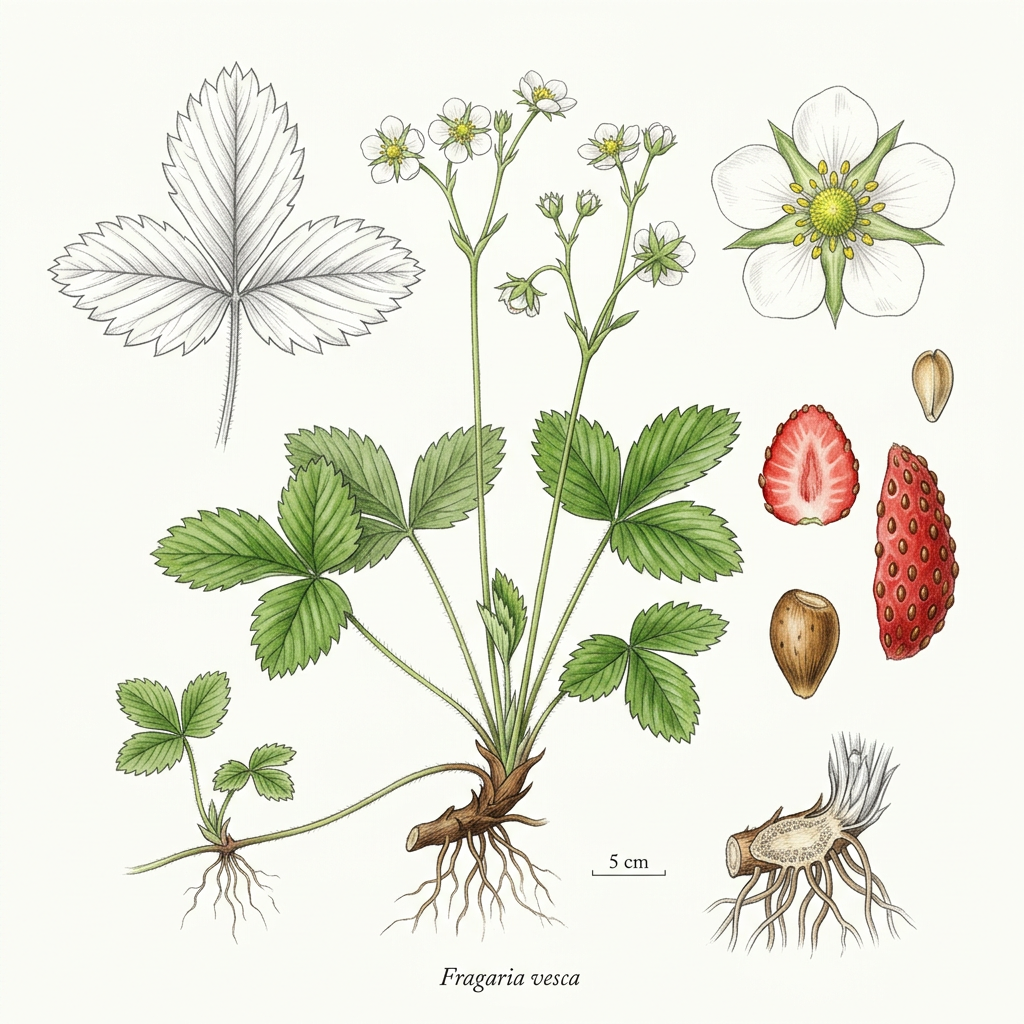
Fragaria vesca

Fragaria vesca

Fragaria vesca

General astringent support
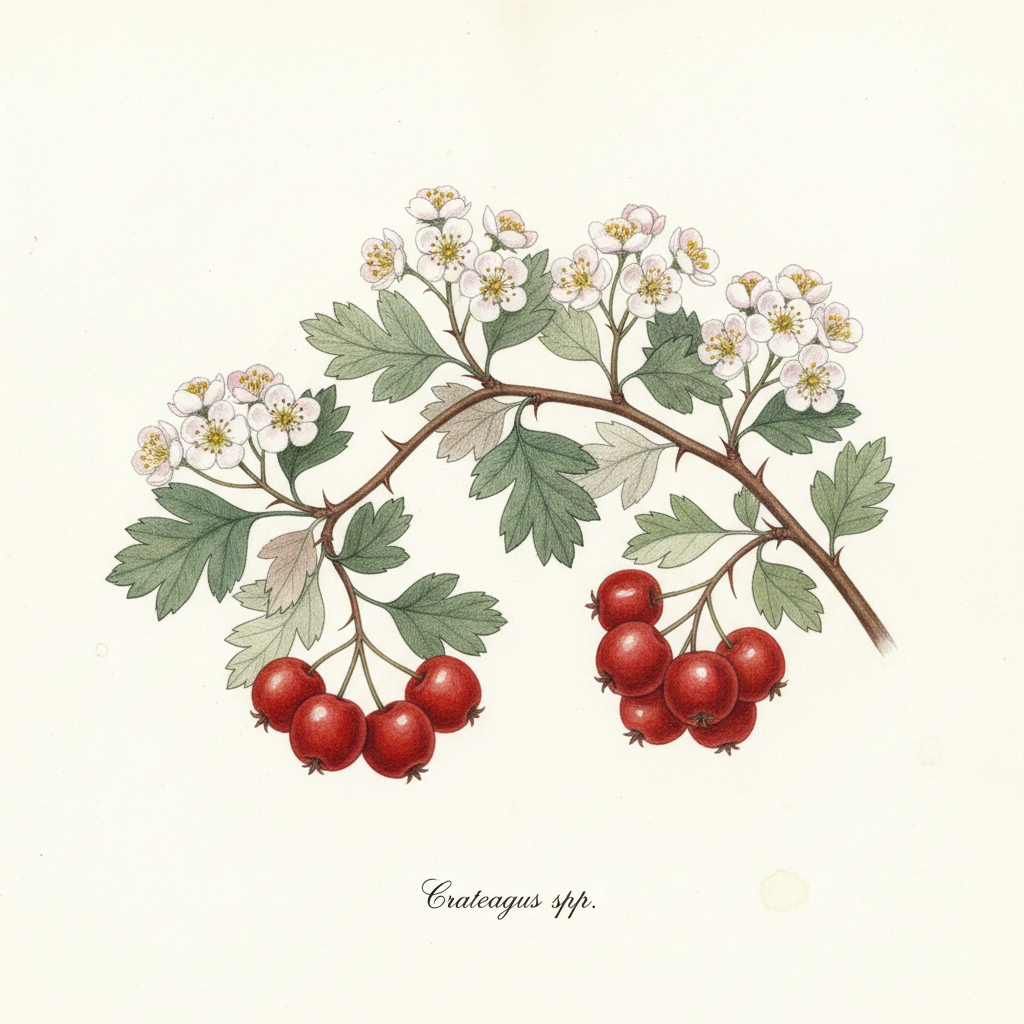
Hawthorn

Hawthorn

Crataegus spp

Cardiovascular Health