The Wild Sage logo
The Wild Sage Logo

Herbal Medicine at your fingertips

Comprehensive database of herbal remedies with detailed safety information and traditional uses

New to herbal terms? Read the glossary →
ADHD
Abcess
Acid Reflux Relief
Acinetobacter
Acne
Acne Vulgaris
Addisons
Adenomyosis
Adenovirus
Adrenal fatigue
Aging
Aids
Alcaligenes faecalis
Alcoholism
Allergic Rhinitis
Allergies
Allergy
Alopoecia
Alopoecia nervosa
Alzheimer's, Dementia & Cognitive Decline
420 herbs found
Important: This information is for educational purposes only. Always consult with qualified healthcare professionals before using herbal remedies, especially if you have existing health conditions or take medications.
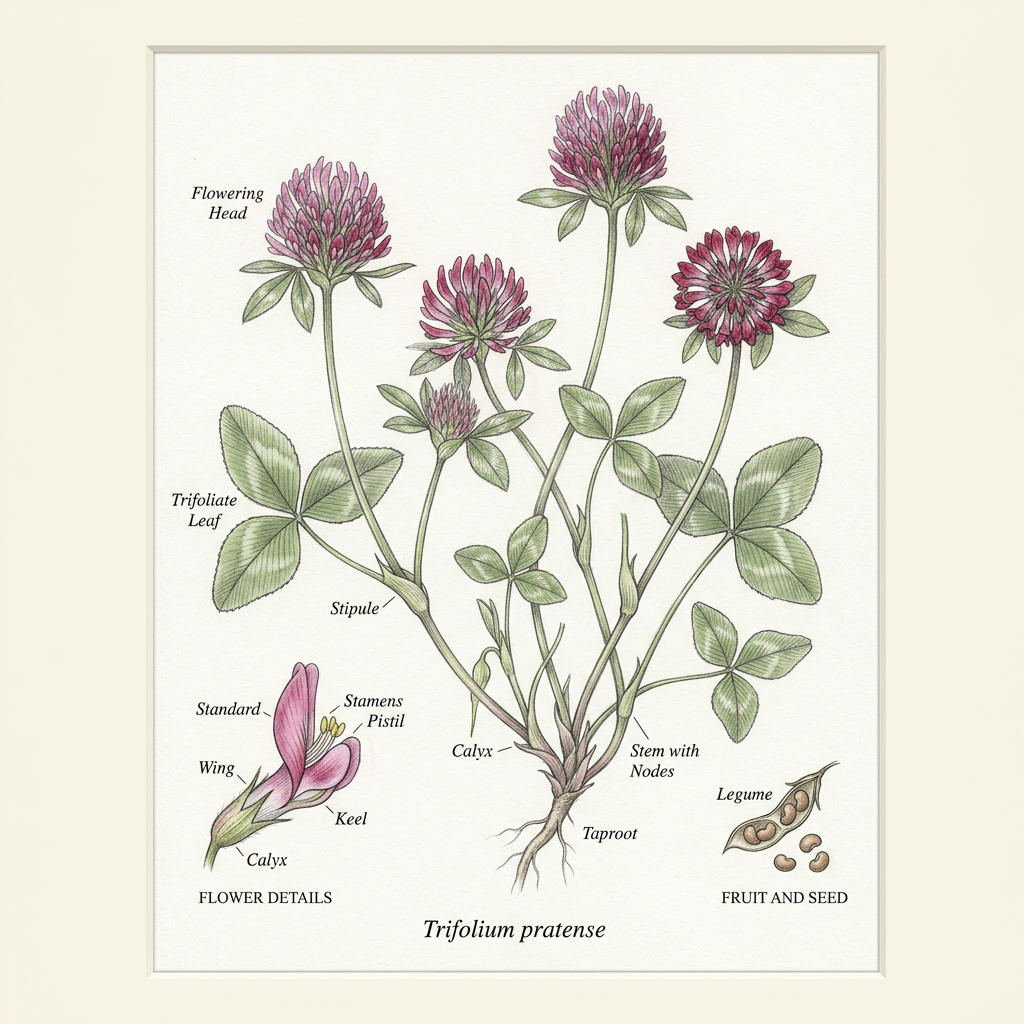
Red Clover

Red Clover

Trifolium pratense

low risk Risk
Fabaceae
cooling, moistening, slightly sweet, astringent
<p>Red Clover, scientifically recognized as Trifolium pratense, is a perennial herb belonging to the legume family, widely renowned for its vibrant pink-purple blossoms. Historically, this remarkable herb has been utilized in traditional medicine by various cultures, particularly within European folk remedies, where it was considered a powerful blood purifier and a remedy for respiratory ailments. Indigenous peoples of North America also valued Red Clover for its numerous health benefits, harnessing its properties for detoxification and to promote overall wellness. It has gained traction in contemporary herbalism, especially among women seeking relief during menopause and for skin-related conditions. The therapeutic properties of Red Clover are primarily attributed to its rich composition of isoflavones, which are plant-derived phytoestrogens that mimic the action of estrogen in the human body. This characteristic makes Red Clover a significant herbal ally for women going through menopausal transition. By supporting hormonal balance, it can alleviate common symptoms such as hot flashes, mood swings, and night sweats. Additionally, its purported blood purification qualities are believed to enhance overall detoxification processes, making it beneficial for maintaining skin health and addressing conditions such as eczema and psoriasis. Rich in antioxidants, Red Clover also supports cardiovascular health by promoting healthy circulation and reducing cholesterol levels. When consumed, Red Clover is metabolized into bioactive compounds that interact with estrogen receptors in the body, offering a gentle yet effective means of moderating hormonal fluctuations without the harsh side effects of synthetic hormone replacements. The herb’s soothing properties can also contribute to the reduction of inflammation, supporting the body’s natural ability to heal and maintain homeostasis. By combining its reputation as a female tonic with its ability to enhance detoxification pathways, Red Clover stands out as a versatile herb that not only nurtures women’s health but also promotes overall vitality.</p>

Uses & Conditions

Hormonal Balance
Female Tonic
Menorrhagia
Dysmenorrhea
Hyperlipidemia
Breast Cancer
Cervical Dysplasia
Bronchitis
Post Nasal Drip
Acne
Cough
Dermatitis
Gout
Hot Flashes
Mood Swings
Night Sweats
Vaginal Irritation
Rectal Irritation
Pernicious Anaemia
Uterine Prolapse
Osteoporosis
Eczema
Burns

Actions

Oestrogenic
Anti-neoplastic
ACE Inhibitor
COX-1 Inhibitor
COX-2 Inhibitor
Phyto-oestrogen
Hypocholesterolemic
GABA Receptor Enhancer

Synonyms

Red clover

Parts Used

Flowers
Leaves
Whole plant

Native Countries

Europe
Mediterranean
Northern Europe

USDA Hardiness Zones

USDA 3-9
USDA 4-10
USDA 5-9

Contraindications

  • Pregnancy and breastfeeding
  • Hormone-sensitive conditions such as breast cancer
  • uterine fibroids
  • or endometriosis
  • Protein S deficiency or other hereditary clotting disorders
  • Scheduled surgery; discontinue use at least two weeks prior to procedures

Potential Side Effects

  • Mild gastrointestinal upset including bloating or nausea
  • Allergic reactions in individuals sensitive to the Fabaceae family
  • Mild headache
  • Muscle aches

Interactions

  • Anticoagulants and antiplatelet drugs
  • Hormone replacement therapy (HRT)
  • Oral contraceptives
  • Tamoxifen and other SERMs

Dosages, tincture ratios & research — members only

Unlock Garreth's dosing guidance, tincture ratios, the dosage calculator and the research studies for Red Clover.

Your assessment and results stay saved — upgrading only unlocks more of them.

See membership plans

Community Photos

No community photos yet. Sign in to upload photos.

Reviews & Ratings

Sign in to leave a review.

No reviews yet. Be the first!

GF

Garreth Falls — B.Th., Dip. H.M., MNIMH

Content curated and reviewed by Garreth Falls, Consultant Medical Herbalist · The Wild Sage

Medical Disclaimer: This information is for educational purposes only and is not intended as medical advice. Always consult with qualified healthcare professionals before starting any herbal treatment.
Western tradition

Sustainability & quality

Abundant

Common field weed that is easily foraged. Ensure collection sites are free from agricultural pesticides.

Key constituents

Antioxidant, flavonoids, Phenolic compounds, Minerals, Phytohormones, Salicylic acid, Biochanin, formononetin, Daidzein, Genistein, isoflavones

References

  1. ESCOP Monographs 2nd ed. 2003
  2. EMA/HMPC Community Herbal Monograph
  3. Herbal Reality. Herb monographs. herbalreality.com

Reviewed by Garreth, Medical Herbalist (MNIMH) · November 2026

Related conditions

Explore conditions where Red Clover is traditionally used.

Related Herbs
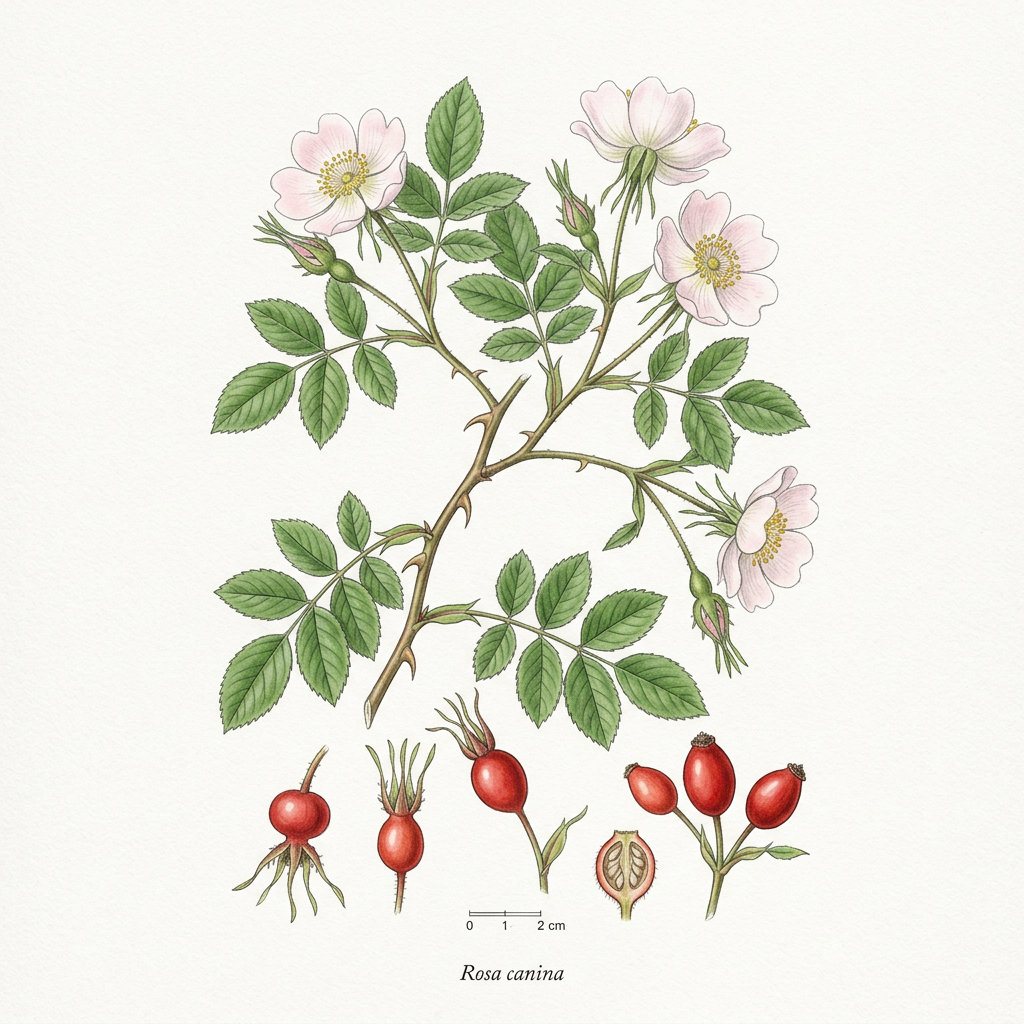
Dog rose

Dog rose

Rosa canina

Immune Support
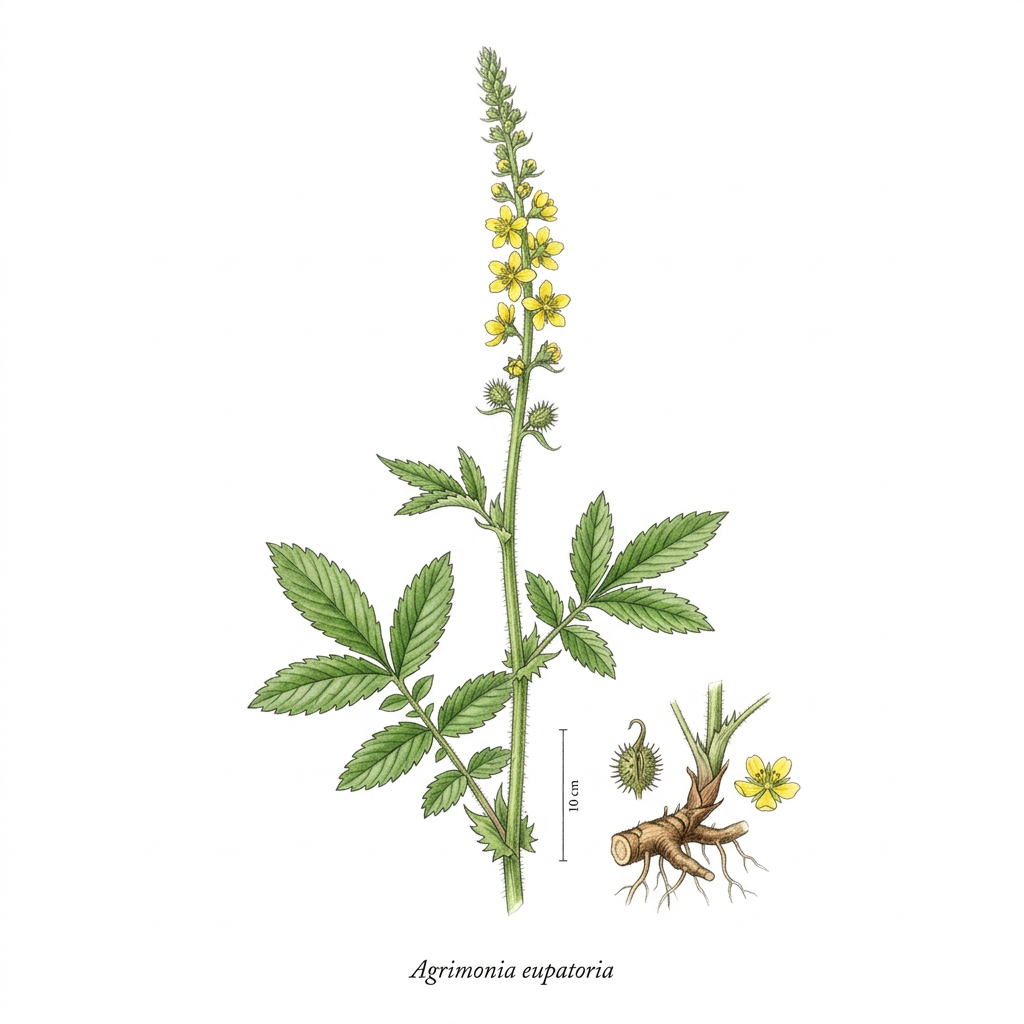
Agrimony

Agrimony

Agrimonia eupatoria

Digestive Aid
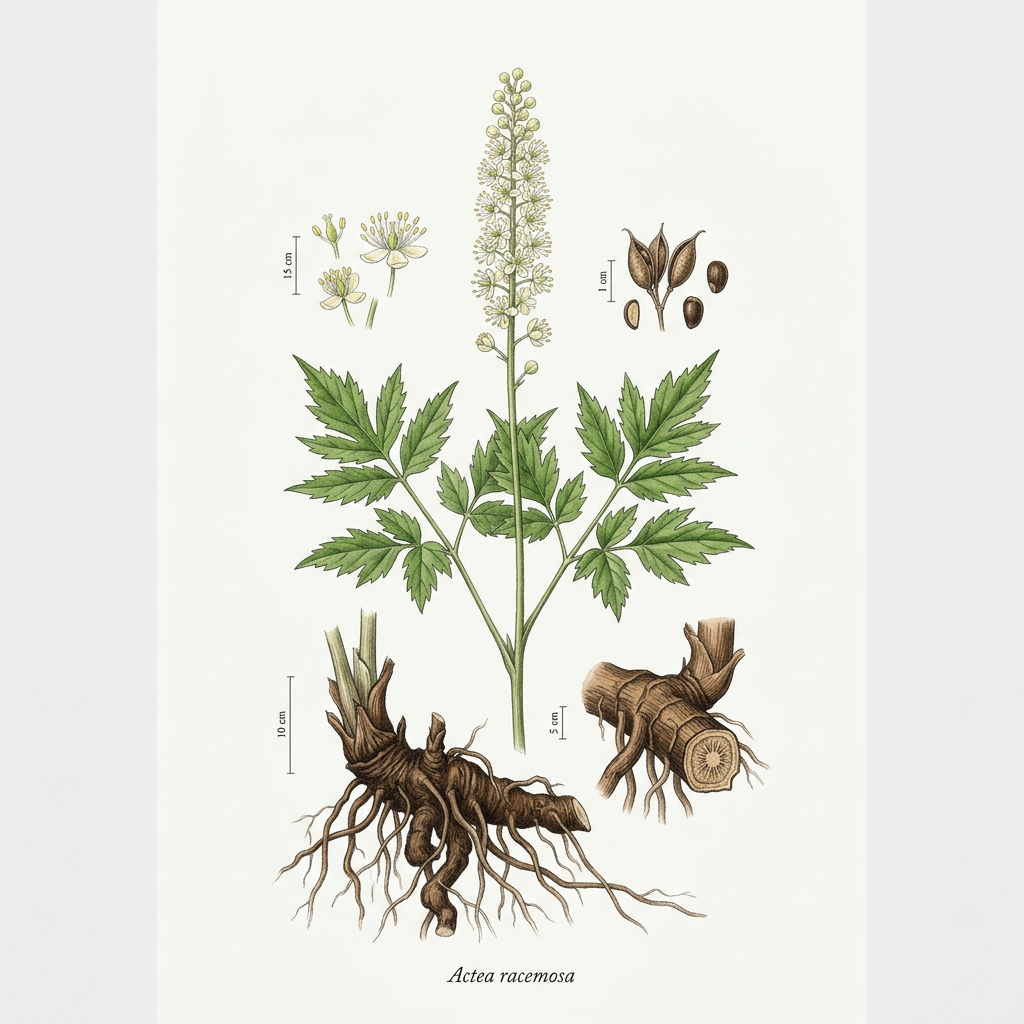
Black Cohosh

Black Cohosh

Actaea racemosa

Hormonal Support
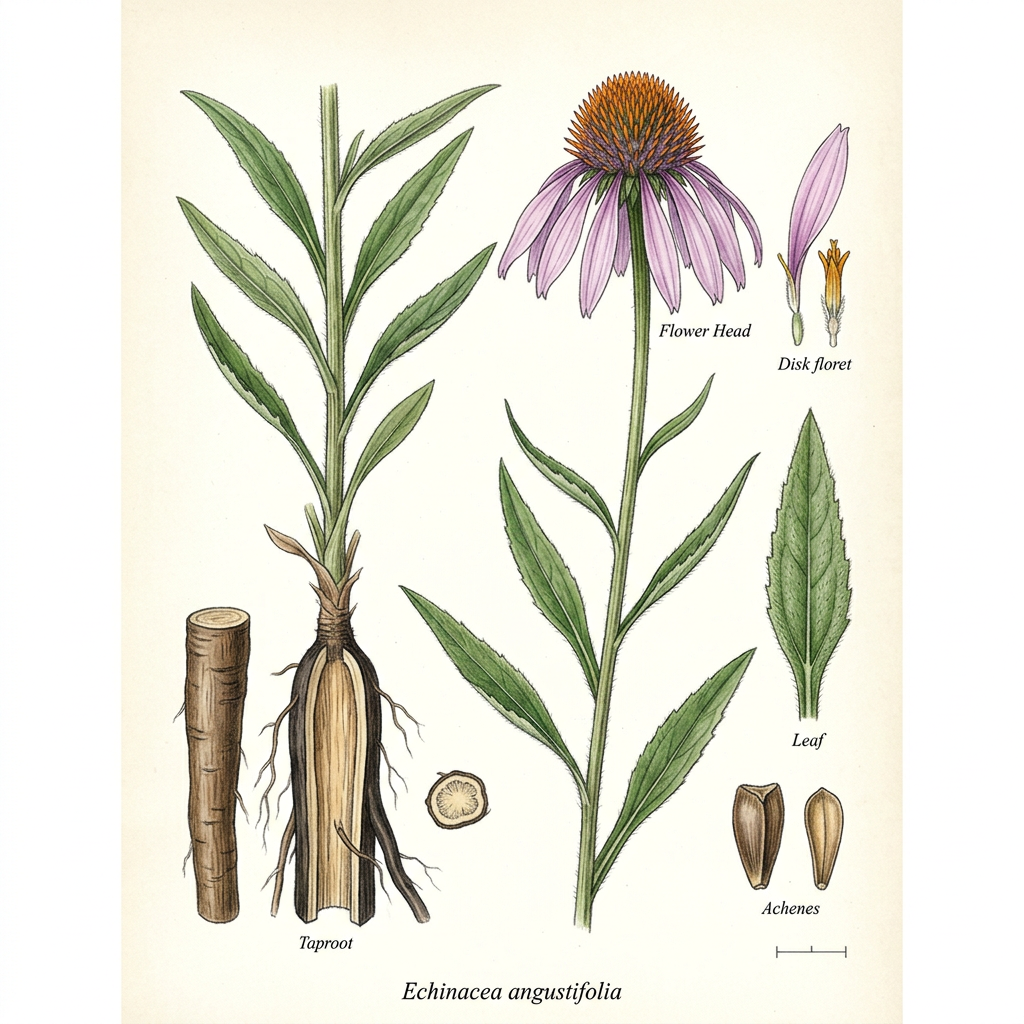
Echinacea angustifolia

Echinacea angustifolia

Echinacea angustifolia

Immune System Support