The Wild Sage logo
The Wild Sage Logo

Herbal Medicine at your fingertips

Comprehensive database of herbal remedies with detailed safety information and traditional uses

New to herbal terms? Read the glossary →
ADHD
Abcess
Acid Reflux Relief
Acinetobacter
Acne
Acne Vulgaris
Addisons
Adenomyosis
Adenovirus
Adrenal fatigue
Aging
Aids
Alcaligenes faecalis
Alcoholism
Allergic Rhinitis
Allergies
Allergy
Alopoecia
Alopoecia nervosa
Alzheimer's, Dementia & Cognitive Decline
420 herbs found
Important: This information is for educational purposes only. Always consult with qualified healthcare professionals before using herbal remedies, especially if you have existing health conditions or take medications.
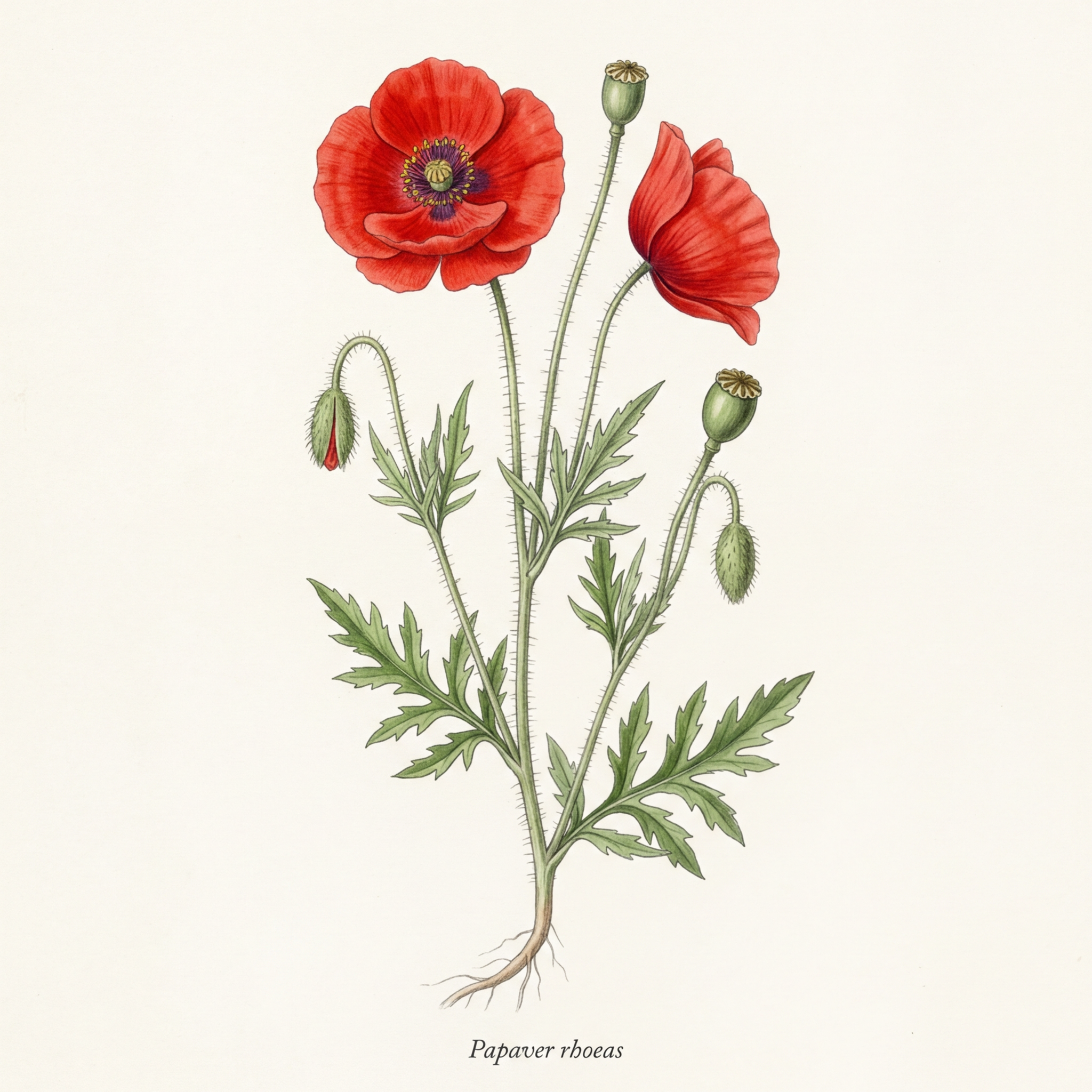
Red poppy

Red poppy

Papaver rhoeas

low risk Risk
Papaveraceae
Slightly cool, moist; sweet, dispersing, aiding in relaxation and pain relief.
<p>The Red Poppy, scientifically known as Papaver rhoeas, is a charming flowering plant native to Europe and parts of Asia, renowned for its vivid scarlet petals that have captured the attention of poets and herbalists alike for centuries. Traditionally, this herb has been celebrated not only for its striking beauty but also for its therapeutic potential. In historical herbal practices, the Red Poppy has been utilized for its soothing properties, particularly as a gentle sedative to aid sleep and alleviate anxiety. Its association with sleep is deeply rooted in folklore, where it has been depicted as a symbol of rest and peaceful slumber—a connection that continues to resonate in modern herbal medicine. The therapeutic benefits of Red Poppy are diverse, primarily stemming from its alkaloids, which are known to exert mild analgesic and sedative effects. Its primary uses include pain relief and mood support, making it an attractive natural remedy for those experiencing tension, restlessness, or sleep disturbances. The compounds within the herb are believed to interact with the body's neurotransmitters, promoting relaxation and facilitating a healthier sleep cycle. By gently calming the nervous system and also possessing anti-inflammatory properties, Red Poppy serves as a holistic approach to managing both physical discomfort and emotional stress, inviting a sense of tranquility and balance to one's life. In terms of its mechanism of action, Red Poppy influences the central nervous system, enhancing the body's ability to manage pain while simultaneously promoting feelings of calmness, which can be particularly beneficial for individuals dealing with anxiety or depressive symptoms. The sedative effects are thought to arise from the herb's ability to modulate the release of neurotransmitters involved in relaxation, such as gamma-aminobutyric acid (GABA). Therefore, incorporating Red Poppy into herbal practice not only honors its rich historical significance but also embraces its contemporary relevance as a gentle ally in fostering overall well-being and emotional health.</p>

Uses & Conditions

Pain
Insomnia
Depression
Cough
Anxiety

Actions

Analgesic
Sedative
Anxiolytic
Antidepressant

Parts Used

flower

Native Countries

Europe
north africa
mediterranean

USDA Hardiness Zones

USDA 3-11

Contraindications

  • Avoid during pregnancy due to lack of safety data regarding alkaloid content
  • Avoid during breastfeeding due to potential passage of active constituents into breast milk
  • Not recommended for children under 12 years
  • Use caution in individuals with known sensitivity to poppy family plants
  • Discontinue at least two weeks prior to elective surgery

Potential Side Effects

  • Mild drowsiness or lethargy if taken in excess
  • Rare reports of allergic skin reactions or dermatitis with topical application
  • Occasional gastrointestinal discomfort

Interactions

  • CNS depressants: may potentiate the sedative effects of benzodiazepines, barbiturates, or alcohol
  • Opioid analgesics: potential for additive effects if used alongside conventional opioid medications
  • Use caution when combining with prescription sedatives

Dosages, tincture ratios & research — members only

Unlock Garreth's dosing guidance, tincture ratios, the dosage calculator and the research studies for Red poppy.

Your assessment and results stay saved — upgrading only unlocks more of them.

See membership plans

Community Photos

No community photos yet. Sign in to upload photos.

Reviews & Ratings

Sign in to leave a review.

No reviews yet. Be the first!

GF

Garreth Falls — B.Th., Dip. H.M., MNIMH

Content curated and reviewed by Garreth Falls, Consultant Medical Herbalist · The Wild Sage

Medical Disclaimer: This information is for educational purposes only and is not intended as medical advice. Always consult with qualified healthcare professionals before starting any herbal treatment.
Western tradition

Sustainability & quality

Abundant

An abundant annual weed in arable fields and waste ground. Wild-harvest the flowering aerial parts during the growing season.

Key constituents

Rhoeadine, Papaverine, Anthocyanins, Mucilage, Flavonoids, Alkaloids of the isoquinoline group

References

  1. EMA/HMPC Community Herbal Monograph
  2. British Herbal Pharmacopoeia 1983
  3. Herbal Reality. Herb monographs. herbalreality.com

Reviewed by Garreth, Medical Herbalist (MNIMH) · November 2026

Related conditions

Explore conditions where Red poppy is traditionally used.

Related Herbs
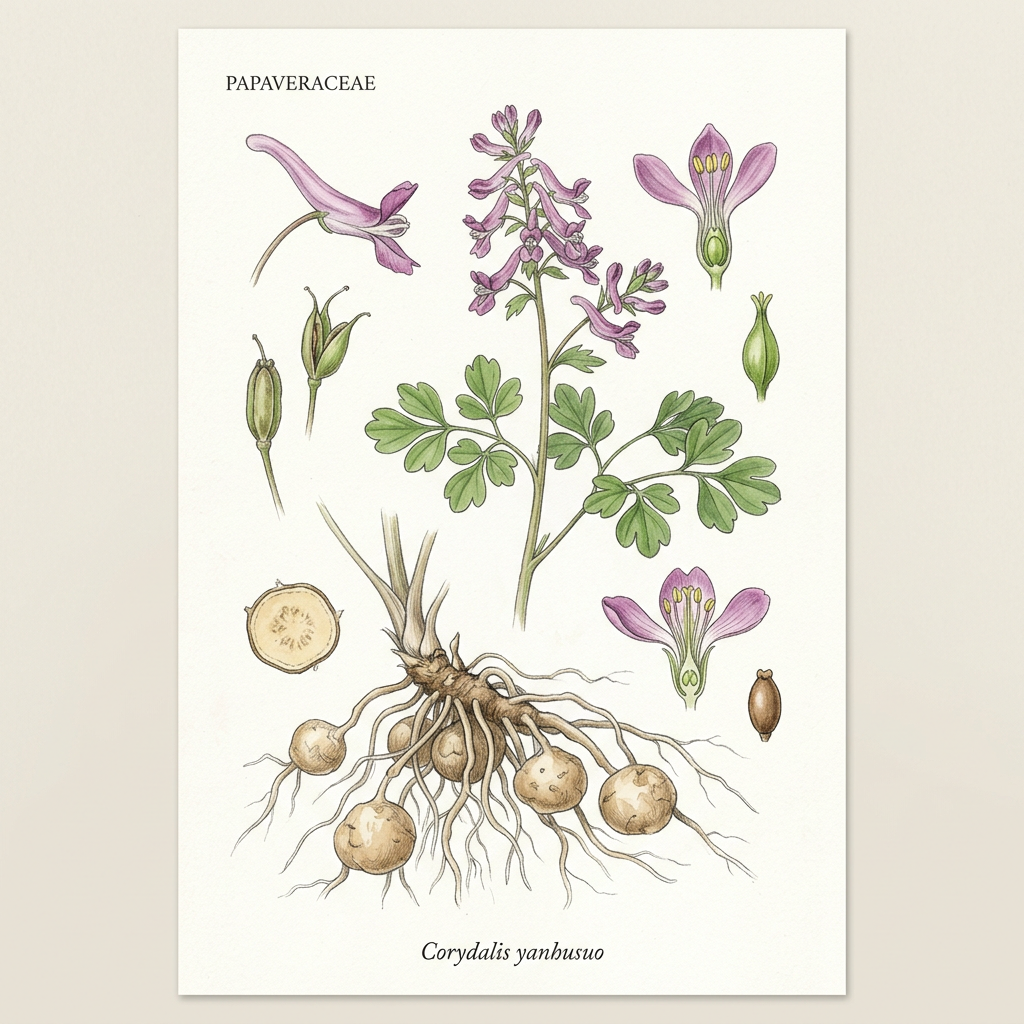
Corydalis

Corydalis

Corydalis yanhusuo

Emotional Stress Relief
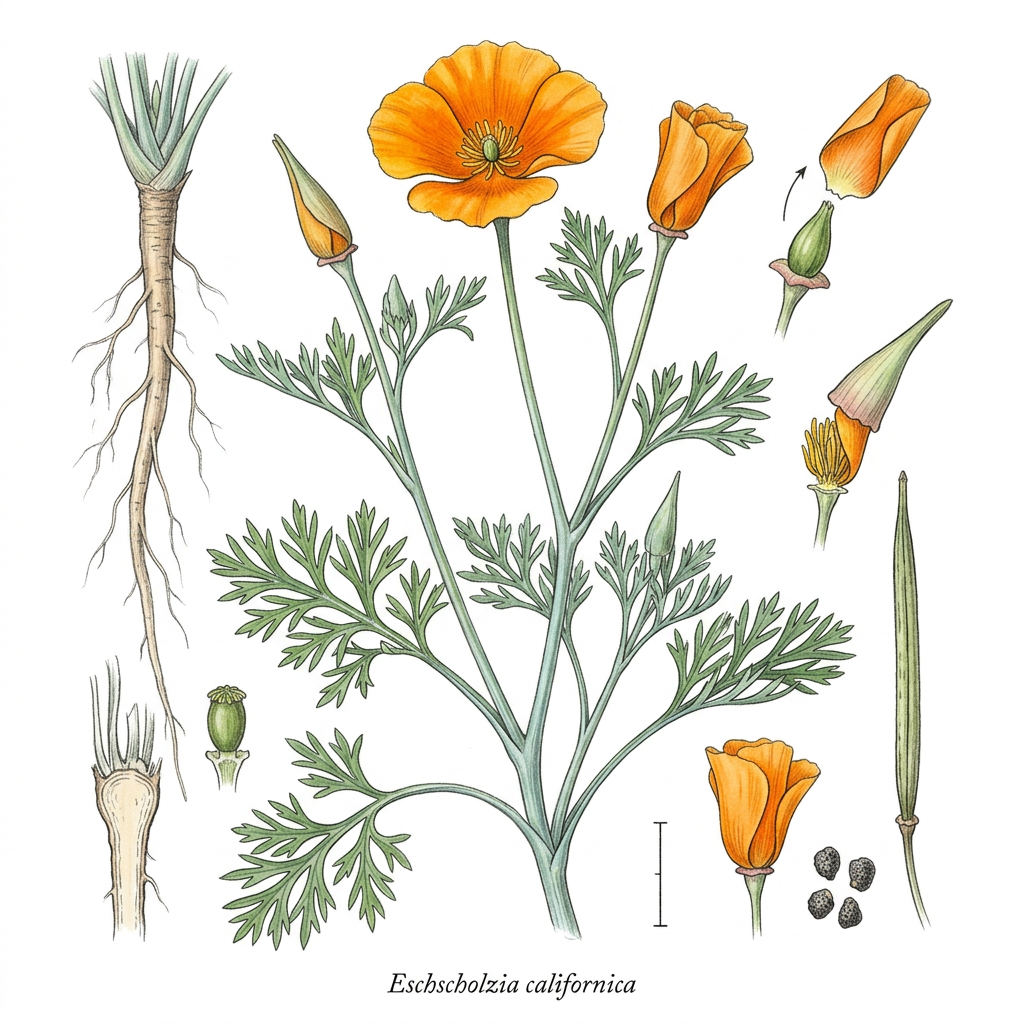
California Poppy

California Poppy

Eschscholzia californica
Nervous System Support
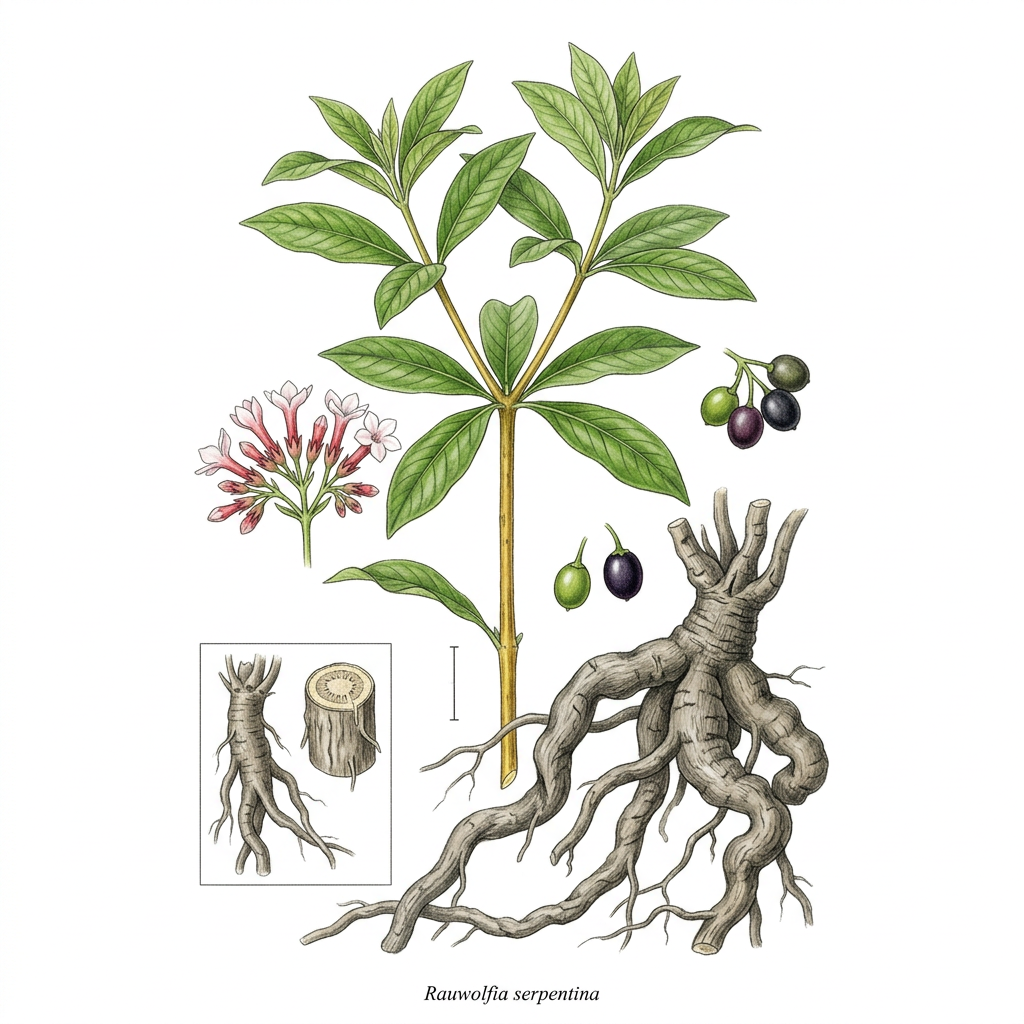
Indian Snakeroot

Indian Snakeroot

Rauwolfia serpentina
Mental clarity
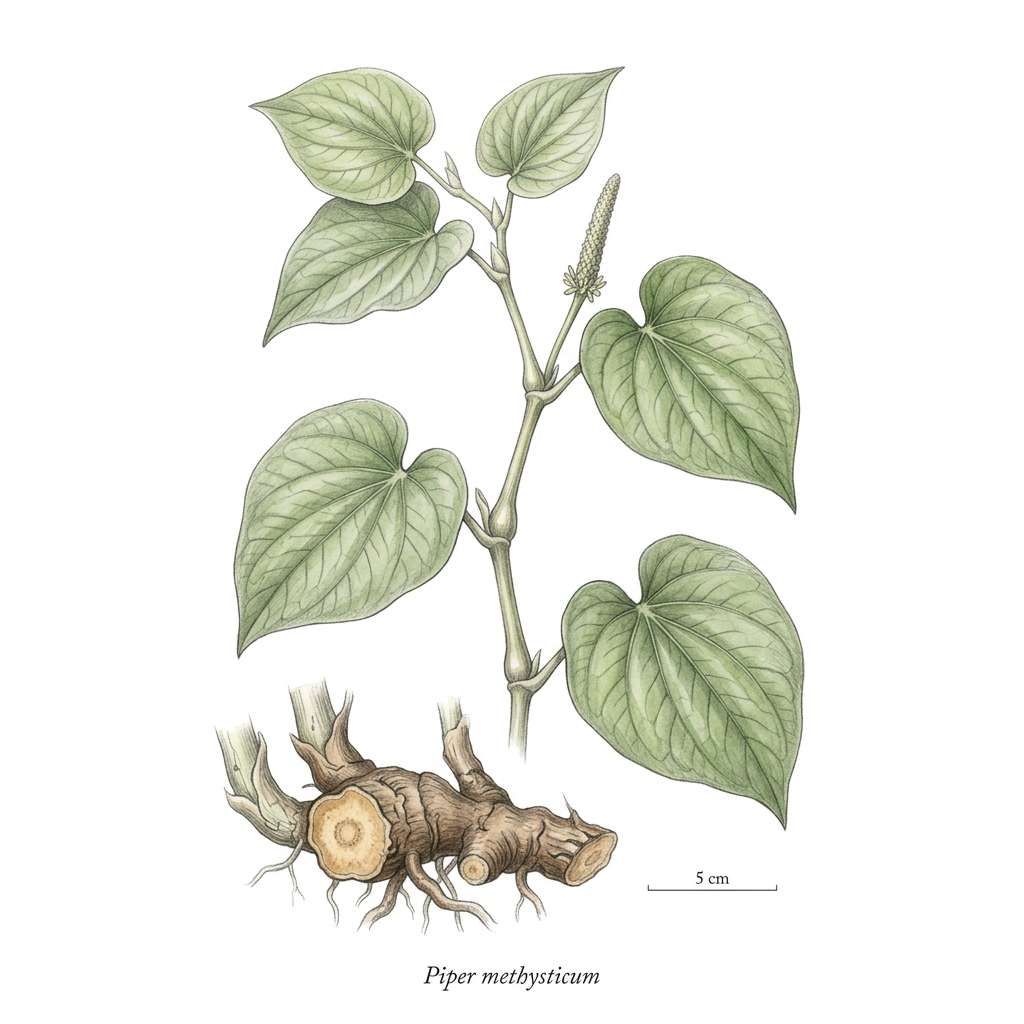
Kava Kava

Kava Kava

Piper methysticum

Stress Relief