The Wild Sage logo
The Wild Sage Logo

Herbal Medicine at your fingertips

Comprehensive database of herbal remedies with detailed safety information and traditional uses

New to herbal terms? Read the glossary →
ADHD
Abcess
Acid Reflux Relief
Acinetobacter
Acne
Acne Vulgaris
Addisons
Adenomyosis
Adenovirus
Adrenal fatigue
Aging
Aids
Alcaligenes faecalis
Alcoholism
Allergic Rhinitis
Allergies
Allergy
Alopoecia
Alopoecia nervosa
Alzheimer's, Dementia & Cognitive Decline
420 herbs found
Important: This information is for educational purposes only. Always consult with qualified healthcare professionals before using herbal remedies, especially if you have existing health conditions or take medications.
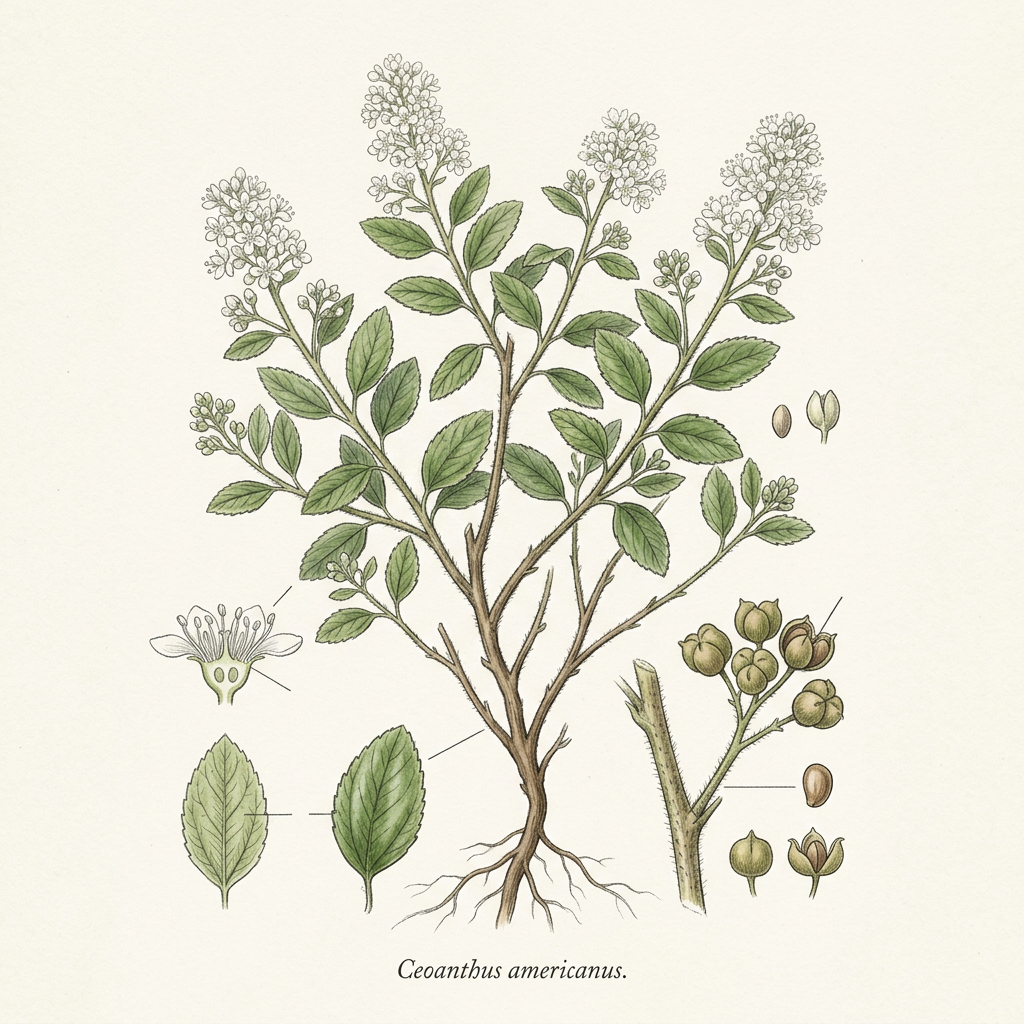
Red Root

Red Root

Ceanothus americanus

low risk Risk
Aramanthaceae
Known for its cooling and drying properties. test for amount 3 drops to 1 dropperfull 2-3 timers daily.
<p>Red Root, scientifically referred to as Ceanothus americanus, is a perennial shrub native to North America, particularly thriving in dry, sandy soils and open woodlands. This herb has been utilized for centuries in traditional medicine, particularly by Indigenous peoples, who recognized its profound capacity to support the body’s natural processes. Historically, the root was employed as a remedy for various ailments, notably for enhancing lymphatic function and bolstering spleen health. The rich folklore surrounding Red Root underscores its significance in traditional herbalism, where it was revered not only for its physical benefits but also for its role in promoting overall wellness and vitality. The therapeutic properties of Red Root are particularly notable for their efficacy in supporting lymphatic drainage and enhancing spleen function. This herb is characterized by its blood-cleansing actions, which assist the body in detoxifying and fortifying the immune system. Red Root acts as a coagulant, aiding in the proper clotting of blood, thereby contributing to the body's integrative healing processes. The herb's lymphatic action is paramount, promoting the flow of lymph fluid and facilitating the removal of metabolic waste, pathogens, and toxins from the body's tissues. As a natural adaptogen, Red Root helps the body adapt to stressors, providing systemic support and enhancing vitality. Mechanistically, Red Root works by stimulating the lymphatic system, ensuring the effective circulation of lymph and promoting the immune response. This stimulation not only aids in cleansing but also improves nutrient absorption and waste removal, essential for maintaining optimal health. Furthermore, the herb's compounds, including various glycosides and alkaloids, interact with the body's complex systems, enhancing circulation and supporting various organs in their functions. By promoting vascular tone and enhancing spleen activity, Red Root contributes to a holistic approach to health, empowering the body’s innate ability to heal and maintain balance. Whether incorporated in tinctures, teas, or capsules, Red Root remains a valuable ally in herbal medicine, offering support for both specific conditions and overall well-being.</p>

Uses & Conditions

Blood Cleansing
Immune Support
Detoxification
Stress Adaptation
Lymphatic Disorders
Lymphedema
Lymphadenopathy
Lymphatic Filariasis
Toxemia
Blood Disorders
Spleen Health
Splenomegaly
Asthma
Aphthous Ulcers
Bronchitis
Catarrh States
Biliary Dyskinesia
Diabetes

Actions

Lymphatic
Coagulant

Parts Used

Root
Root bark

Native Countries

United States
Canada
Mexico

USDA Hardiness Zones

3
4
5
6
7

Contraindications

  • Pregnancy: avoid due to lack of safety data and historical use as a uterine stimulant.
  • Breastfeeding: insufficient evidence regarding safety for infants.
  • Pre-existing bleeding disorders: use with extreme caution due to haemostatic properties.
  • Scheduled surgery: discontinue at least two weeks prior to elective procedures to avoid interference with coagulation.

Potential Side Effects

  • Constipation
  • Iron deficiency and malnutrition due to tannins

Interactions

  • Anticoagulants and antiplatelet drugs: potential for additive effects on blood clotting mechanisms.
  • Prescription blood pressure medication: potential for vasotropic effects.
  • Immune-modulating drugs: potential interference with immunosuppressant therapy.

Dosages, tincture ratios & research — members only

Unlock Garreth's dosing guidance, tincture ratios, the dosage calculator and the research studies for Red Root.

Your assessment and results stay saved — upgrading only unlocks more of them.

See membership plans

Community Photos

No community photos yet. Sign in to upload photos.

Reviews & Ratings

Sign in to leave a review.

No reviews yet. Be the first!

GF

Garreth Falls — B.Th., Dip. H.M., MNIMH

Content curated and reviewed by Garreth Falls, Consultant Medical Herbalist · The Wild Sage

Medical Disclaimer: This information is for educational purposes only and is not intended as medical advice. Always consult with qualified healthcare professionals before starting any herbal treatment.
Western tradition

Sustainability & quality

Cultivated

Prefer cultivated sources to avoid depletion of wild populations.

Key constituents

Tannins, - Flavonoids, Saponins, Glycosides, Resins, Essential oils

References

  1. British Herbal Pharmacopoeia 1983
  2. Herbal Reality. Herb monographs. herbalreality.com

Reviewed by Garreth, Medical Herbalist (MNIMH) · November 2026

Related conditions

Explore conditions where Red Root is traditionally used.

Related Herbs
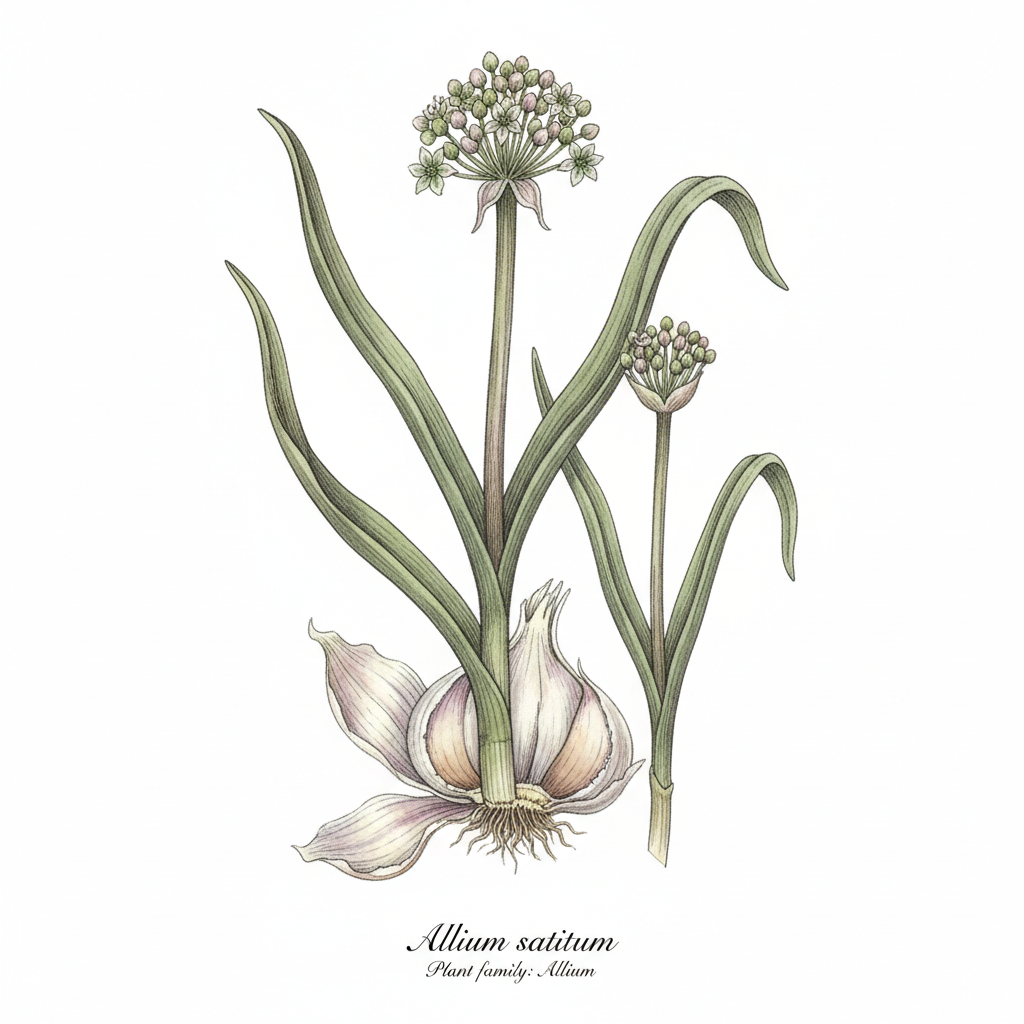
Garlic

Garlic

Allium sativum

Immune Support
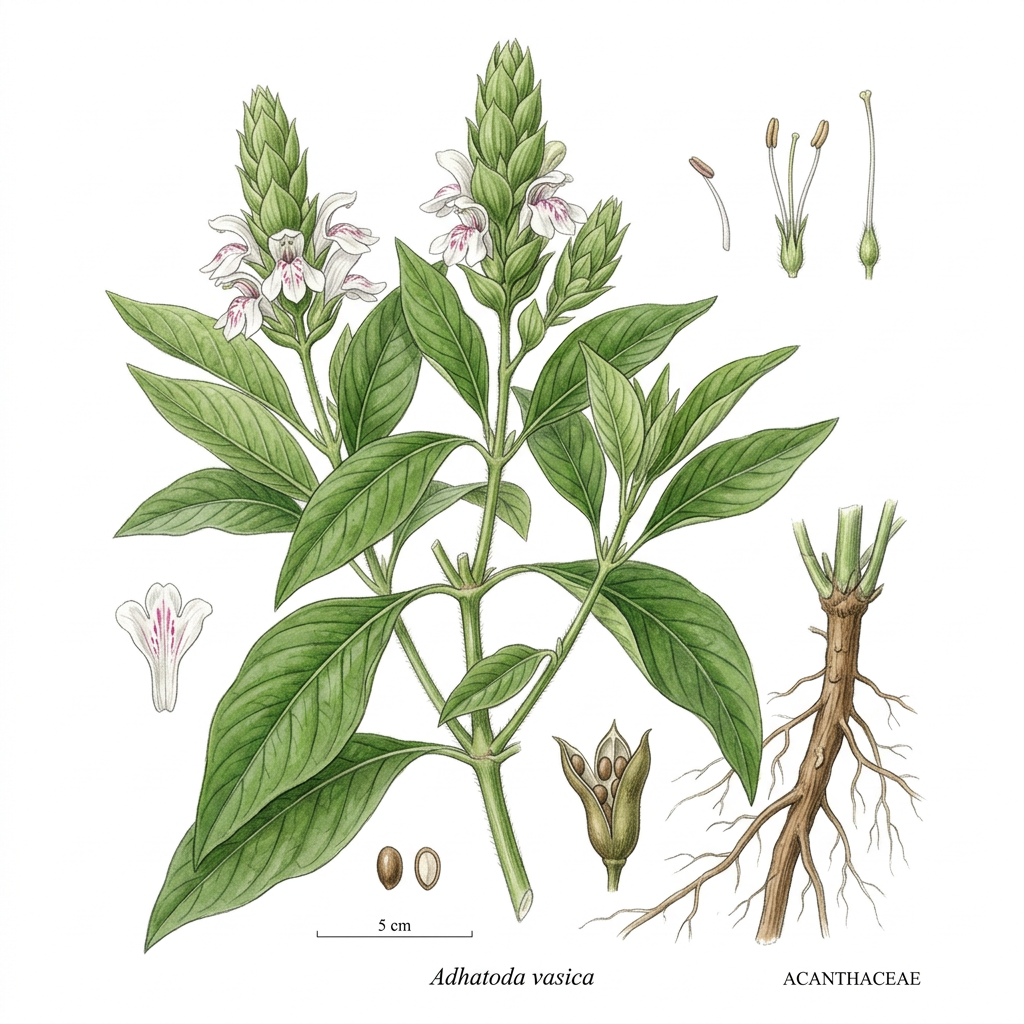
Adhatoda vasia

Adhatoda vasia

Adhatoda vasia

Diabetes
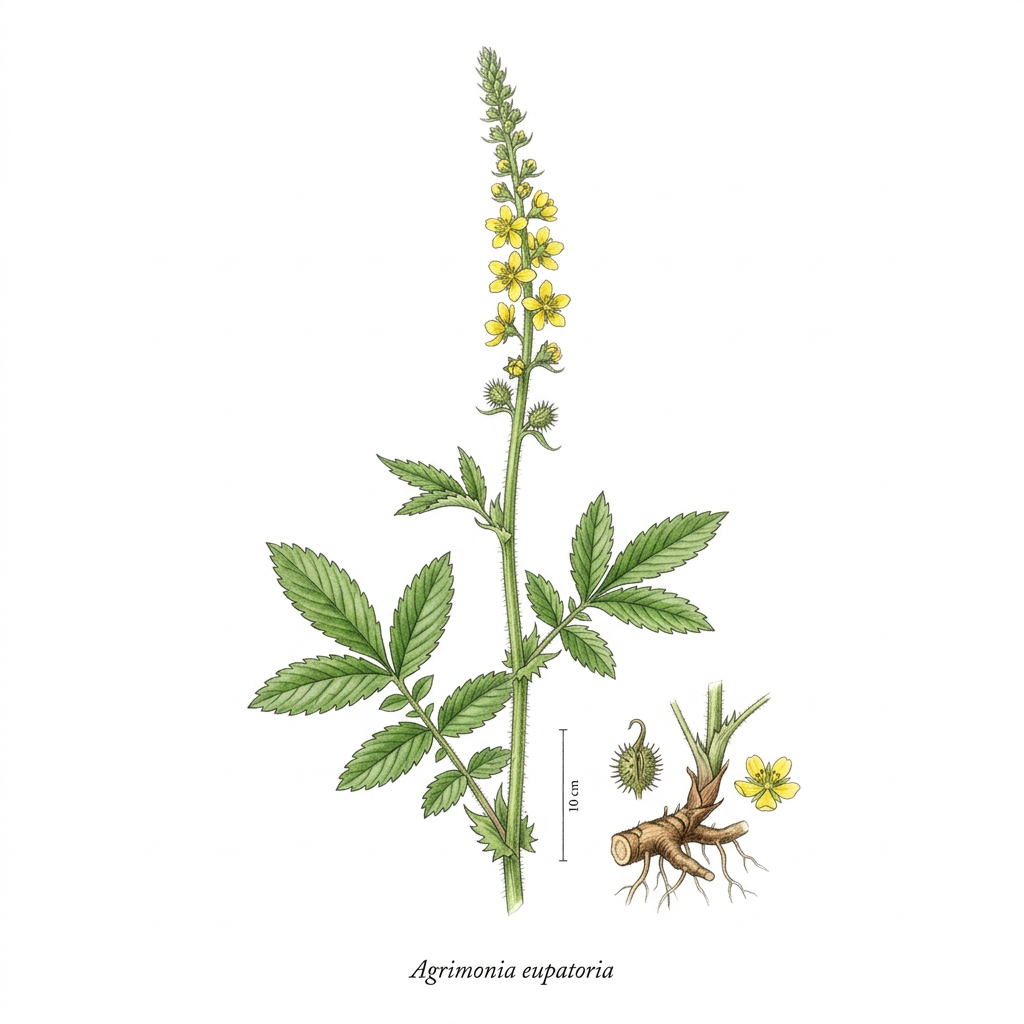
Agrimony

Agrimony

Agrimonia eupatoria

Digestive Aid
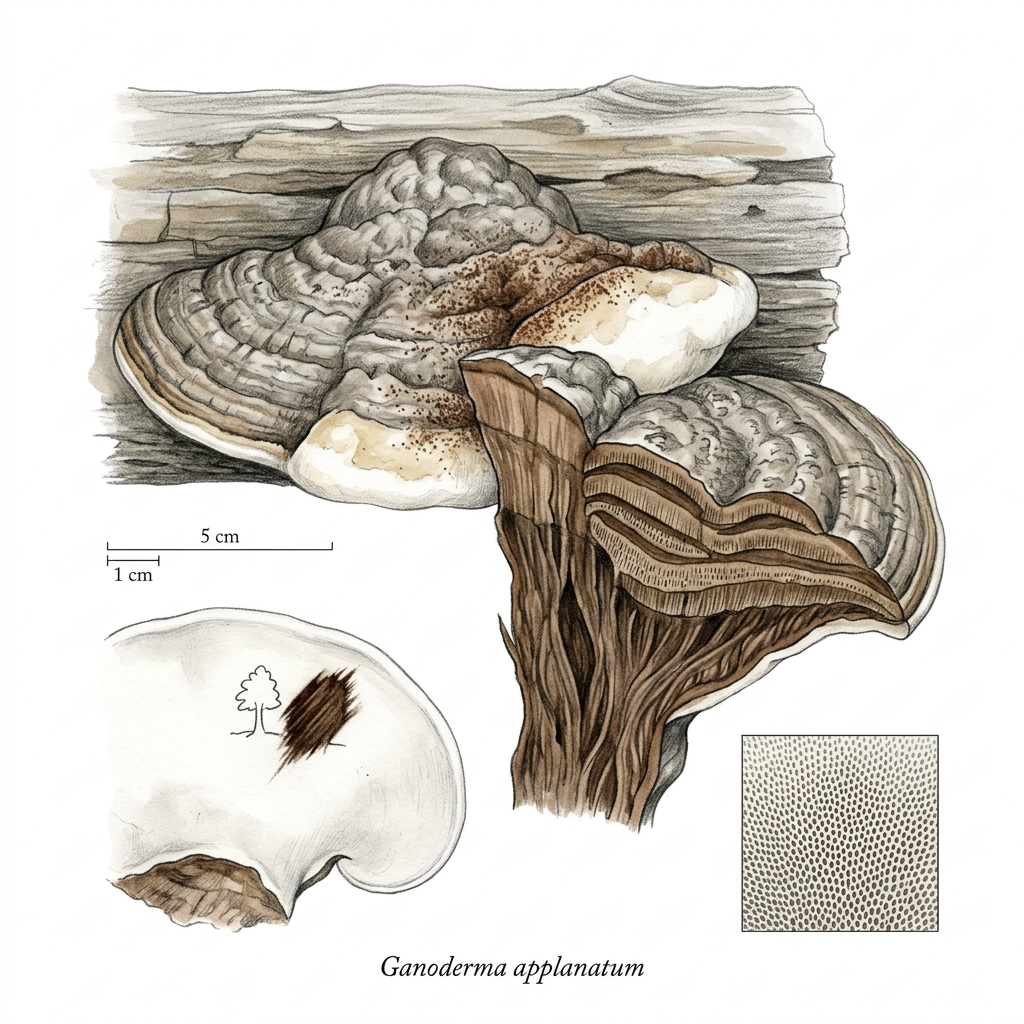
Artist's Conk

Artist's Conk

Ganoderma applanatum

Immune Support