The Wild Sage logo
The Wild Sage Logo

Herbal Medicine at your fingertips

Comprehensive database of herbal remedies with detailed safety information and traditional uses

New to herbal terms? Read the glossary →
ADHD
Abcess
Acid Reflux Relief
Acinetobacter
Acne
Acne Vulgaris
Addisons
Adenomyosis
Adenovirus
Adrenal fatigue
Aging
Aids
Alcaligenes faecalis
Alcoholism
Allergic Rhinitis
Allergies
Allergy
Alopoecia
Alopoecia nervosa
Alzheimer's, Dementia & Cognitive Decline
420 herbs found
Important: This information is for educational purposes only. Always consult with qualified healthcare professionals before using herbal remedies, especially if you have existing health conditions or take medications.
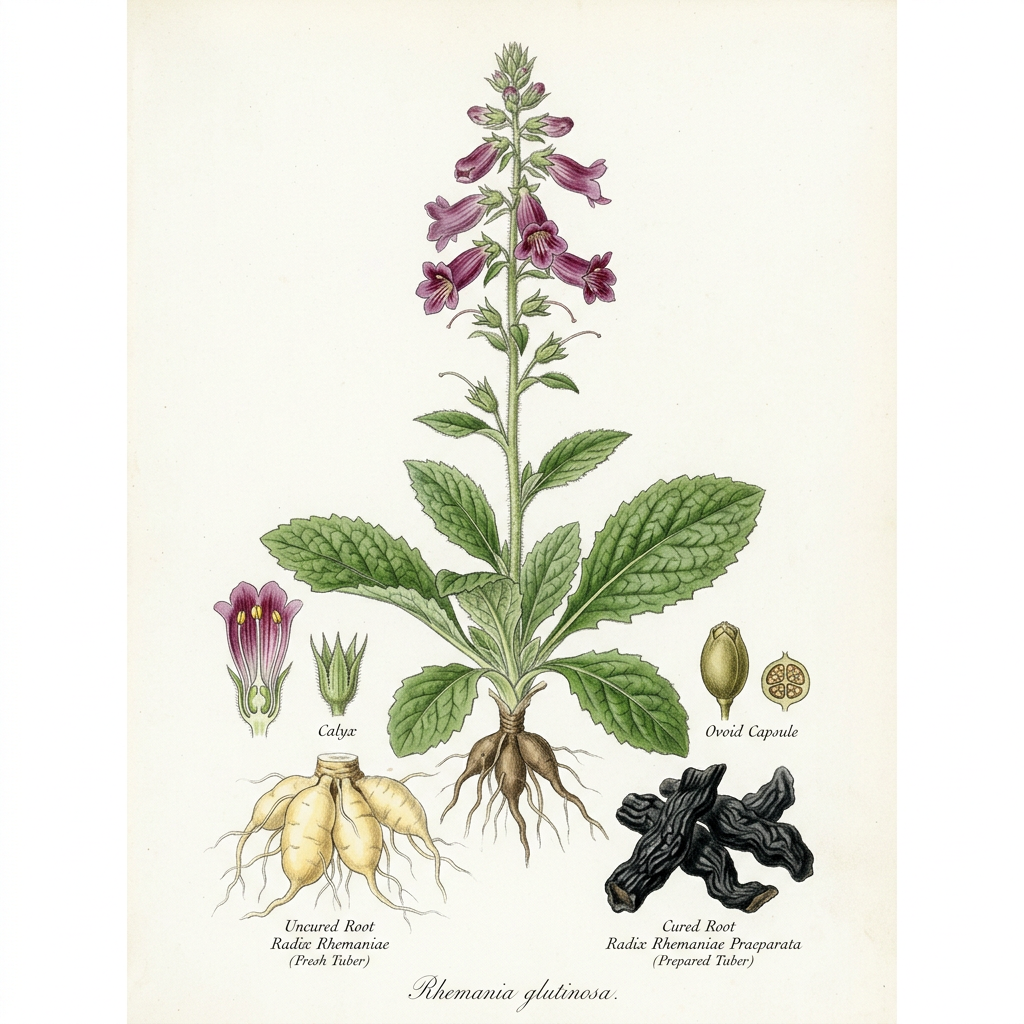
Rhemania glutinosa

Rhemania glutinosa

Rhemania glutinosa

moderate risk Risk
Scrophulariaceae
Neutral, cool, moist.
<p>Rhemania glutinosa, commonly referred to as "Rhemannia," is a prominent herb in traditional Chinese medicine (TCM), where it has been revered for centuries for its myriad therapeutic properties. This perennial plant, belonging to the Orobanchaceae family, flourishes in damp, shaded environments and is characterized by its thick, fleshy roots, which are primarily utilized for medicinal purposes. Historically, Rhemania glutinosa has been employed to enhance vitality, support blood health, and bolster overall well-being, often used as a restorative tonic especially in cases of fatigue or weakness. Its incorporation in traditional formulas showcases its role as a vital component for nourishing the kidneys and supporting the yin aspect of the body. **Key Therapeutic Properties and Benefits:** Rhemania glutinosa is celebrated for its multifaceted therapeutic actions, serving primarily as a blood tonic, cardio-protective agent, and circulatory stimulant. As a blood tonic, it is believed to enhance the quality and quantity of blood, making it beneficial for individuals suffering from anemia or related deficiencies. The herb is also recognized for its cardio-protective properties, potentially contributing to better heart health and reducing the risk of cardiovascular diseases. Additionally, its ability to stimulate circulation may aid in improving oxygen and nutrient delivery throughout the body, thus promoting overall physical vitality and endurance. **Mechanism of Action in the Body:** The effects of Rhemania glutinosa can be attributed to its rich composition of bioactive compounds, including polysaccharides, iridoids, and flavonoids, which work synergistically to enhance health. These compounds have been shown to improve the function of blood vessels and support proper endothelial function, thereby bolstering circulation. Furthermore, Rhemania glutinosa is believed to modulate the body’s inflammatory response, promoting a balanced immune system while supporting overall cardiovascular health. This herb’s restorative properties not only nourish the body’s vital systems but also contribute to an enduring sense of vitality and well-being, making it a valuable addition to holistic health practices.</p>

Uses & Conditions

Blood Tonic
Renal Tonic
Immunomodulatory Support
Adrenal Fatigue
Allergy
Alzheimer's
Amenorrhoea
Anaemia
Asthma
Autoimmune Disorders
Bleeding
Cancer
Cardiovascular Disease
Chronic Fatigue
Chronic Kidney Disease
Constipation
Cough
Diabetes
Dry Mouth
Endometriosis
Epistaxis
Hypertension
Pernicious Anaemia
Poor Circulation
Renal Weakness

Actions

Cardio-protective
Creatinine Lowering
Immunomodulatory
Renal Tonic

Parts Used

Cured and uncured root.

Native Countries

China
Asia

USDA Hardiness Zones

USDA 6-9

Contraindications

  • Pregnancy and breastfeeding due to insufficient safety data
  • Spleen deficiency with dampness
  • such as chronic diarrhoea or loose stools
  • Pre-surgical window: discontinue at least two weeks before elective surgery
  • Active gastrointestinal inflammation or digestive distress

Potential Side Effects

  • Mild gastrointestinal upset including nausea or bloating
  • Loose stools or diarrhoea in high doses or those with weak digestion
  • Potential for rare allergic reactions

Interactions

  • Anticoagulants and antiplatelet drugs: may increase the risk of bleeding
  • Antidiabetic medications: may enhance the hypoglycaemic effect
  • Immunosuppressants: may interfere with mechanism of action
  • Diuretics: potential for additive effects on serum electrolytes

Dosages, tincture ratios & research — members only

Unlock Garreth's dosing guidance, tincture ratios, the dosage calculator and the research studies for Rhemania glutinosa.

Your assessment and results stay saved — upgrading only unlocks more of them.

See membership plans

Community Photos

No community photos yet. Sign in to upload photos.

Reviews & Ratings

Sign in to leave a review.

No reviews yet. Be the first!

GF

Garreth Falls — B.Th., Dip. H.M., MNIMH

Content curated and reviewed by Garreth Falls, Consultant Medical Herbalist · The Wild Sage

Medical Disclaimer: This information is for educational purposes only and is not intended as medical advice. Always consult with qualified healthcare professionals before starting any herbal treatment.
Chinese tradition

Sustainability & quality

Cultivated

Widely cultivated; ensure correct processing (steaming) to meet quality standards.

Key constituents

Catalpol (an iridoid glycoside), Rehmanniosides A-D, Aucubin, Mannitol, Beta-sitosterol, Daucosterol, Amino acids, Trace minerals

References

  1. Bensky "Chinese Herbal Medicine: Materia Medica" 3rd ed. 2004
  2. Herbal Reality. Herb monographs. herbalreality.com

Reviewed by Garreth, Medical Herbalist (MNIMH) · November 2026

Related conditions

Explore conditions where Rhemania glutinosa is traditionally used.

Related Herbs
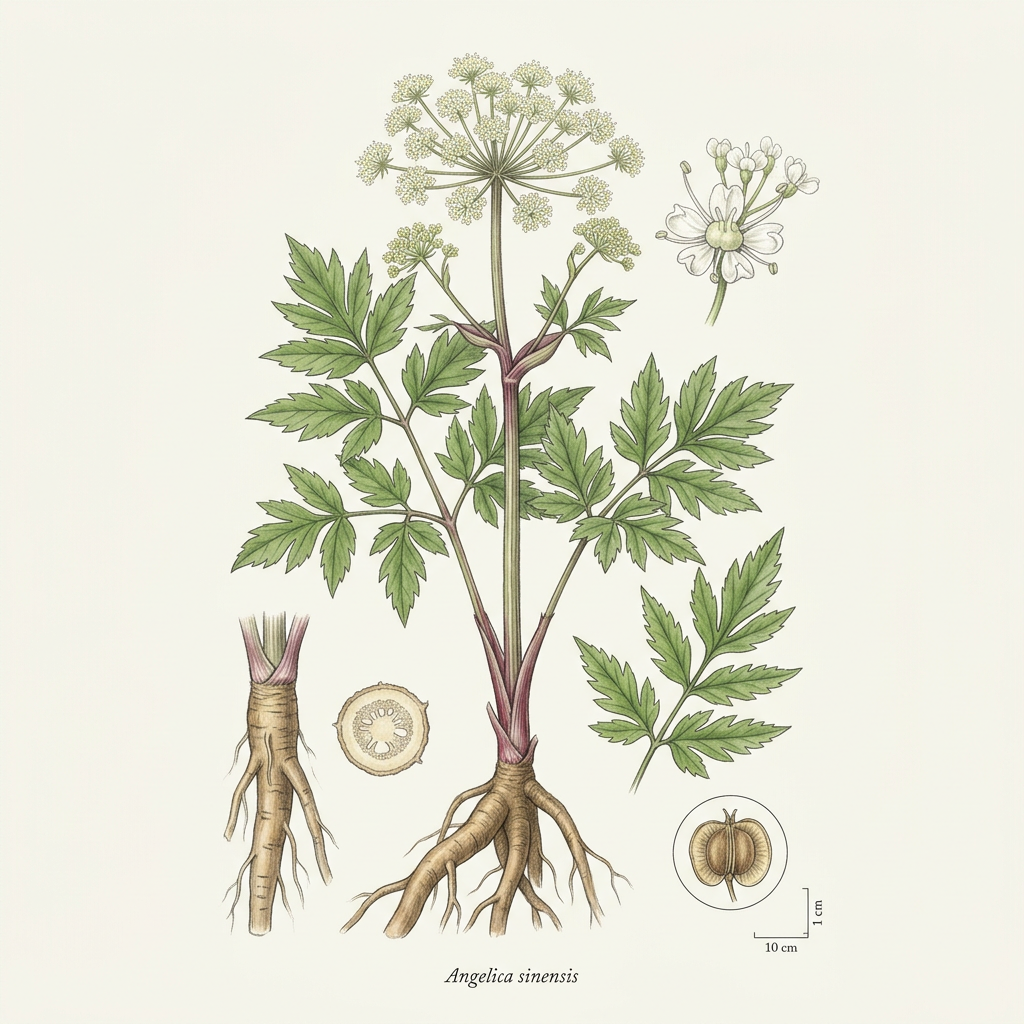
Chinese angelica

Chinese angelica

Angelica sinensis

Blood Tonic
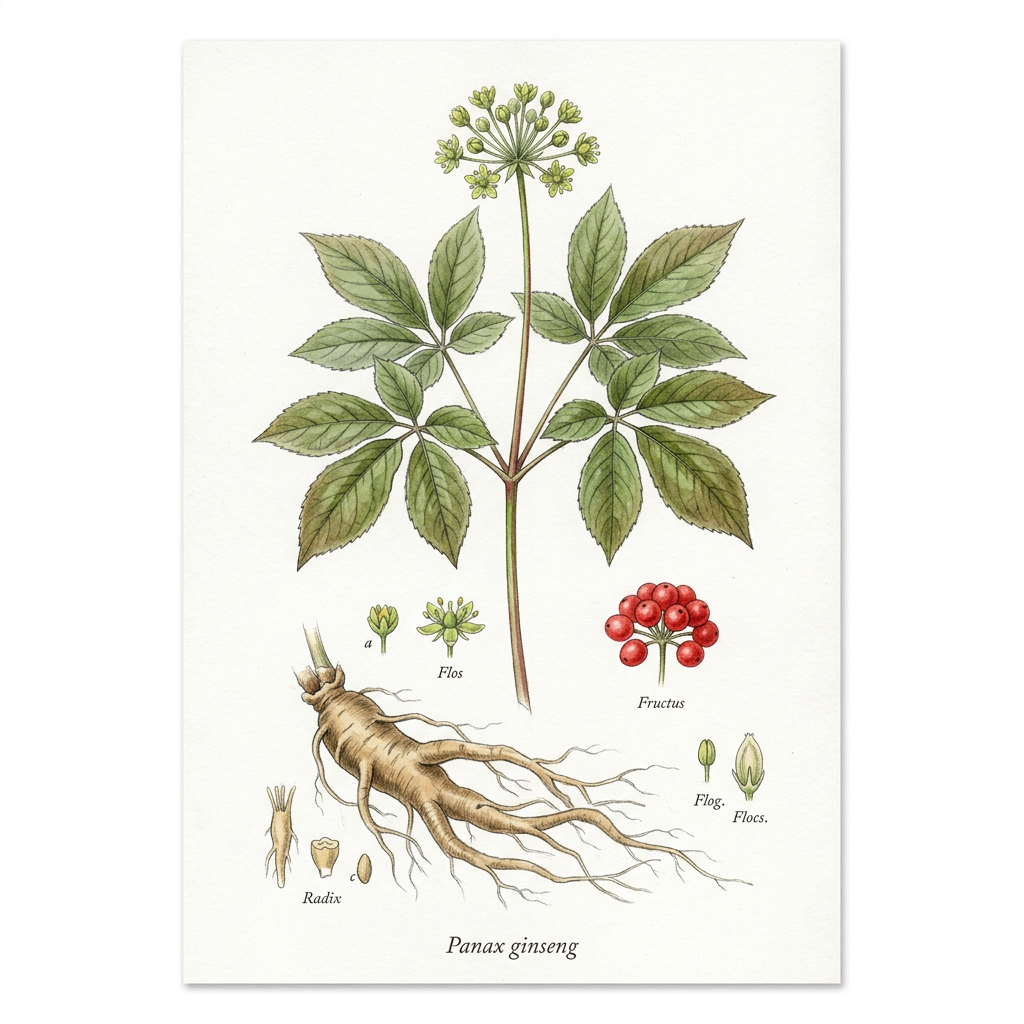
Panax ginseng

Panax ginseng

Panax ginseng

Energy Booster
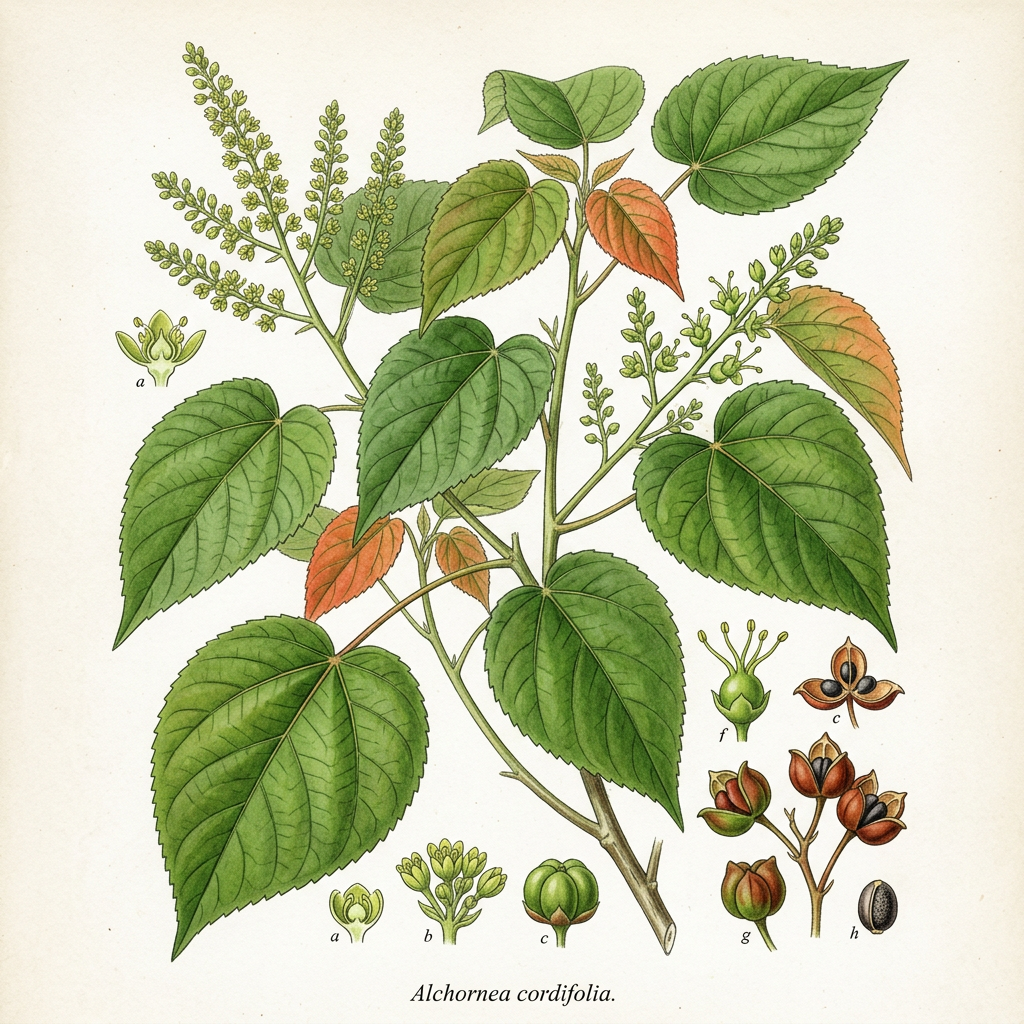
Christmas Bush

Christmas Bush

Alchornea cordifolia

Cardiovascular Support
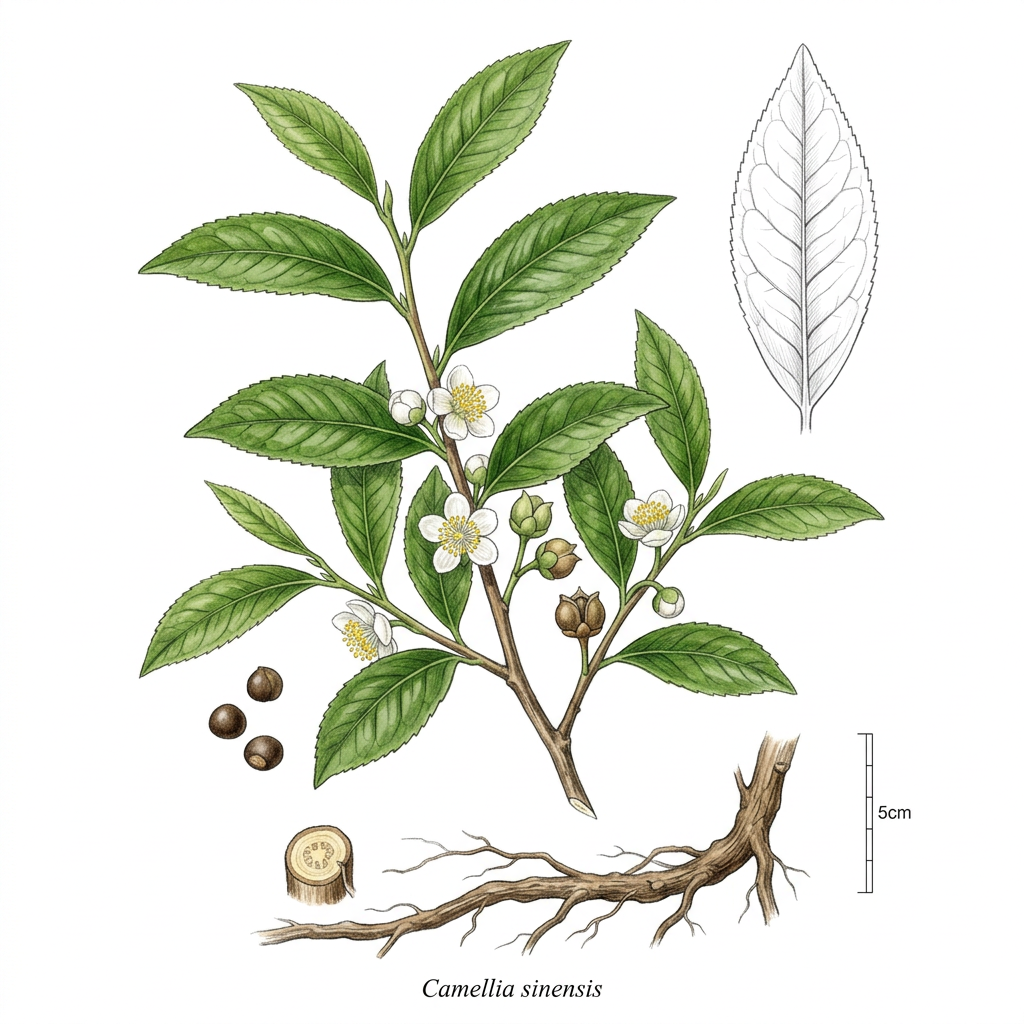
Green Tea

Green Tea

Camellia sinensis

Hypertension