The Wild Sage logo
The Wild Sage Logo

Herbal Medicine at your fingertips

Comprehensive database of herbal remedies with detailed safety information and traditional uses

New to herbal terms? Read the glossary →
ADHD
Abcess
Acid Reflux Relief
Acinetobacter
Acne
Acne Vulgaris
Addisons
Adenomyosis
Adenovirus
Adrenal fatigue
Aging
Aids
Alcaligenes faecalis
Alcoholism
Allergic Rhinitis
Allergies
Allergy
Alopoecia
Alopoecia nervosa
Alzheimer's, Dementia & Cognitive Decline
420 herbs found
Important: This information is for educational purposes only. Always consult with qualified healthcare professionals before using herbal remedies, especially if you have existing health conditions or take medications.
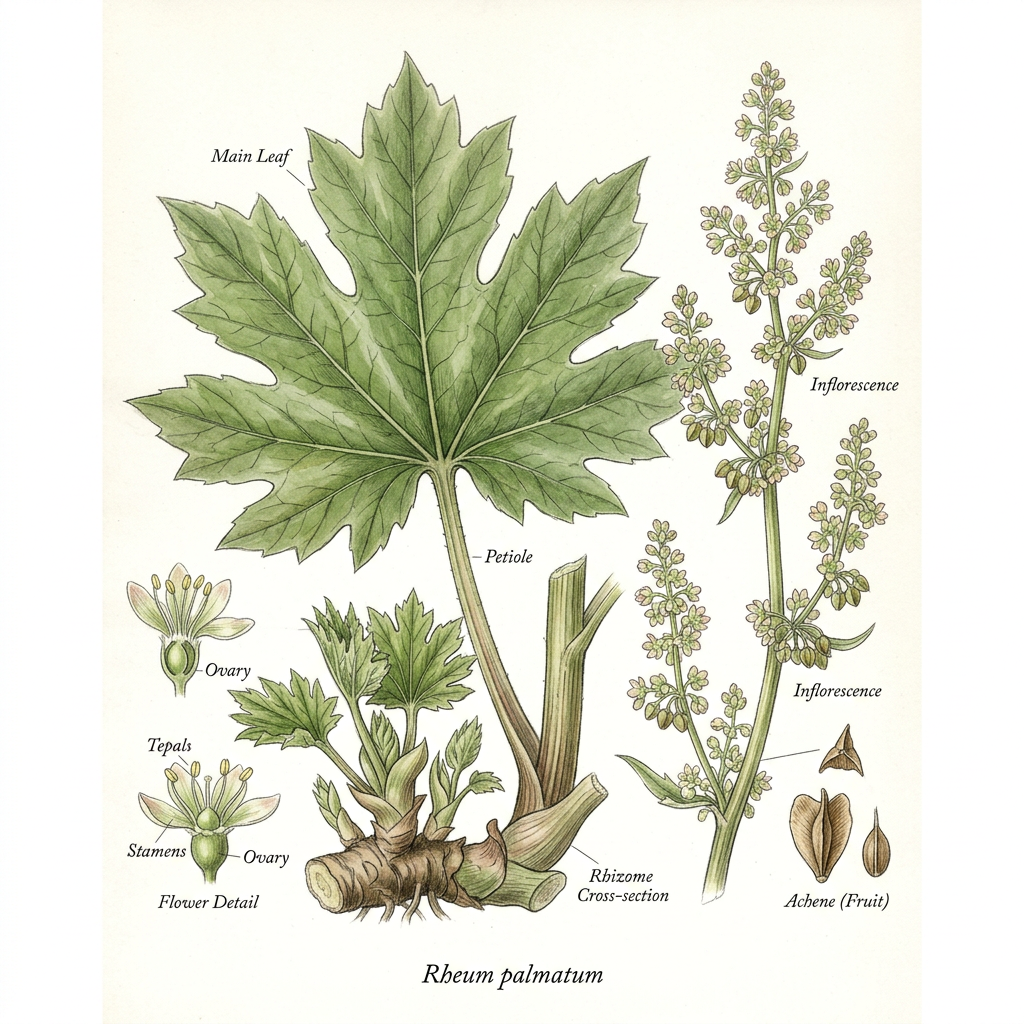
Rheum

Rheum

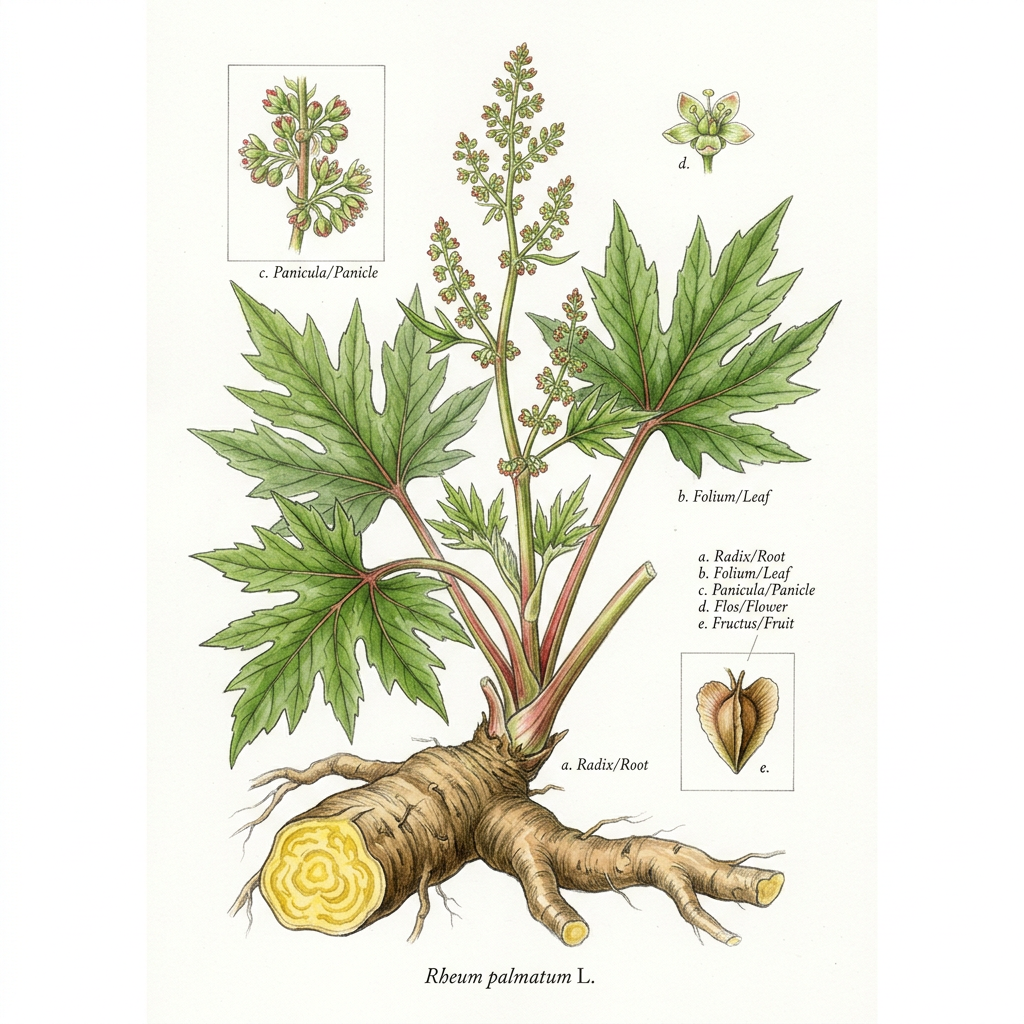
Rheum palmatum

low risk Risk
Polygonaceae
Digestive aid with bitter and astringent properties, helps with heat-related digestive issues.
<p>Rheum palmatum is a robust, herbaceous perennial belonging to the Polygonaceae family, native to western China. It is characterised by its large, palmate, deeply lobed leaves and thick, fleshy, yellow-brown rhizomes. In the UK, it is often cultivated as an ornamental, though its medicinal application relies strictly on the dried rhizome harvested from established plants, typically those aged five years or older, which are then cleaned, sliced, and dried in the shade. Traditionally used for centuries in East Asian medicine, it was historically prized as a potent purgative and a blood-clearing agent. In Western herbal tradition, it has been primarily employed in lower doses as a bitter tonic to stimulate digestive secretions and in higher doses as an effective agent to support bowel regularity. Modern research has focused extensively on the anthraquinone derivatives, such as emodin and rhein, which are primarily responsible for the plant's stimulatory action on the colon. Studies suggest that these compounds may also possess anti-inflammatory and antimicrobial properties in vitro, though clinical evidence regarding these systemic effects in humans remains limited. The herb is valued for its dual nature: in small quantities, it acts as a stomachic and astringent, whereas in larger quantities, it acts as an effective stimulant laxative. It is commonly included in traditional bitter tonics for poor appetite or sluggish digestion. Due to its potential for dependency and electrolyte loss, it is never recommended for long-term use and should be avoided in pregnancy or during breastfeeding, as well as by those suffering from intestinal obstructions or inflammatory bowel conditions.</p>

Uses & Conditions

Digestive Aid
Hepatic Support
Intestinal Obstruction
Acute Intestinal Inflammation
Abdominal Pain
Crohn's Disease
Ulcerative Colitis
SIBO
Pancreatitis
H. pylori
Kidney Disease
Appendicitis

Actions

Laxative
Hepatic
Anti-inflammatory

Parts Used

Dried rhizome
Dried root

Native Countries

China
Mongolia
Tibet
Russia
India

USDA Hardiness Zones

5
6
7

Contraindications

  • Intestinal obstruction
  • Acute intestinal inflammation
  • Crohn's disease
  • Ulcerative colitis
  • Appendicitis
  • Abdominal pain of unknown origin
  • Children under 12 years of age
  • Pregnancy

Potential Side Effects

  • Gastrointestinal cramping and abdominal discomfort
  • Electrolyte imbalance
  • Hypokalaemia with prolonged or excessive use
  • Dependency on stimulant laxatives with chronic administration
  • Discolouration of urine to yellow or red
  • Albuminuria
  • Hematuria
  • Pseudomelanosis coli

Interactions

  • Diuretics: potential for electrolyte imbalance or hypokalaemia
  • Cardiac glycosides: increased potential toxicity due to potassium depletion
  • Corticosteroids: increased risk of potassium deficiency
  • Warfarin and other anticoagulants: theoretically possible increased risk
  • Laxatives: potential for synergistic effects leading to dehydration

Dosages, tincture ratios & research — members only

Unlock Garreth's dosing guidance, tincture ratios, the dosage calculator and the research studies for Rheum.

Your assessment and results stay saved — upgrading only unlocks more of them.

See membership plans

Community Photos

No community photos yet. Sign in to upload photos.

Reviews & Ratings

Sign in to leave a review.

No reviews yet. Be the first!

GF

Garreth Falls — B.Th., Dip. H.M., MNIMH

Content curated and reviewed by Garreth Falls, Consultant Medical Herbalist · The Wild Sage

Medical Disclaimer: This information is for educational purposes only and is not intended as medical advice. Always consult with qualified healthcare professionals before starting any herbal treatment.
Chinese tradition

Sustainability & quality

Cultivated

Mainly produced in China under controlled cultivation. Check for sulphur-free processing if ordering from international suppliers.

Key constituents

Anthraquinone glycosides (rhein, emodin, physcion), Tannins (gallotannins), Stilbenoids (rhaponticin), Flavonoids, Organic acids (oxalic acid)

References

  1. Bone & Mills "Principles and Practice of Phytotherapy" 2nd ed. 2013
  2. Bensky "Chinese Herbal Medicine: Materia Medica" 3rd ed. 2004
  3. Herbal Reality. Herb monographs. herbalreality.com

Reviewed by Garreth, Medical Herbalist (MNIMH) · November 2026

Related conditions

Explore conditions where Rheum is traditionally used.

Related Herbs
Chinese rhubarb

Chinese rhubarb

Rheum palmatum

Digestive Aid
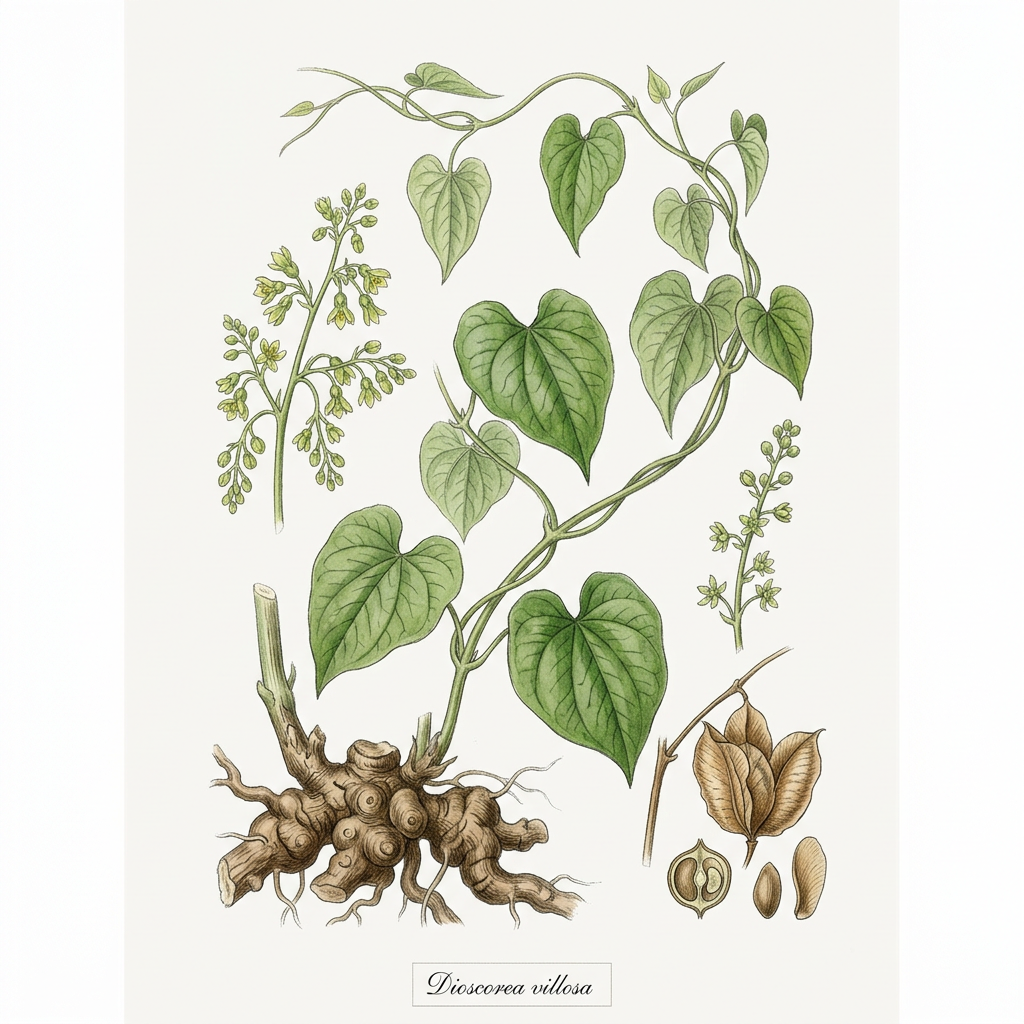
Wild Yam

Wild Yam

Dioscorea villosa

Reproductive health
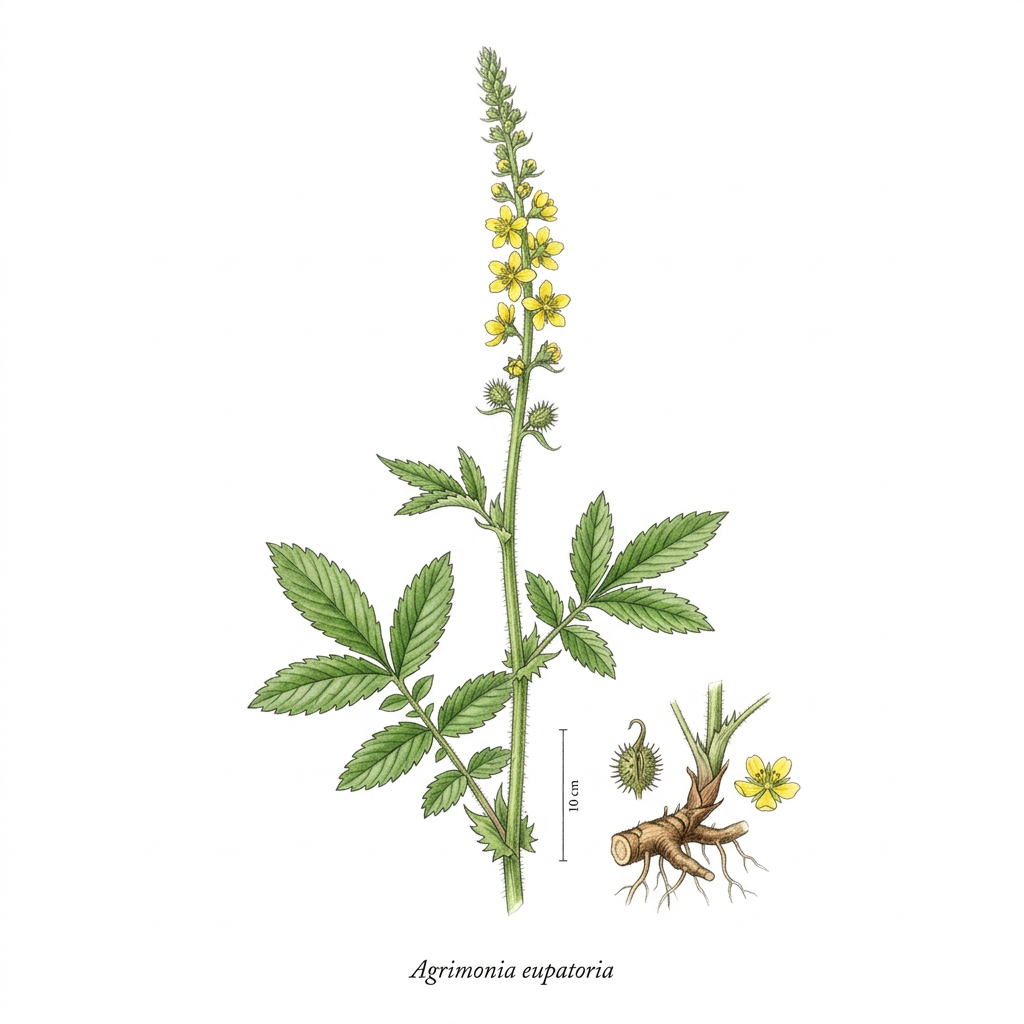
Agrimony

Agrimony

Agrimonia eupatoria

Digestive Aid
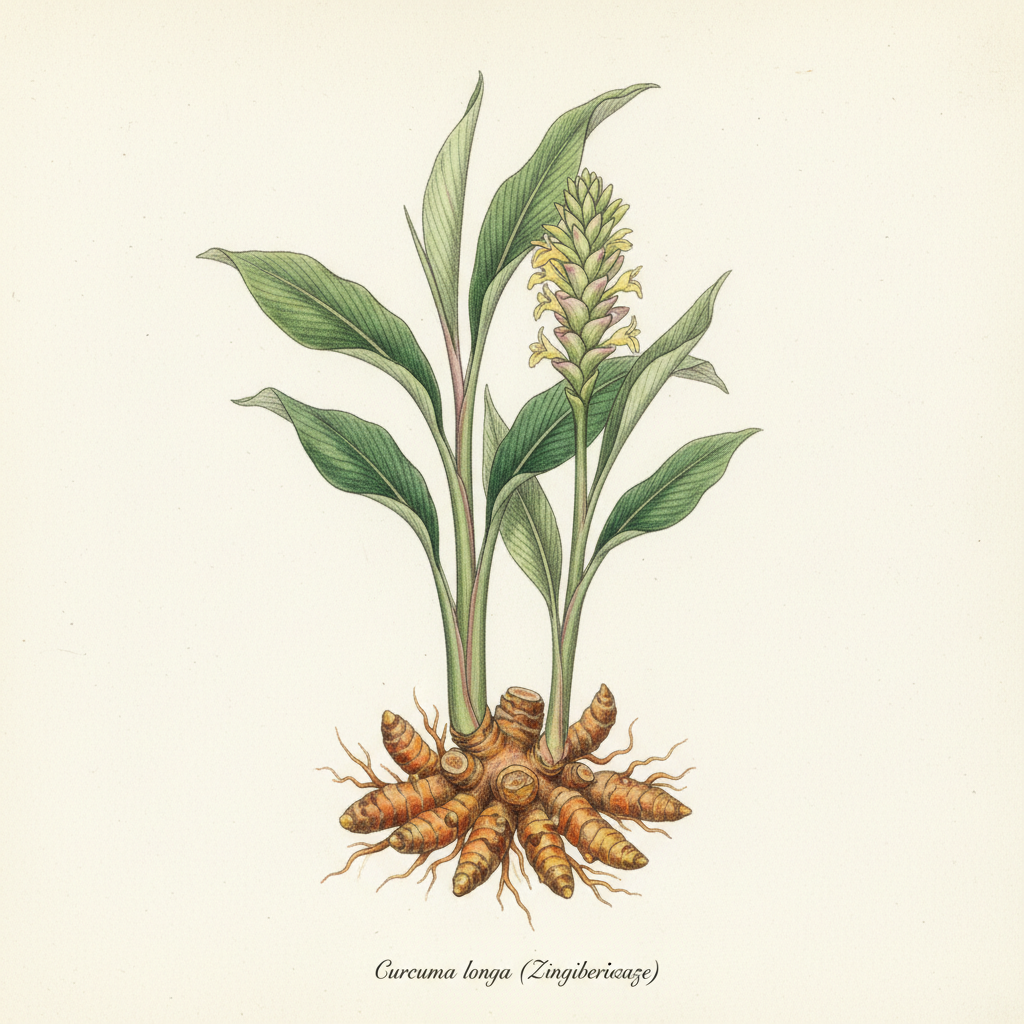
Turmeric

Turmeric

Curcuma longa

Antioxidant