The Wild Sage logo
The Wild Sage Logo

Herbal Medicine at your fingertips

Comprehensive database of herbal remedies with detailed safety information and traditional uses

New to herbal terms? Read the glossary →
ADHD
Abcess
Acid Reflux Relief
Acinetobacter
Acne
Acne Vulgaris
Addisons
Adenomyosis
Adenovirus
Adrenal fatigue
Aging
Aids
Alcaligenes faecalis
Alcoholism
Allergic Rhinitis
Allergies
Allergy
Alopoecia
Alopoecia nervosa
Alzheimer's, Dementia & Cognitive Decline
420 herbs found
Important: This information is for educational purposes only. Always consult with qualified healthcare professionals before using herbal remedies, especially if you have existing health conditions or take medications.
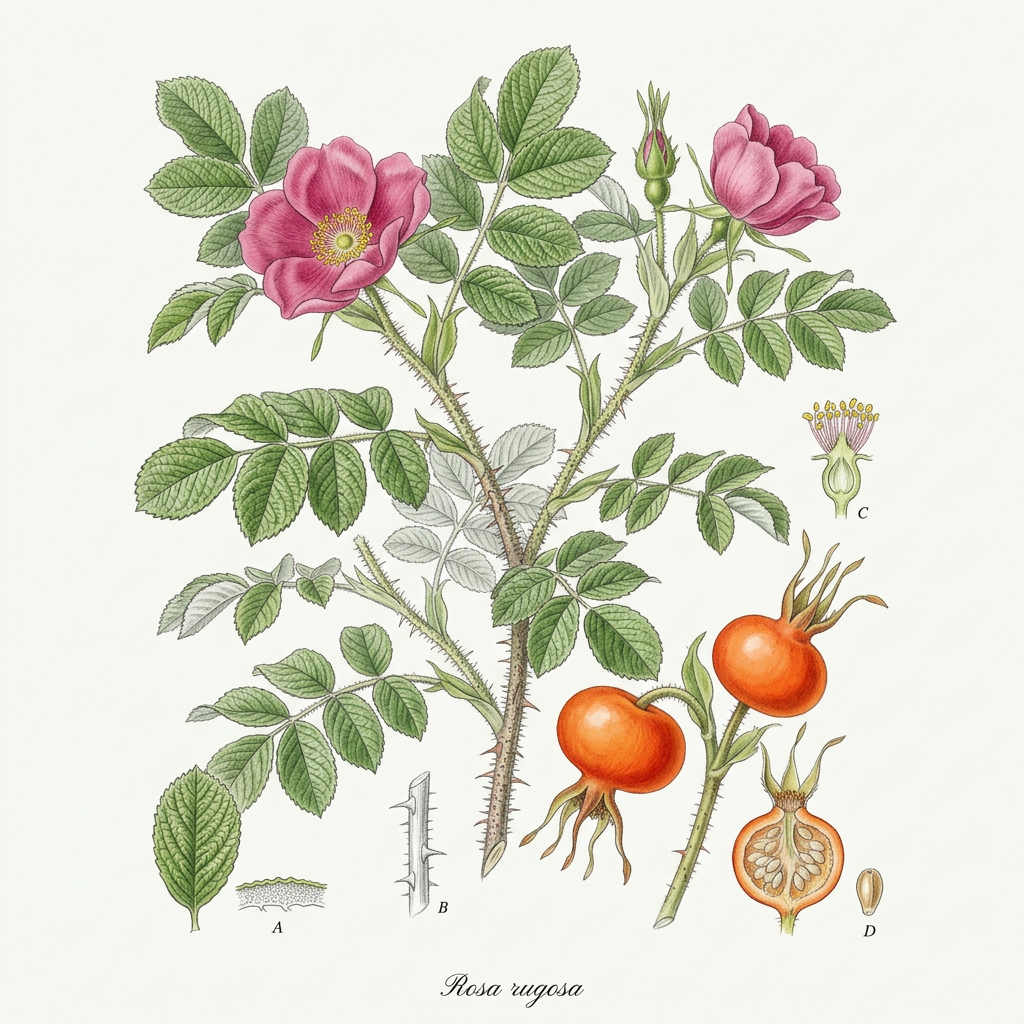
Rosa Rugosa

Rosa Rugosa

Rosa Rugosa

low risk Risk
Rosaceae
<p>Rosa rugosa, commonly known as rugosa rose, is a resilient and fragrant species of rose native to East Asia, particularly Japan, Korea, and China. This perennial shrub, characterized by its wrinkled leaves and vibrant pink or white flowers, has a rich history of traditional use, particularly within Asian herbal medicine. For centuries, the petals, fruits (commonly referred to as rose hips), and leaves of Rosa rugosa have been employed for their therapeutic properties, often utilized in traditional formulations to promote skin health, support digestion, and enhance overall well-being. In Japan, for example, the blooms are celebrated in cultural festivities, while the fruits have been used in various culinary applications, including jams and teas. The therapeutic potential of Rosa rugosa is substantial, driven by its myriad phytochemical constituents, which include antioxidants, flavonoids, and polyphenolic compounds. These compounds contribute to its remarkable anti-inflammatory properties, notably through the reduction of tumor necrosis factor-alpha (TNF-a) and inhibition of interleukin-6 (IL-6), both of which are critical mediators of inflammation in the body. Rosa rugosa also exhibits impressive antibacterial and antifungal actions, making it a valuable option for addressing a range of skin conditions, infections, and inflammatory disorders. Its high vitamin C content in the hips further enhances its appeal, as this vital nutrient plays a key role in immune function, skin health, and overall vitality. The mechanism by which Rosa rugosa exerts its effects involves a multifaceted approach to bodily systems. The anti-inflammatory properties are primarily attributed to its ability to modulate cytokine activity, thereby reducing excessive inflammatory responses that can lead to chronic conditions. Simultaneously, its antibacterial and antifungal properties disrupt the cellular integrity of pathogens, promoting healing and recovery in affected tissues. Furthermore, the antioxidant capacity of Rosa rugosa protects cells from oxidative stress, mitigates signs of aging, and supports overall health. This combination of actions makes Rosa rugosa not only a remarkable herb for traditional applications but also a promising candidate for contemporary herbal medicine, offering a natural pathway to enhancing health and wellness.</p>

Uses & Conditions

Nutritional Support
Culinary Applications
Vitality Enhancement
Skin Health
Chronic Inflammation
Infection
Oxidative Stress
Wound Healing
Respiratory Health

Actions

Anti-inflammatory
Antibacterial
Antifungal
Antioxidant
TNF-a Reducer
IL-6 Inhibitor

Parts Used

Petals
Fruits (rose hips)
Leaves

USDA Hardiness Zones

2
3
4
5
6
7
8

Contraindications

  • Pregnancy: avoid high therapeutic doses until further safety data is established.
  • Breastfeeding: exercise caution due to lack of long-term safety studies.
  • Known hypersensitivity to Rosaceae family plants.
  • Individuals with a history of kidney stones should consume rose hips with caution due to high oxalate content.
  • Not for use in children under 12 without professional supervision.

Potential Side Effects

  • Occasional mild gastrointestinal discomfort including bloating or loose stools.
  • Allergic contact dermatitis if applied topically to sensitive skin.
  • Possible mouth irritation from undiluted hair-containing rose hip preparations.

Interactions

  • Warfarin and other anticoagulants: theoretical risk of altered clotting due to vitamin K content in rose hips.
  • Iron supplements: high vitamin C content may enhance iron absorption, which may require monitoring for those with iron overload disorders.
  • Prescription medicines: potential to alter metabolic pathways; advise separation by two hours.

Dosages, tincture ratios & research — members only

Unlock Garreth's dosing guidance, tincture ratios, the dosage calculator and the research studies for Rosa Rugosa.

Your assessment and results stay saved — upgrading only unlocks more of them.

See membership plans

Community Photos

No community photos yet. Sign in to upload photos.

Reviews & Ratings

Sign in to leave a review.

No reviews yet. Be the first!

GF

Garreth Falls — B.Th., Dip. H.M., MNIMH

Content curated and reviewed by Garreth Falls, Consultant Medical Herbalist · The Wild Sage

Medical Disclaimer: This information is for educational purposes only and is not intended as medical advice. Always consult with qualified healthcare professionals before starting any herbal treatment.
Western tradition

Sustainability & quality

Abundant

Highly resilient species; ensure plant material is free from environmental contaminants when wild harvesting.

Key constituents

Ascorbic acid (Vitamin C), Flavonoids including quercetin and kaempferol, Anthocyanins, Tannins, Polyphenolic compounds, Volatile oils, Carotenoids

References

  1. Herbal Reality. Herb monographs. herbalreality.com

Reviewed by Garreth, Medical Herbalist (MNIMH) · November 2026

Related conditions

Explore conditions where Rosa Rugosa is traditionally used.

Related Herbs
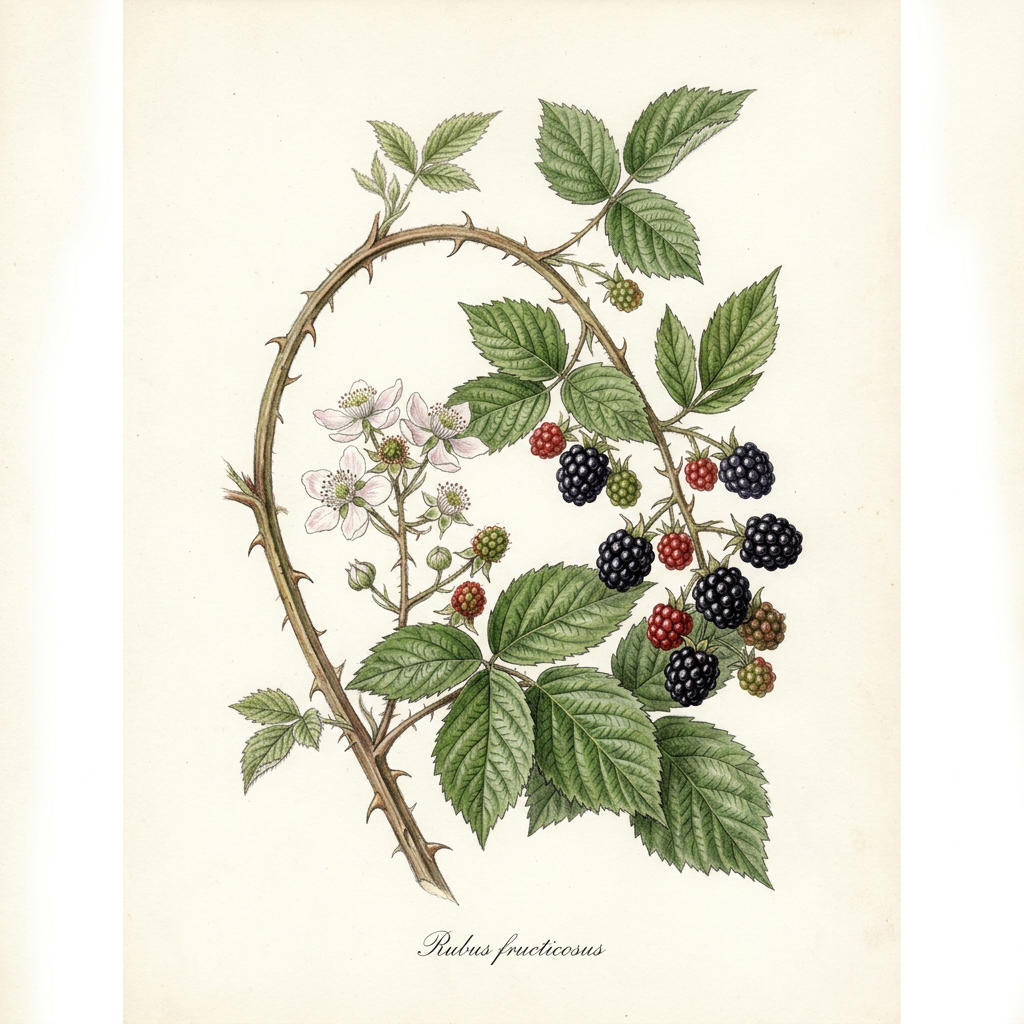
Rubus fruticosus

Rubus fruticosus
Rubus fruticosus

Antioxidant Defence
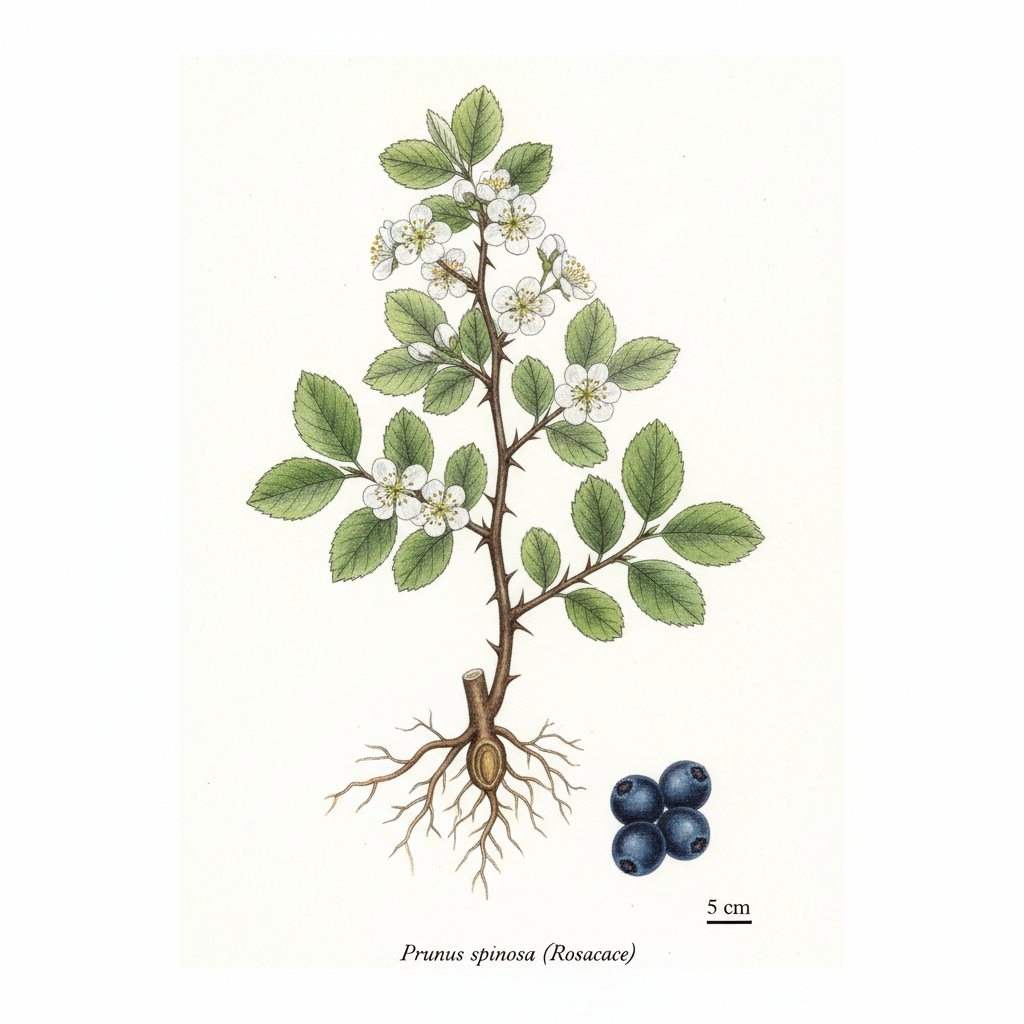
Blackthorn

Blackthorn

Prunus spinosa

Digestive health
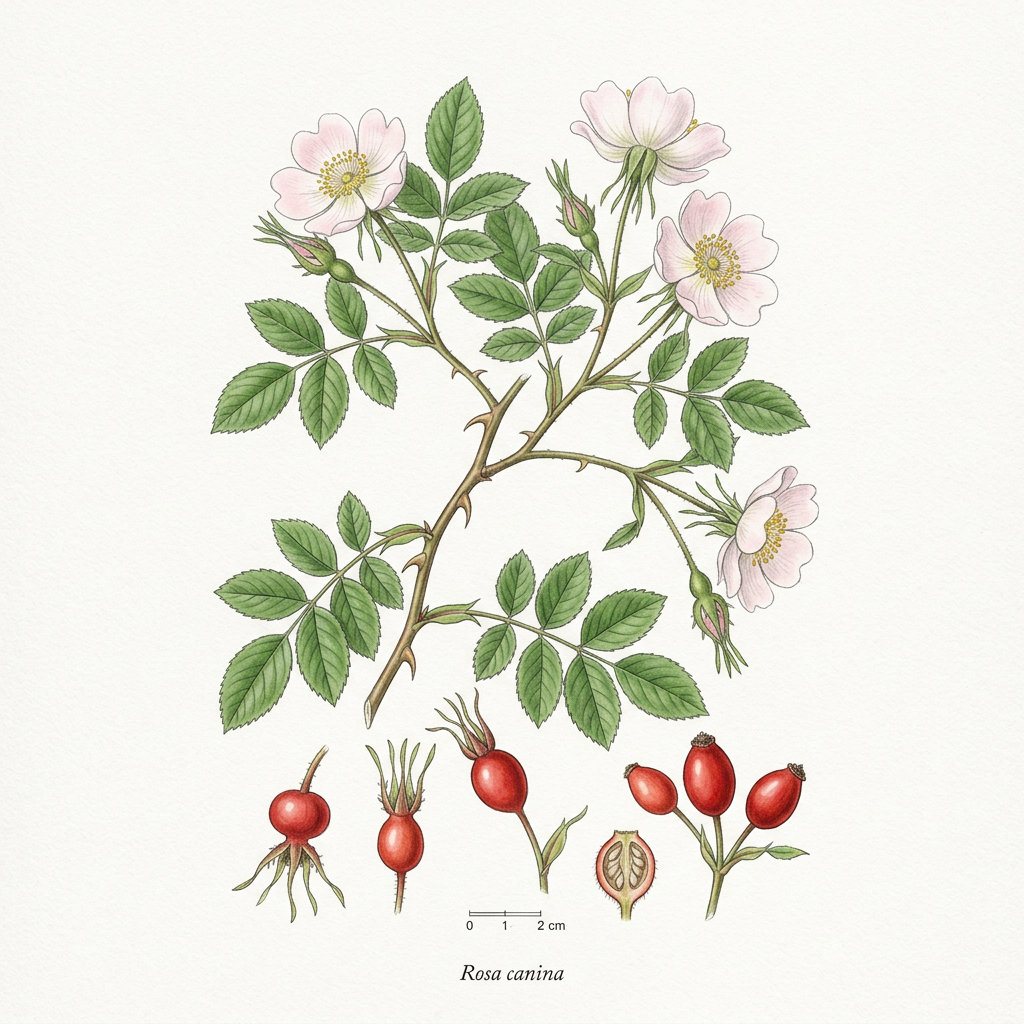
Dog rose

Dog rose

Rosa canina

Immune Support
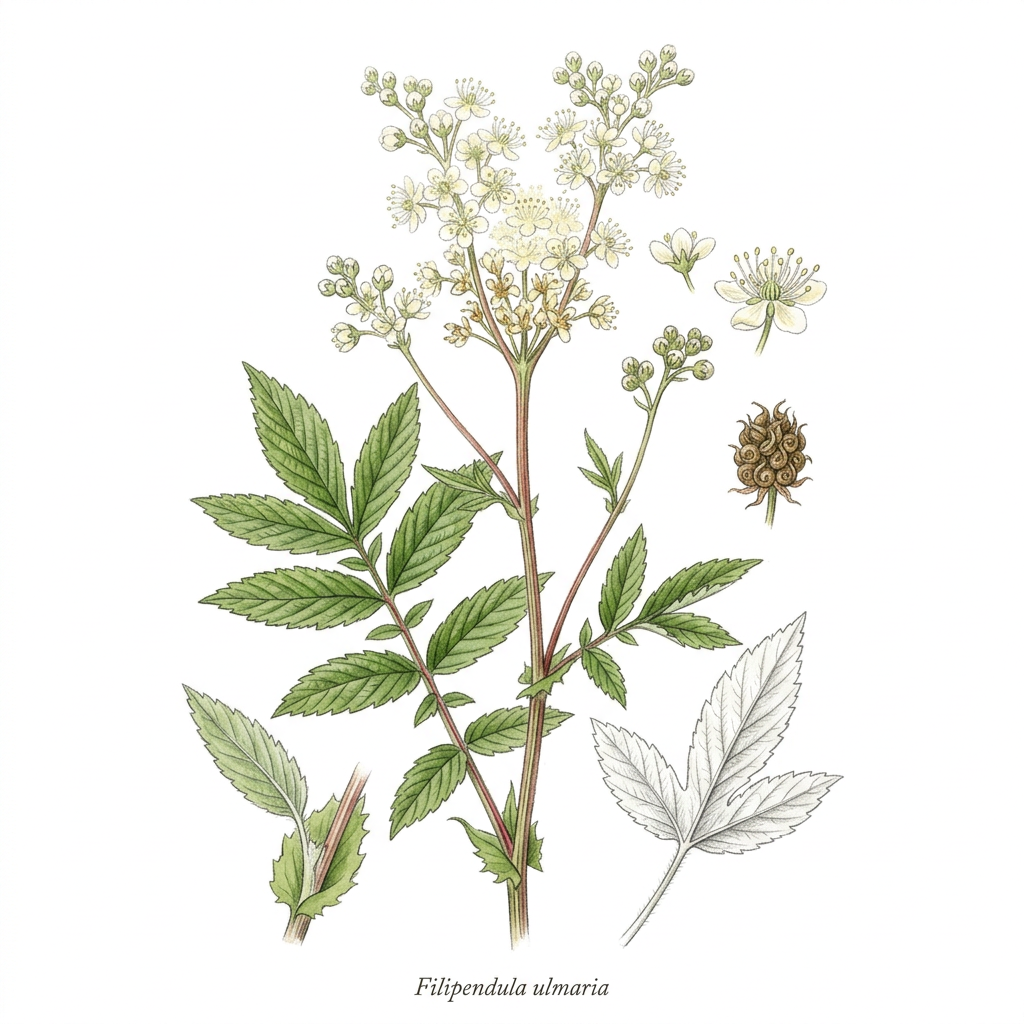
Filipendula ulmaria

Filipendula ulmaria

Filipendula ulmaria

Immune Support