

Herbal Medicine at your fingertips
Comprehensive database of herbal remedies with detailed safety information and traditional uses
New to herbal terms? Read the glossary →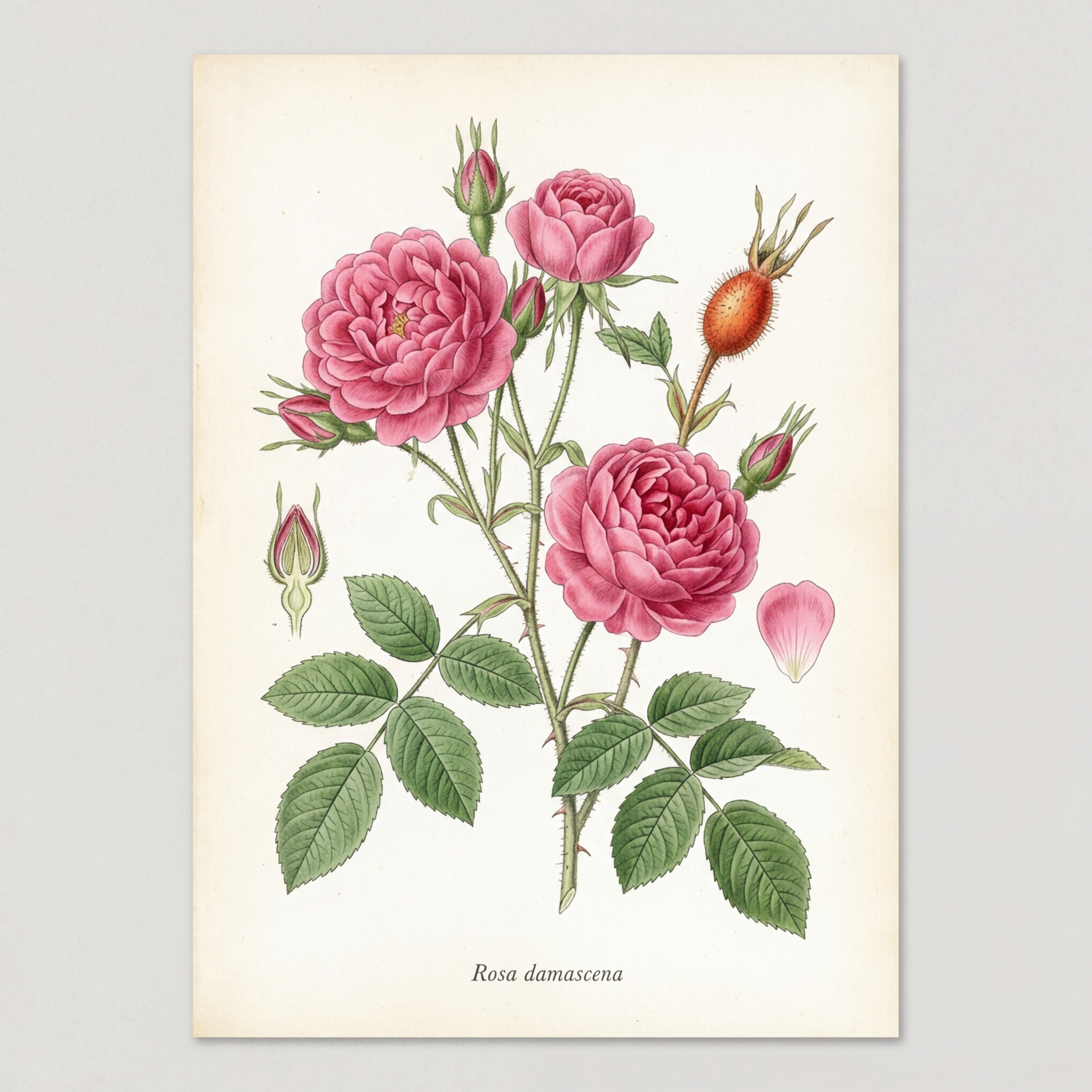
Rose
Rosa damascena
Rosa damascena, commonly known as the Damask rose, has been venerated for centuries not only for its exquisite beauty and fragrance but also for its profound therapeutic properties. Originating from the Middle East, this perennial shrub has been integral to traditional herbal medicine across various cultures, particularly in Persian, Roman, and Ayurvedic traditions. Historically, rose petals have been used to craft soothing teas, tonics, and essential oils, promoting emotional and physical well-being. The ancient Greeks considered roses as symbols of love and healing, often incorporating them into rituals and medicinal preparations. Today, Rosa damascena remains a cornerstone in holistic therapies, celebrated for its multifaceted applications ranging from aromatherapy to skincare.
The therapeutic properties of Rosa damascena are extensive and well-documented. Its primary actions include being a relaxant and mood enhancer, supporting mental clarity and emotional stability. The essential oil extracted from the petals is renowned for its calming effects, alleviating symptoms of stress, anxiety, and mild depression. Furthermore, rose exhibits anti-inflammatory and antioxidant properties, making it a valuable ally in promoting skin health and overall vitality. Studies have shown that the aroma of rose oil can enhance mood and promote relaxation by stimulating the release of serotonin, a neurotransmitter that plays a key role in regulating mood and emotional balance.
Within the body, Rosa damascena functions through several biological pathways. The phytochemical constituents, including flavonoids and phenolic compounds, contribute to its antioxidant potential, helping to neutralize free radicals and reduce oxidative stress. Additionally, the calming effects are attributed to its ability to influence the central nervous system. The aroma compounds interact with the limbic system, the part of the brain associated with emotions, which can result in an improved emotional state and a reduction in anxiety-related symptoms. These combined actions underscore the rose's reputation as not only a symbol of beauty and love but also a powerful botanical that supports both emotional and physical well-being.
Uses & Conditions
Actions
Parts Used
Native Countries
USDA Hardiness Zones
Contraindications
- Avoid during pregnancy due to historical use as an emmenagogue
- Use with caution while breastfeeding as safety data is limited
- Known hypersensitivity or allergic reaction to plants in the Rosaceae family
- Not suitable for individuals with severe floral allergies
Potential Side Effects
- Topical application may cause contact dermatitis in sensitive individuals
- Inhaling high concentrations of essential oil may trigger headaches or nausea
- Potential for mild gastrointestinal upset if consumed in excessive quantities
Interactions
- Sedative medications: may potentiate the effects of benzodiazepines or barbiturates
- Antidepressant medications: potential for additive effects when used with SSRIs
- Use caution when combining with prescribed psychotropic medication
Dosages, tincture ratios & research — members only
Unlock Garreth's dosing guidance, tincture ratios, the dosage calculator and the research studies for Rose.
Your assessment and results stay saved — upgrading only unlocks more of them.
See membership plansCommunity Photos
No community photos yet. Sign in to upload photos.
Reviews & Ratings
Sign in to leave a review.
No reviews yet. Be the first!
Garreth Falls — B.Th., Dip. H.M., MNIMH
Content curated and reviewed by Garreth Falls, Consultant Medical Herbalist · The Wild Sage
Sustainability & quality
CultivatedGrown for essential oils and petals; ensure ethical labor practices in production.
Key constituents
calming compounds, Anthocyanins, Aurones, acetogenins, Carotenoids, flavonoids, Terpenoids, Phenolic compounds, Minerals, Farnesol, Geranyl acetate, Nonanal, citronellyl fromate, Citronellyl acetate, Eugenol, Menthyl eugenol;, cis-rose oxide, alpha-terpineol, phenylethyl alcohol, Linalool, stearoptenes, Kaempferol, Quercitrin, Rutin, Myricetin
References
- Pole "Ayurvedic Medicine" 2006
- EMA/HMPC Community Herbal Monograph
- Herbal Reality. Herb monographs. herbalreality.com
Related conditions
Explore conditions where Rose is traditionally used.
Related Herbs
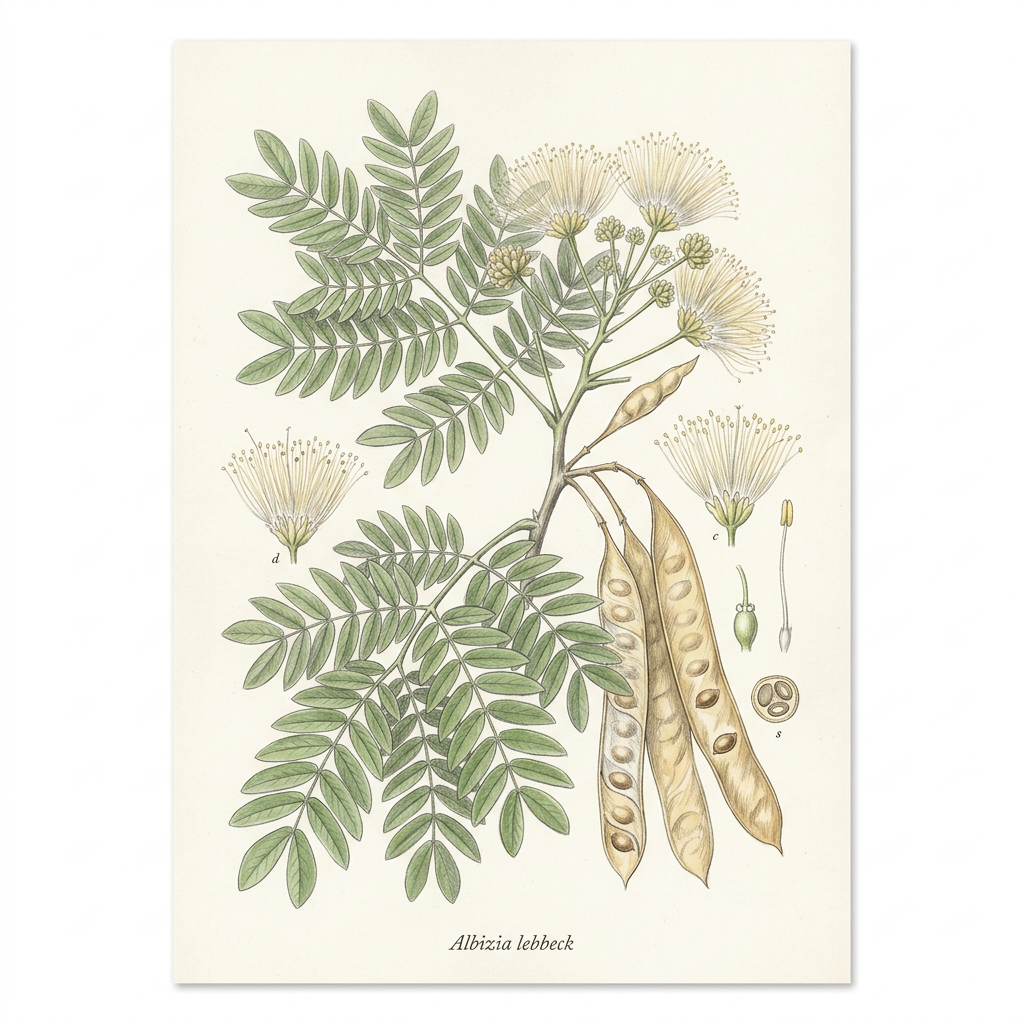
Persian silk tree
Albizia lebbeck
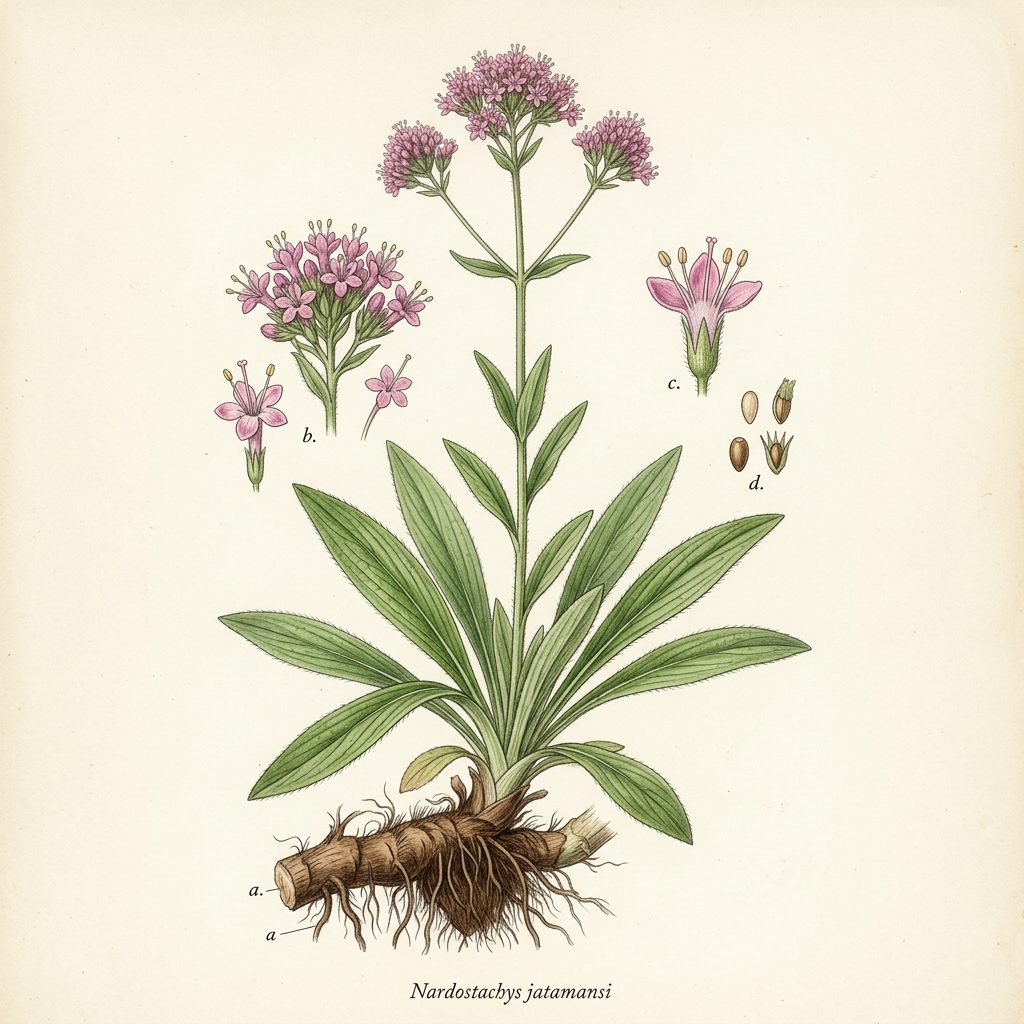
Spikenard
Spikenard
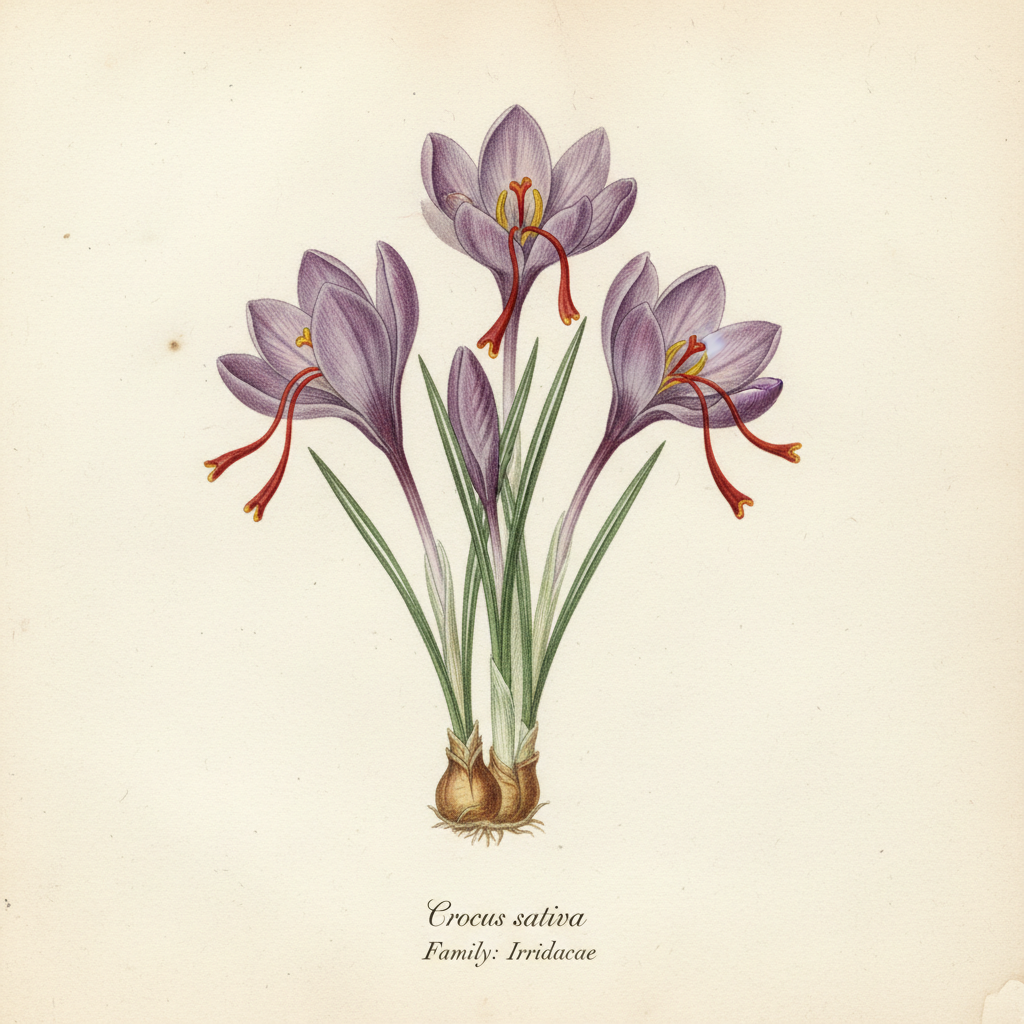
Saffron
Crocus sativus
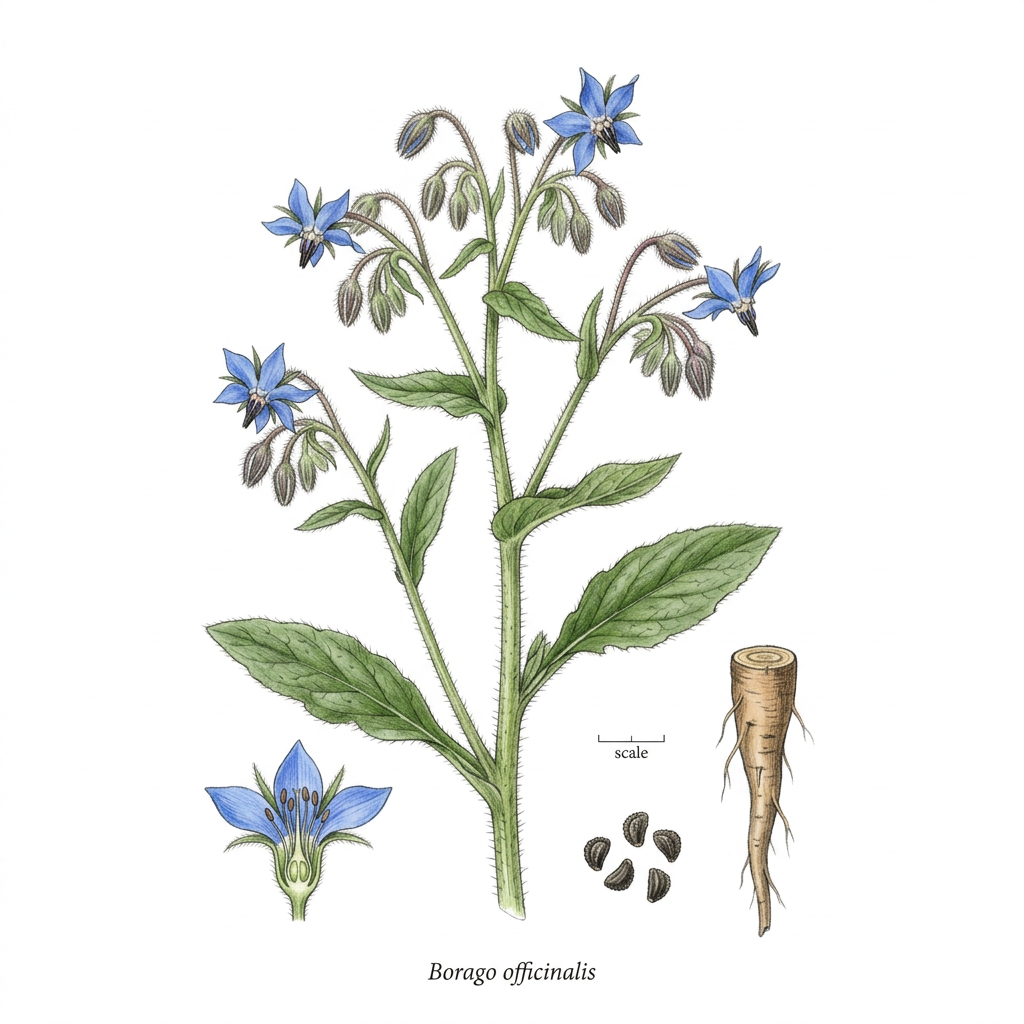
Borage
Borago officinalis