The Wild Sage logo
The Wild Sage Logo

Herbal Medicine at your fingertips

Comprehensive database of herbal remedies with detailed safety information and traditional uses

New to herbal terms? Read the glossary →
ADHD
Abcess
Acid Reflux Relief
Acinetobacter
Acne
Acne Vulgaris
Addisons
Adenomyosis
Adenovirus
Adrenal fatigue
Aging
Aids
Alcaligenes faecalis
Alcoholism
Allergic Rhinitis
Allergies
Allergy
Alopoecia
Alopoecia nervosa
Alzheimer's, Dementia & Cognitive Decline
420 herbs found
Important: This information is for educational purposes only. Always consult with qualified healthcare professionals before using herbal remedies, especially if you have existing health conditions or take medications.
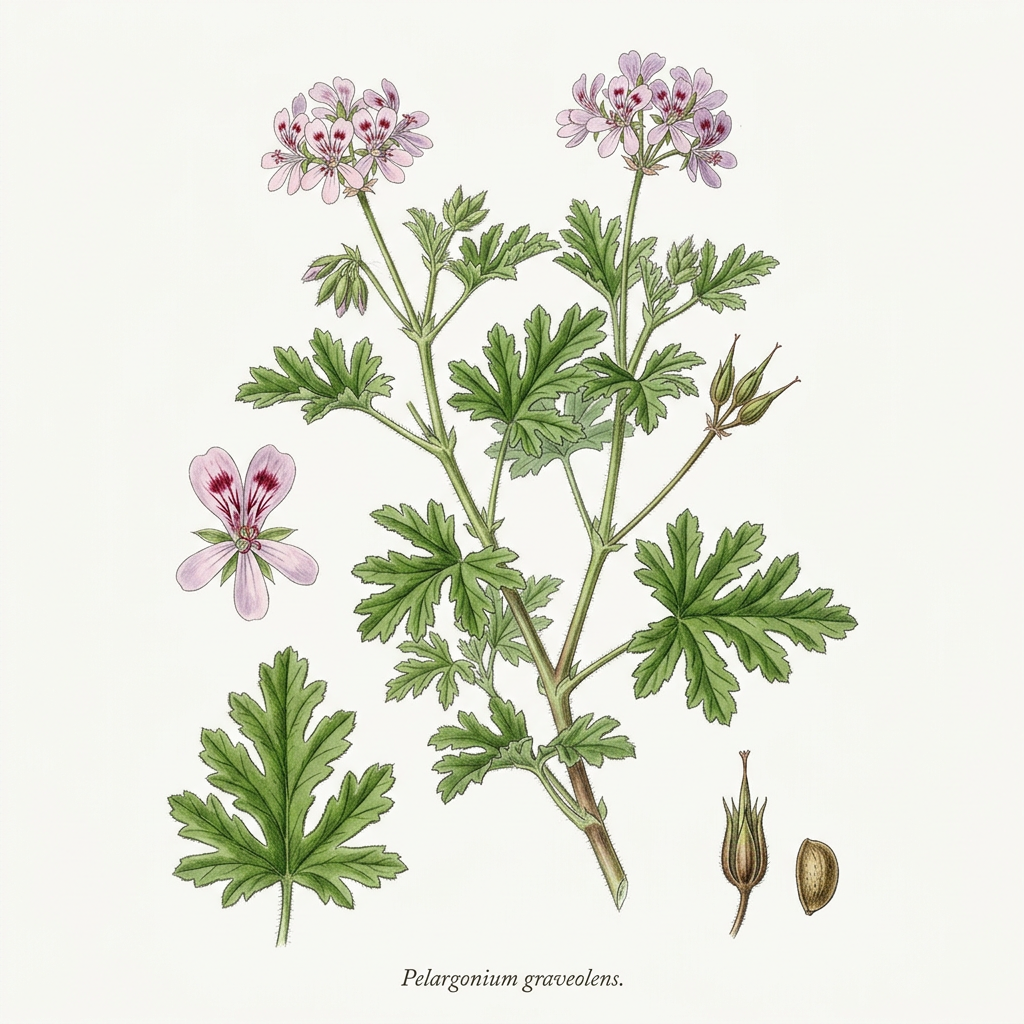
Rose Geranium

Rose Geranium

Pelargonium graveolens

low risk Risk
Geraniaceae
enhances self-esteem, and fosters a sense of well-being.
<p>Pelargonium graveolens, commonly known as geranium or rose geranium, is a perennial plant belonging to the Geraniaceae family, native to South Africa and widely cultivated in temperate regions for its distinctive aromatic leaves and vibrant blossoms. Historically, this herb has held a significant place in traditional medicine, particularly within African and European cultures, where it has been employed to alleviate a variety of ailments. Indigenous peoples of Southern Africa recognized its therapeutic potential long before European colonization, using the plant in poultices and infusions to treat skin infections, digestive issues, and as a restorative to promote overall health. Its delightful scent and soothing properties have made it a prized ingredient in cosmetics and perfumery, further enriching its historical relevance. The therapeutic profile of Pelargonium graveolens is distinguished by its robust anti-inflammatory and antimicrobial properties, making it a powerful ally in natural health practices. The essential oil derived from the leaves contains compounds such as geraniol and citronellol, which are responsible for its therapeutic effects. The anti-inflammatory action can help reduce swelling and redness associated with various skin conditions, while its antimicrobial qualities support the body in combating bacterial and fungal infections. Furthermore, the relaxing properties of this herb can soothe the nervous system, making it useful in aromatherapy for promoting emotional well-being and reducing stress. These multifaceted benefits contribute to its growing popularity in holistic health and wellness. Pelargonium graveolens exerts its effects in the body through a combination of mechanisms. The essential oil components interact with the body’s biochemical receptors, influencing inflammatory pathways to minimize discomfort and promote healing. Its antimicrobial compounds hinder the growth of pathogenic microorganisms, thereby supporting the immune system's efforts to maintain balance. Additionally, the relaxant properties foster a sense of tranquility and can aid in reducing anxiety or tension when used in aromatherapy or topical applications. As a holistic herb, Pelargonium graveolens exemplifies the synergy between nature's offerings and the principles of wellness, providing both therapeutic benefits and sensory pleasure.</p>

Uses & Conditions

Mood Enhancement
Inflammation
Fungal Infections
Anxiety
Skin Conditions
Bronchitis
Bronchiectasis
Cholera
Colds
Sinusitis
Microbial Infection

Actions

Anti-inflammatory
Antimicrobial
Relaxant
NFkB Inhibitor
TNF-a Reduction
Anti-fungal

Parts Used

Aerial parts

Native Countries

Africa

USDA Hardiness Zones

USDA 9-11

Contraindications

  • Pregnancy and breastfeeding due to insufficient clinical safety data
  • Infants and small children not recommended for internal use
  • Known hypersensitivity to Pelargonium or Geraniaceae species
  • Severe hormone-sensitive conditions due to potential oestrogen-like activity

Potential Side Effects

  • Contact dermatitis or skin irritation when applied undiluted
  • Mild gastrointestinal upset if consumed in excessive quantities
  • Photosensitivity may occur with topical application of the essential oil

Interactions

  • Anticoagulants such as warfarin due to potential theoretical risk of altered clotting
  • Hypoglycaemic medication due to potential influence on blood glucose regulation
  • General caution with prescription medicines

Dosages, tincture ratios & research — members only

Unlock Garreth's dosing guidance, tincture ratios, the dosage calculator and the research studies for Rose Geranium.

Your assessment and results stay saved — upgrading only unlocks more of them.

See membership plans

Community Photos

No community photos yet. Sign in to upload photos.

Reviews & Ratings

Sign in to leave a review.

No reviews yet. Be the first!

GF

Garreth Falls — B.Th., Dip. H.M., MNIMH

Content curated and reviewed by Garreth Falls, Consultant Medical Herbalist · The Wild Sage

Medical Disclaimer: This information is for educational purposes only and is not intended as medical advice. Always consult with qualified healthcare professionals before starting any herbal treatment.
Western tradition

Sustainability & quality

Cultivated

Mainly grown for the essential oil industry; ensure plant material is food-grade for clinical tinctures.

Key constituents

Essential oil, Citronellol, Geranic acid, Geraniol monoterpene, Myrtenol, Terpinene

References

  1. Herbal Reality. Herb monographs. herbalreality.com

Reviewed by Garreth, Medical Herbalist (MNIMH) · November 2026

Related conditions

Explore conditions where Rose Geranium is traditionally used.

Related Herbs
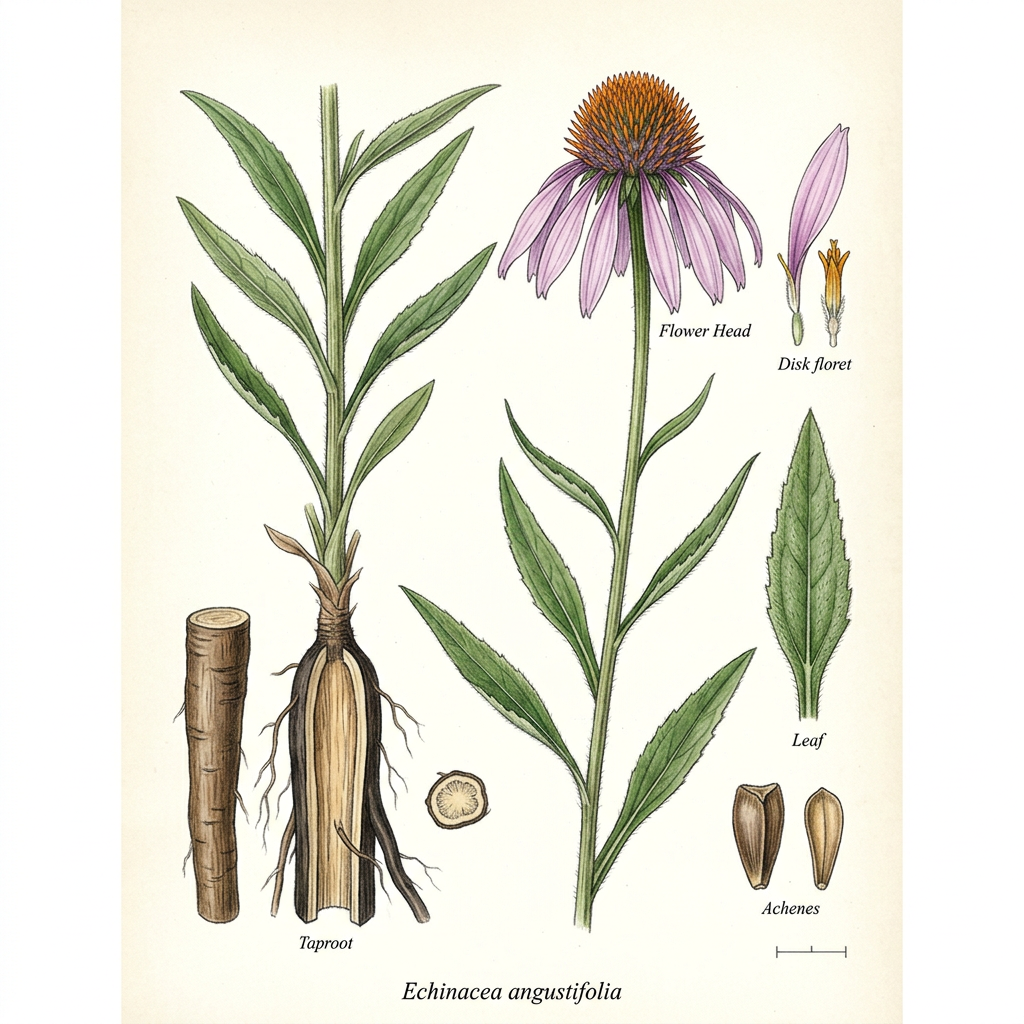
Echinacea angustifolia

Echinacea angustifolia
Echinacea angustifolia

Immune System Support
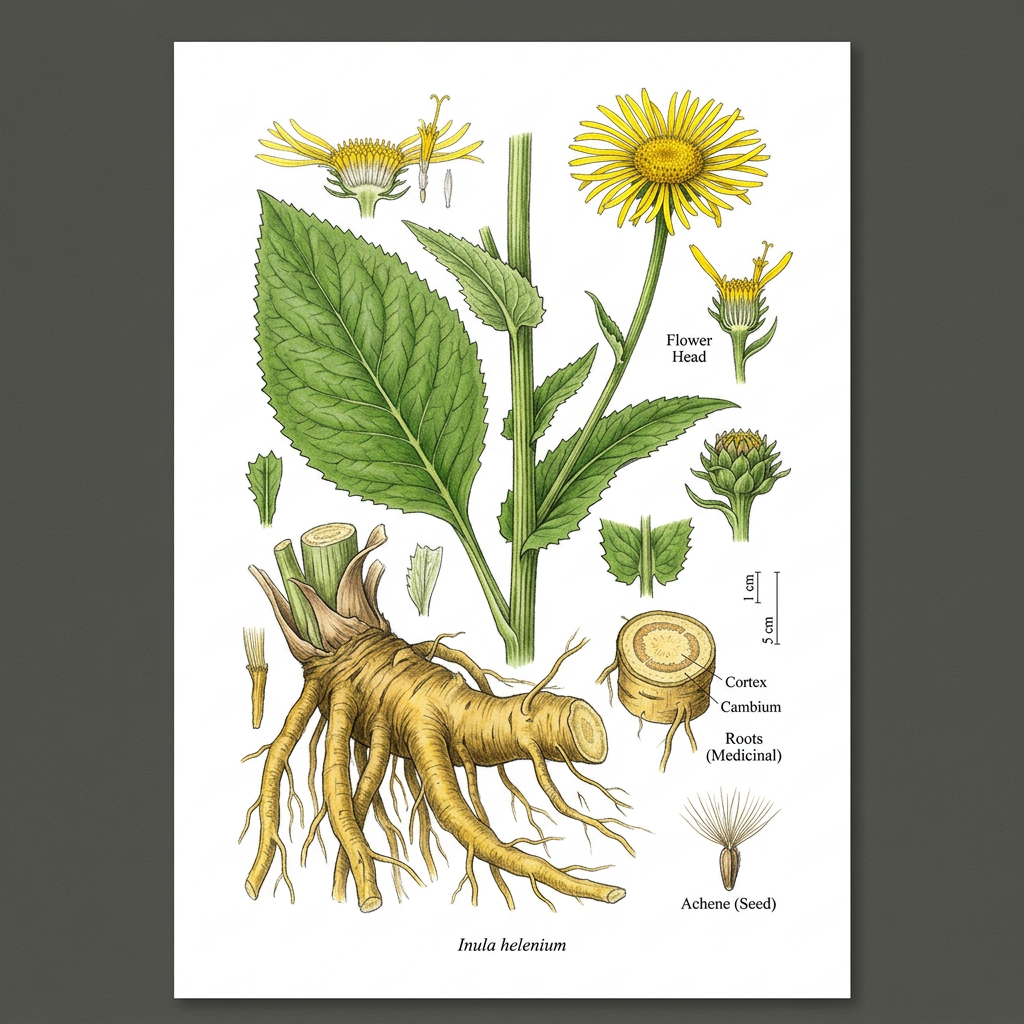
Elecampane

Elecampane

Inula helenium

Lung Health
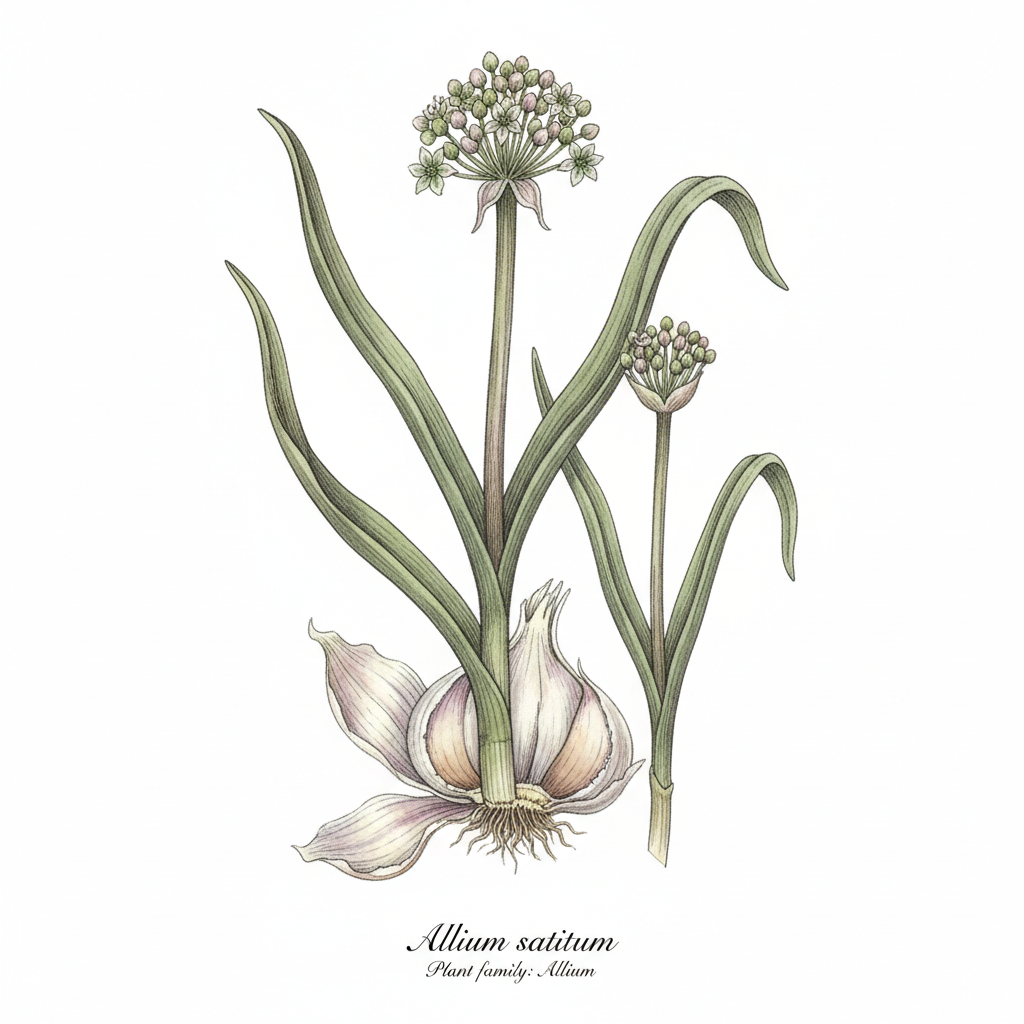
Garlic

Garlic

Allium sativum

Immune Support
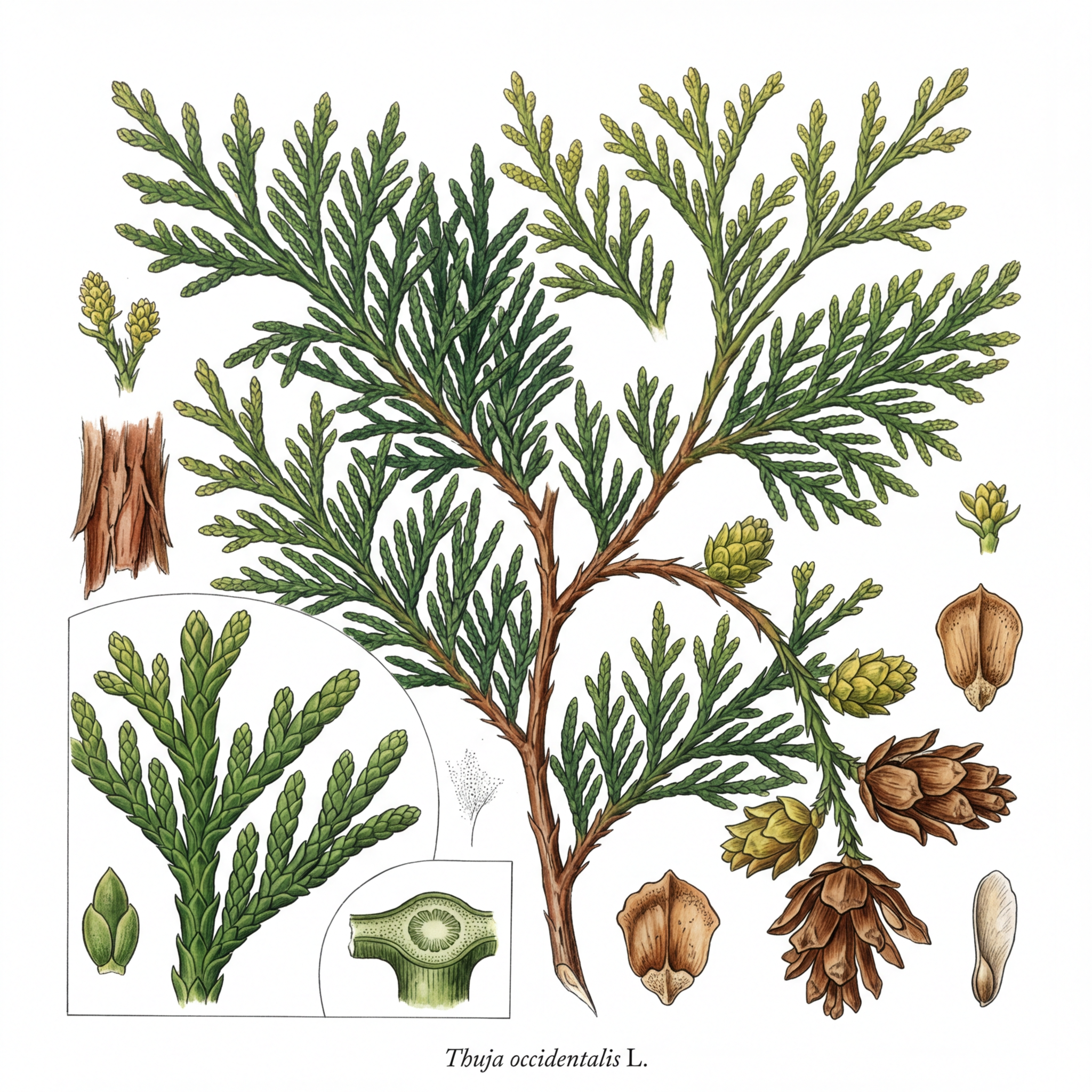
Thuja

Thuja

Thuja occidentalis

Immune Support