

Herbal Medicine at your fingertips
Comprehensive database of herbal remedies with detailed safety information and traditional uses
New to herbal terms? Read the glossary →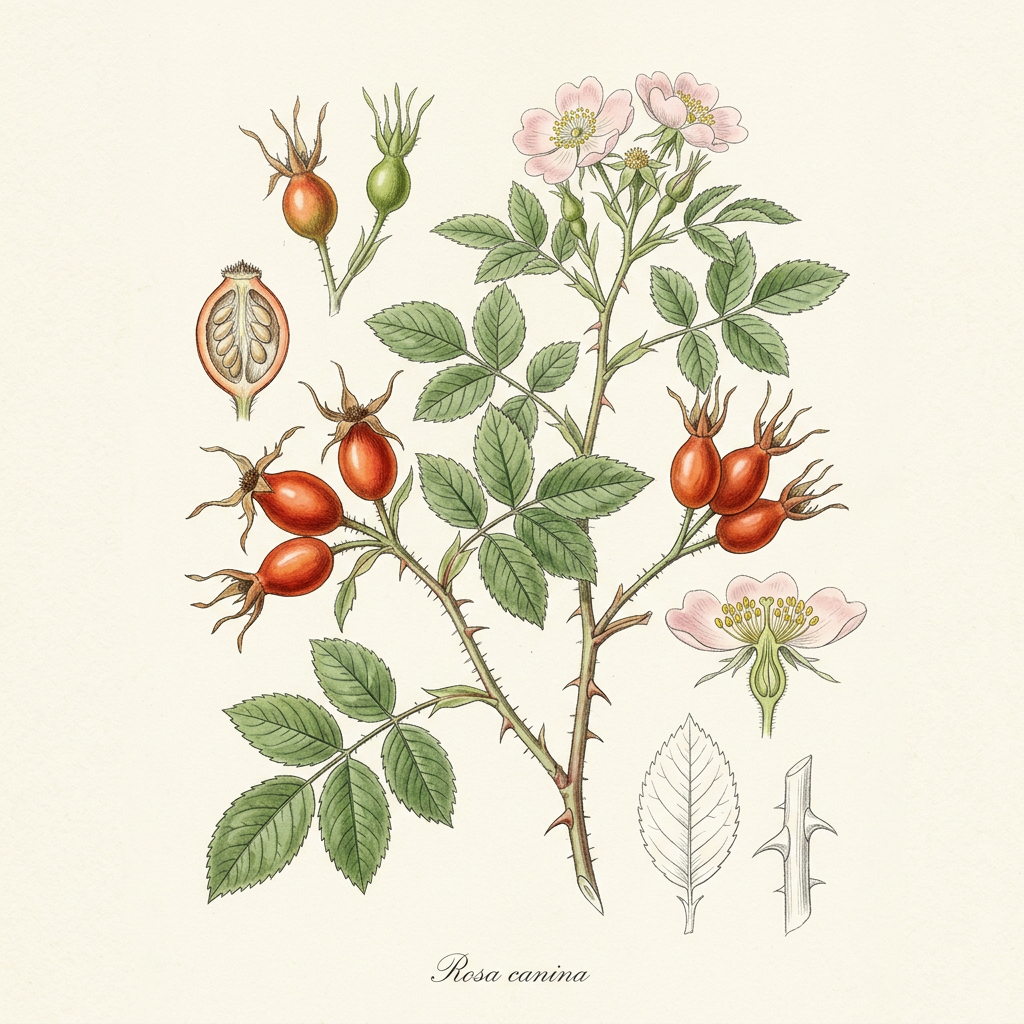
Rose Hips
Rosa canina
Uses & Conditions
Actions
Parts Used
Native Countries
USDA Hardiness Zones
Preparations & Dosage
- Infusion: Steep 1-2 teaspoons of dried, de-seeded rose hips in 200ml of boiling water for 10-15 minutes; drink 3 times daily
- Decoction: Simmer 1 tablespoon of crushed whole dried hips in 300ml of water for 20 minutes
- Tincture: 1:5 ratio in 40% ethanol; take 2-5ml three times daily diluted in water
- Powder: 1-3g daily, typically divided into two doses
Contraindications
- History of kidney stones (nephrolithiasis)
- Haemochromatosis or iron-storage disorders
- Scheduled for surgery
- Glucose-6-phosphate dehydrogenase (G6PD) deficiency
Potential Side Effects
- Mild gastrointestinal distress including abdominal cramping or diarrhoea
- Increased frequency of urination
- Nausea
- Heartburn
Interactions
- Aluminium-containing antacids: Vitamin C may increase systemic absorption
- Iron supplements: risk of iron overload
- Warfarin and anti-platelet drugs: potential interference with anticoagulation efficacy
- Oestrogen-based medications: potential elevation of serum oestrogen levels
Dosage Calculator
Community Photos
No community photos yet. Sign in to upload photos.
Scientific Studies & Sources
A powder made from seeds and shells of a rose-hip subspecies (Rosa canina) reduces symptoms of knee and hip osteoarthritis: a randomized, double-blind, placebo-controlled clinical trial
The effectiveness of a standardized rose hip powder, containing seeds and shells of Rosa canina, on cell longevity, skin wrinkles, moisture, and elasticity
Does the hip powder of Rosa canina (rosehip) reduce pain in osteoarthritis patients?--a meta-analysis of randomized controlled trials
Reviews & Ratings
Sign in to leave a review.
No reviews yet. Be the first!
Garreth Falls — B.Th., Dip. H.M., MNIMH
Content curated and reviewed by Garreth Falls, Consultant Medical Herbalist · The Wild Sage
Sustainability & quality
AbundantWidely available and easily foraged in many regions. Ensure fruits are harvested away from roadside pollution and agricultural sprays.
Key constituents
Flavonoids, Vitamins, Tannin
References
- British Herbal Pharmacopoeia 1983
- Herbal Reality. Herb monographs. herbalreality.com
Reviewed by Garreth, Medical Herbalist (MNIMH) · November 2026
Related conditions
Explore conditions where Rose Hips is traditionally used.
Related Herbs
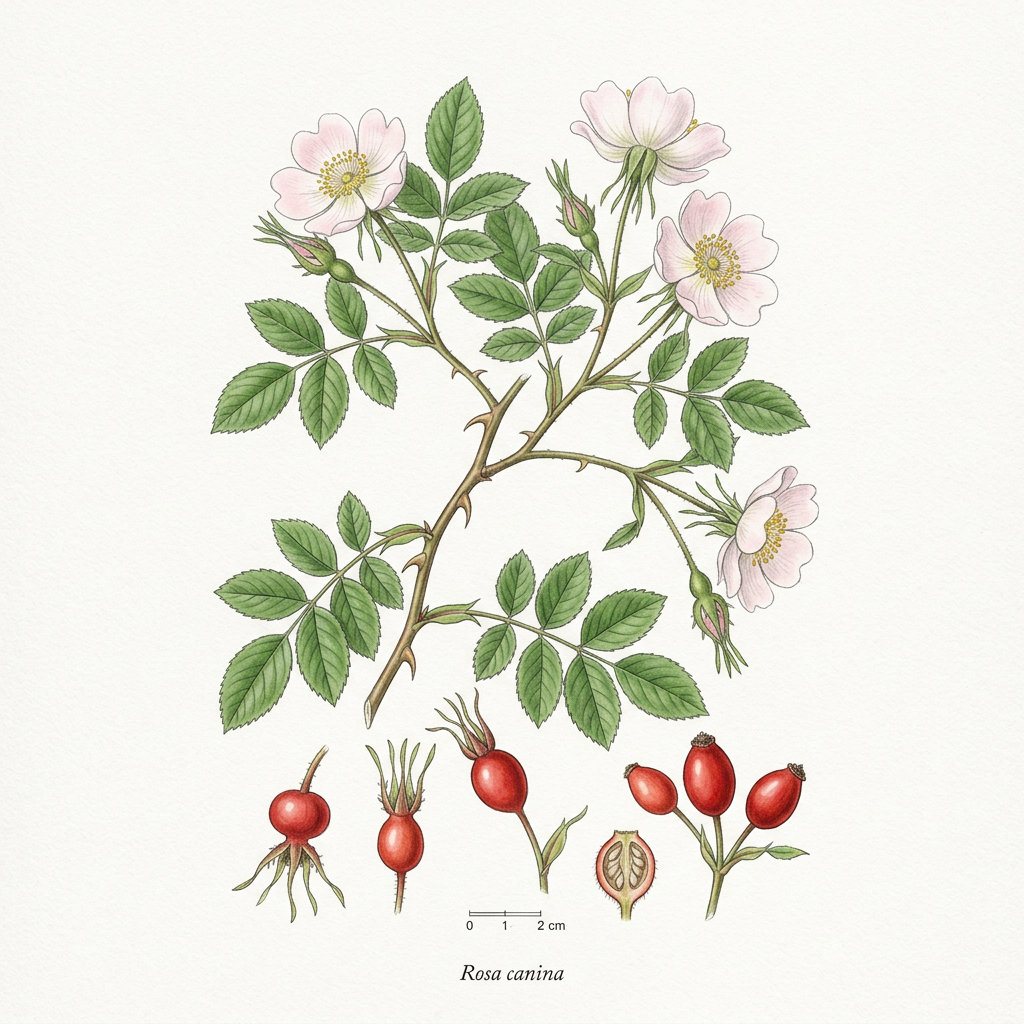
Dog rose
Rosa canina
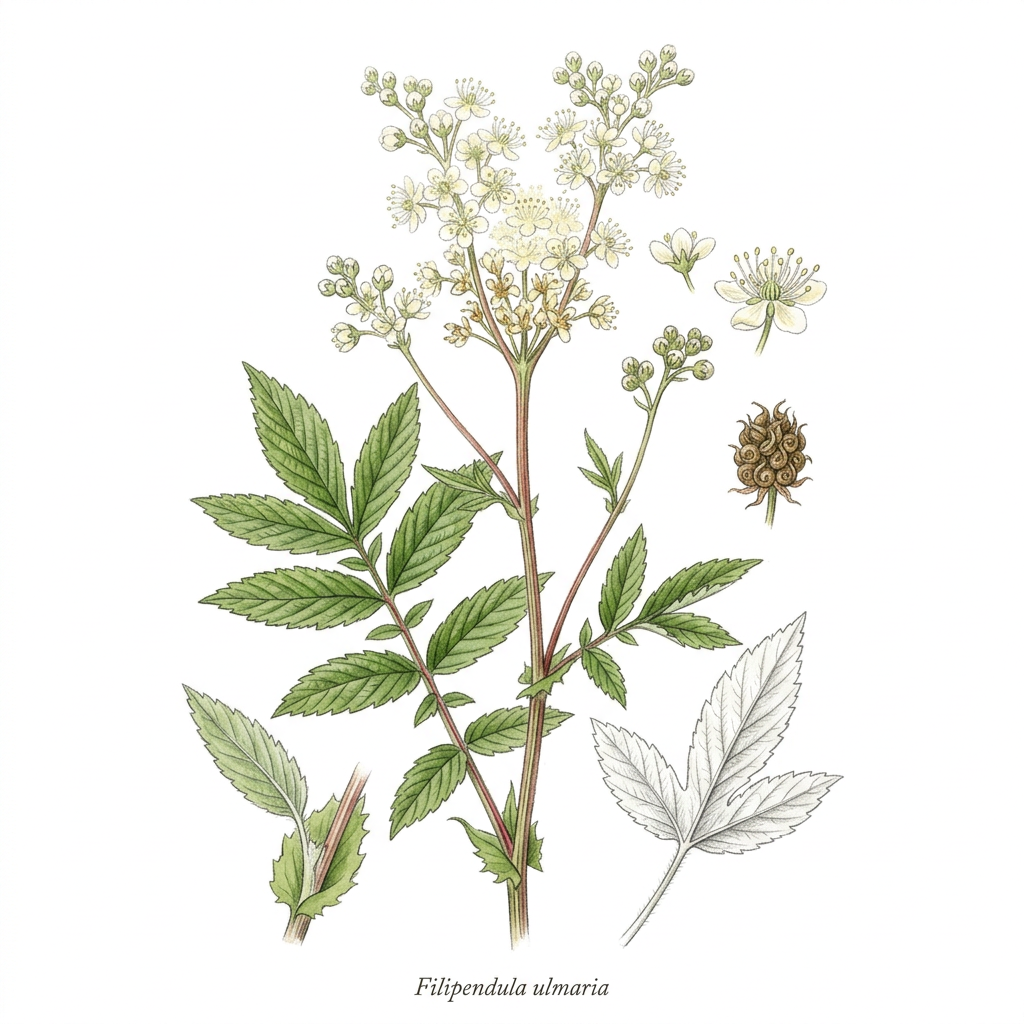
Filipendula ulmaria
Filipendula ulmaria
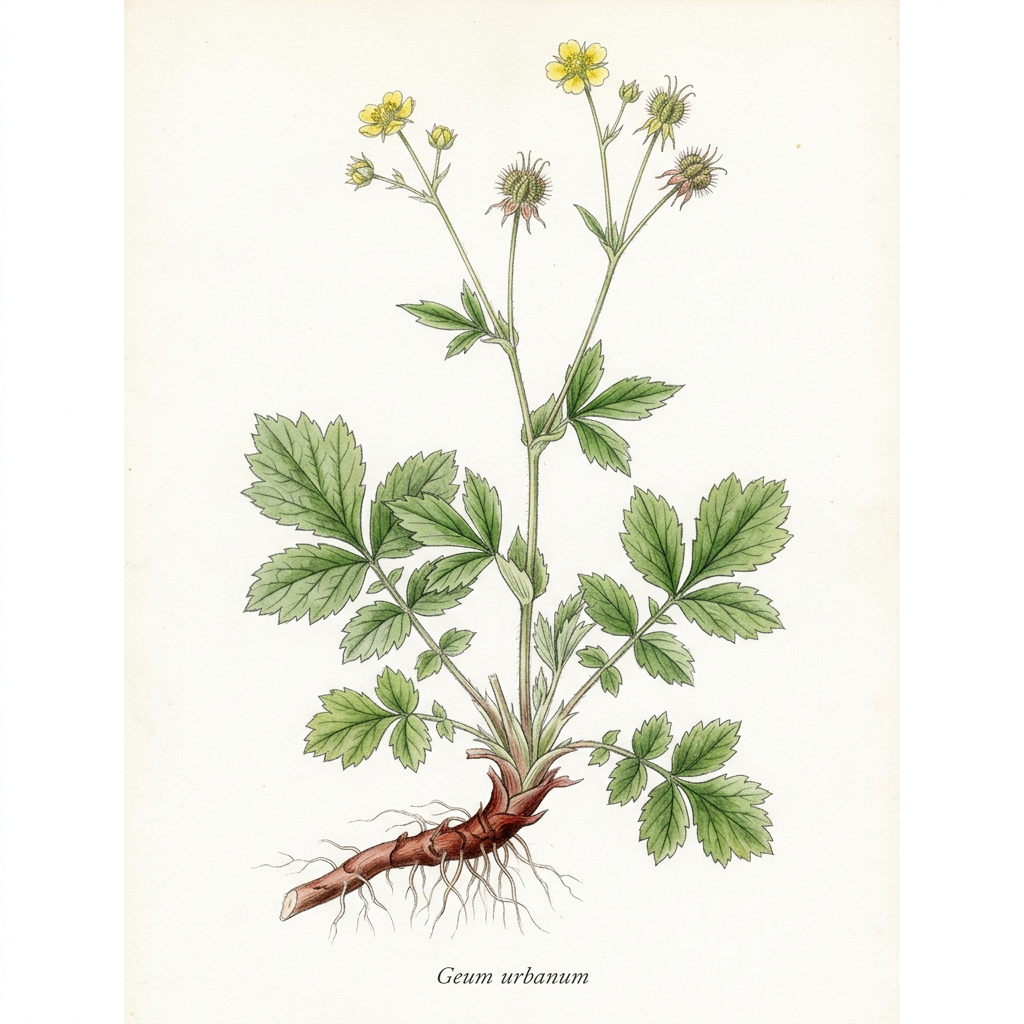
Wood avens
Geum urbanum
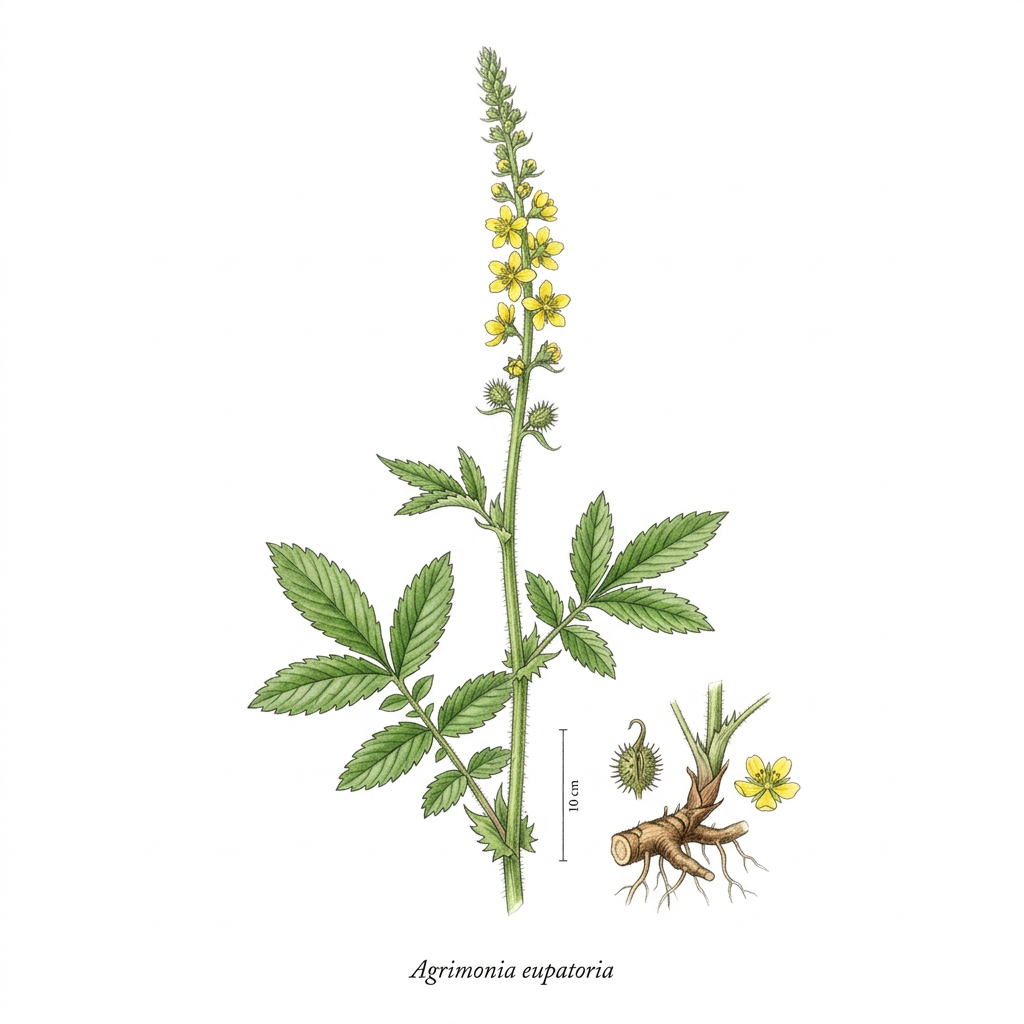
Agrimony
Agrimonia eupatoria