The Wild Sage logo
The Wild Sage Logo

Herbal Medicine at your fingertips

Comprehensive database of herbal remedies with detailed safety information and traditional uses

New to herbal terms? Read the glossary →
ADHD
Abcess
Acid Reflux Relief
Acinetobacter
Acne
Acne Vulgaris
Addisons
Adenomyosis
Adenovirus
Adrenal fatigue
Aging
Aids
Alcaligenes faecalis
Alcoholism
Allergic Rhinitis
Allergies
Allergy
Alopoecia
Alopoecia nervosa
Alzheimer's, Dementia & Cognitive Decline
420 herbs found
Important: This information is for educational purposes only. Always consult with qualified healthcare professionals before using herbal remedies, especially if you have existing health conditions or take medications.
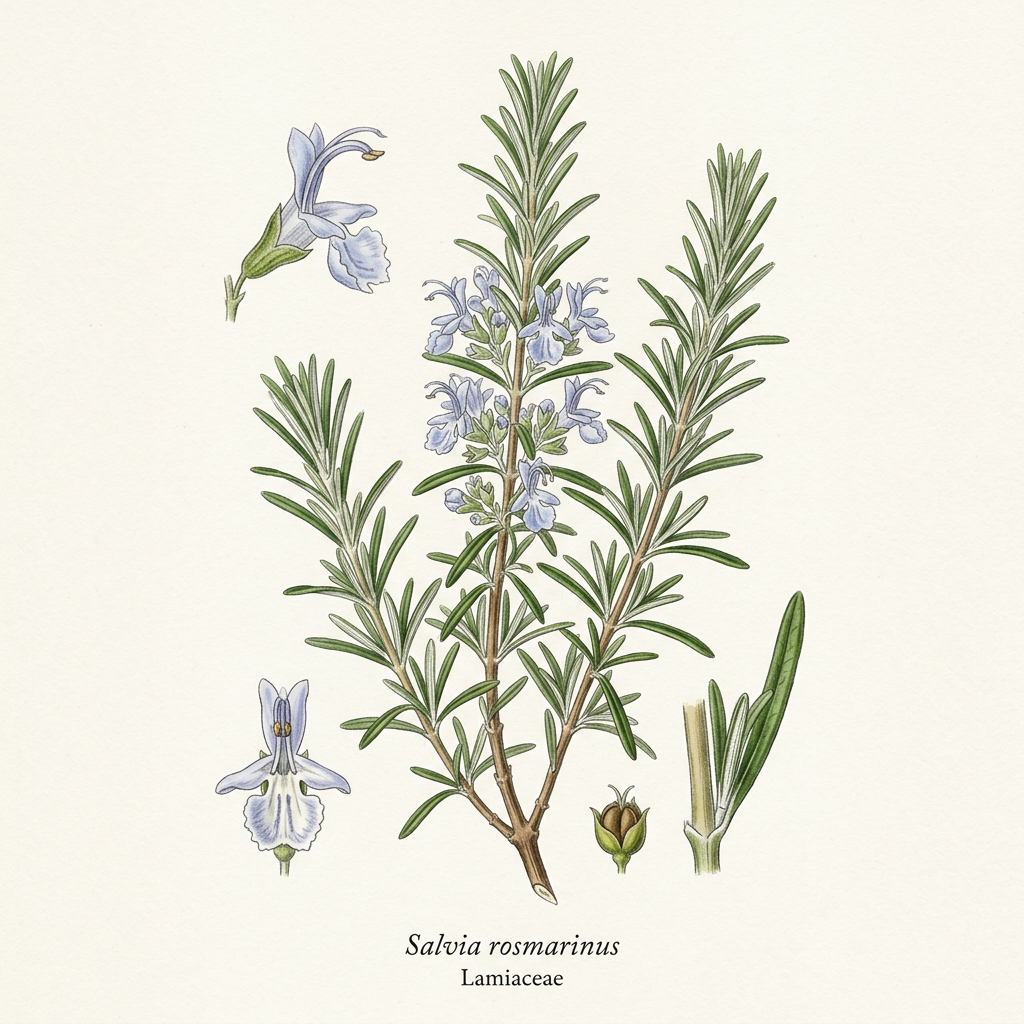
Rosemary

Rosemary

Salvia rosmarinus

low risk Risk
Lamiaceae
Enhances mental clarity, stimulates the mind, and uplifts mood.
<p>Rosemary (Salvia rosmarinus) is a fragrant evergreen herb native to the Mediterranean region, revered for both its culinary and medicinal properties since ancient times. Historically, this herb has held a significant place in traditional healing practices, where it was associated with memory enhancement and mental clarity. Ancient Greeks commonly used rosemary during examinations to improve retention and focus, while in medieval Europe, it was often associated with fidelity and remembrance, incorporated into weddings and funerals alike. The name "rosemary" itself is derived from the Latin "rosmarinus," meaning "dew of the sea," highlighting both its maritime origins and its refreshing aroma. Recognized as a powerful therapeutic agent, rosemary boasts a range of beneficial properties. Its active compounds, such as rosmarinic acid and carnosic acid, contribute to its robust antioxidant activity, aiding in the neutralization of free radicals within the body. This antioxidant capacity is not only essential for reducing oxidative stress but also plays a role in enhancing cognitive function, particularly memory and concentration. Furthermore, rosemary serves as a digestive aid; it stimulates the production of bile, thereby improving fat digestion and alleviating bloating and discomfort. Additionally, it is noted for its ability to improve circulation, thanks to its mild stimulant properties which enhance blood flow, making it beneficial for overall cardiovascular health. The therapeutic effects of rosemary are modalized through its impact on several bodily systems. When ingested, the herb’s essential oils and phytochemicals stimulate the digestive system, promoting effective gastrointestinal function. Its cognitive-enhancing qualities are attributed to its influence on neurotransmitter activity, particularly acetylcholine—an important neurotransmitter for memory and learning. Rosemary’s circulation-boosting properties are linked to its ability to dilate blood vessels and improve blood flow, which is essential for delivering oxygen and nutrients to tissues and organs. Overall, rosemary harmonizes various physiological functions, making it a vital herb not only in the kitchen but also in holistic and herbal medicine.</p>

Uses & Conditions

Cognitive Support
Digestive Support
Hepatic Support
Emotional Balance
Cognitive Impairment
Dyspepsia
Alopecia
ADHD
Circulatory Disorders
Asthma
Haemochromatosis
Cardiovascular Disease
Cerebrovascular Disease
Pyelonephritis
H. pylori Infection
E. coli Infection
Cervical Dysplasia
Alzheimer's Disease

Actions

Antioxidant
Carminative
Circulatory Stimulant
Antibacterial
Hepatic
Nootropic

Synonyms

Rosemary
Salvia rosmarinus

Parts Used

Flowers
Leaves
Whole plant

Native Countries

Europe
Mediterranean
Southern Europe

USDA Hardiness Zones

USDA 7-10
USDA 8-10

Contraindications

  • High doses during pregnancy
  • Epilepsy
  • Hypertension (essential oil)

Dosages, tincture ratios & research — members only

Unlock Garreth's dosing guidance, tincture ratios, the dosage calculator and the research studies for Rosemary.

Your assessment and results stay saved — upgrading only unlocks more of them.

See membership plans

Community Photos

No community photos yet. Sign in to upload photos.

Reviews & Ratings

Sign in to leave a review.

No reviews yet. Be the first!

GF

Garreth Falls — B.Th., Dip. H.M., MNIMH

Content curated and reviewed by Garreth Falls, Consultant Medical Herbalist · The Wild Sage

Medical Disclaimer: This information is for educational purposes only and is not intended as medical advice. Always consult with qualified healthcare professionals before starting any herbal treatment.
Western tradition

Sustainability & quality

Abundant

Common garden herb that is easy to propagate. High quality material should be aromatic and free from grey mould.

Key constituents

Antioxidant, Essential oil, Aromatic compounds, Caryophylene, Sesquiterpine lactones, Terpenes, Caryophyllane, Camphor, Pinene, Verbenone

References

  1. ESCOP Monographs 2nd ed. 2003
  2. EMA/HMPC Community Herbal Monograph
  3. British Herbal Pharmacopoeia 1983

Reviewed by Garreth, Medical Herbalist (MNIMH) · November 2026

Related conditions

Explore conditions where Rosemary is traditionally used.

Related Herbs
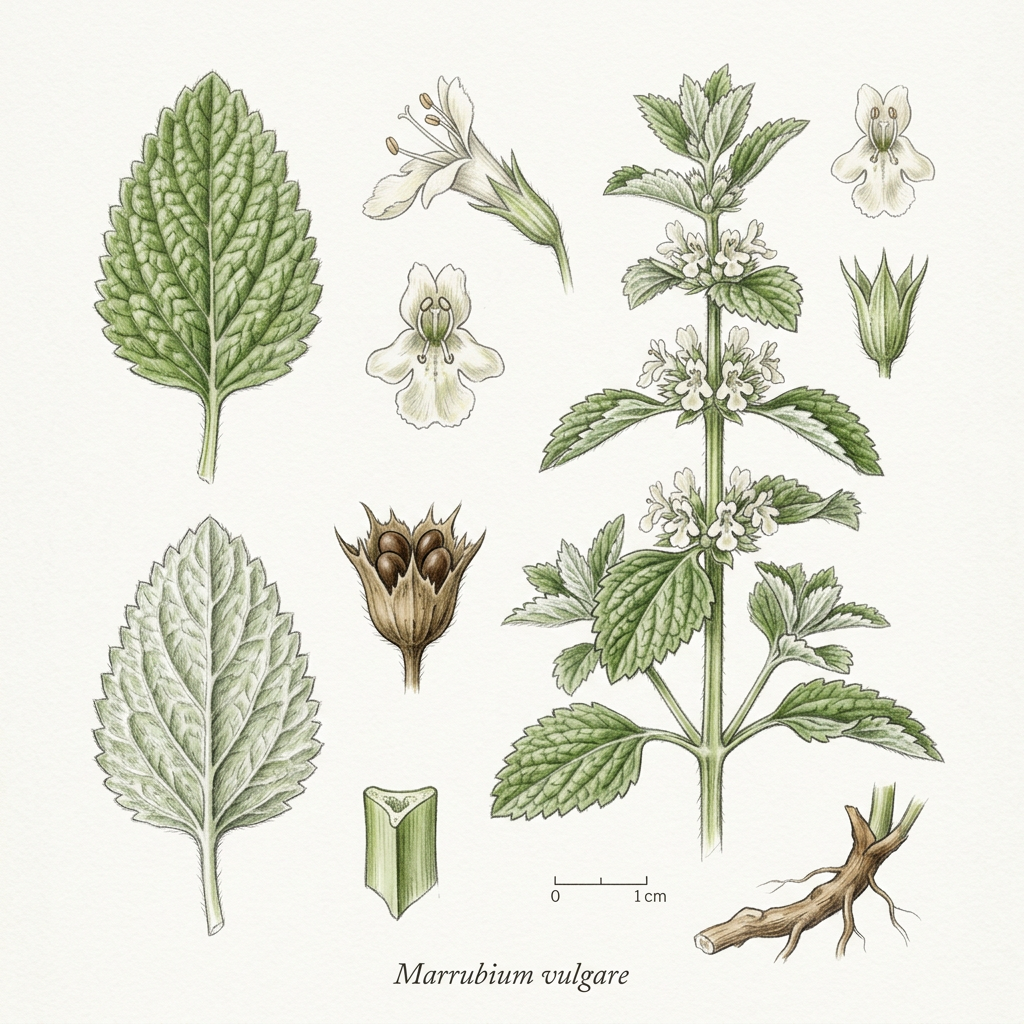
Horehound

Horehound

Marrubium vulgare

Respiratory Support
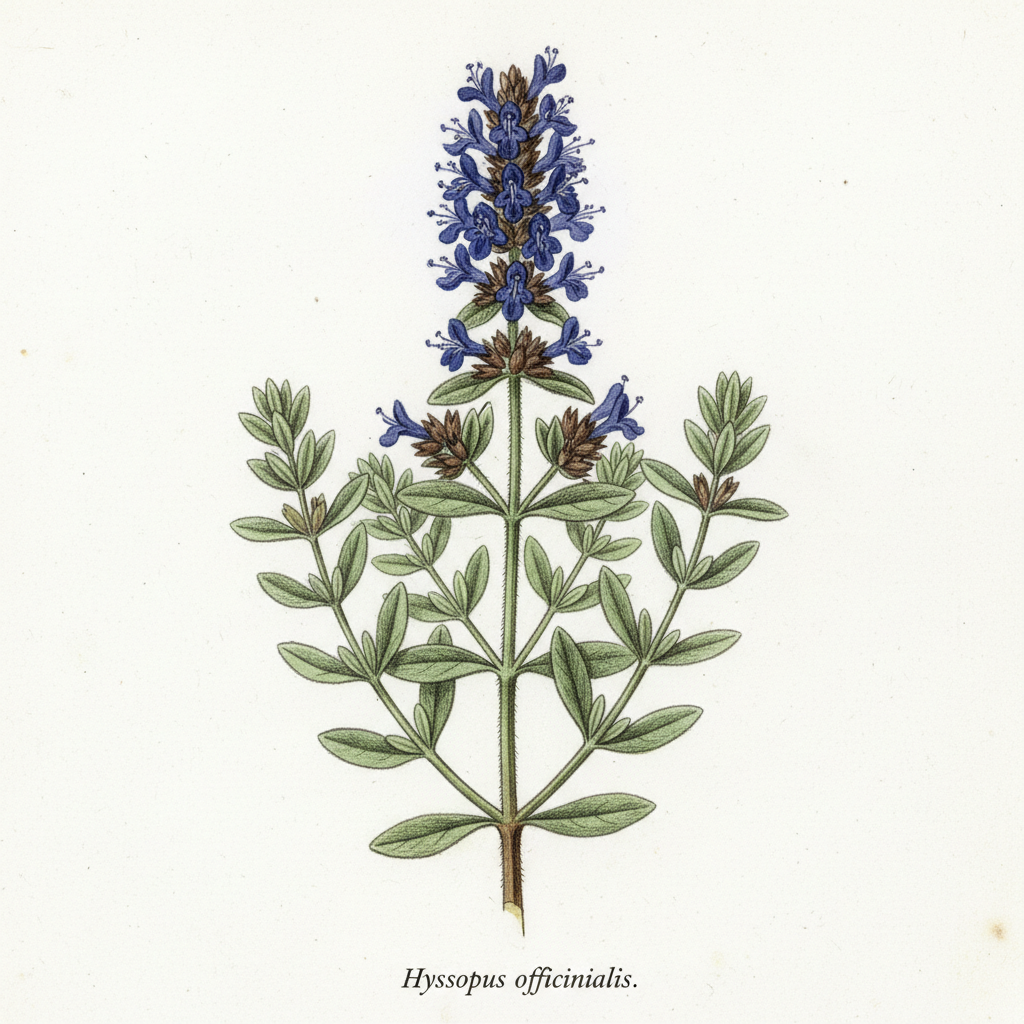
Hyssop

Hyssop

Hyssopus officinalis

Respiratory Support
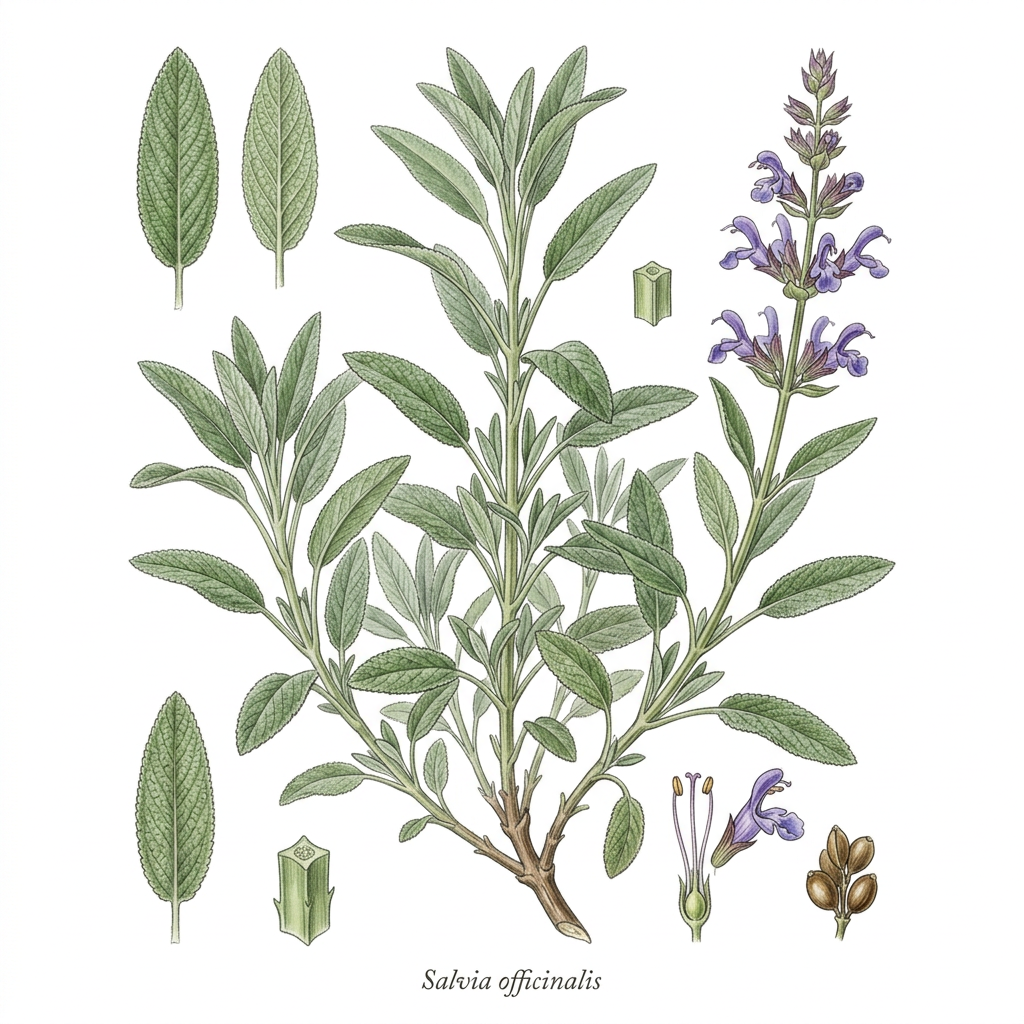
Sage

Sage

Salvia officinalis

Antioxidant Support
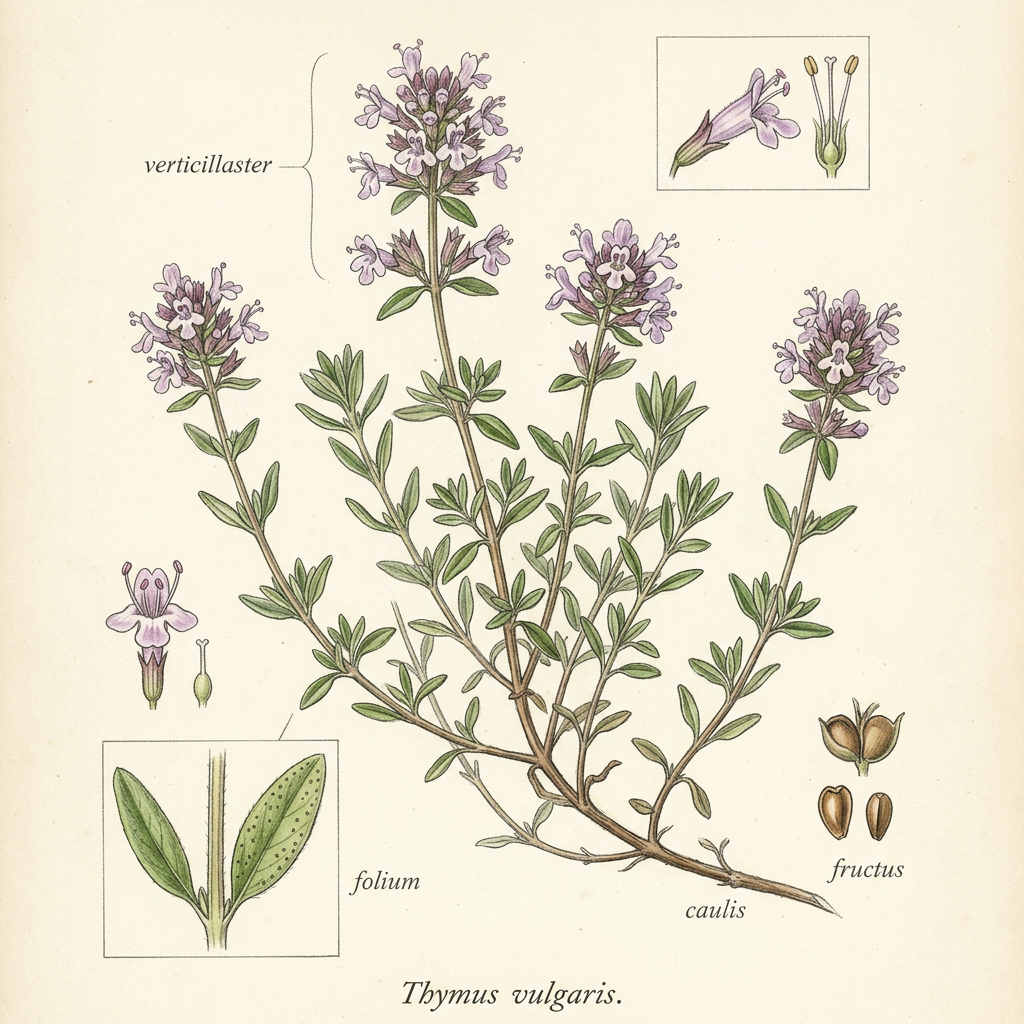
Thyme

Thyme

Thymus vulgaris