The Wild Sage logo
The Wild Sage Logo

Herbal Medicine at your fingertips

Comprehensive database of herbal remedies with detailed safety information and traditional uses

New to herbal terms? Read the glossary →
ADHD
Abcess
Acid Reflux Relief
Acinetobacter
Acne
Acne Vulgaris
Addisons
Adenomyosis
Adenovirus
Adrenal fatigue
Aging
Aids
Alcaligenes faecalis
Alcoholism
Allergic Rhinitis
Allergies
Allergy
Alopoecia
Alopoecia nervosa
Alzheimer's, Dementia & Cognitive Decline
420 herbs found
Important: This information is for educational purposes only. Always consult with qualified healthcare professionals before using herbal remedies, especially if you have existing health conditions or take medications.
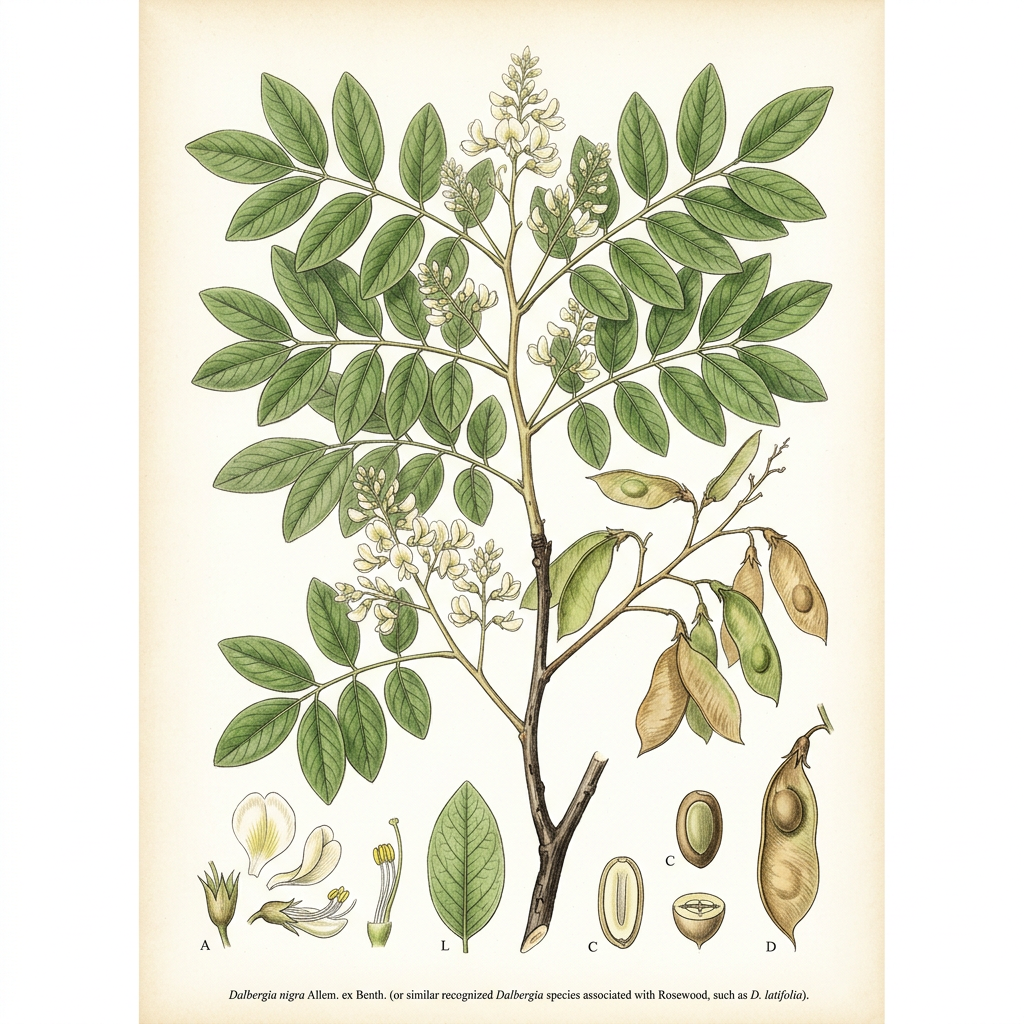
Rosewood

Rosewood

Rosewood

low risk Risk
Dalbergiae
<p>Rosewood, specifically species within the Dalbergia genus, refers to a variety of fragrant timber trees prized for their dense, oil-rich wood. Botanically, these are legumes often found in tropical environments. The wood is characterised by its distinctive grain patterns and high concentration of volatile oils, which have historically been distilled for aromatic and traditional medicinal applications in their native ranges.</p><p>Traditionally used for the support of skin health and as a mild antiseptic, Rosewood has been employed in folk practices to address minor blemishes and irritation. Historically, the essential oil has been valued in perfumery and aromatherapy for its grounding, calming influence, traditionally used for emotional balancing and to ease low-level stress responses.</p><p>Modern research into Dalbergia species focuses heavily on the volatile components, specifically linalool, which is noted for its potential antimicrobial and soothing properties. While clinical evidence remains limited regarding internal use, the wood and its derivatives continue to be explored for their ability to promote dermatological resilience and support a calm nervous system in topical and olfactory applications.</p><p>In contemporary clinical practice, the use of Rosewood is predominantly external. It is primarily utilised by practitioners in skincare formulations for its gentle, skin-toning nature. Given the conservation status of many wild Dalbergia species, ethical sourcing is paramount, and practitioners are advised to seek sustainable, plantation-grown alternatives where possible.</p>

Uses & Conditions

Stress Relief
Mental Fatigue
Focus Enhancement
Emotional Trauma
Burnout
Fatigue Recovery
Spiritual Grounding
Aromatherapy Applications
Meditation Enhancement
Mindfulness Support
Anxiety
Depression
Nervousness
Restlessness
Insomnia

Actions

Anxiolytic
Mood Support

Parts Used

Heartwood
Essential oil derived from wood

Native Countries

Brazil
Argentina
Paraguay
Peru

USDA Hardiness Zones

10
11

Contraindications

  • Pregnancy: Avoid use due to insufficient safety data.
  • Breastfeeding: Avoid internal or concentrated topical use.
  • Children: Not recommended for infants or young children.
  • Fabaceae (legume) family allergy: Use with caution.
  • Linalool sensitivity: Avoid if sensitive to essential oils.

Potential Side Effects

  • Dermal irritation in sensitive individuals.
  • Contact dermatitis.
  • Photosensitivity if applied in excessive concentrations.

Interactions

  • Use caution when concurrent with prescription medicines.

Dosages, tincture ratios & research — members only

Unlock Garreth's dosing guidance, tincture ratios, the dosage calculator and the research studies for Rosewood.

Your assessment and results stay saved — upgrading only unlocks more of them.

See membership plans

Community Photos

No community photos yet. Sign in to upload photos.

Reviews & Ratings

Sign in to leave a review.

No reviews yet. Be the first!

GF

Garreth Falls — B.Th., Dip. H.M., MNIMH

Content curated and reviewed by Garreth Falls, Consultant Medical Herbalist · The Wild Sage

Medical Disclaimer: This information is for educational purposes only and is not intended as medical advice. Always consult with qualified healthcare professionals before starting any herbal treatment.
Western tradition

Sustainability & quality

Endangered

Highly threatened; use must be avoided unless strictly certified plantation-grown or replaced with sustainable alternatives.

Key constituents

Linalool, Alpha-terpineol, Geraniol, 1, 8-cineole, Beta-pinene, Limonene, Methyl heptenone, Flavonoids

References

  1. Herbal Reality. Herb monographs. herbalreality.com

Reviewed by Garreth, Medical Herbalist (MNIMH) · November 2026

Related conditions

Explore conditions where Rosewood is traditionally used.

Related Herbs
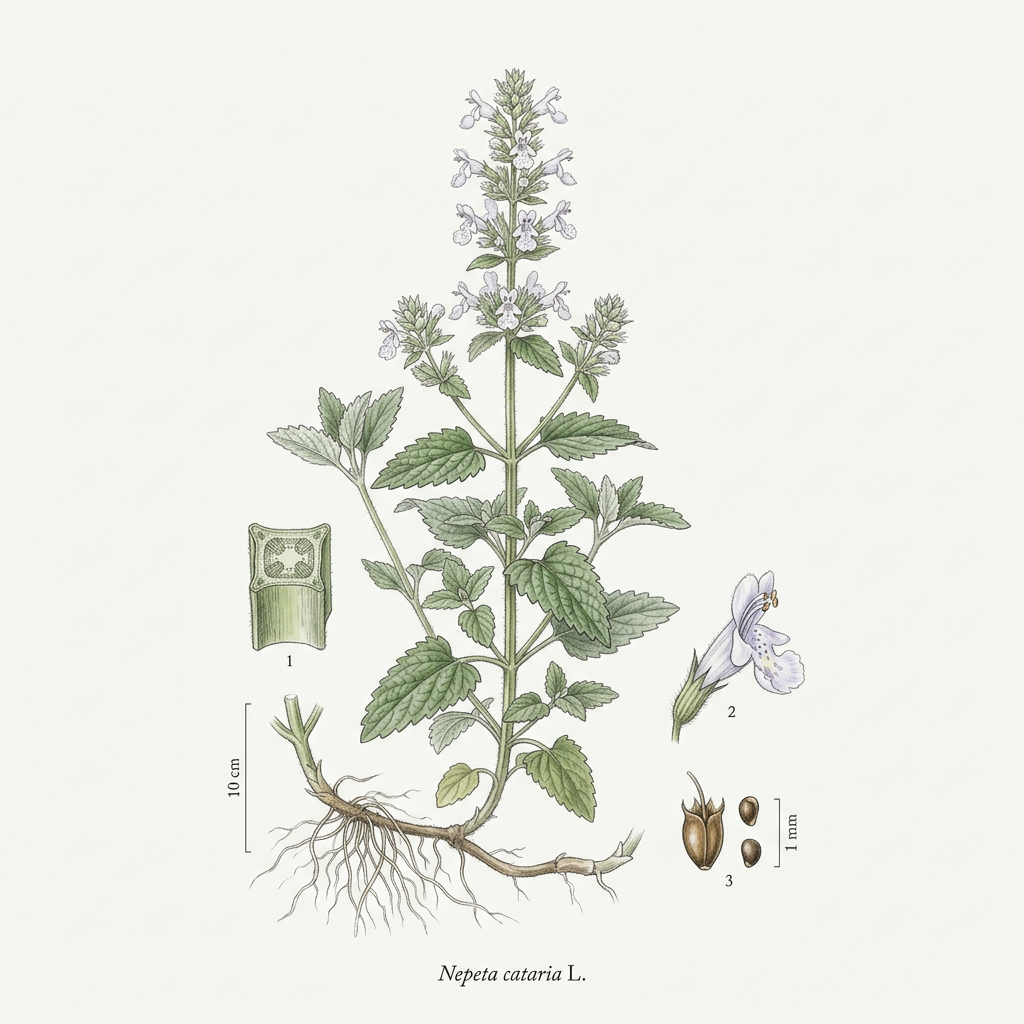
Catnip

Catnip

Nepeta cataria

Digestive support
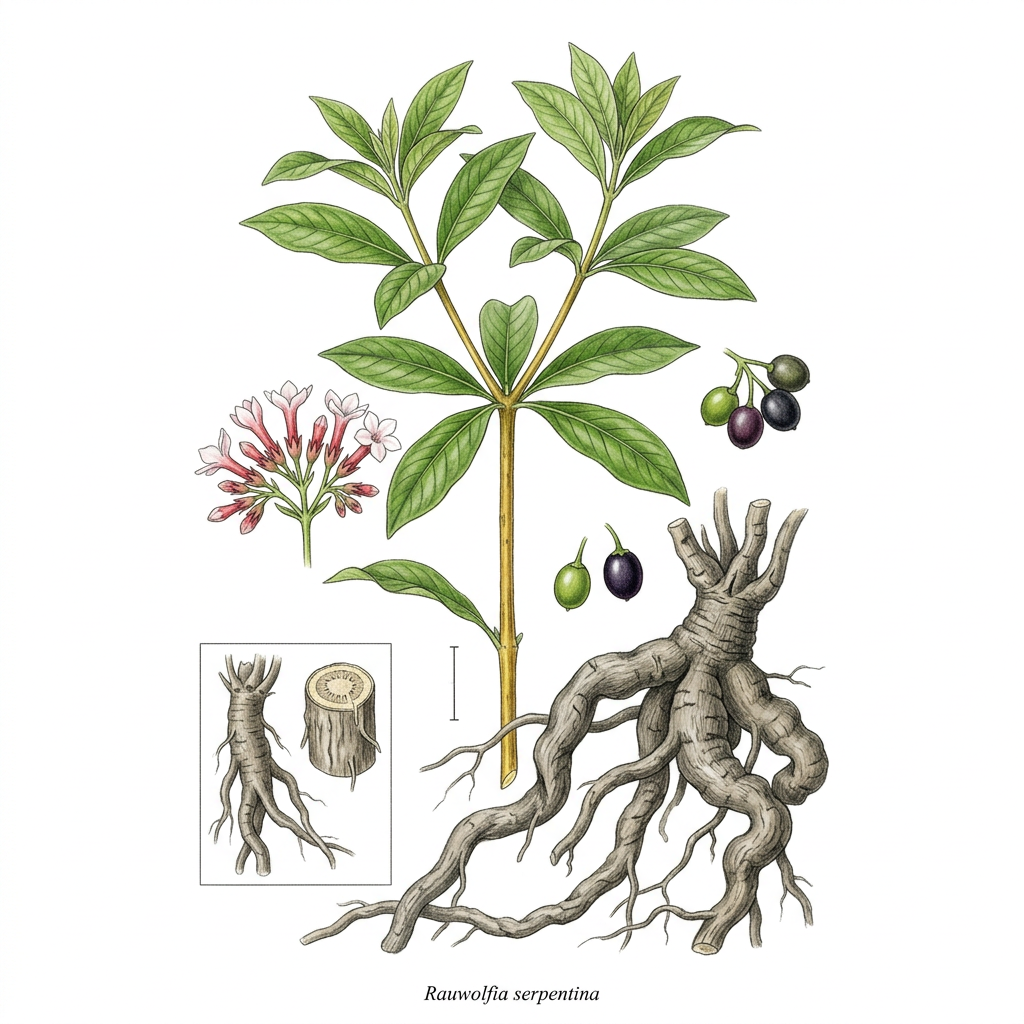
Indian Snakeroot

Indian Snakeroot

Rauwolfia serpentina
Mental clarity
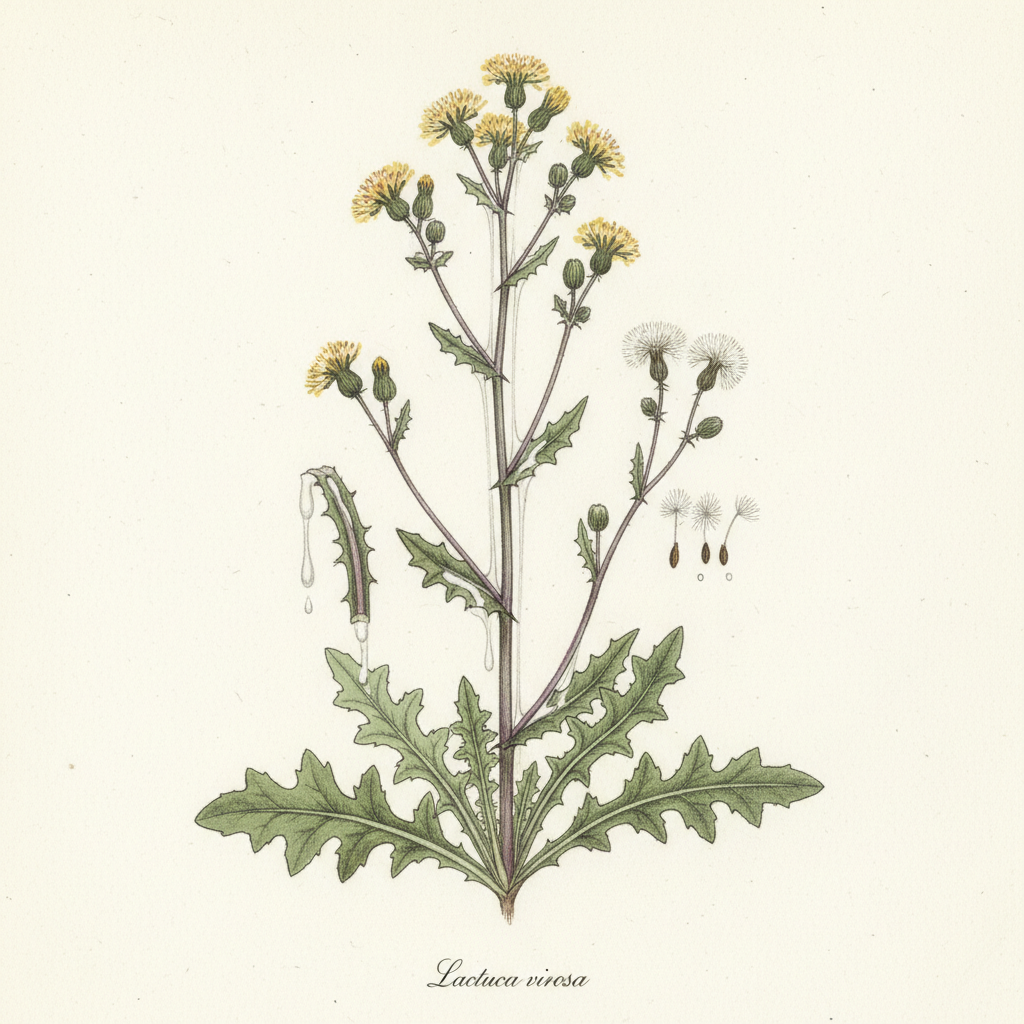
Wild Lettuce

Wild Lettuce

Lactuca virosa

Emotional Well-being
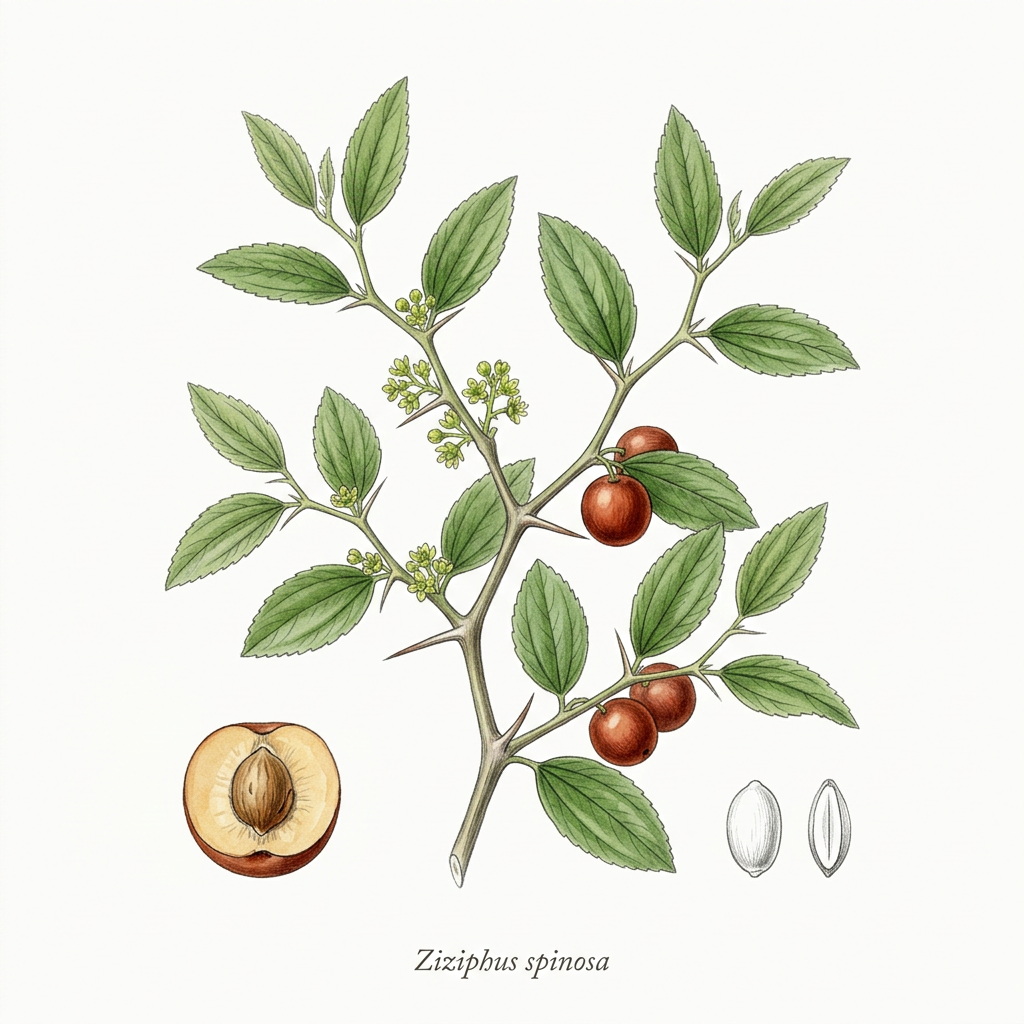
Ziziphus

Ziziphus

Ziziphus spinosa

Sleep Aid