The Wild Sage logo
The Wild Sage Logo

Herbal Medicine at your fingertips

Comprehensive database of herbal remedies with detailed safety information and traditional uses

New to herbal terms? Read the glossary →
ADHD
Abcess
Acid Reflux Relief
Acinetobacter
Acne
Acne Vulgaris
Addisons
Adenomyosis
Adenovirus
Adrenal fatigue
Aging
Aids
Alcaligenes faecalis
Alcoholism
Allergic Rhinitis
Allergies
Allergy
Alopoecia
Alopoecia nervosa
Alzheimer's, Dementia & Cognitive Decline
420 herbs found
Important: This information is for educational purposes only. Always consult with qualified healthcare professionals before using herbal remedies, especially if you have existing health conditions or take medications.
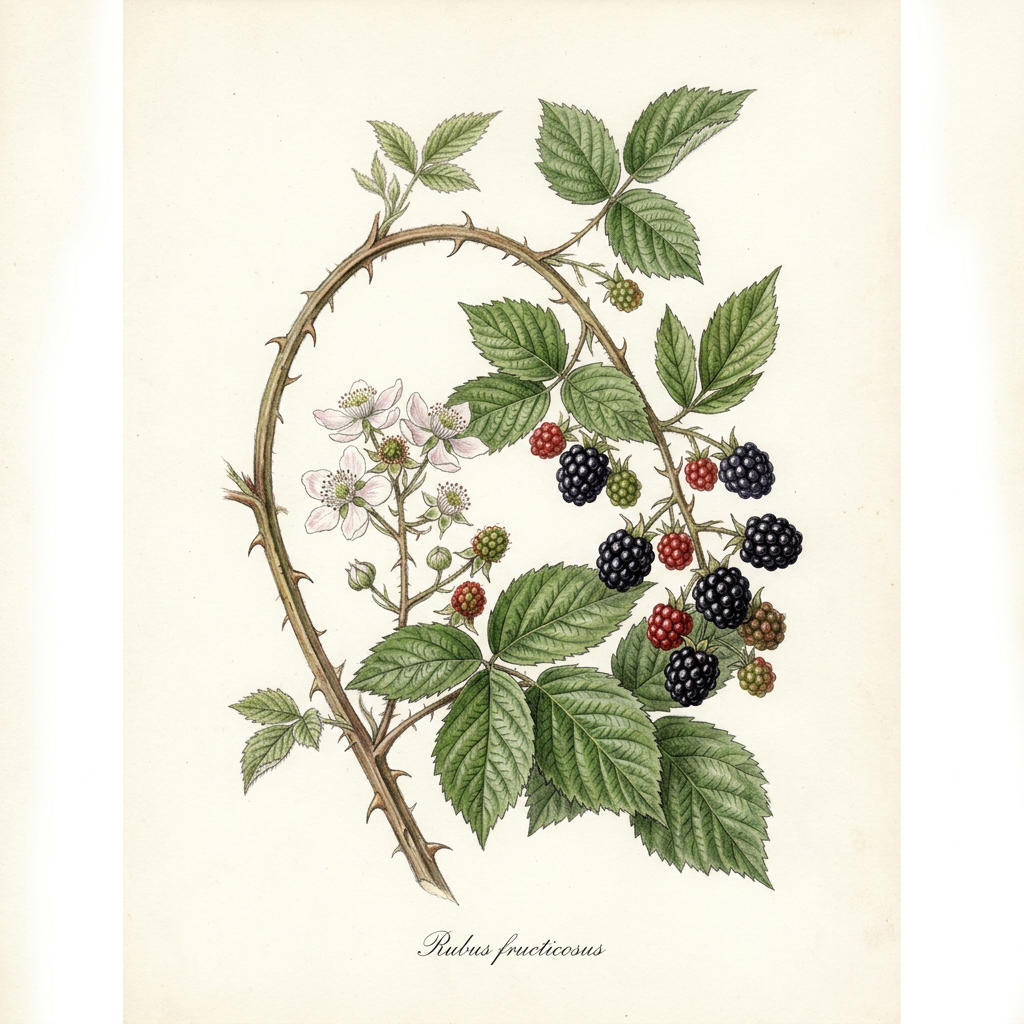
Rubus fruticosus

Rubus fruticosus

Rubus fruticosus

low risk Risk
Rosaceae
cooling, moistening, sweet.
<p>Rubus fruticosus, the common bramble, is a thorny, perennial shrub belonging to the Rosaceae family. It is characterised by its scrambling stems, known as canes, which are covered in prickles and bear pinnate leaves with serrated margins. The white or pinkish flowers appear in summer, giving way to the well-known aggregate fruits. It is widespread throughout the UK, thriving in hedgerows, woodland edges, and uncultivated land.</p><p>Traditionally, the leaves and root bark have been utilised by herbalists for their notable astringent and tonic properties. Historically, the plant was valued for supporting gastrointestinal health, particularly in cases of loose bowels or minor inflammation. The leaves have long been enjoyed as a domestic tea, whilst the root has traditionally been reserved for its stronger binding action on the mucous membranes.</p><p>Modern herbal practice focuses on the tannin content of the leaves and roots, which provides a tightening and soothing effect on the digestive tract. While clinical research is limited compared to other shrubs, the presence of tannins and flavonoids supports its use as a traditional astringent. Practitioners today often incorporate it into formulas for mild digestive discomfort and oral health, valuing it as a gentle, accessible remedy.</p>

Uses & Conditions

Antioxidant Defence
Immune Support
Digestive Health
Respiratory Support
Weight Management
Skin Health
Oral Health
Liver Health
Bone Health
Oxidative Stress
Cardiovascular Disease
Digestive Complaints

Actions

Antioxidant
Cardiometabolic
NFkB Inhibitor
TNF-a Inhibitor
Antimicrobial
Antidiabetic
Astringent

Parts Used

Leaves
Root bark

Native Countries

United Kingdom
Europe
North America
Asia

USDA Hardiness Zones

3
4
5
6
7
8

Contraindications

  • Pregnancy: avoid high medicinal doses due to potential uterine-stimulating effects
  • Breastfeeding: lack of safety data suggests caution
  • Severe constipation: avoid due to the astringent
  • binding nature of tannins
  • Chronic gastrointestinal disorders: consult a healthcare professional if suffering from Crohn's disease or ulcerative colitis

Potential Side Effects

  • Mild gastrointestinal upset or nausea if taken on an empty stomach
  • Dryness of the mouth or throat

Interactions

  • Warfarin and antiplatelet drugs: space doses by at least two hours to avoid impaired absorption due to high tannin content
  • Iron supplements: high tannin content can chelate iron, potentially reducing bioavailability

Dosages, tincture ratios & research — members only

Unlock Garreth's dosing guidance, tincture ratios, the dosage calculator and the research studies for Rubus fruticosus.

Your assessment and results stay saved — upgrading only unlocks more of them.

See membership plans

Community Photos

No community photos yet. Sign in to upload photos.

Reviews & Ratings

Sign in to leave a review.

No reviews yet. Be the first!

GF

Garreth Falls — B.Th., Dip. H.M., MNIMH

Content curated and reviewed by Garreth Falls, Consultant Medical Herbalist · The Wild Sage

Medical Disclaimer: This information is for educational purposes only and is not intended as medical advice. Always consult with qualified healthcare professionals before starting any herbal treatment.
Western tradition

Sustainability & quality

Abundant

Very common; harvest from clean, non-industrial sites to ensure leaf quality.

Key constituents

Tannins (primarily ellagitannins), Flavonoids, Vitamin C, Organic acids, Triterpenes

References

  1. British Herbal Pharmacopoeia 1983
  2. Herbal Reality. Herb monographs. herbalreality.com

Reviewed by Garreth, Medical Herbalist (MNIMH) · November 2026

Related conditions

Explore conditions where Rubus fruticosus is traditionally used.

Related Herbs
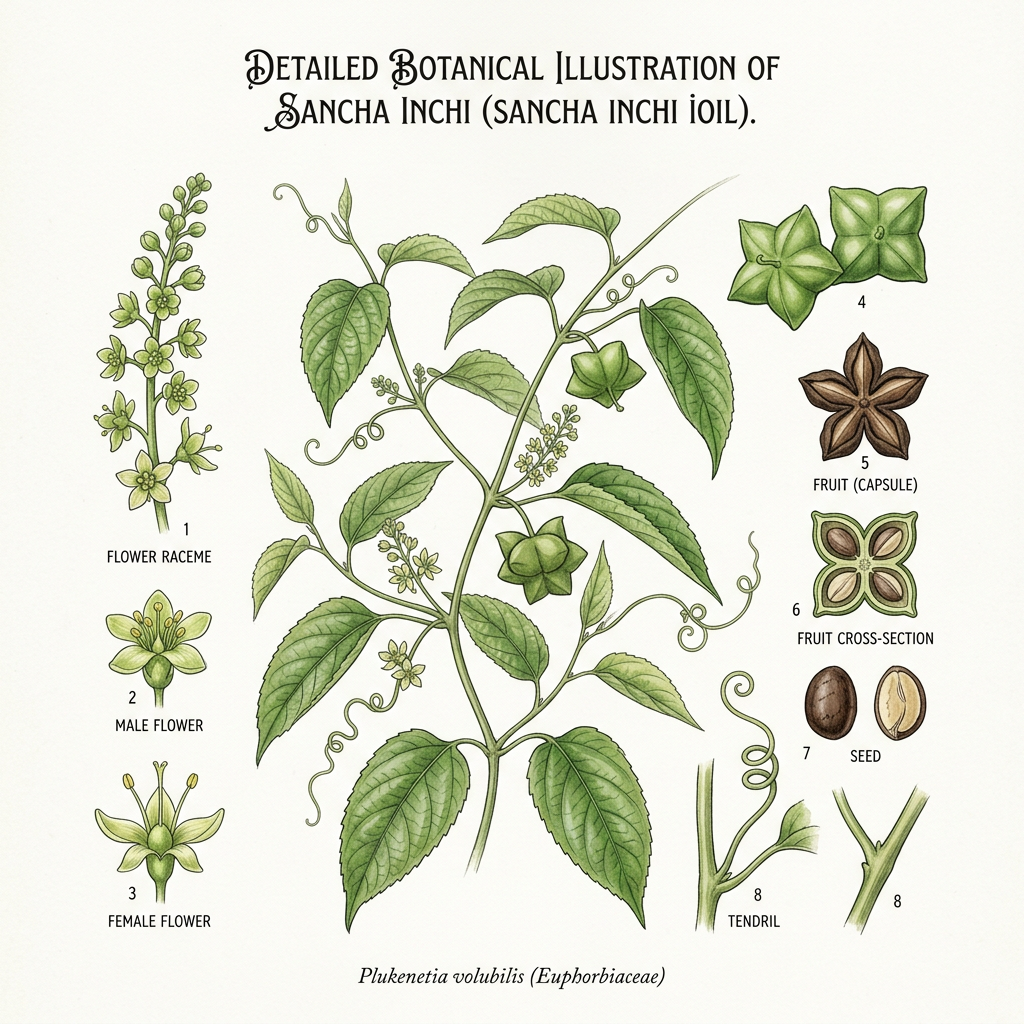
Sancha Inchi iOIl

Sancha Inchi iOIl
Sancha Inchi iOIl

Nutritional Supplementation
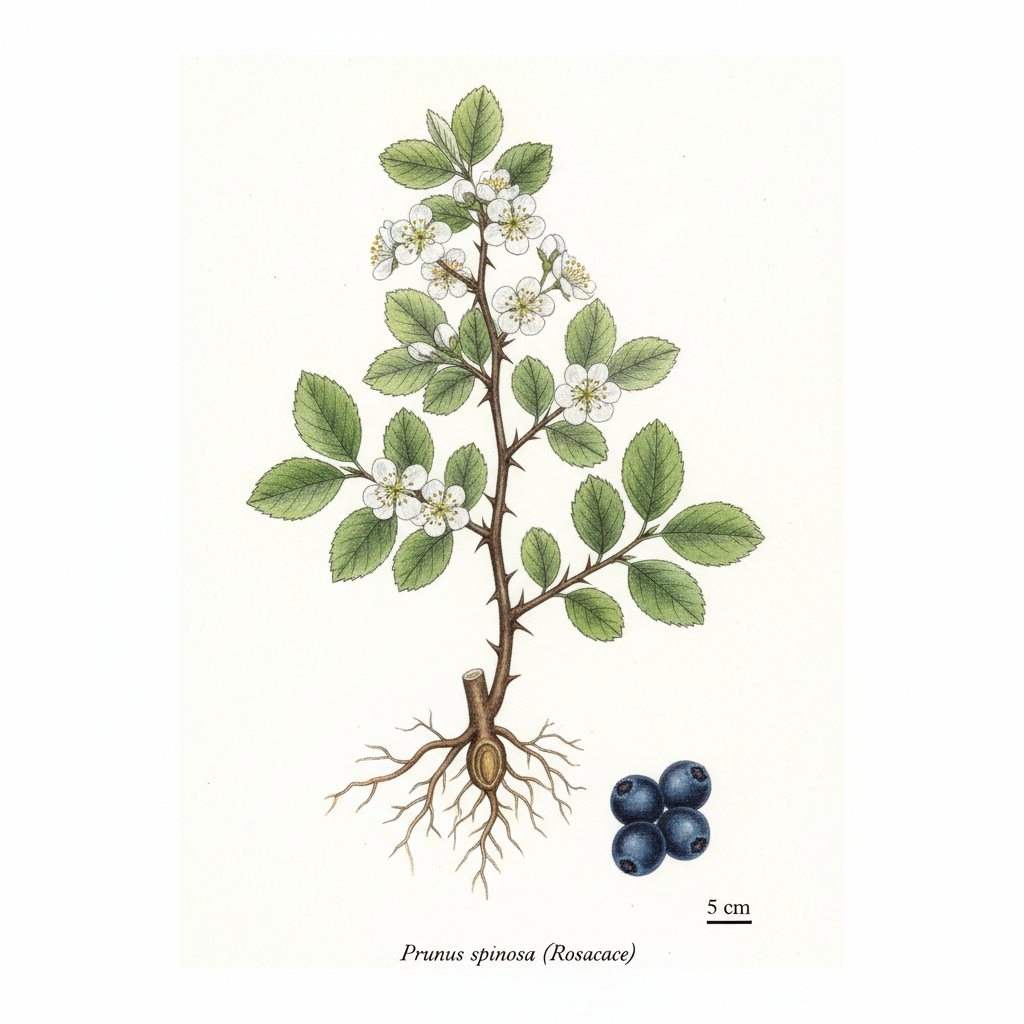
Blackthorn

Blackthorn

Prunus spinosa

Digestive health
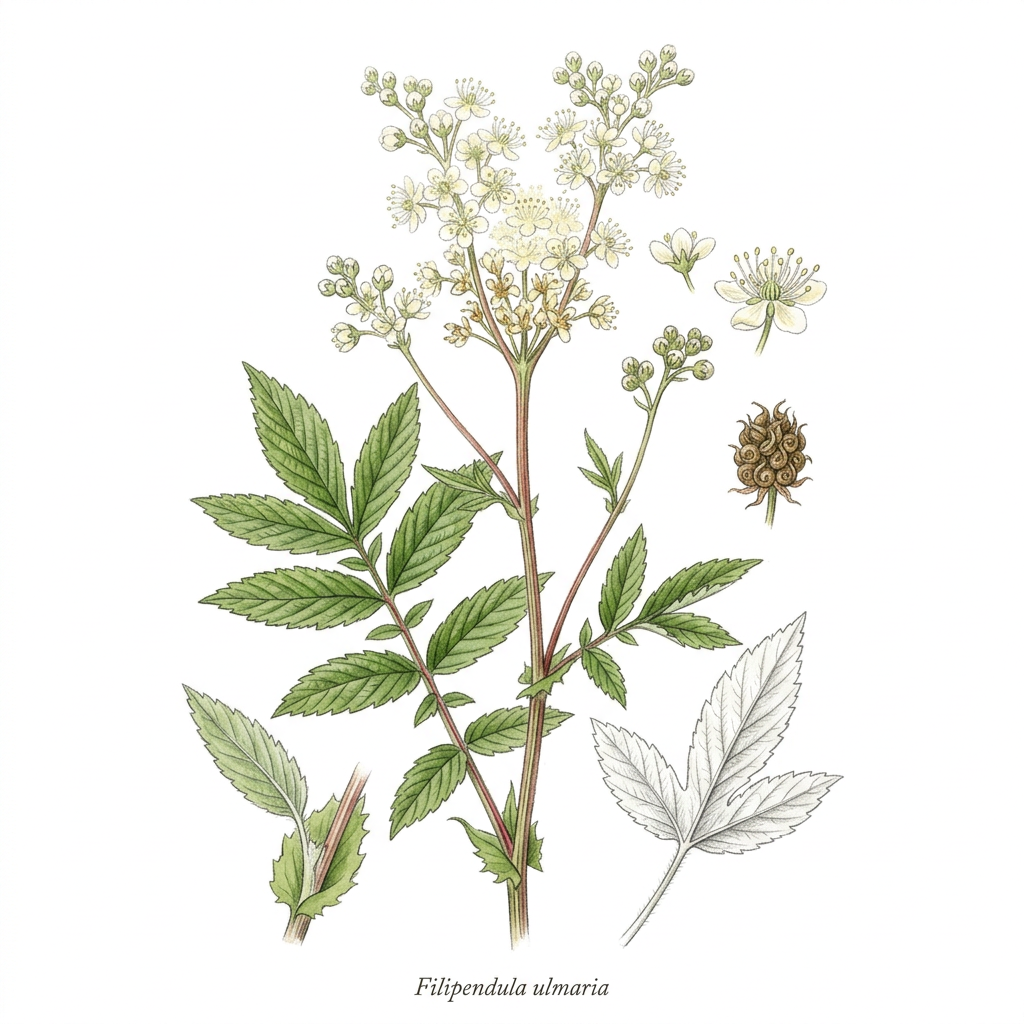
Filipendula ulmaria

Filipendula ulmaria
Filipendula ulmaria

Immune Support
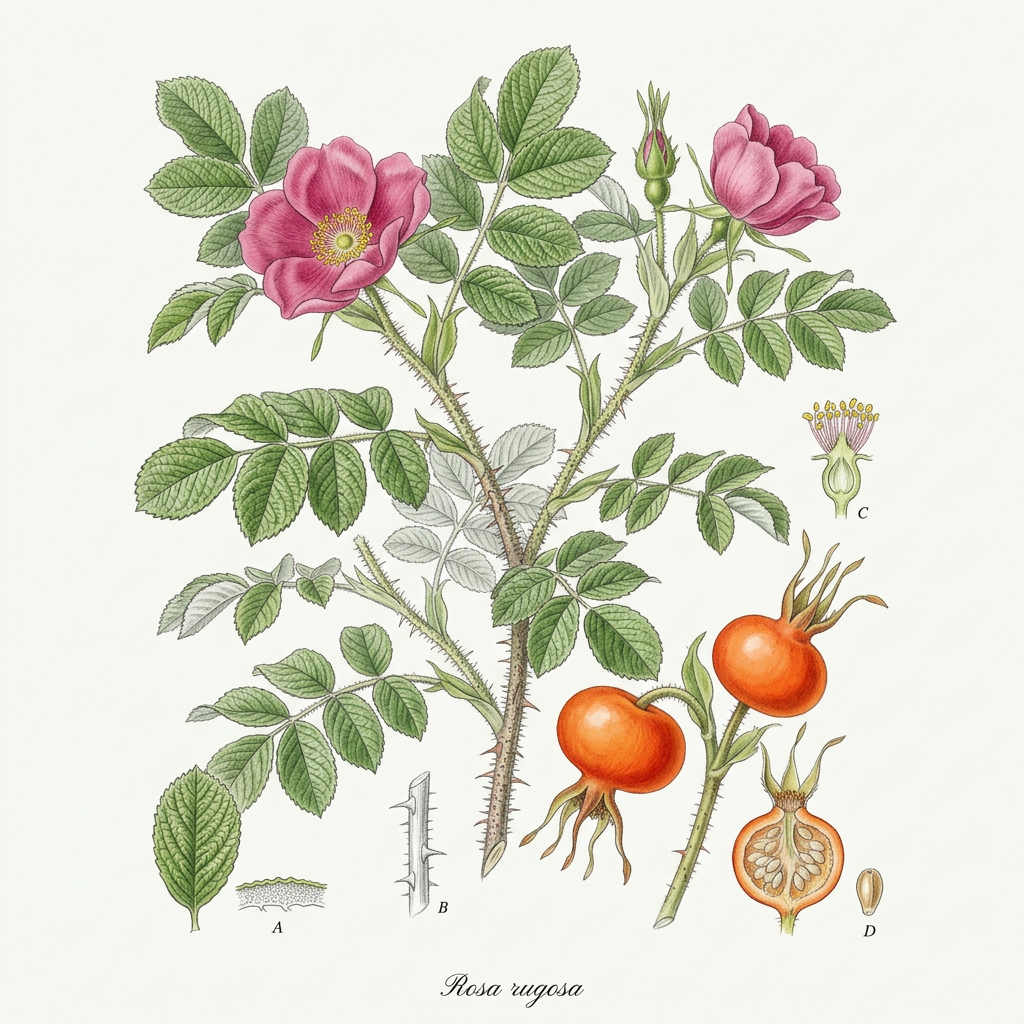
Rosa Rugosa

Rosa Rugosa

Rosa Rugosa

Nutritional Support