The Wild Sage logo
The Wild Sage Logo

Herbal Medicine at your fingertips

Comprehensive database of herbal remedies with detailed safety information and traditional uses

New to herbal terms? Read the glossary →
ADHD
Abcess
Acid Reflux Relief
Acinetobacter
Acne
Acne Vulgaris
Addisons
Adenomyosis
Adenovirus
Adrenal fatigue
Aging
Aids
Alcaligenes faecalis
Alcoholism
Allergic Rhinitis
Allergies
Allergy
Alopoecia
Alopoecia nervosa
Alzheimer's, Dementia & Cognitive Decline
420 herbs found
Important: This information is for educational purposes only. Always consult with qualified healthcare professionals before using herbal remedies, especially if you have existing health conditions or take medications.
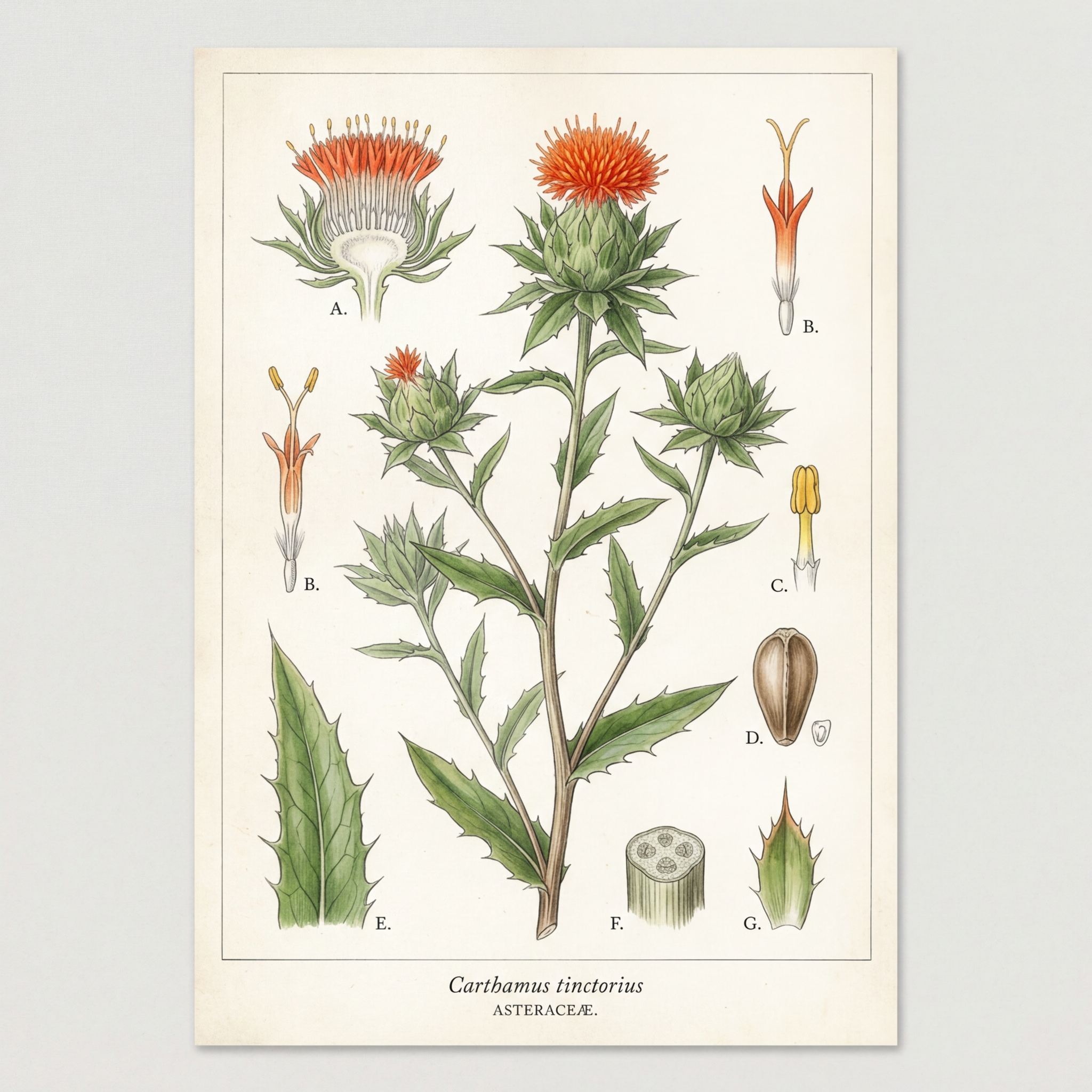
Safflower

Safflower

Carthamus tinctorius

low risk Risk
Asteraceae
warming, moistening
<p>Carthamus tinctorius, commonly known as safflower, is a flowering plant belonging to the Asteraceae family. Historically, this herb has its roots in ancient Egypt and has been traditionally utilized for its vibrant yellow-orange dye derived from its petals, which were often employed in textiles and food. Beyond its aesthetic contributions, safflower has been valued in traditional medicine systems across various cultures, particularly in Traditional Chinese Medicine and Ayurveda, for its diverse therapeutic properties. It is renowned for promoting overall well-being, particularly in supporting cardiovascular and metabolic health. The medicinal benefits of Carthamus tinctorius are extensive and well-researched. One of its most notable actions includes its role as a blood sugar support agent, making it a valuable herb for individuals managing diabetes. Research indicates that safflower may improve insulin sensitivity and help regulate blood glucose levels. Additionally, its anti-diabetic qualities are complemented by its ability to act as an NFkB (nuclear factor kappa-light-chain-enhancer of activated B cells) inhibitor, which plays a crucial role in reducing inflammation within the body. Furthermore, safflower is recognized for its cardiovascular health benefits, including hypocholesterolemic and hypotensive actions, which can assist in lowering cholesterol levels and blood pressure, respectively. Its vasodilatory effects promote blood circulation, thus contributing to overall heart health. At a biochemical level, the therapeutic actions of Carthamus tinctorius can be attributed to various active compounds, including flavonoids, phenolic acids, and essential fatty acids, particularly the high content of linoleic acid found in its oil. These compounds work synergistically to decrease levels of TNF-α (tumor necrosis factor-alpha), a cytokine involved in systemic inflammation. By modulating inflammatory pathways and promoting vasodilation, safflower facilitates improved nutrient delivery and oxygenation to tissues, thereby supporting both metabolic and cardiovascular function. As modern science continues to validate the traditional uses of Carthamus tinctorius, this herb emerges as a potent ally in the pursuit of health and wellness, bridging the gap between ancient wisdom and contemporary herbal practice.</p>

Uses & Conditions

Metabolic Support
Enhanced Blood Circulation
Oxygenation Of Tissues
Nutrient Delivery
Obesity
Metabolic Syndrome
Diabetes
Chronic Inflammation
Haemorrhagic Disorders
Heavy Menstruation

Actions

Anti-diabetic
NFkB Inhibitor
TNF-a Reducer
Hypocholesterolemic
Hypotensive
Vasodilator

Parts Used

Dried florets
Seeds

USDA Hardiness Zones

3
4
5
6
7
8
9
10

Contraindications

  • Pregnancy due to potential emmenagogue and uterine stimulant effects
  • Breastfeeding due to insufficient safety data
  • Pre-surgery: cease use at least two weeks before scheduled procedures

Potential Side Effects

  • Gastrointestinal upset including nausea or diarrhoea
  • Allergic reactions in individuals sensitive to the Asteraceae/Compositae family
  • Increased risk of bruising or prolonged bleeding time

Interactions

  • Anticoagulants and antiplatelet drugs: increased risk of bleeding
  • Antihypertensive medications: potential additive effect leading to hypotension
  • Antidiabetic medications: potential additive blood glucose-lowering effects
  • Non-steroidal anti-inflammatory drugs (NSAIDs): potential increased risk of gastrointestinal irritation or bleeding

Dosages, tincture ratios & research — members only

Unlock Garreth's dosing guidance, tincture ratios, the dosage calculator and the research studies for Safflower.

Your assessment and results stay saved — upgrading only unlocks more of them.

See membership plans

Community Photos

No community photos yet. Sign in to upload photos.

Reviews & Ratings

Sign in to leave a review.

No reviews yet. Be the first!

GF

Garreth Falls — B.Th., Dip. H.M., MNIMH

Content curated and reviewed by Garreth Falls, Consultant Medical Herbalist · The Wild Sage

Medical Disclaimer: This information is for educational purposes only and is not intended as medical advice. Always consult with qualified healthcare professionals before starting any herbal treatment.
Chinese tradition

Sustainability & quality

Cultivated

Primarily grown for oil or pigment production. Ensure supply is sourced from reputable herbal distributors to guarantee botanical identity.

Key constituents

Carthamin, Safflomin A, Linoleic acid, Oleic acid, Flavonoids, Polyacetylenes, Serotonin derivatives

References

  1. Bensky "Chinese Herbal Medicine: Materia Medica" 3rd ed. 2004
  2. Herbal Reality. Herb monographs. herbalreality.com

Reviewed by Garreth, Medical Herbalist (MNIMH) · November 2026

Related conditions

Explore conditions where Safflower is traditionally used.

Related Herbs
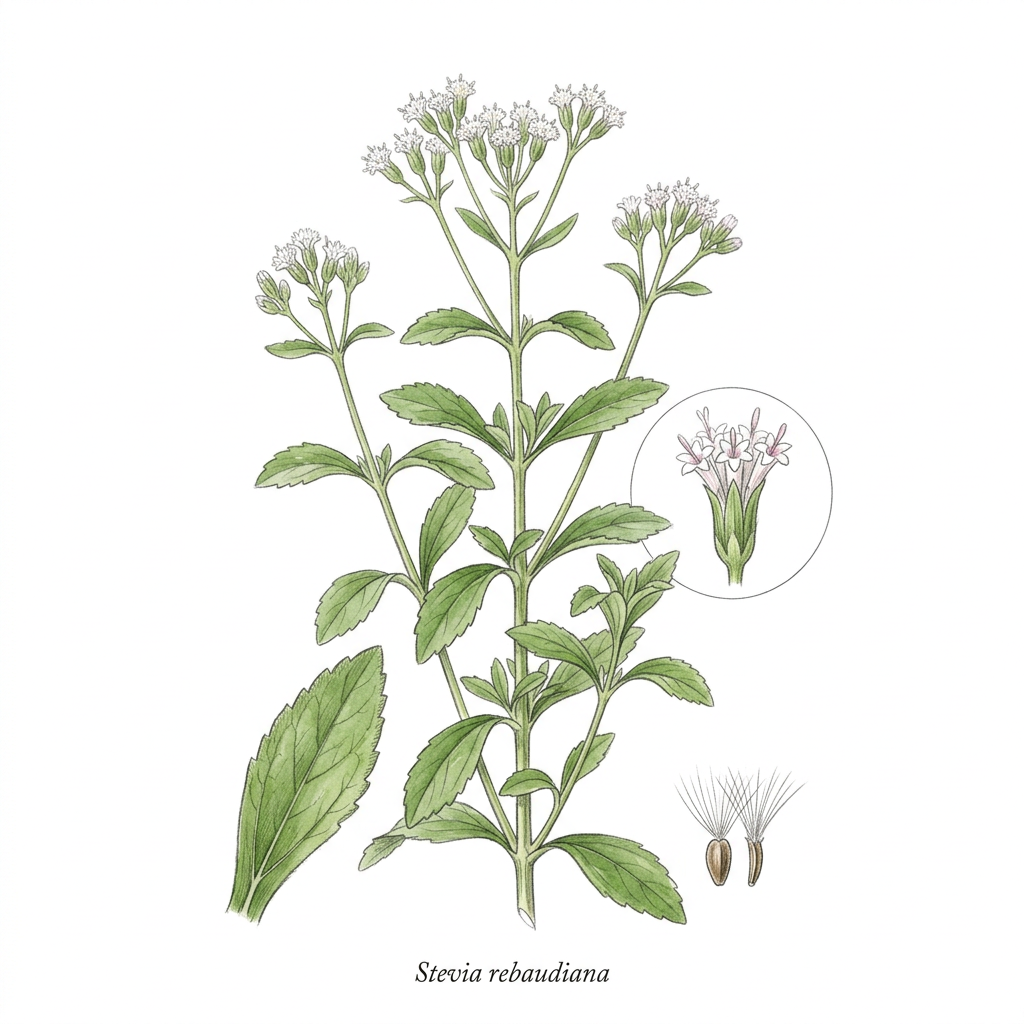
Stevia

Stevia

Stevia rebaudiana

Weight Reduction
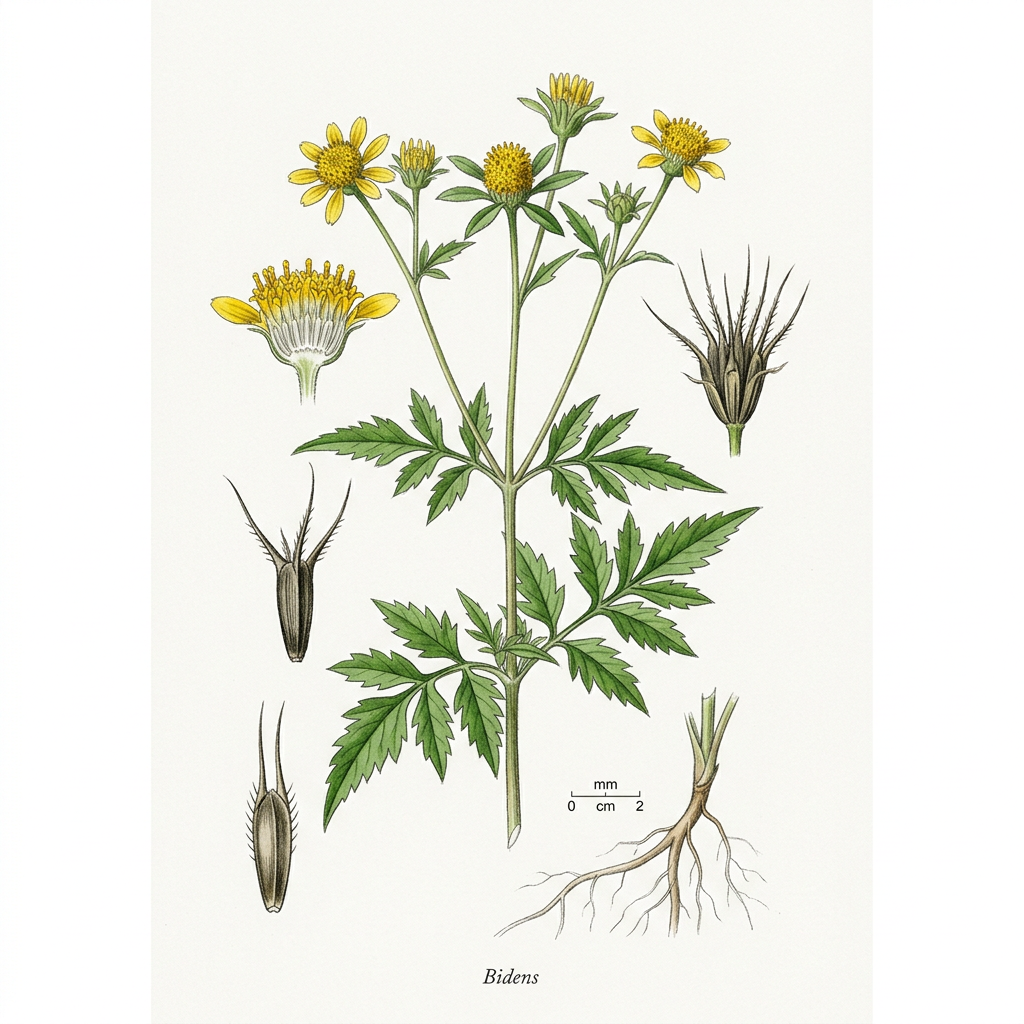
Bidens

Bidens

Bidens pilosa

Systemic Infection Support
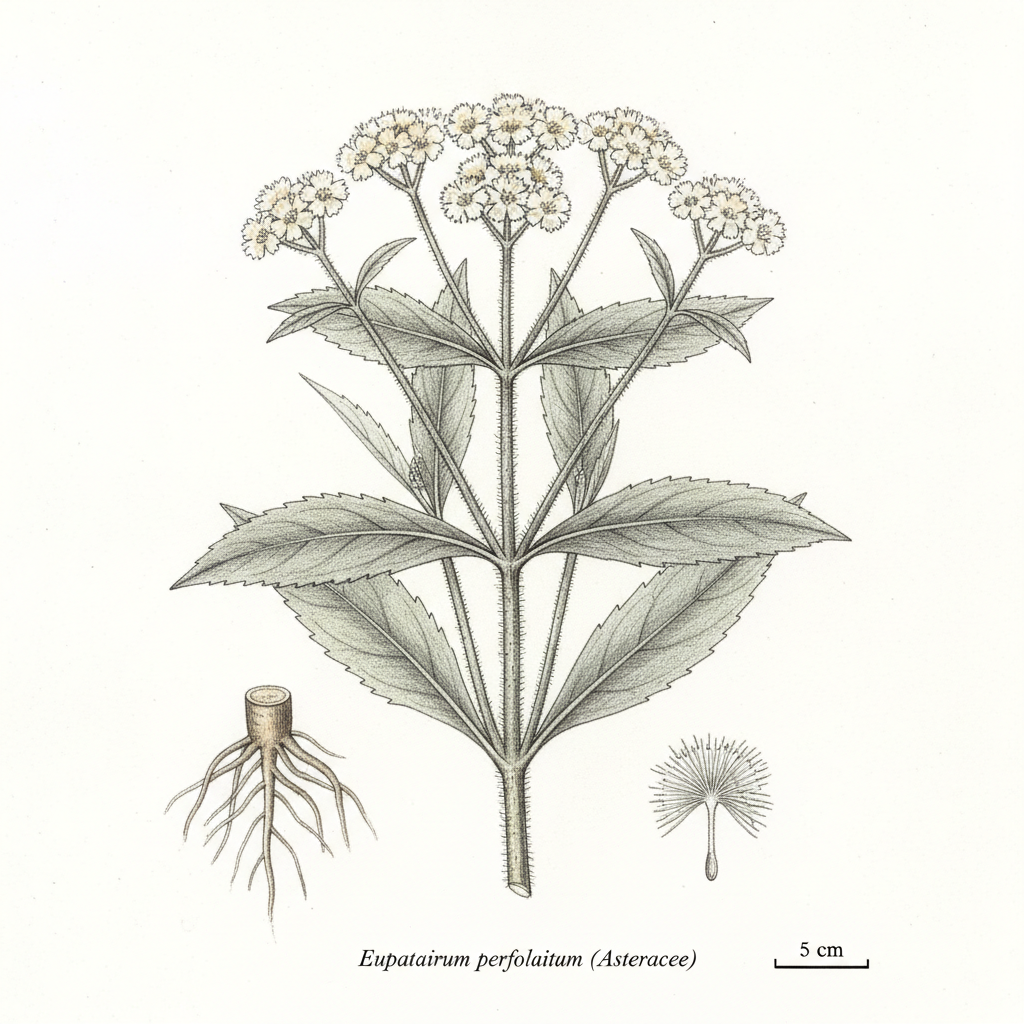
Boneset

Boneset

Eupatorium perfoliatum

Seasonal Sickness Support
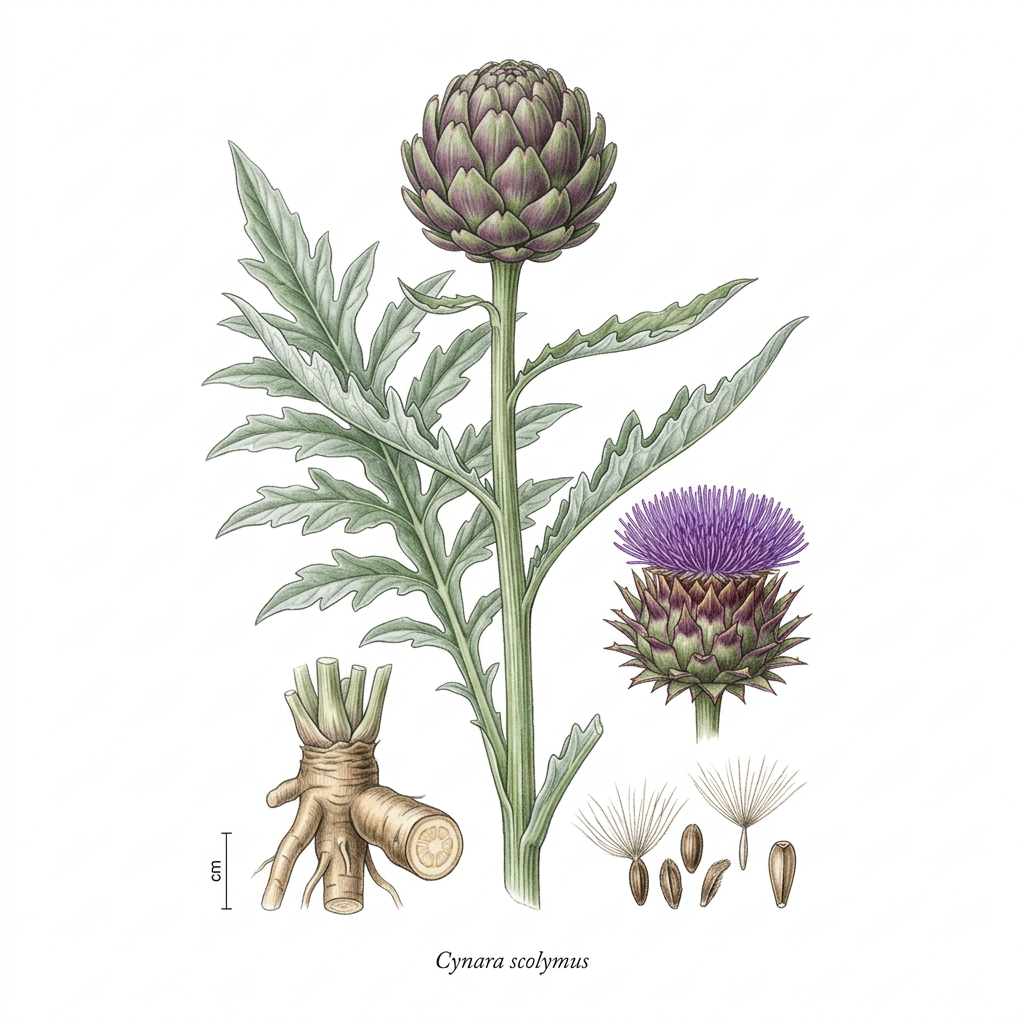
Globe artichoke

Globe artichoke

Cynara scolymus

Liver Support