The Wild Sage logo
The Wild Sage Logo

Herbal Medicine at your fingertips

Comprehensive database of herbal remedies with detailed safety information and traditional uses

New to herbal terms? Read the glossary →
ADHD
Abcess
Acid Reflux Relief
Acinetobacter
Acne
Acne Vulgaris
Addisons
Adenomyosis
Adenovirus
Adrenal fatigue
Aging
Aids
Alcaligenes faecalis
Alcoholism
Allergic Rhinitis
Allergies
Allergy
Alopoecia
Alopoecia nervosa
Alzheimer's, Dementia & Cognitive Decline
420 herbs found
Important: This information is for educational purposes only. Always consult with qualified healthcare professionals before using herbal remedies, especially if you have existing health conditions or take medications.
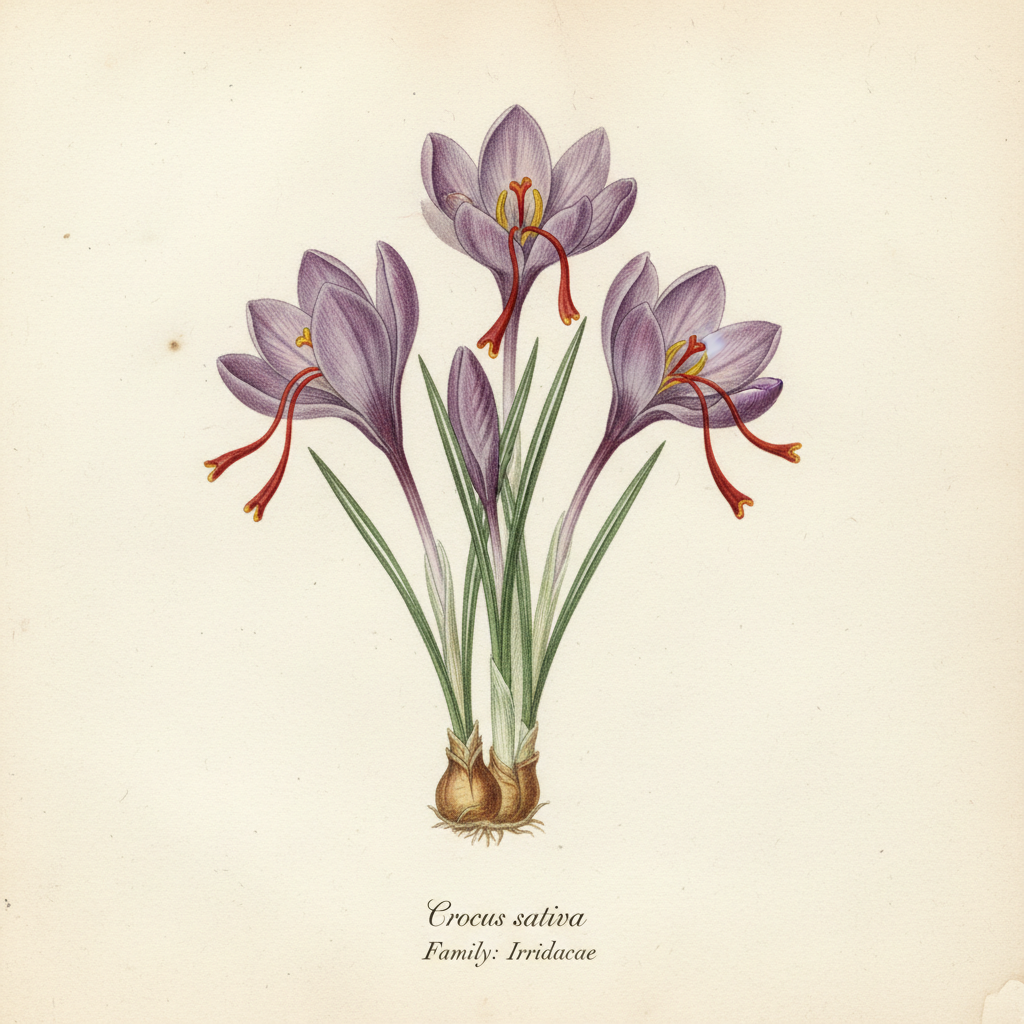
Saffron

Saffron

Crocus sativus

low risk Risk
Irridaceae
Uplifts mood, promotes joy, and alleviates stress and anxiety.
<p>Saffron, derived from the vibrant red stigmas of the Crocus sativa flower, is one of the most precious and sought-after spices in the world, renowned not only for its culinary applications but also for its rich history in herbal medicine. Believed to have originated in the Mediterranean basin, saffron has been utilized since ancient times, spanning various cultures and civilizations, including the Egyptians, Greeks, and Persians. Historically, it was prized for its numerous health benefits, often prescribed in traditional medicine systems to treat ailments ranging from digestive disorders to emotional imbalances. The iconic status of saffron is reflected not only in its unique flavor profile and vivid color but also in the intricate hand-harvesting process, where the delicate stigmas must be collected in the early morning hours before the sun rises, solidifying its reputation as a luxury herb. Saffron boasts a remarkable array of therapeutic properties, making it a multifaceted ally for health and wellness. Studies have demonstrated its efficacy as a natural anti-depressant, acting as a serotonin-norepinephrine reuptake inhibitor (SNRI), which potentially alleviates symptoms of depression and anxiety. Additionally, saffron is celebrated for its antioxidant capabilities, which combat oxidative stress by neutralizing free radicals, thus protecting cells from damage. Clinical findings support its immunomodulatory and cytoprotective effects, suggesting that saffron may enhance immune function and promote cellular health. This herbal gem also exhibits anti-hyperlipidaemic properties, contributing to cardiovascular health by helping to regulate cholesterol levels, while its hypotensive effects may aid in lowering blood pressure. Together, these attributes create a potent profile that enhances both physical and mental well-being. The therapeutic actions of saffron are attributed to its bioactive compounds, including crocin, picrocrocin, and safranal, each playing a vital role in its multifaceted benefits. Crocin, particularly, is responsible for saffron's vibrant coloration and its mood-enhancing properties, believed to exert neuroprotective effects by enhancing neurogenesis and modulating neurotransmitter activity. By influencing the balance of serotonin and other mood-related neurotransmitters, saffron not only fosters improved emotional health but may also alleviate stress and promote relaxation. Additionally, the herb's anti-allergenic and anti-inflammatory actions contribute to respiratory health, making it a valuable adjunct for managing conditions such as asthma and allergies. With its rich history and scientifically supported benefits, saffron remains at the forefront of herbal medicine, embodying a harmonious blend of tradition and modern therapeutic science.</p>

Uses & Conditions

Mood Enhancement
Emotional Balance
Depression
Anxiety Disorders
Premenstrual Syndrome
Cognitive Impairment
Alzheimer’s Disease
Stress
Anaemia
Asthma
Premature Ejaculation
Digestive Disorders

Actions

Antioxidant
Immunomodulatory
Hypotensive
Neuroprotective
Anti-Convulsant
Anti-Allergenic
Anti-Hyperlipidaemic
Cytoprotective
Anti-Tussive
Anti-Depressant
Chomprotective

Parts Used

Stigmata

Native Countries

Asia
Mediterranean
Southwest asia

USDA Hardiness Zones

USDA 6-11

Contraindications

  • Pregnancy: avoid pharmacological doses due to risk of stimulating uterine contractions.
  • Breastfeeding: avoid medicinal doses due to insufficient safety evidence.
  • Bipolar disorder: use with caution as it may trigger manic episodes.
  • Scheduled surgery: discontinue use at least two weeks prior to surgery.
  • Allergy: avoid if hypersensitive to Iridaceae family or prone to Lolium or Olea allergies.

Potential Side Effects

  • Mild gastrointestinal upset including nausea or bloating.
  • Headache or dizziness at higher doses.
  • Change in appetite or dry mouth.

Interactions

  • Anticoagulants and antiplatelet agents: may increase the risk of bruising or bleeding.
  • Antihypertensive medications: may potentiate the effects of blood pressure lowering drugs.
  • Central nervous system depressants: monitor for increased drowsiness.
  • SSRIs or SNRIs: risk of additive effects when used concurrently.

Dosages, tincture ratios & research — members only

Unlock Garreth's dosing guidance, tincture ratios, the dosage calculator and the research studies for Saffron.

Your assessment and results stay saved — upgrading only unlocks more of them.

See membership plans

Community Photos

No community photos yet. Sign in to upload photos.

Reviews & Ratings

Sign in to leave a review.

No reviews yet. Be the first!

GF

Garreth Falls — B.Th., Dip. H.M., MNIMH

Content curated and reviewed by Garreth Falls, Consultant Medical Herbalist · The Wild Sage

Medical Disclaimer: This information is for educational purposes only and is not intended as medical advice. Always consult with qualified healthcare professionals before starting any herbal treatment.
Western tradition
Ayurvedic tradition
Chinese tradition

Sustainability & quality

Cultivated

Labour-intensive cultivation results in a very high price. Adulteration with similar-looking plant parts is common; purchase only from reputable, quality-assured suppliers.

Key constituents

Crocin (carotenoid pigments), Safranal (volatile oil), Picrocrocin (bitter glycoside), Crocetin, Zeaxanthin, Lycopene, Alpha-carotene, Beta-carotene

References

  1. Bensky "Chinese Herbal Medicine: Materia Medica" 3rd ed. 2004
  2. Pole "Ayurvedic Medicine" 2006
  3. Herbal Reality. Herb monographs. herbalreality.com

Reviewed by Garreth, Medical Herbalist (MNIMH) · November 2026

Related conditions

Explore conditions where Saffron is traditionally used.

Related Herbs
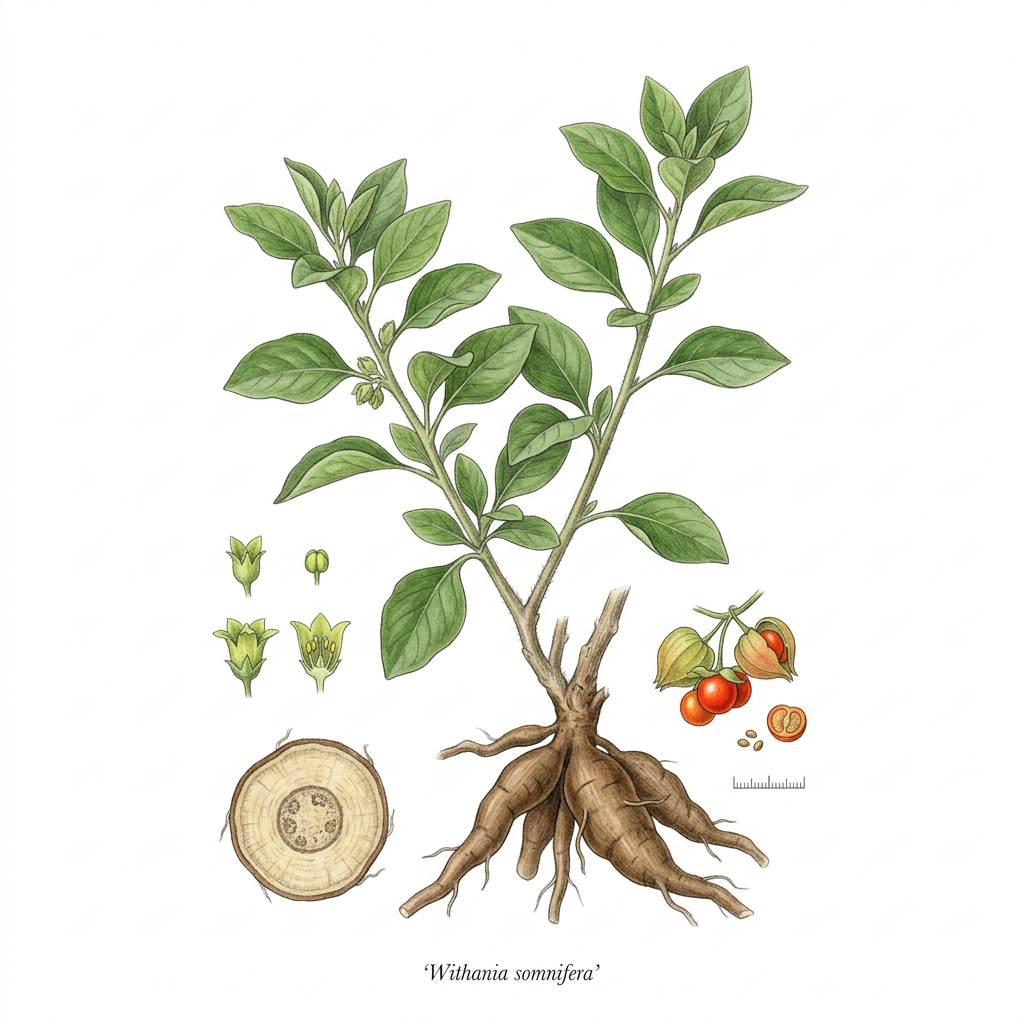
Ashwagandha

Ashwagandha

Withania somnifera

Immune Support
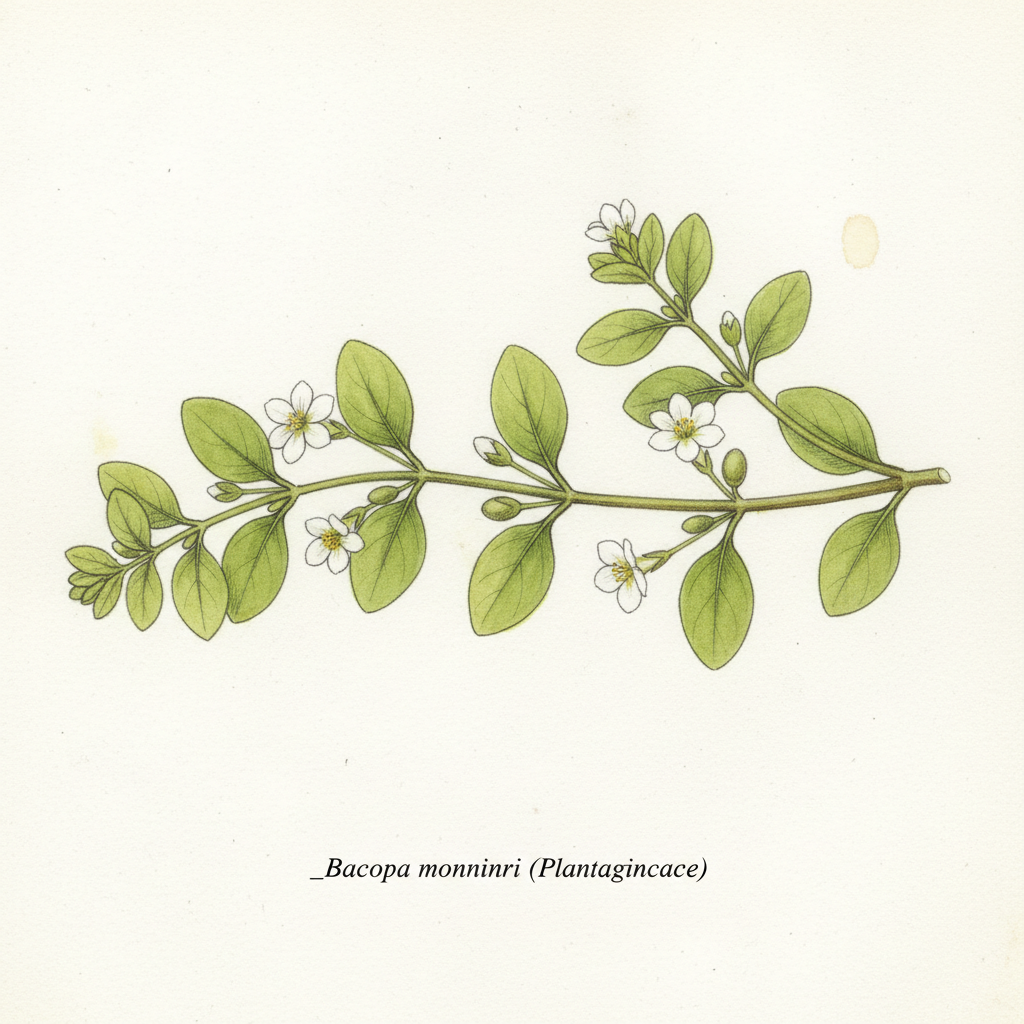
Water hyssop

Water hyssop

Bacopa monnieri

Memory Enhancement
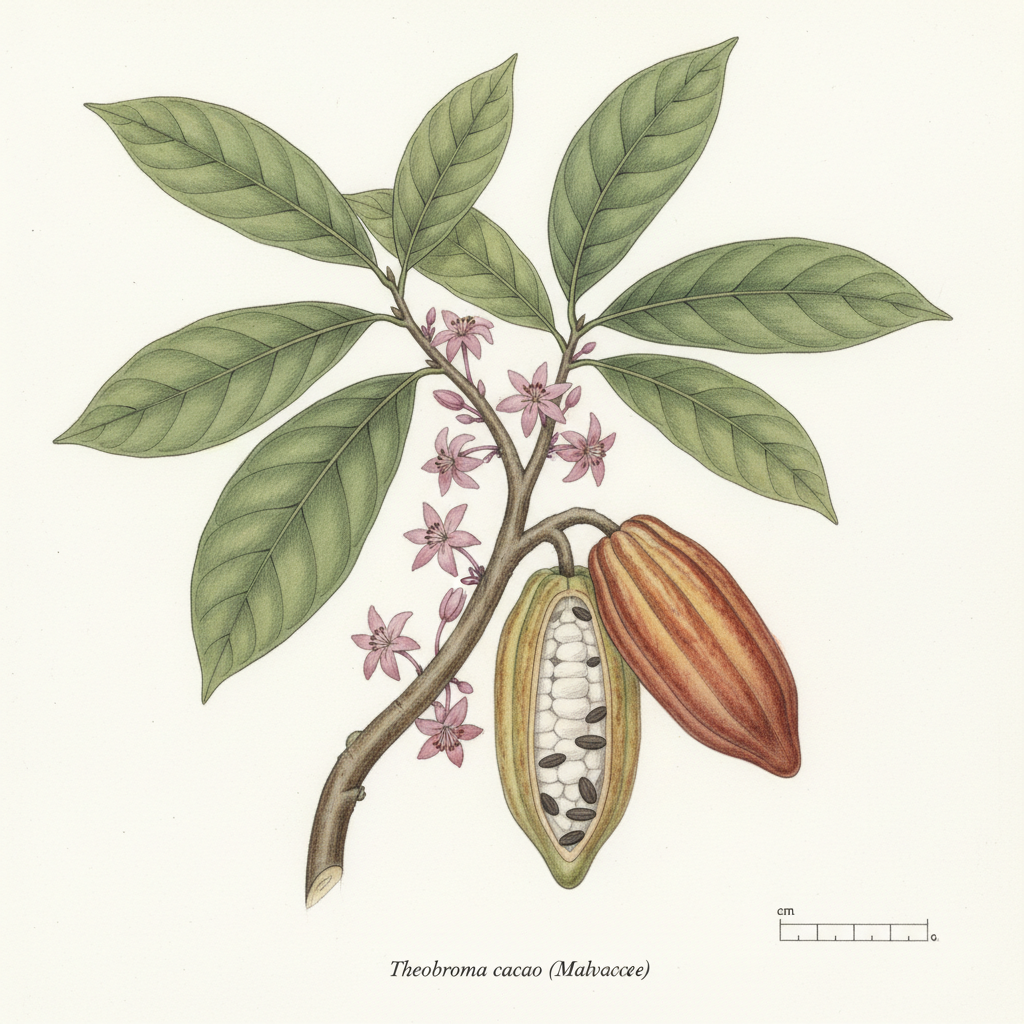
Cacao

Cacao

Theobroma cacao

Cognitive Enhancement
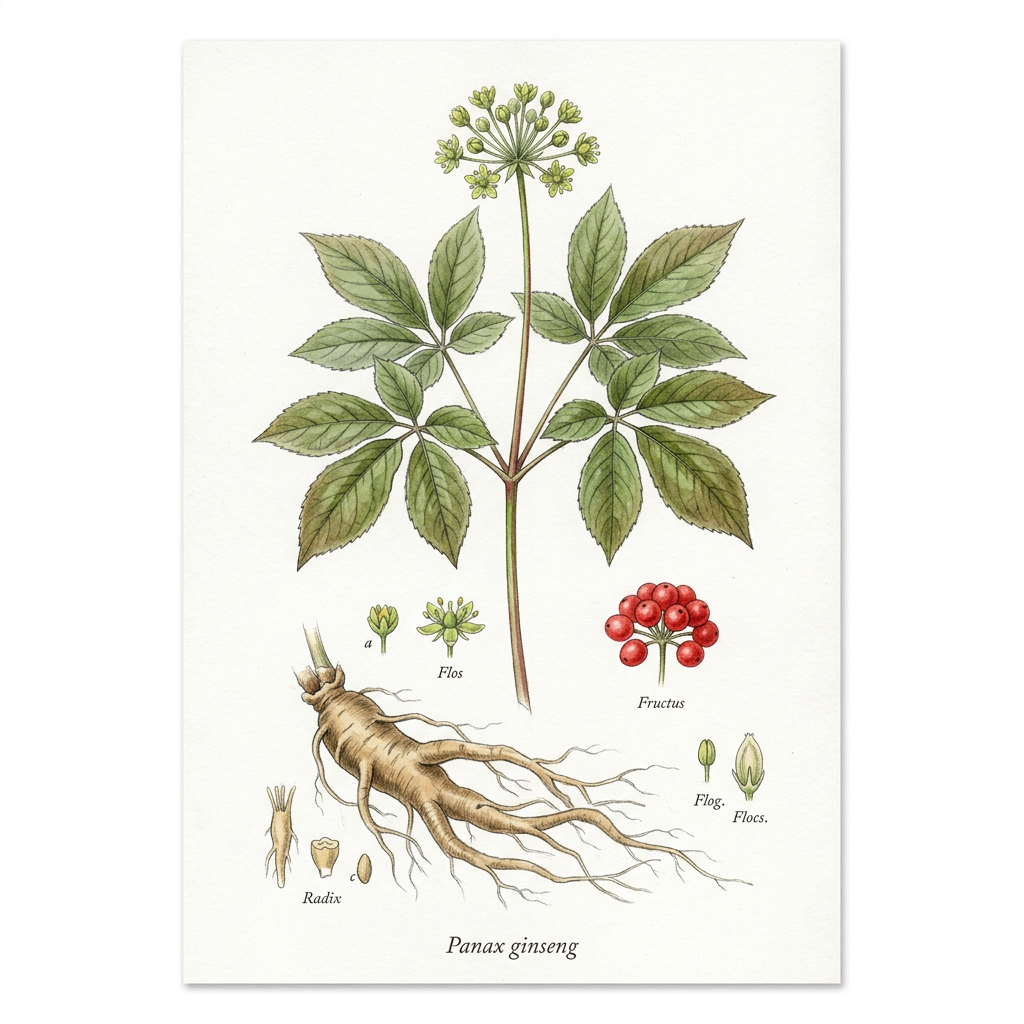
Panax ginseng

Panax ginseng

Panax ginseng

Energy Booster