The Wild Sage logo
The Wild Sage Logo

Herbal Medicine at your fingertips

Comprehensive database of herbal remedies with detailed safety information and traditional uses

New to herbal terms? Read the glossary →
ADHD
Abcess
Acid Reflux Relief
Acinetobacter
Acne
Acne Vulgaris
Addisons
Adenomyosis
Adenovirus
Adrenal fatigue
Aging
Aids
Alcaligenes faecalis
Alcoholism
Allergic Rhinitis
Allergies
Allergy
Alopoecia
Alopoecia nervosa
Alzheimer's, Dementia & Cognitive Decline
420 herbs found
Important: This information is for educational purposes only. Always consult with qualified healthcare professionals before using herbal remedies, especially if you have existing health conditions or take medications.
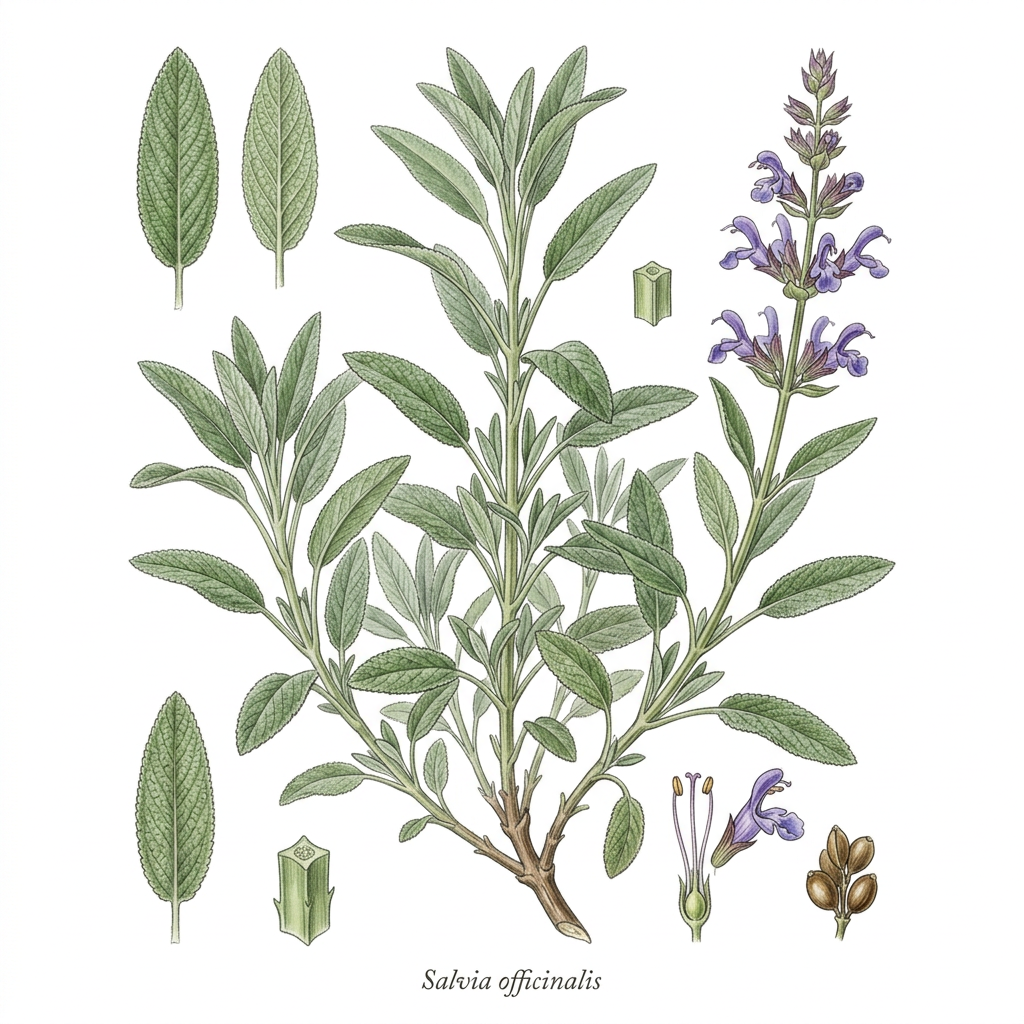
Sage

Sage

Salvia officinalis

low risk Risk
Lamiaceae
nown for its calming and purifying properties, often used to enhance mental clarity and focus while promoting emotional balance.
<p>Sage, known scientifically as Salvia officinalis, is a perennial herb belonging to the mint family (Lamiaceae). Renowned since antiquity, sage has been used by various cultures for its remarkable medicinal properties and culinary versatility. Historical texts from the Roman era highlight its importance as a remedy for various ailments, and traditional herbalists esteemed it for enhancing mental clarity and promoting emotional well-being. In medieval Europe, sage was considered a symbol of wisdom and was often employed in rituals and ceremonies, epitomizing its revered status throughout history. The name "salvia" is derived from the Latin "salvare," meaning "to save," underscoring its traditional role as a healing herb. The therapeutic benefits of sage extend far beyond its aromatic flavor; it boasts a range of pharmacological properties, including astringent, antiseptic, and anti-inflammatory effects. Sage is commonly utilized to soothe sore throats, thanks to its ability to reduce inflammation and combat pathogens. Moreover, it has gained recognition for its potential to alleviate excessive sweating (hyperhidrosis), particularly during the menopausal transition, where hormonal fluctuations often lead to changes in perspiration. Additionally, sage's calming properties render it effective as an anti-anxiety aid, helping to relieve stress and promote mental clarity. Its digestive support stems from its ability to stimulate bile production, contributing to improved digestion and the alleviation of bloating and discomfort. Sage works in the body through various bioactive compounds, including phenolic acids, flavonoids, and essential oils, which interact with neurotransmitter systems to modulate cognitive function and mood. These compounds have demonstrated antioxidant properties, protecting against cellular damage and inflammation. Sage’s astringent properties are primarily attributed to its tannin content, which helps to reduce mucous membrane irritation in the throat, while its antiseptic properties contribute to its efficacy in addressing infections. By engaging in these multifaceted actions, sage serves as a potent herbal ally, supporting both physical and mental well-being in a holistic manner. Its enduring popularity in both traditional and contemporary herbal practices underscores its value as a versatile and effective herb in the healing arts.</p>

Uses & Conditions

Antioxidant Support
Cognitive Support
Alzheimer's Disease
Anxiety Disorders
Bacterial Infections
Breast Milk Reduction
Candida
Cystic Breasts
Digestive Disorders
Dyspepsia
Hepatitis
Hyperhidrosis
Inflammatory Conditions
Laryngitis
Menstrual Disorders
Sinusitis
Sore Throat

Actions

Anxiolytic
Anti-bacterial
Digestive Aid
Hepatic
NFkB Inhibitor
TNF-a Inhibitor

Synonyms

Sage

Parts Used

Leaves
Whole plant

Native Countries

Mediterranean
Southern Europe
Western Asia

USDA Hardiness Zones

USDA 5-10

Preparations & Dosage

  • Infusion: Steep 1-2g of dried leaf in 150ml of boiling water for 10-15 minutes, taken three times daily
  • Tincture: 1:5 ratio in 45% ethanol, 1-2ml taken three times daily
  • Gargle: Infuse 2g of dried herb in 100ml of boiling water, allow to cool fully, and use as a mouth rinse up to four times daily

Maximum weekly dose: 28ml

Contraindications

  • Epilepsy
  • Pregnancy
  • Oestrogen-related cancers
  • Hypertension (essential oil only)

Potential Side Effects

  • Neurotoxicity from high doses or prolonged use of thujone-rich preparations
  • Gastrointestinal irritation
  • Reduction of breast milk supply

Interactions

  • Antidiabetic medications: potential enhancement of hypoglycaemic effects
  • Anticonvulsants: potential antagonism of effects due to thujone
  • Sedatives: potential potentiation of CNS depressants

Dosage Calculator

Community Photos

No community photos yet. Sign in to upload photos.

Reviews & Ratings

Sign in to leave a review.

No reviews yet. Be the first!

GF

Garreth Falls — B.Th., Dip. H.M., MNIMH

Content curated and reviewed by Garreth Falls, Consultant Medical Herbalist · The Wild Sage

Medical Disclaimer: This information is for educational purposes only and is not intended as medical advice. Always consult with qualified healthcare professionals before starting any herbal treatment.
Western tradition

Sustainability & quality

Abundant

Abundantly cultivated; prefer garden-grown stock over wild-harvested specimens to ensure consistent thujone profiles.

Key constituents

Anti-inflammatory, Antioxidant, Essential oil, Bitter, flavonoids, Volatile Oils, linanlyl acetate, Thujone, Salviol

References

  1. ESCOP Monographs 2nd ed. 2003
  2. EMA/HMPC Community Herbal Monograph
  3. Herbal Reality. Herb monographs. herbalreality.com

Reviewed by Garreth, Medical Herbalist (MNIMH) · November 2026

Related conditions

Explore conditions where Sage is traditionally used.

Related Herbs
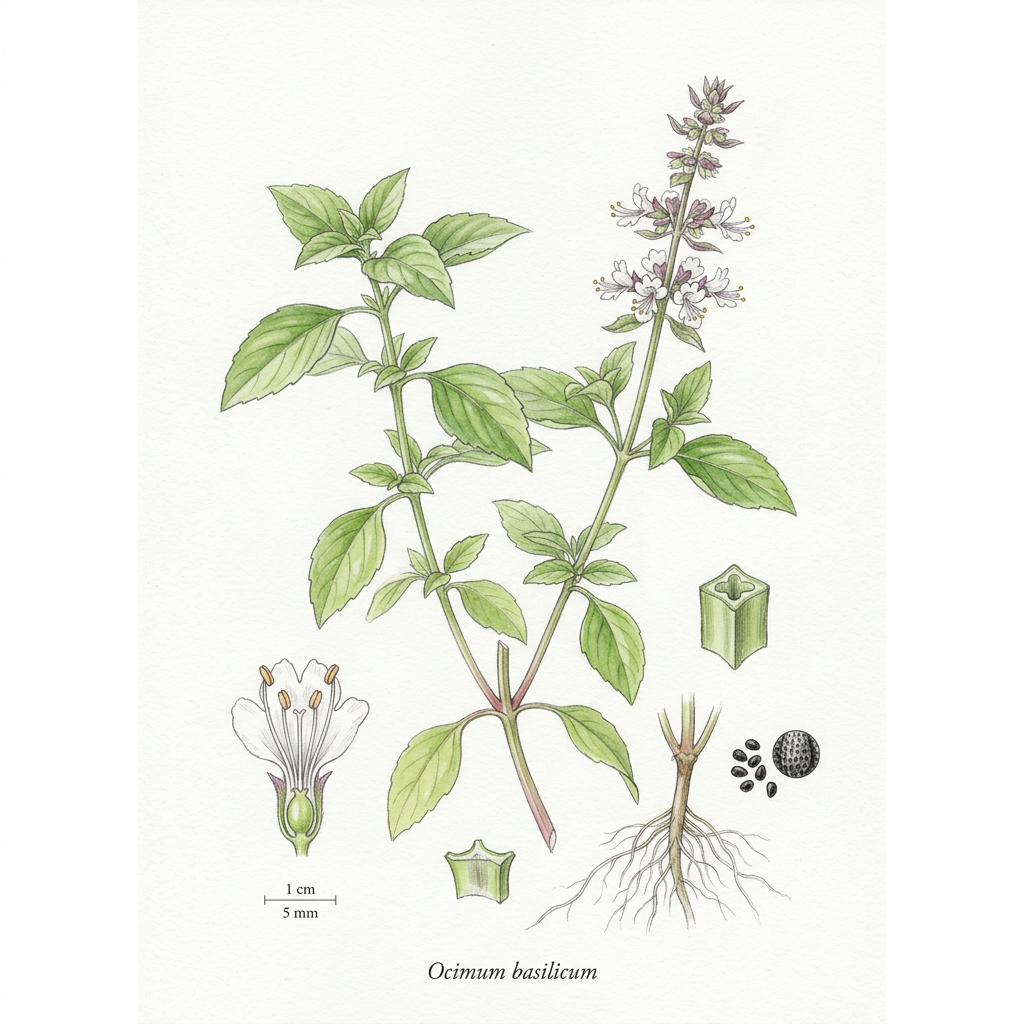
Basil

Basil

Ocimum basilicum

Convalescence
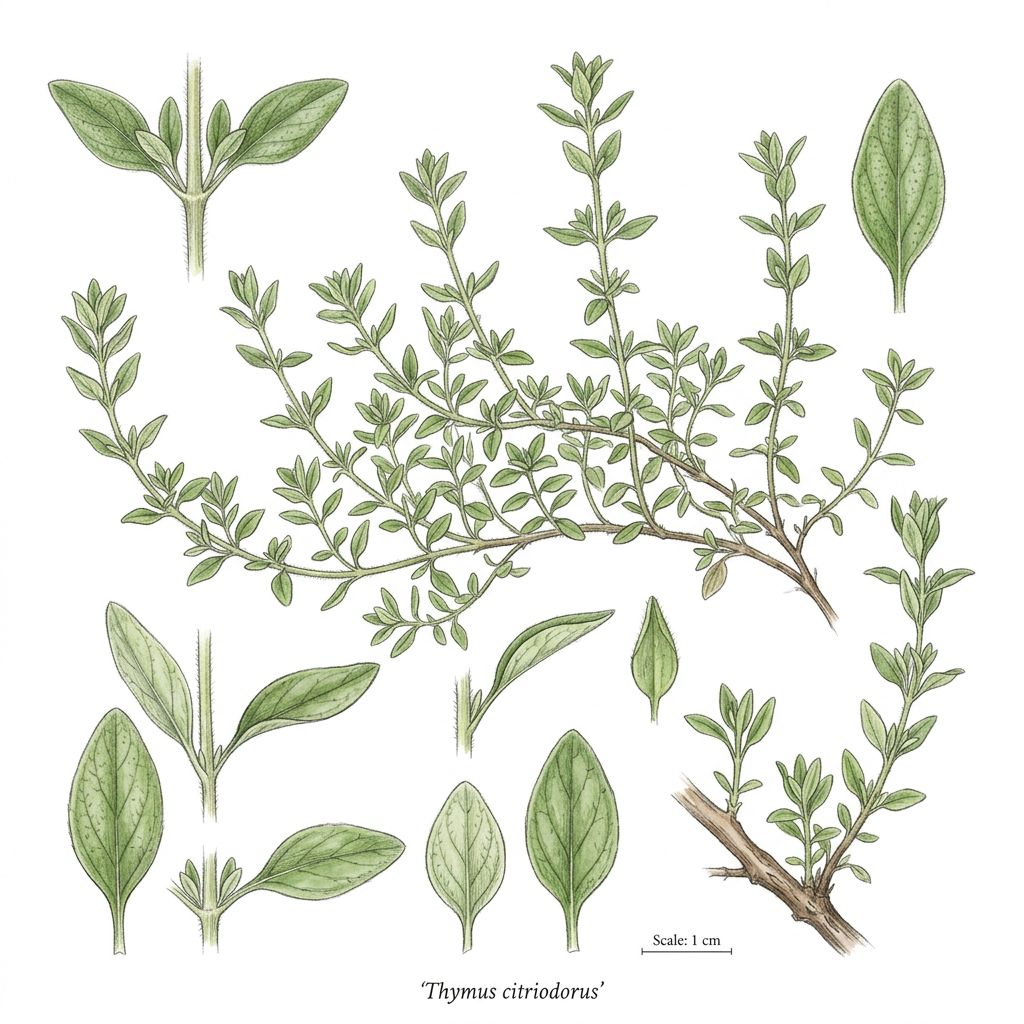
Lemon thyme

Lemon thyme

Thymus citriodorus

Appetite stimulant
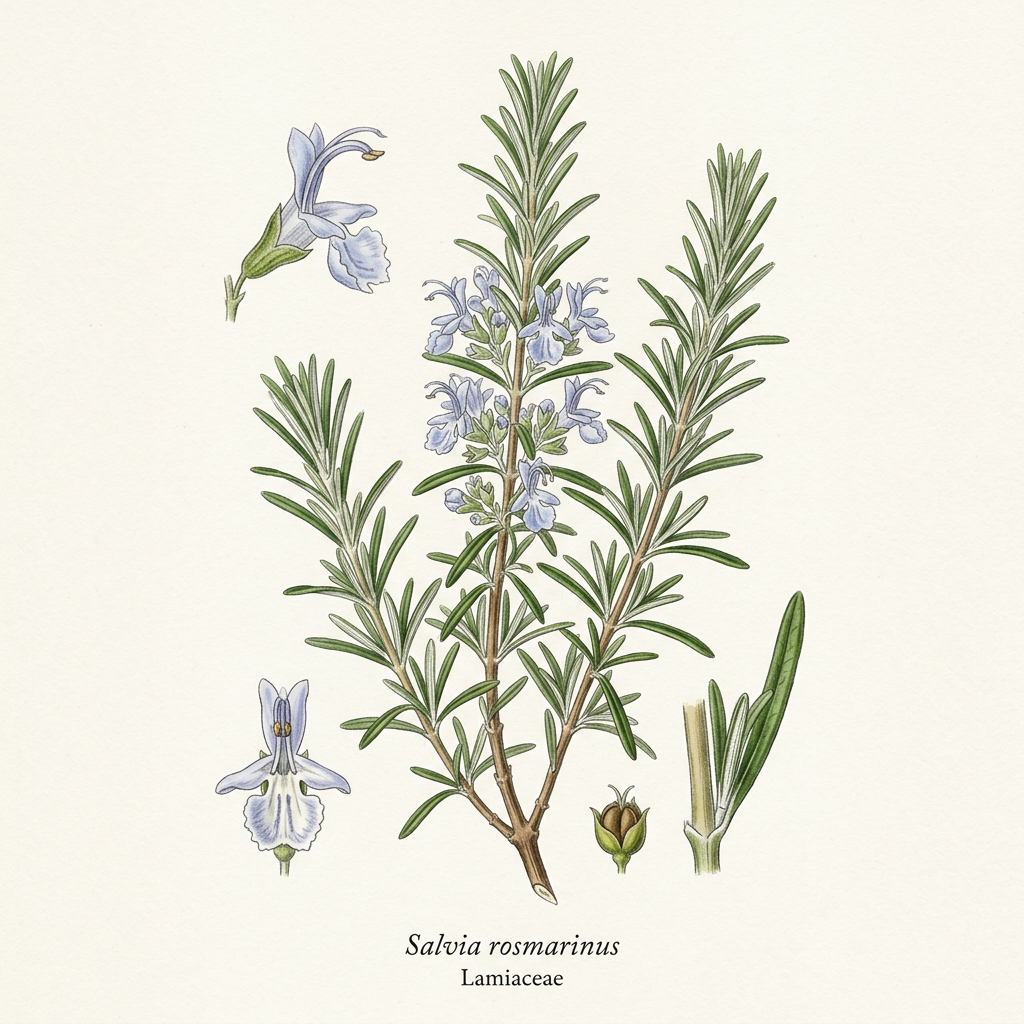
Rosemary

Rosemary

Salvia rosmarinus

Cognitive Support
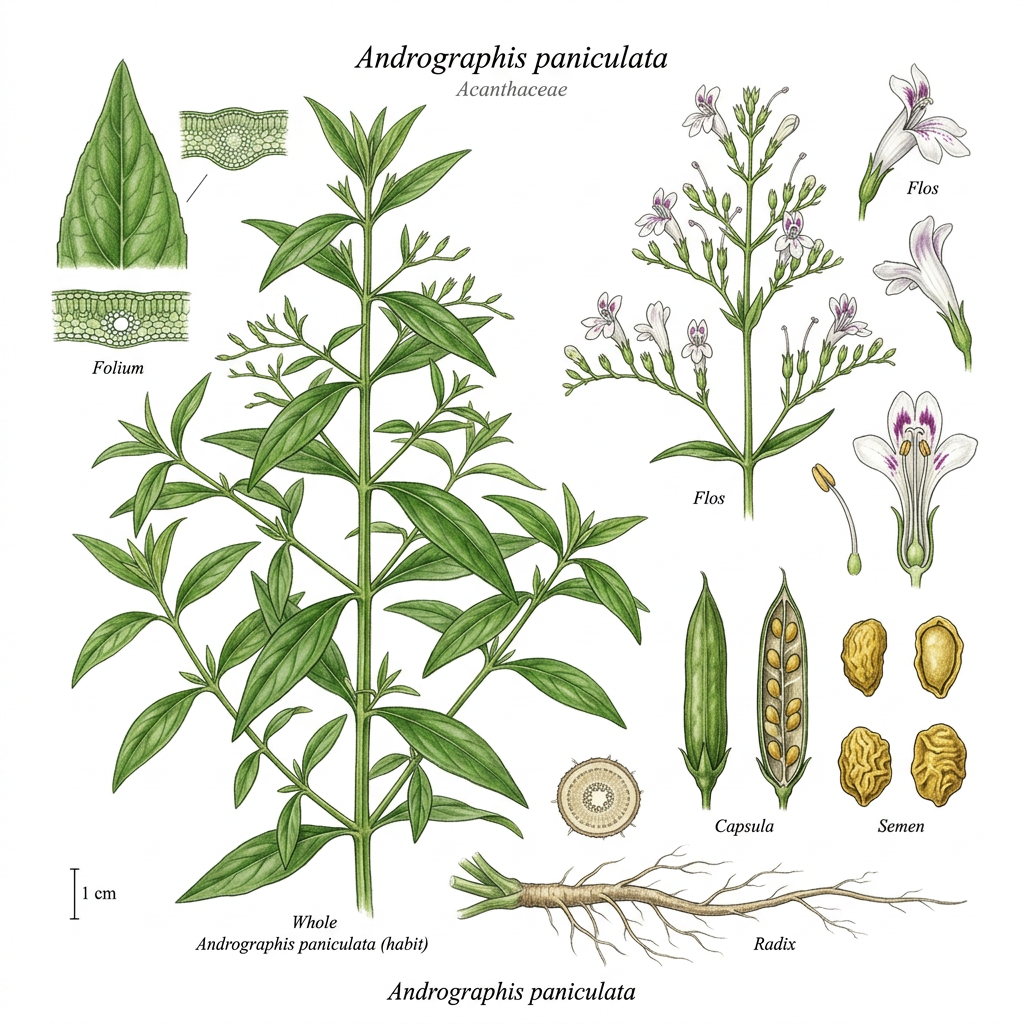
Andrographis

Andrographis

Andrographis paniculata

Immune Support