The Wild Sage logo
The Wild Sage Logo

Herbal Medicine at your fingertips

Comprehensive database of herbal remedies with detailed safety information and traditional uses

New to herbal terms? Read the glossary →
ADHD
Abcess
Acid Reflux Relief
Acinetobacter
Acne
Acne Vulgaris
Addisons
Adenomyosis
Adenovirus
Adrenal fatigue
Aging
Aids
Alcaligenes faecalis
Alcoholism
Allergic Rhinitis
Allergies
Allergy
Alopoecia
Alopoecia nervosa
Alzheimer's, Dementia & Cognitive Decline
420 herbs found
Important: This information is for educational purposes only. Always consult with qualified healthcare professionals before using herbal remedies, especially if you have existing health conditions or take medications.
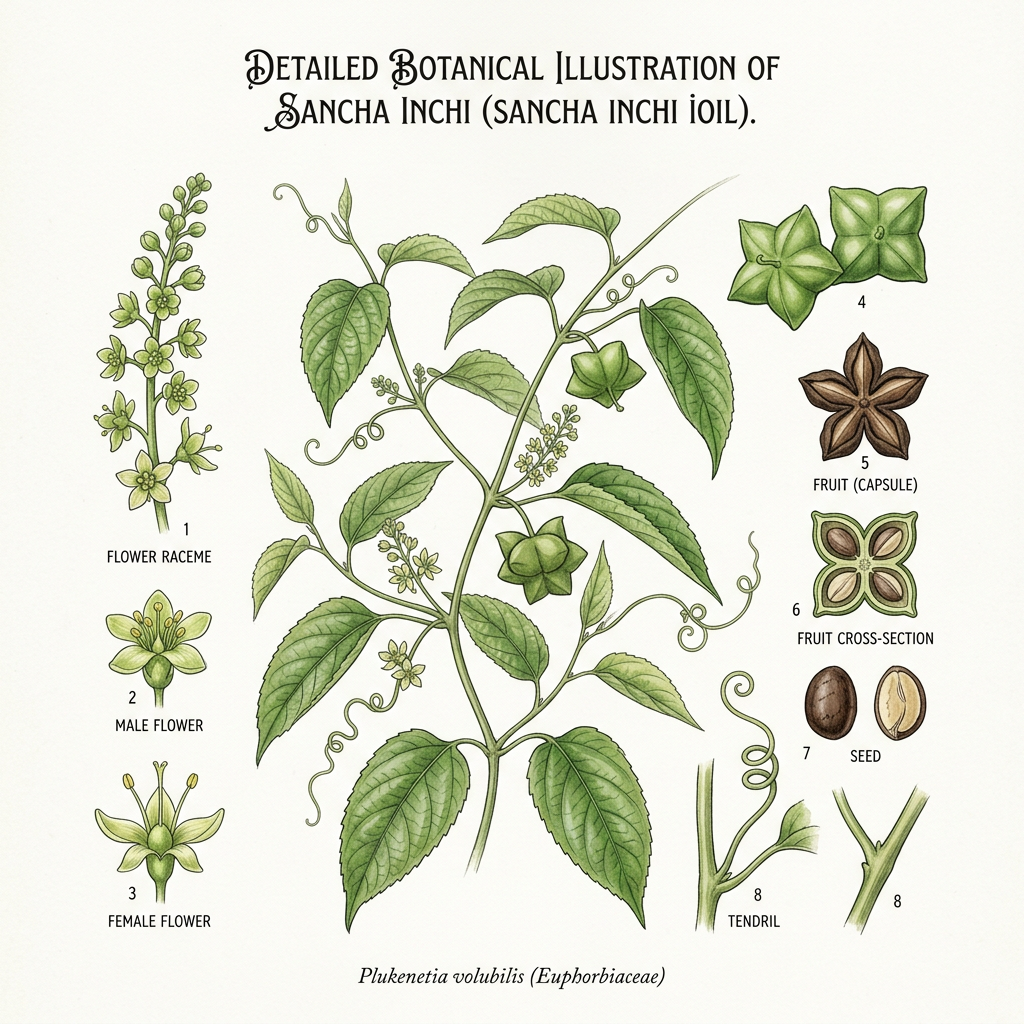
Sancha Inchi iOIl

Sancha Inchi iOIl

Sancha Inchi iOIl

low risk Risk
Euphorbiaceae
<p>Sacha Inchi (Plukenetia volubilis) is a perennial climbing plant native to the tropical rainforests of the Amazon, belonging to the Euphorbiaceae family. It is distinct for its star-shaped seed pods which contain high-protein seeds rich in essential fatty acids. The plant thrives in humid environments and is traditionally cultivated for the nutrient-dense oil extracted from its mature seeds.</p><p>Traditionally used in indigenous Amazonian cultures, Sacha Inchi seeds were historically consumed as a staple food source for sustained energy and general vitality. The oil was often employed topically as a skin conditioner to soothe irritation and as a restorative agent for hair. It remains a significant traditional crop, valued for its exceptional nutritional profile and stability compared to other unsaturated vegetable oils.</p><p>Modern research focuses heavily on the seed's impressive fatty acid profile, which includes a high ratio of alpha-linolenic acid (Omega-3), linoleic acid (Omega-6), and oleic acid (Omega-9). Studies indicate these components may support cardiovascular health and assist in modulating inflammatory responses. While initial research is promising, more clinical evidence is needed to fully establish its therapeutic potential in humans.</p><p>In contemporary herbal practice, Sacha Inchi is primarily used as a functional food and nutritional supplement rather than a potent botanical medicine. It is often recommended to support healthy lipid profiles, improve skin integrity through topical use, and provide a vegetarian source of essential fatty acids for those with dietary deficiencies.</p>

Uses & Conditions

Nutritional Supplementation
Digestive Health
Immune Support
Skin Health
Cardiovascular Health
Weight Management
Antioxidant Protection
Fatigue Reduction
Metabolic Support
Hormonal Balance
Stress Relief
Mood Enhancement
Bone Health
Respiratory Health
Wound Healing
Joint Pain
Inflammation
Metabolic Syndrome

Actions

COX-2 Inhibitor
Anti-bacterial
Hepatoprotective

Parts Used

Seeds
Cold-pressed oil derived from seeds

Native Countries

Peru
Brazil
Colombia
Ecuador
Bolivia

USDA Hardiness Zones

10
11

Contraindications

  • Pregnancy and breastfeeding: Safety not adequately established; caution is advised
  • Pre-surgery: Discontinue use at least two weeks before elective procedures due to potential antiplatelet effects
  • Known allergy to Euphorbiaceae species
  • Bleeding disorders: Use with caution in patients with diagnosed coagulation issues

Potential Side Effects

  • Mild gastrointestinal discomfort such as bloating or loose stools if consumed in excessive quantities
  • Topical irritation in individuals with highly sensitive skin or existing dermatitis

Interactions

  • Anticoagulants and antiplatelets: High omega-3 levels may potentiate blood-thinning medications and increase bleeding risk
  • Cardiovascular medications: Consult a practitioner when combining high-dose seed oils with prescription cardiovascular medicines

Dosages, tincture ratios & research — members only

Unlock Garreth's dosing guidance, tincture ratios, the dosage calculator and the research studies for Sancha Inchi iOIl.

Your assessment and results stay saved — upgrading only unlocks more of them.

See membership plans

Community Photos

No community photos yet. Sign in to upload photos.

Reviews & Ratings

Sign in to leave a review.

No reviews yet. Be the first!

GF

Garreth Falls — B.Th., Dip. H.M., MNIMH

Content curated and reviewed by Garreth Falls, Consultant Medical Herbalist · The Wild Sage

Medical Disclaimer: This information is for educational purposes only and is not intended as medical advice. Always consult with qualified healthcare professionals before starting any herbal treatment.
Western tradition

Sustainability & quality

Cultivated

Mainly grown in South America; ensure organic sourcing to avoid pesticide residues in the oil.

Key constituents

Omega-3 fatty acids (alpha-linolenic acid), Omega-6 fatty acids (linoleic acid), Protein, -Antioxidants, Vitamin E, Phytosterols, Dietary fiber

References

  1. Herbal Reality. Herb monographs. herbalreality.com

Reviewed by Garreth, Medical Herbalist (MNIMH) · November 2026

Related conditions

Explore conditions where Sancha Inchi iOIl is traditionally used.

Related Herbs
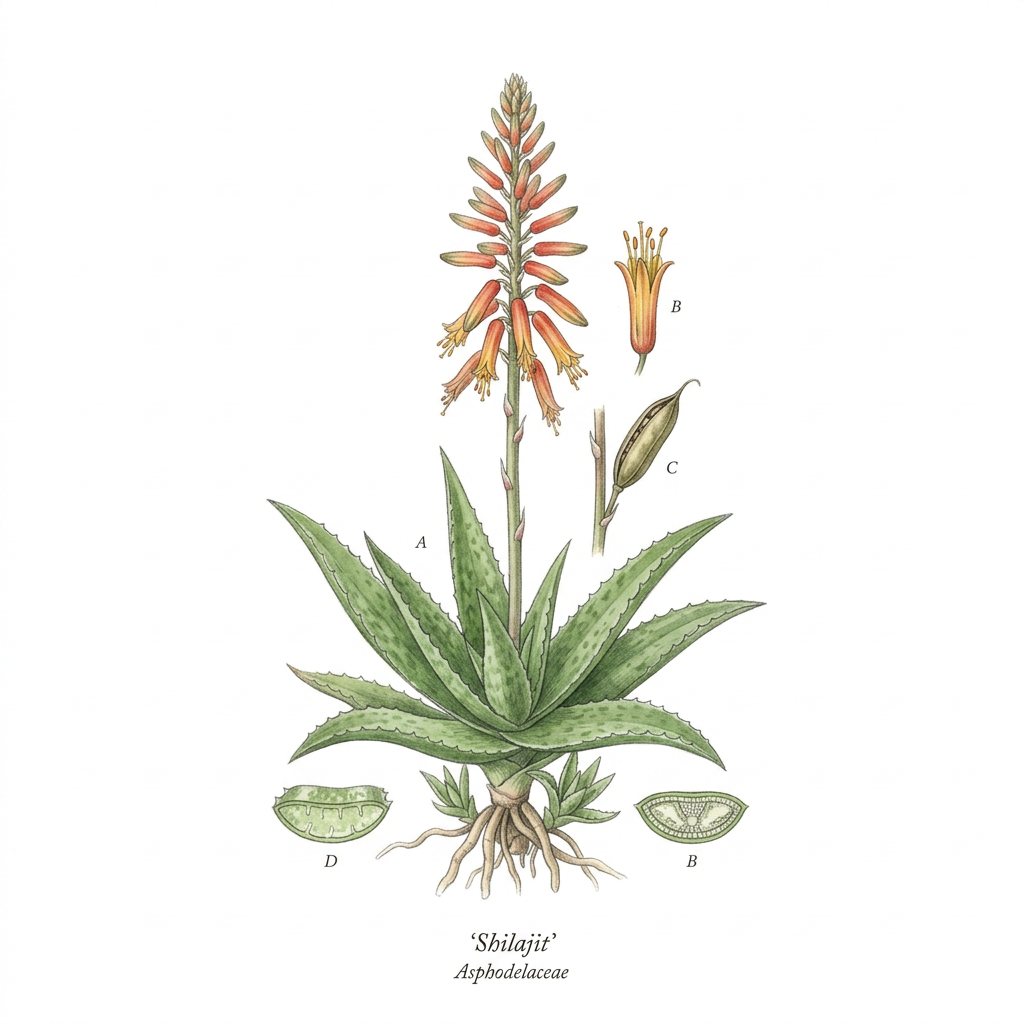
Shilajit

Shilajit
Shilajit

Energy Enhancement
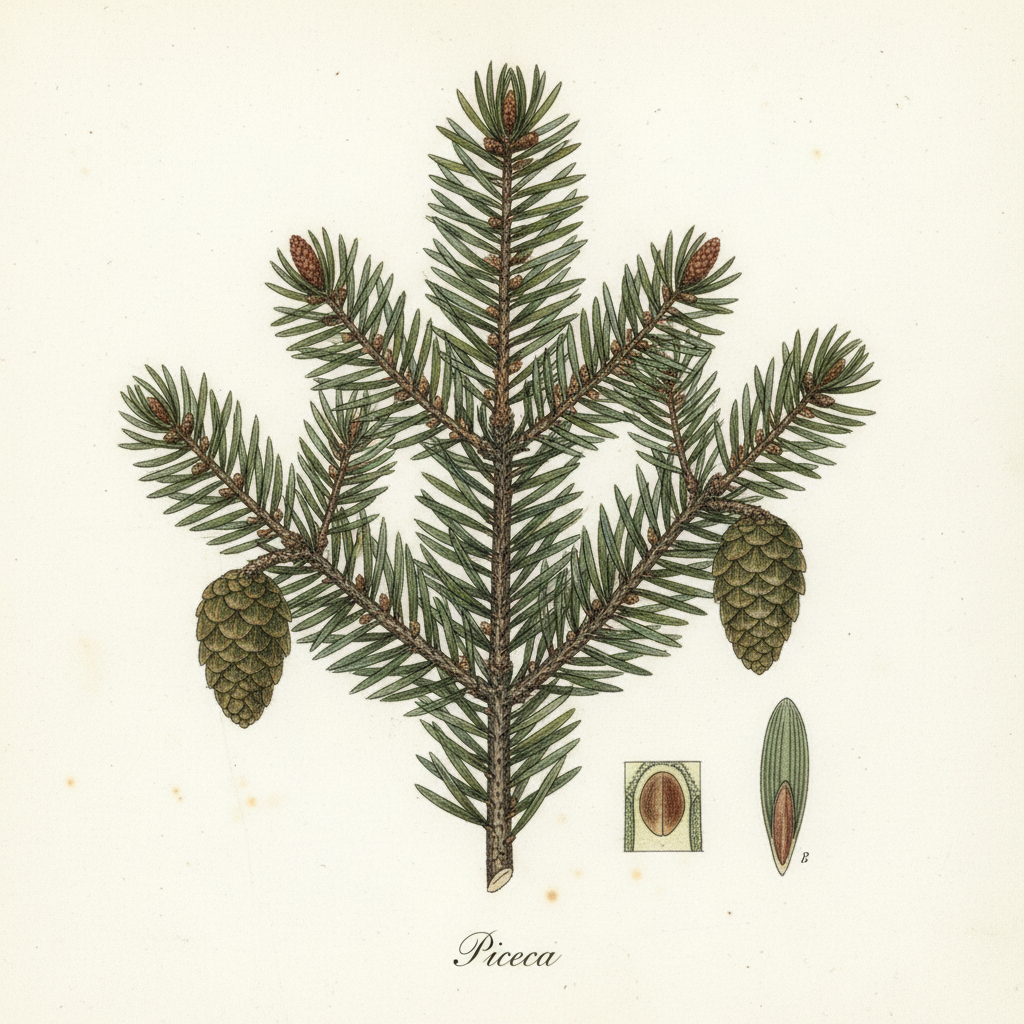
Spruce

Spruce

Spruce

Immune Support
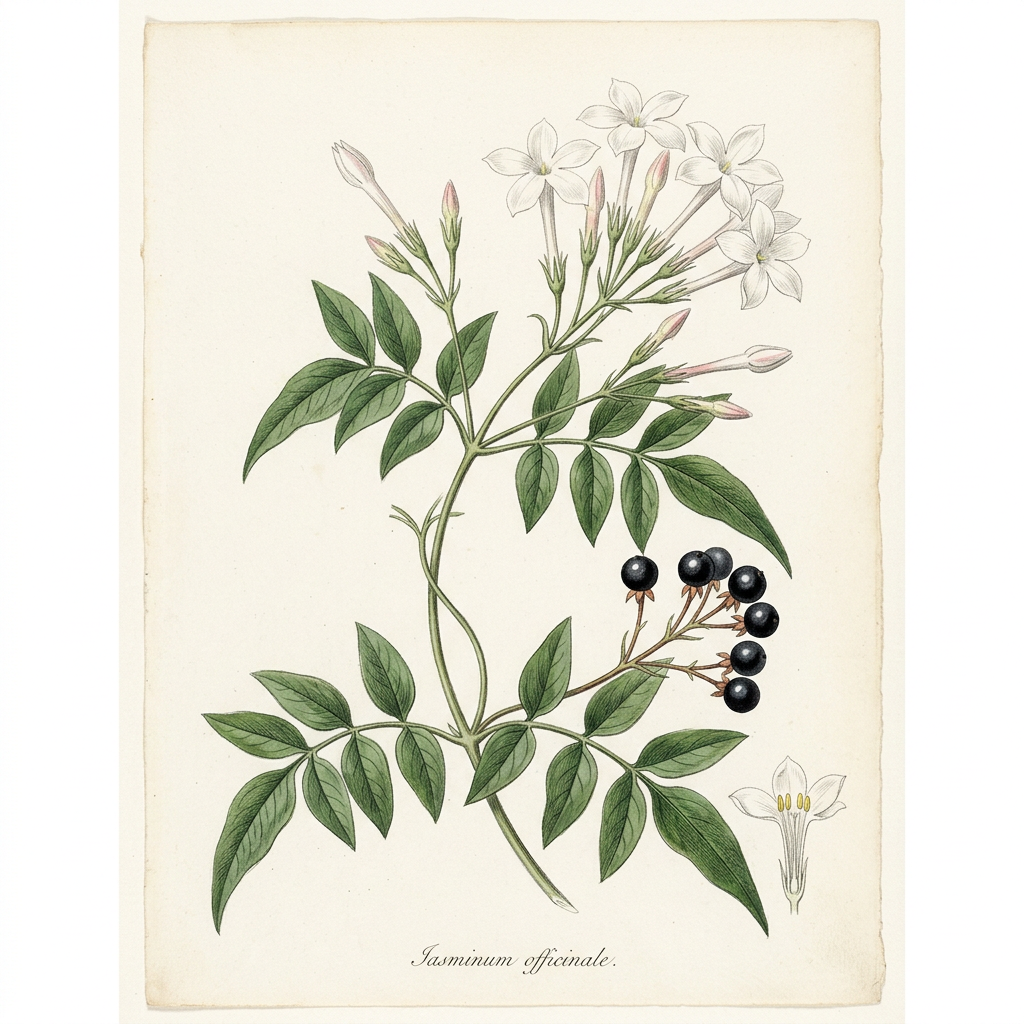
Jasmine

Jasmine

Jasminum spp.

Anxiety
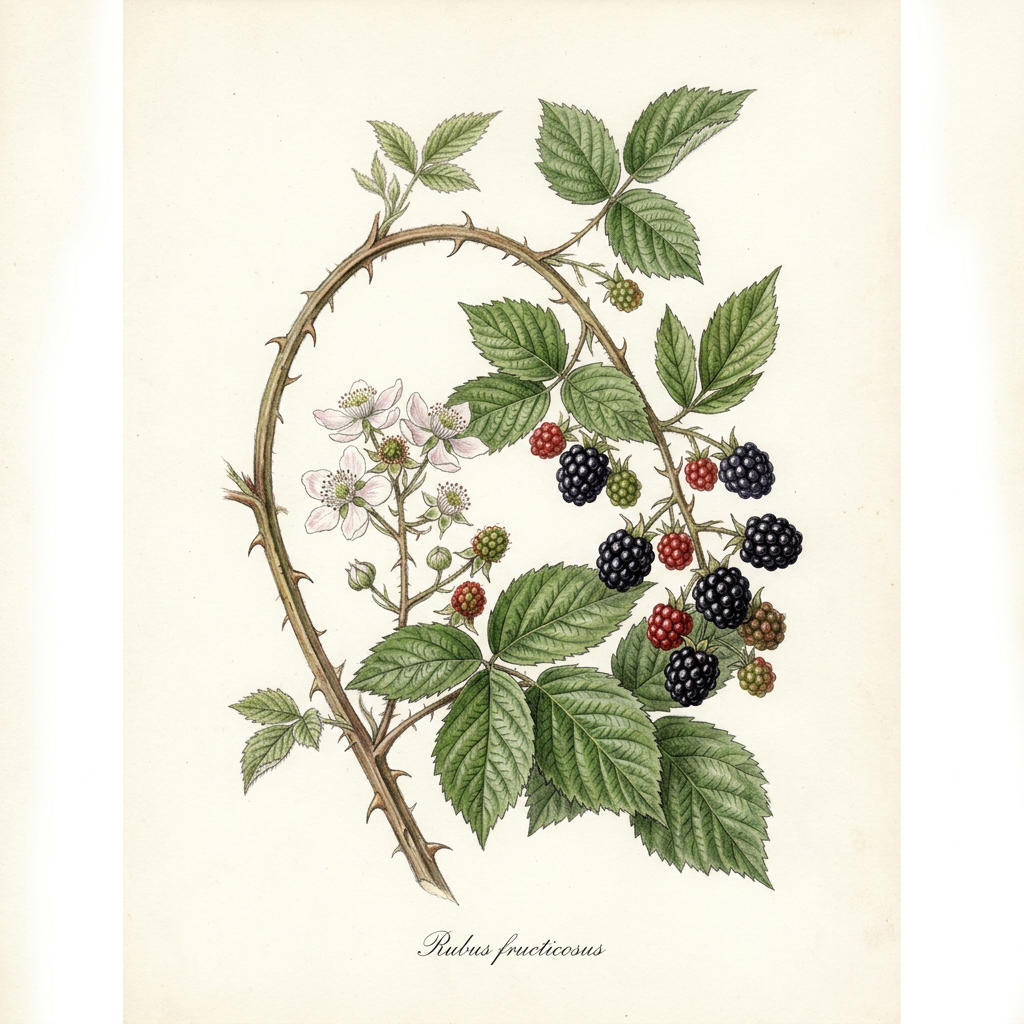
Rubus fruticosus

Rubus fruticosus

Rubus fruticosus

Antioxidant Defence