The Wild Sage logo
The Wild Sage Logo

Herbal Medicine at your fingertips

Comprehensive database of herbal remedies with detailed safety information and traditional uses

New to herbal terms? Read the glossary →
ADHD
Abcess
Acid Reflux Relief
Acinetobacter
Acne
Acne Vulgaris
Addisons
Adenomyosis
Adenovirus
Adrenal fatigue
Aging
Aids
Alcaligenes faecalis
Alcoholism
Allergic Rhinitis
Allergies
Allergy
Alopoecia
Alopoecia nervosa
Alzheimer's, Dementia & Cognitive Decline
420 herbs found
Important: This information is for educational purposes only. Always consult with qualified healthcare professionals before using herbal remedies, especially if you have existing health conditions or take medications.
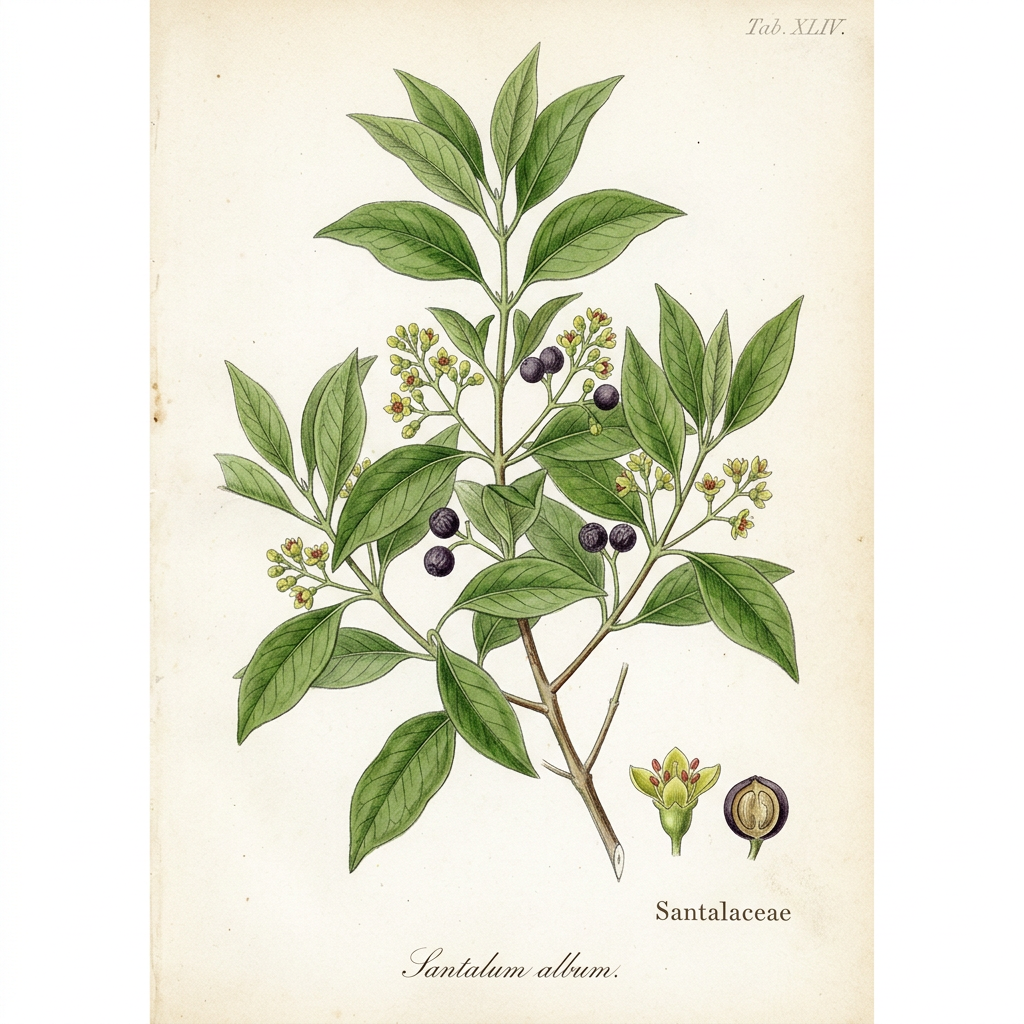
Sandalwood

Sandalwood

Sandalwood

low risk Risk
Santalaceae
<p>Santalum album, the Indian Sandalwood tree, is a small to medium-sized hemiparasitic evergreen belonging to the Santalaceae family. It is distinct for its slow growth and aromatic heartwood, which is highly prized for its dense oil content. The plant relies on the roots of other trees to derive nutrients, a fascinating botanical adaptation that contributes to its unique chemical profile.</p><p>Historically, Sandalwood has been central to Ayurvedic and traditional Chinese practices for millennia, valued primarily as a cooling, soothing agent. It has been extensively used in religious ceremonies and traditional skin care due to its grounding scent and astringent properties. The heartwood was traditionally decocted or ground into a paste to address skin irritation and febrile conditions, reflecting its reputation as a substance that clears heat and dampness.</p><p>Modern research into the essential oil, specifically its alpha- and beta-santalol content, highlights its potential for anti-inflammatory and antiseptic activities. While clinical evidence remains limited regarding its systemic internal use, it is frequently employed in contemporary herbal practice to support the urinary tract and as an inhalant to soothe the respiratory system. It is also highly regarded in topical applications for its ability to calm sensitive or inflamed skin conditions.</p><p>In clinical practice, Sandalwood is seldom used as a primary stand-alone herb, but rather as an elegant adjunct to support blends. It is particularly valued by practitioners for its aromatic profile, which can aid in calming the nervous system, and for its mild antiseptic qualities in formulations intended for respiratory or topical skin support.</p>

Uses & Conditions

Anxiety Relief
Stress Management
Relaxation
Immune Support
Mental Clarity
Focus Enhancement
Mood Enhancement
Skin Ailments
Digestive Disorders
Respiratory Issues
Insomnia

Actions

Aromatic
Calming
Relaxant
Anti-inflammatory
Antimicrobial
GABA Receptor Enhancer
NFkB Inhibitor
TNF-a Reducer

Parts Used

Heartwood
Essential oil derived from the heartwood

Native Countries

India
Australia
Hawaii
Indonesia
Thailand

USDA Hardiness Zones

10
11

Contraindications

  • Pregnancy: Avoid essential oil use due to potential emmenagogue activity
  • Breastfeeding: Avoid concentrated forms due to lack of safety data
  • Kidney disease: Long-term internal use may irritate the renal system
  • Allergy to Santalum species

Potential Side Effects

  • Dermatitis upon topical application in sensitive individuals
  • Gastrointestinal upset if consumed in high doses
  • Mild renal irritation with prolonged internal use

Interactions

  • Diuretics: Potential additive effect on fluid excretion
  • Prescription medicines: Use caution due to potential drug interactions

Dosages, tincture ratios & research — members only

Unlock Garreth's dosing guidance, tincture ratios, the dosage calculator and the research studies for Sandalwood.

Your assessment and results stay saved — upgrading only unlocks more of them.

See membership plans

Community Photos

No community photos yet. Sign in to upload photos.

Reviews & Ratings

Sign in to leave a review.

No reviews yet. Be the first!

GF

Garreth Falls — B.Th., Dip. H.M., MNIMH

Content curated and reviewed by Garreth Falls, Consultant Medical Herbalist · The Wild Sage

Medical Disclaimer: This information is for educational purposes only and is not intended as medical advice. Always consult with qualified healthcare professionals before starting any herbal treatment.
Ayurvedic tradition
Chinese tradition

Sustainability & quality

At risk

Subject to over-exploitation; ensure supply is from sustainable plantation programs and verify species authenticity.

Key constituents

Alpha-santalol, Beta-santalol, Santalenes, Santalyl acetate, Terpineol

References

  1. Bensky "Chinese Herbal Medicine: Materia Medica" 3rd ed. 2004
  2. Pole "Ayurvedic Medicine" 2006
  3. Herbal Reality. Herb monographs. herbalreality.com

Reviewed by Garreth, Medical Herbalist (MNIMH) · November 2026

Related conditions

Explore conditions where Sandalwood is traditionally used.

Related Herbs
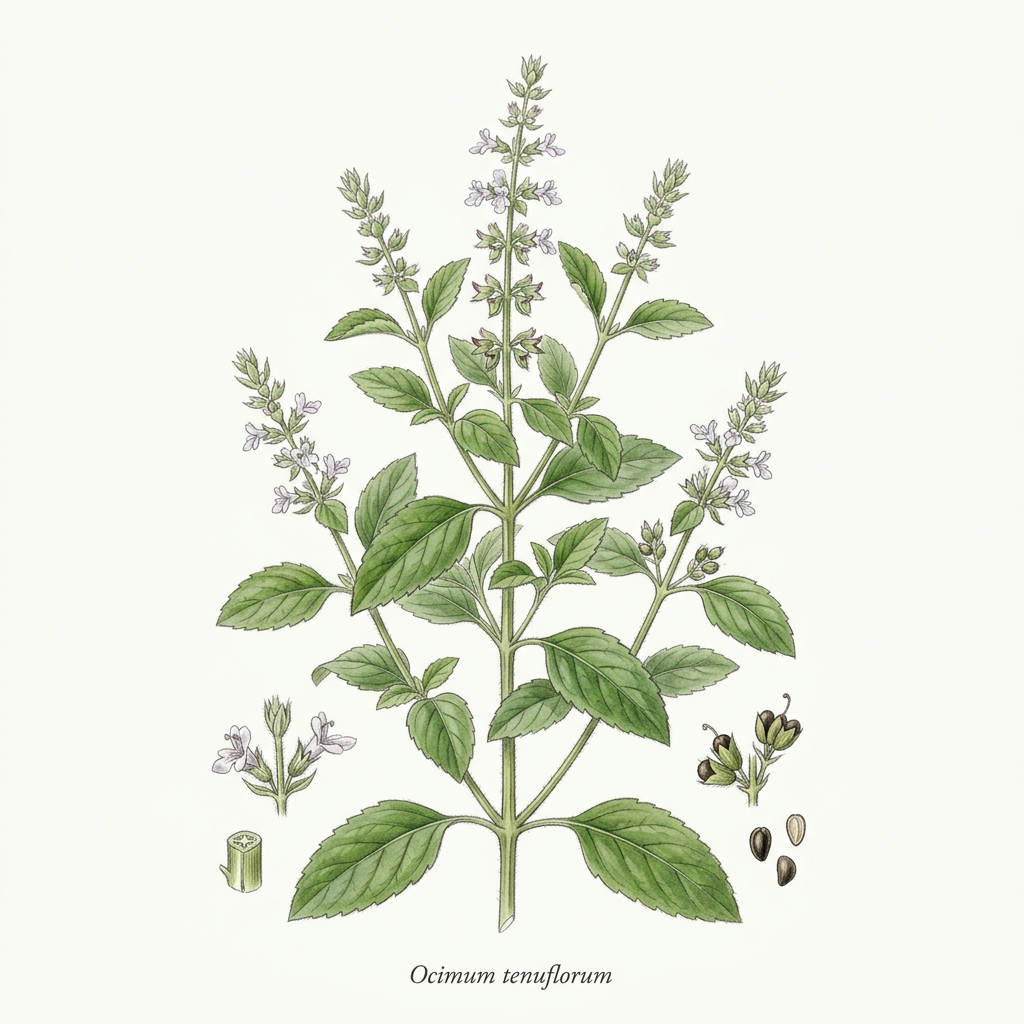
Tulsi

Tulsi

Ocimum tenuiflorum

Stress Management
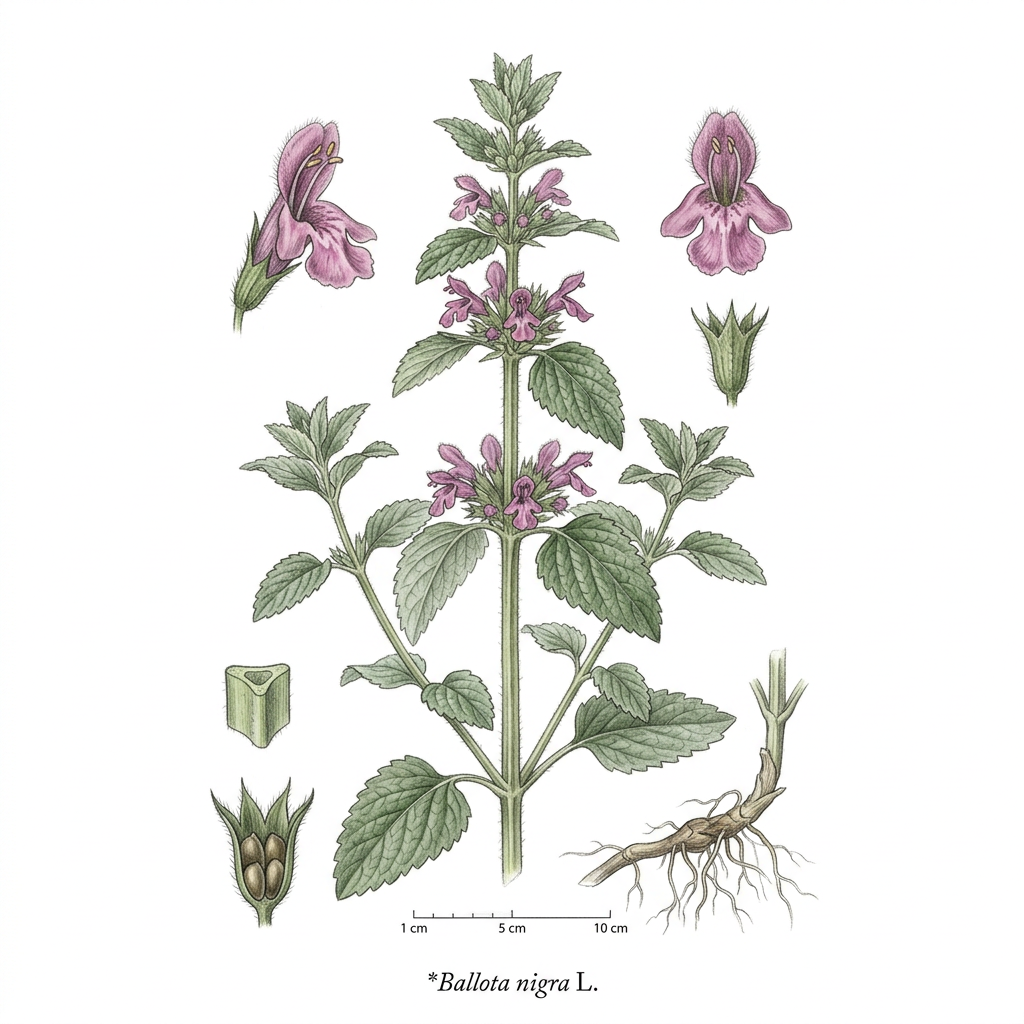
Black Horehound

Black Horehound

Ballota nigra

Digestive Aid
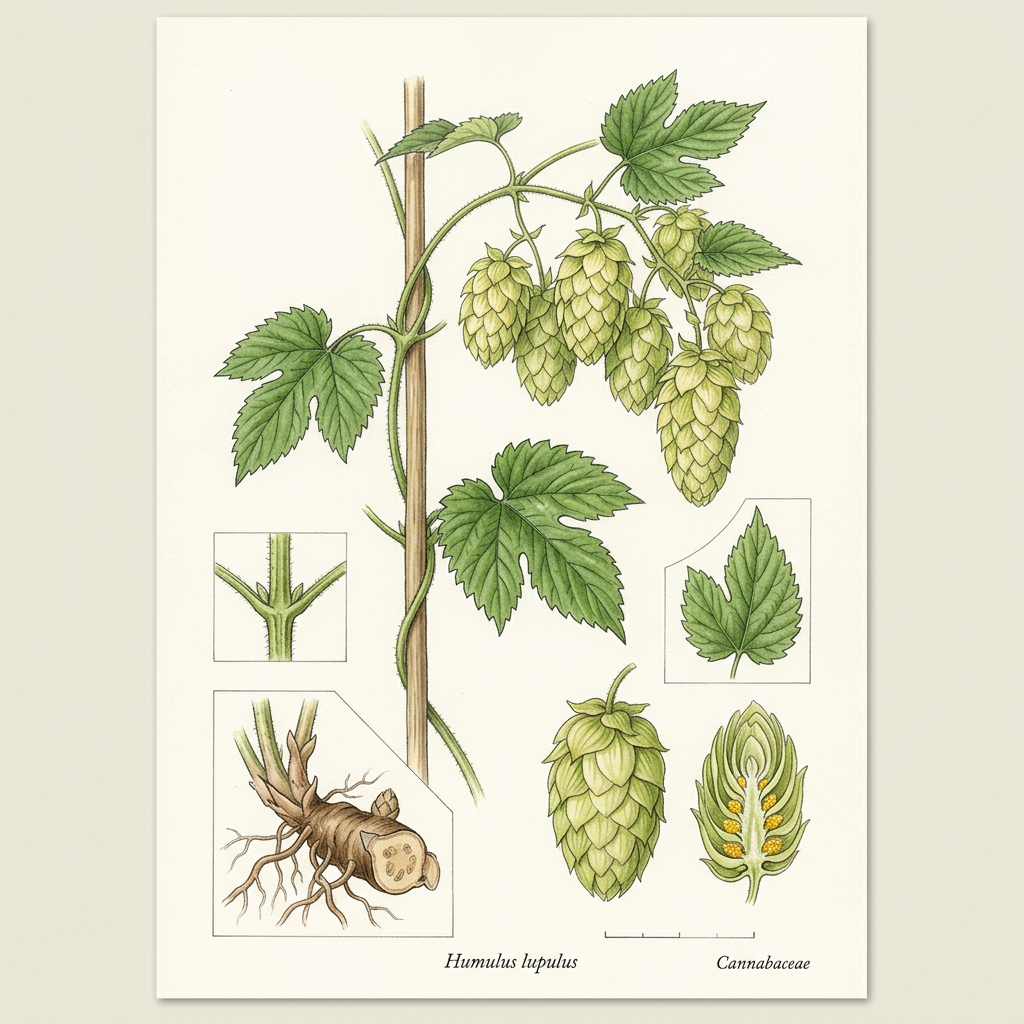
Hops

Hops

Humulus lupulus

Relaxation
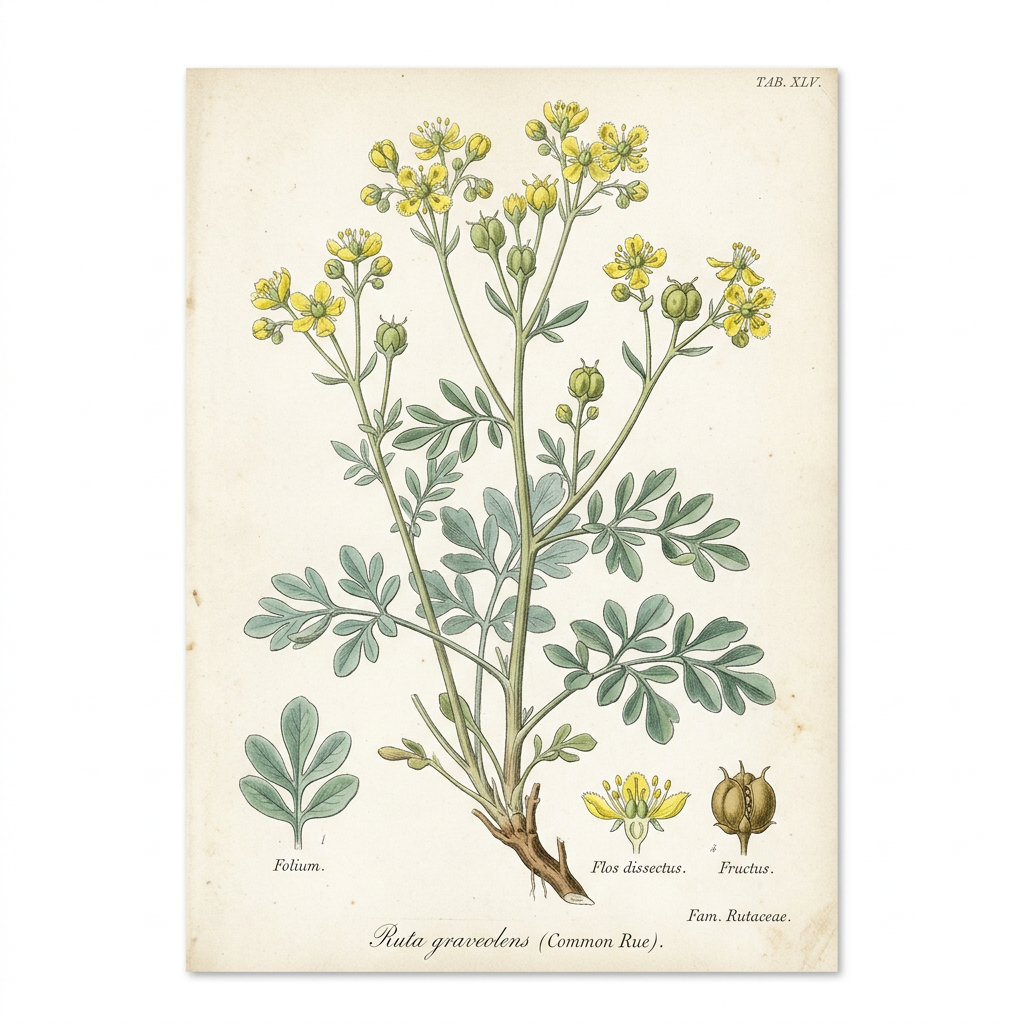
Rue

Rue

Ruta graveolens

Mood Enhancement