The Wild Sage logo
The Wild Sage Logo

Herbal Medicine at your fingertips

Comprehensive database of herbal remedies with detailed safety information and traditional uses

New to herbal terms? Read the glossary →
ADHD
Abcess
Acid Reflux Relief
Acinetobacter
Acne
Acne Vulgaris
Addisons
Adenomyosis
Adenovirus
Adrenal fatigue
Aging
Aids
Alcaligenes faecalis
Alcoholism
Allergic Rhinitis
Allergies
Allergy
Alopoecia
Alopoecia nervosa
Alzheimer's, Dementia & Cognitive Decline
420 herbs found
Important: This information is for educational purposes only. Always consult with qualified healthcare professionals before using herbal remedies, especially if you have existing health conditions or take medications.
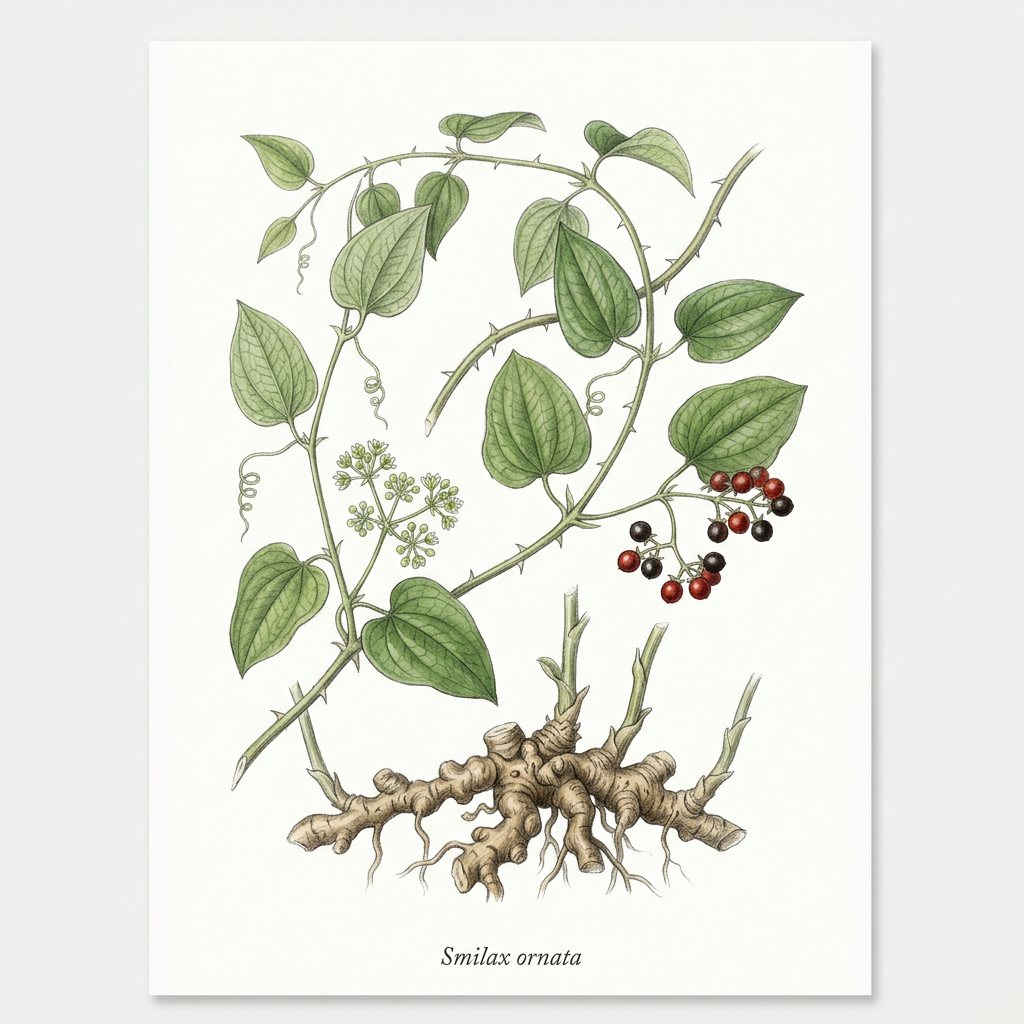
Sarsaparilla

Sarsaparilla

Smilax ornata

low risk Risk
Smilacaeae
Calming, Grounding
<p>Sarsaparilla, scientifically known as Smilax ornata, is a perennial vine native to the tropical regions of Central and South America. Historically, this potent herb has been revered in various traditional medicine systems for centuries. Indigenous cultures utilized sarsaparilla not only for its culinary applications but also for its medicinal properties, particularly as a remedy for skin ailments and as a tonic for general health. It was notably popularized in Europe during the 19th century, where it was often heralded as a remedy for a myriad of conditions, earning its place in the annals of herbal medicine. Its roots are commonly consumed in teas or tinctures and have become synonymous with restorative wellness in both traditional and contemporary herbal practices. The therapeutic properties of sarsaparilla are multifaceted, primarily recognized for its action as a blood purifier and hormonal tonic. This robust herb exhibits anti-inflammatory, diuretic, and detoxifying effects, making it particularly beneficial for individuals dealing with skin conditions such as psoriasis, eczema, and acne. Additionally, sarsaparilla is known to support hormonal balance, particularly in women, by aiding in the regulation of estrogen and other hormones, which can alleviate symptoms associated with premenstrual syndrome (PMS) and menopause. The root's saponins and phytosterols are thought to contribute to these effects, supporting the body’s natural processes of detoxification and hormone modulation. Mechanistically, sarsaparilla works bypromoting liver health and enhancing the elimination of toxins through its diuretic properties, which increases urine output and helps flush out impurities from the bloodstream. Its active components also exhibit potential adaptogenic qualities, which help the body adapt to stress and may improve overall resilience. Additionally, by addressing hormonal imbalances and promoting skin health, sarsaparilla serves as a harmonious bridge between internal well-being and external vitality. This remarkable herb embodies the principles of holistic health by not only treating symptoms but by supporting the body’s inherent capacity for healing and balance. With its rich historical legacy and potent therapeutic attributes, sarsaparilla continues to be a cornerstone of herbal medicine, guiding individuals toward improved health and vitality.</p>

Uses & Conditions

Adaptogen
Detoxification
Liver health
Stress adaptation
Acne
Arthritis
Colds
Eczema
Gout
Hormone imbalance
Menopause support
Menorrhagia
PMS symptoms
Psoriasis

Actions

Alterative
Anti-inflammatory
Blood cleansing
Calming
NFkB inhibitor
TNF-a reduction

Parts Used

Rhizome

Native Countries

North America
tropical Africa

USDA Hardiness Zones

USDA 8-11

Contraindications

  • Pregnancy: avoid due to potential hormone-modulating effects
  • Breastfeeding: insufficient evidence regarding safety for nursing infants
  • Active renal inflammation: the diuretic action may exacerbate acute kidney irritation
  • Congestive heart failure: avoid use without professional guidance due to fluid retention and potential electrolyte shifts

Potential Side Effects

  • Gastrointestinal upset including nausea or stomach irritation if taken in high doses
  • Mild diuretic effect potentially leading to increased urinary frequency

Interactions

  • Digoxin: theoretical risk of increased absorption due to steroidal saponin content
  • Lithium: diuretic effects of the herb may reduce the renal clearance of lithium, potentially increasing serum levels
  • Prescription medications: may enhance the absorption of other orally administered drugs; separate intake by at least two hours
  • Hormone replacement therapy: potential interaction with the herb's historical use as an endocrine modulator

Dosages, tincture ratios & research — members only

Unlock Garreth's dosing guidance, tincture ratios, the dosage calculator and the research studies for Sarsaparilla.

Your assessment and results stay saved — upgrading only unlocks more of them.

See membership plans

Community Photos

No community photos yet. Sign in to upload photos.

Reviews & Ratings

Sign in to leave a review.

No reviews yet. Be the first!

GF

Garreth Falls — B.Th., Dip. H.M., MNIMH

Content curated and reviewed by Garreth Falls, Consultant Medical Herbalist · The Wild Sage

Medical Disclaimer: This information is for educational purposes only and is not intended as medical advice. Always consult with qualified healthcare professionals before starting any herbal treatment.
Western tradition

Sustainability & quality

At risk

Wild populations in Central America are under pressure from habitat loss and overharvesting. Prefer suppliers committed to certified wild-harvesting practices.

Key constituents

Resins, Sterols, Triterpenoids, Volatile Oils, Saponins, Starch

References

  1. British Herbal Pharmacopoeia 1983
  2. Herbal Reality. Herb monographs. herbalreality.com

Reviewed by Garreth, Medical Herbalist (MNIMH) · November 2026

Related conditions

Explore conditions where Sarsaparilla is traditionally used.

Related Herbs
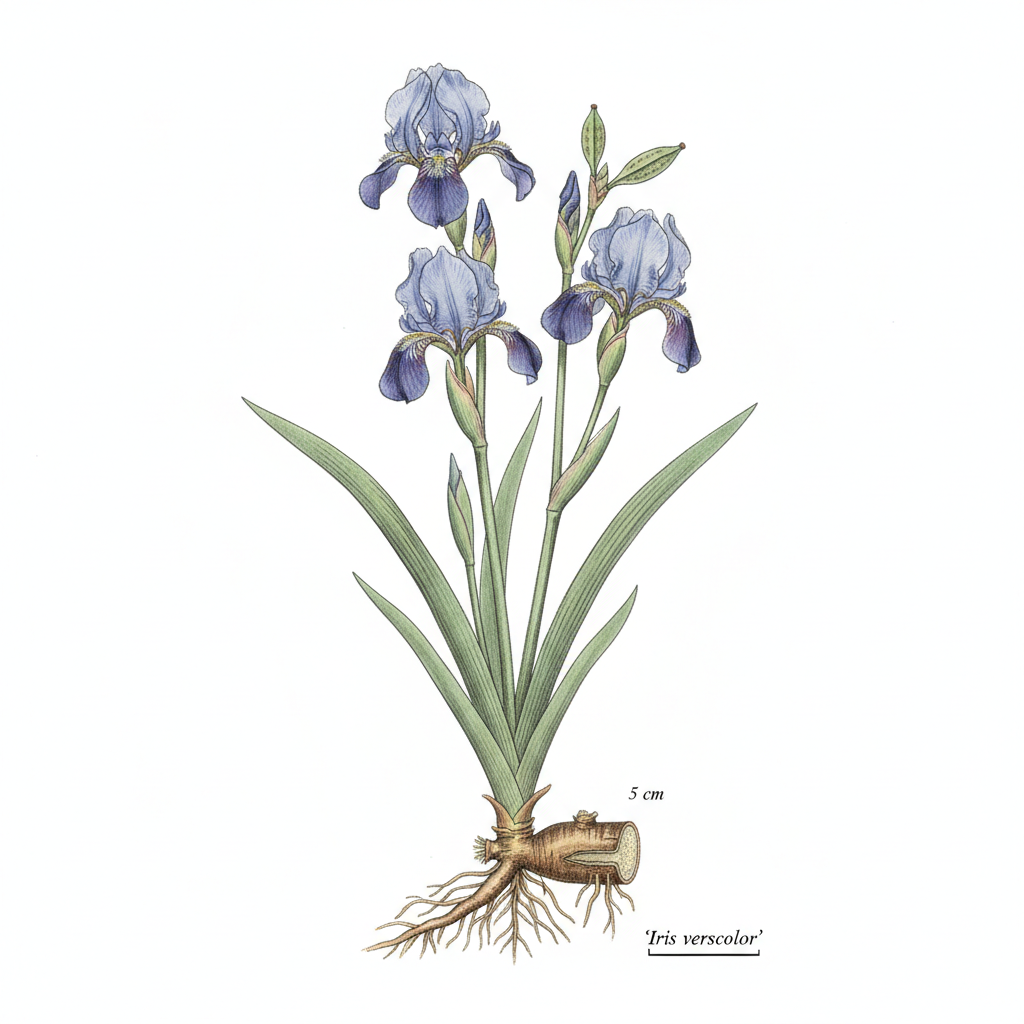
Blue flag

Blue flag

Iris versicolor

Detoxification
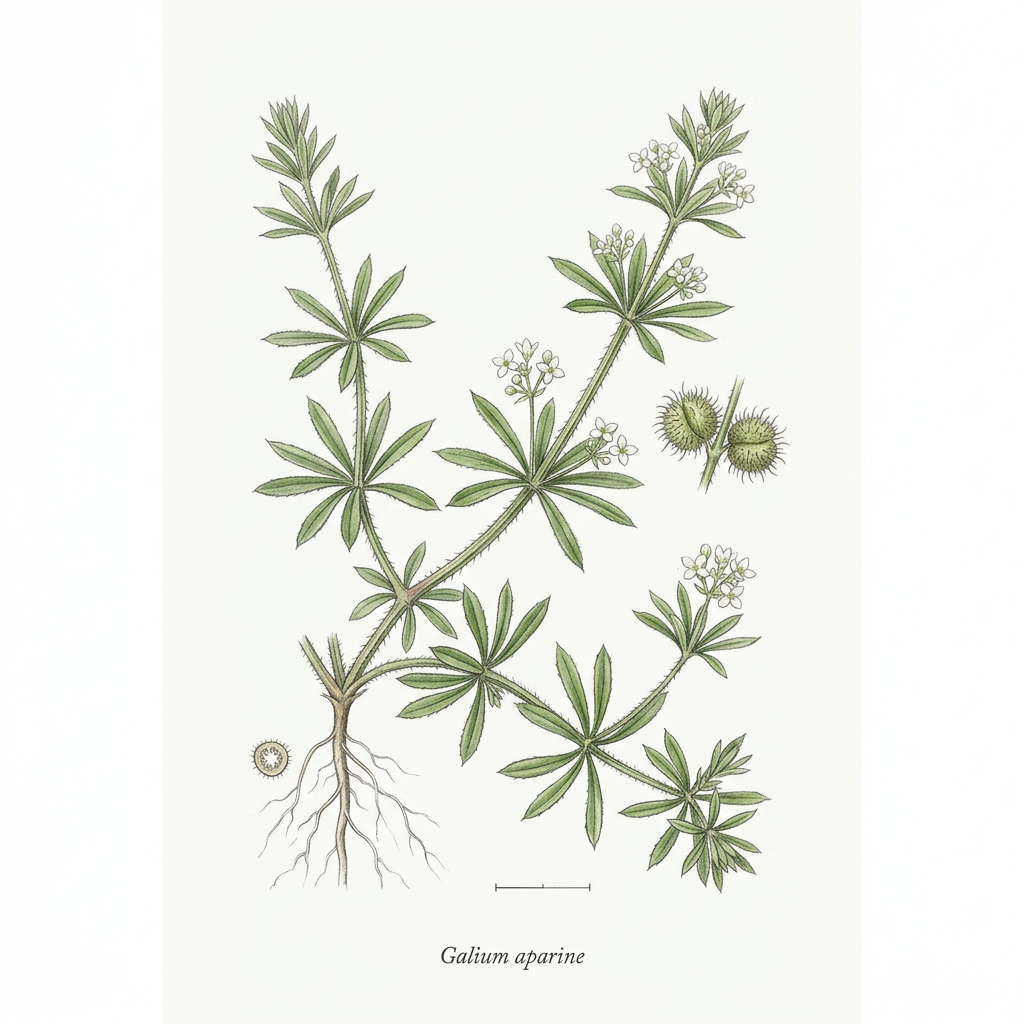
Cleavers

Cleavers

Galium aparine

Detoxification
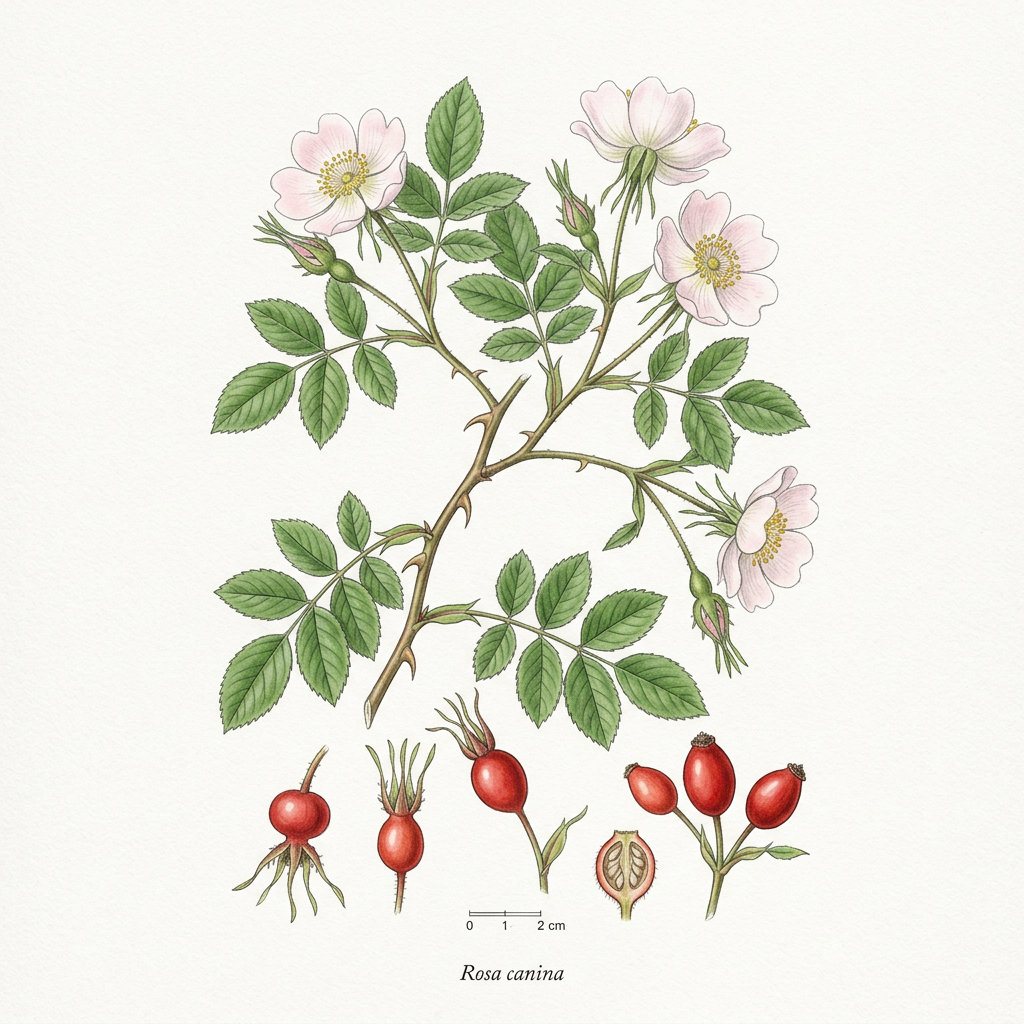
Dog rose

Dog rose

Rosa canina

Immune Support
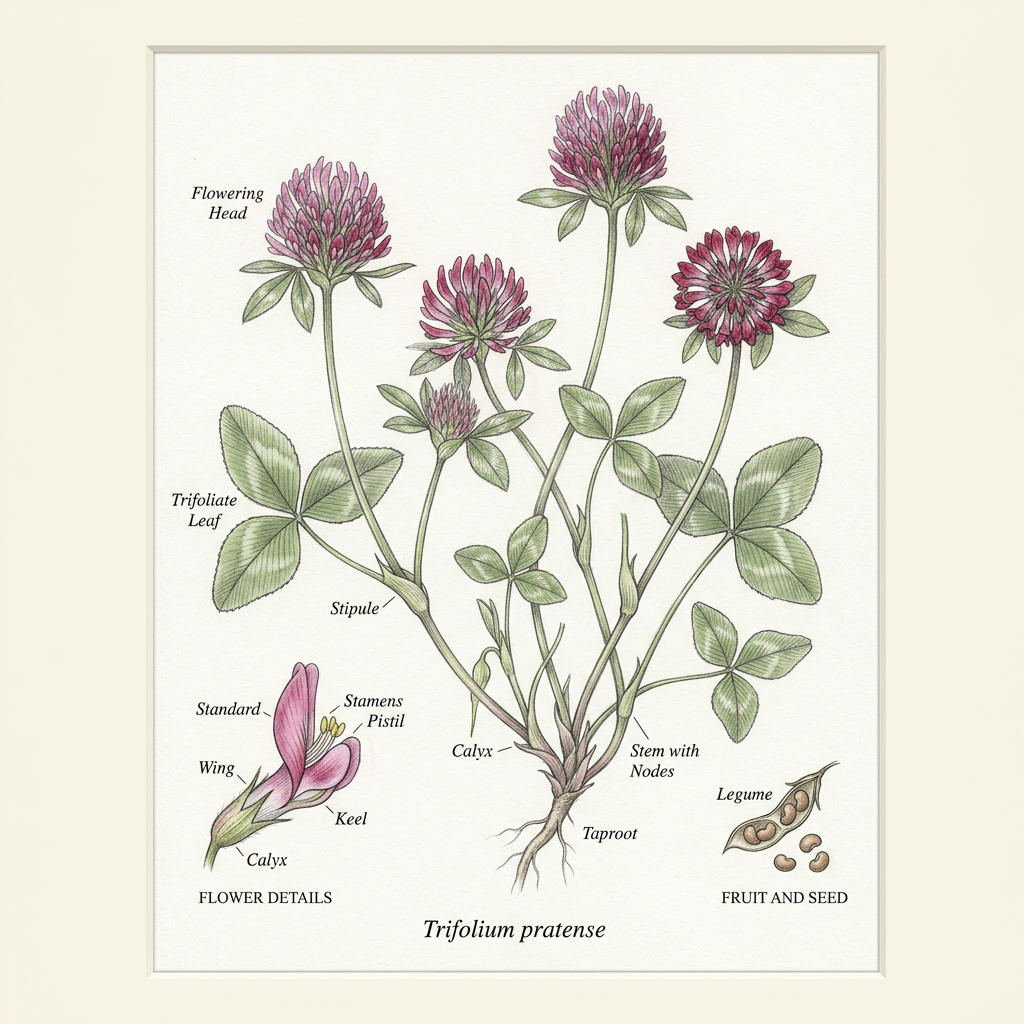
Red Clover

Red Clover

Trifolium pratense

Hormonal Balance