

Herbal Medicine at your fingertips
Comprehensive database of herbal remedies with detailed safety information and traditional uses
New to herbal terms? Read the glossary →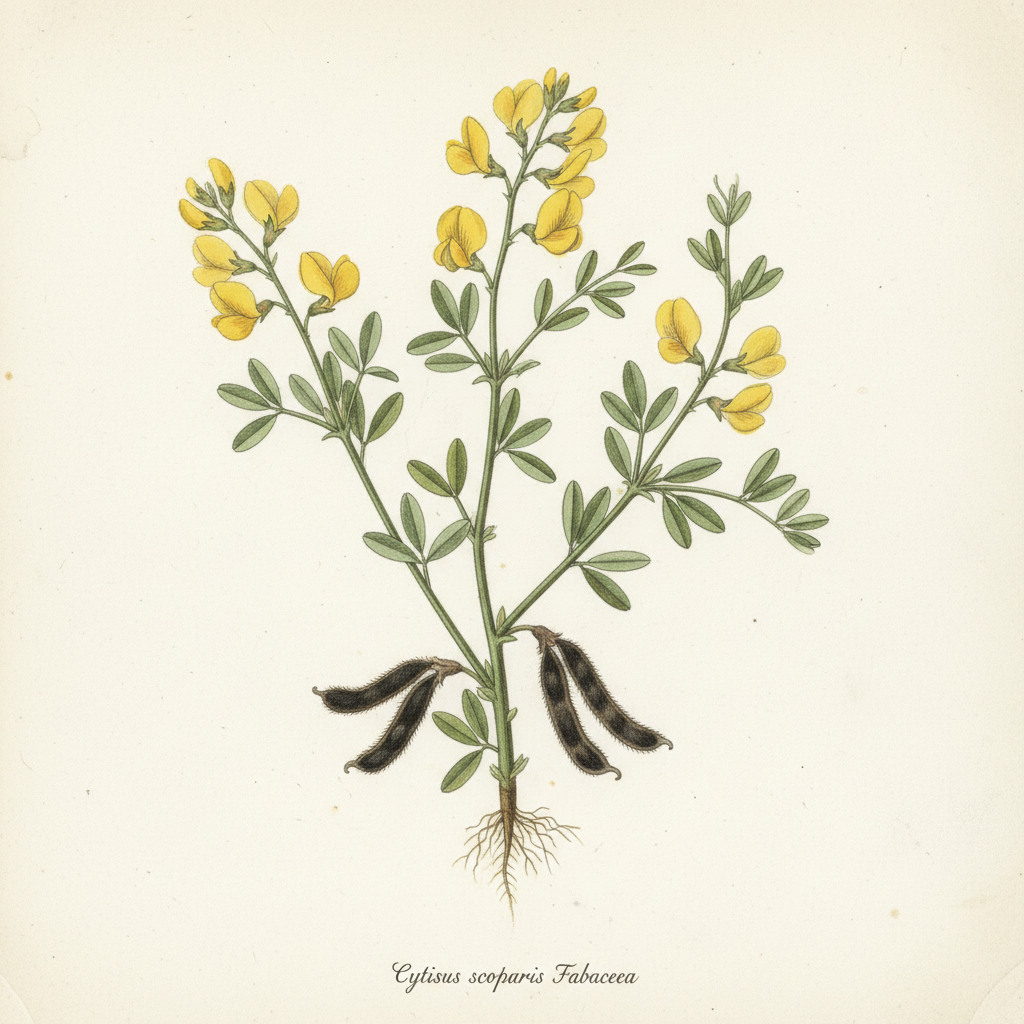
Scotch Broom
Cytisus scoparius
Scotch Broom, scientifically known as Cytisus scoparius, is a perennial shrub native to Europe but has found its way into various regions worldwide, often thriving in well-drained soils and sunny areas. Traditionally, this herb has been used in folk medicine, especially in the treatment of cardiovascular ailments. Historical records indicate that various cultures have utilized the aerial parts of Scotch Broom, particularly its flowers and stems, to promote heart health. Ancient herbalists recognized its potential benefits, often employing it in remedies aimed at enhancing circulation and alleviating symptoms associated with arrhythmia and other heart conditions.
Modern herbalism has focused on Scotch Broom’s cardiotonic properties, with the herb being predominantly indicated for its potential effects on irregular heartbeat. The primary bioactive compounds within Scotch Broom, including alkaloids such as sparteine, are believed to be responsible for its therapeutic actions. These compounds may exert a positive influence on cardiac muscle function, enhancing the strength and efficiency of the heartbeat. Additionally, the herb has mild diuretic properties, which can assist in reducing fluid retention—an important consideration for individuals with certain cardiovascular conditions. However, due to the potency of its constituents, caution is advised in its use, particularly for those with existing heart conditions or those on cardiovascular medications.
Mechanistically, Scotch Broom is thought to act on the heart by modulating the autonomic nervous system, which controls heart rate and function. The alkaloids in the plant stimulate beta-adrenergic receptors, potentially leading to increased contractility and improved blood flow. This results in a more coordinated heartbeat, making it an intriguing candidate for addressing arrhythmias. Moreover, Scotch Broom contains flavonoids, which may contribute to its antioxidant properties, offering additional cardiovascular protection by reducing oxidative stress. As with any herbal intervention, it is essential for individuals to consult with a qualified healthcare provider before incorporating Scotch Broom into their regimen, ensuring personalized safety and efficacy.
Uses & Conditions
Actions
Synonyms
Parts Used
Native Countries
USDA Hardiness Zones
Contraindications
- Pregnancy
- Atrioventricular block
- Hypertension
- Concomitant use of multiple medications
Potential Side Effects
- Bradycardia
- Tachycardia or palpitations at higher dosages
- Gastrointestinal upset including nausea or vomiting
- Transient headache
- Dizziness or lightheadedness upon standing
Interactions
- Cardiac glycosides: potential additive effect on heart rate and rhythm
- Antihypertensive medication: potential for synergistic hypotensive effects
- Monoamine oxidase inhibitors: potential risk of elevated blood pressure
- Anti-arrhythmic drugs: contraindicated due to unpredictable interactions with sparteine
- Cardiac glycosides: may potentiate effects or lead to toxicity
- Antihypertensive medication: may lead to hypotension
- Monoamine oxidase inhibitors: potential risk of hypertensive crisis
- Beta-blockers: risk of additive effects on cardiac rhythm and heart rate
Dosages, tincture ratios & research — members only
Unlock Garreth's dosing guidance, tincture ratios, the dosage calculator and the research studies for Scotch Broom.
Your assessment and results stay saved — upgrading only unlocks more of them.
See membership plansCommunity Photos
No community photos yet. Sign in to upload photos.
Reviews & Ratings
Sign in to leave a review.
No reviews yet. Be the first!
Garreth Falls — B.Th., Dip. H.M., MNIMH
Content curated and reviewed by Garreth Falls, Consultant Medical Herbalist · The Wild Sage
Sustainability & quality
AbundantRegarded as an invasive species in some parts of the world. Harvesting is generally unrestricted, but ensure correct identification as toxic to animals.
Key constituents
Quinolizidine alkaloids including sparteine, Lupanine, Scoparin, Genistein, Flavonoids, Tannins, Essential oils, Sparteine, Sarothamnine, Luteolin, Apigenin, Tyramine, Flavonoid glycosides
References
- British Herbal Pharmacopoeia 1983
- Herbal Reality. Herb monographs. herbalreality.com
Related conditions
Explore conditions where Scotch Broom is traditionally used.
Related Herbs
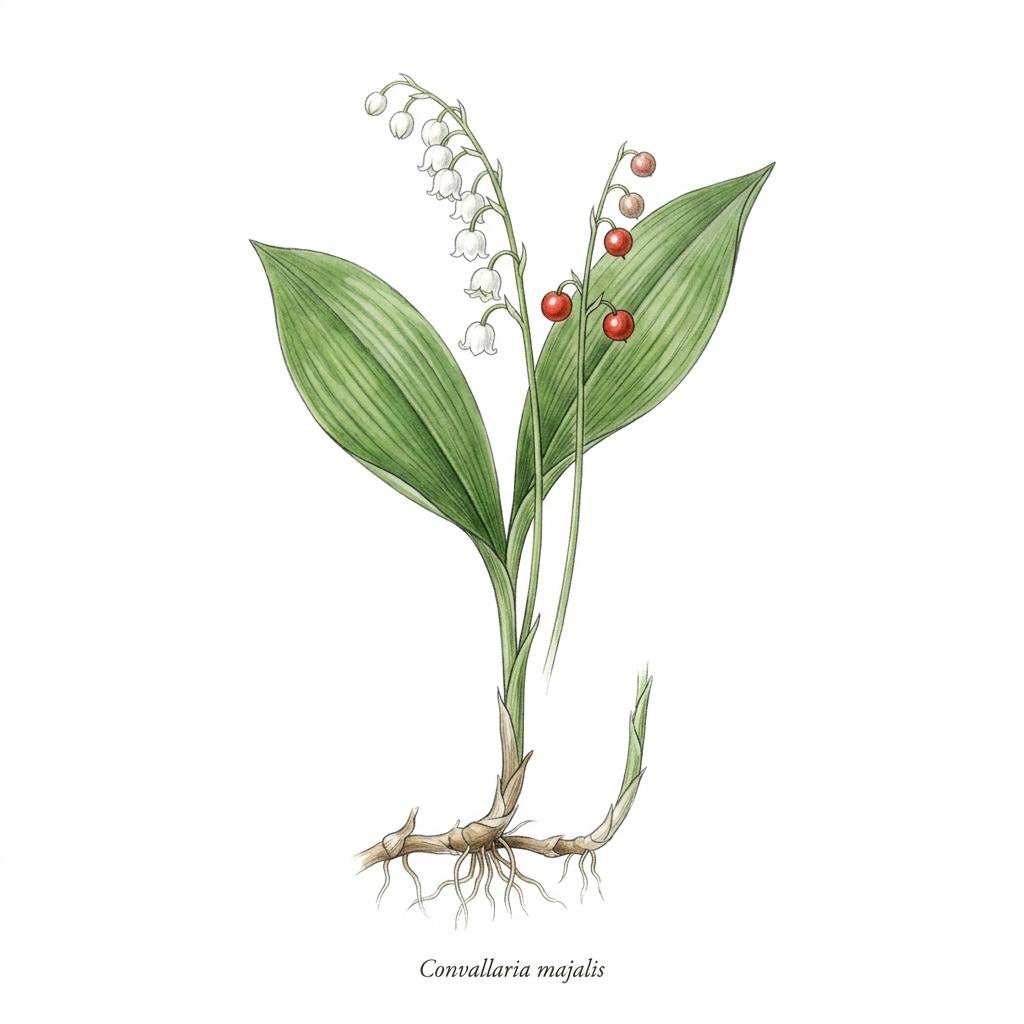
Lily of the Valley
Convallaria majalis
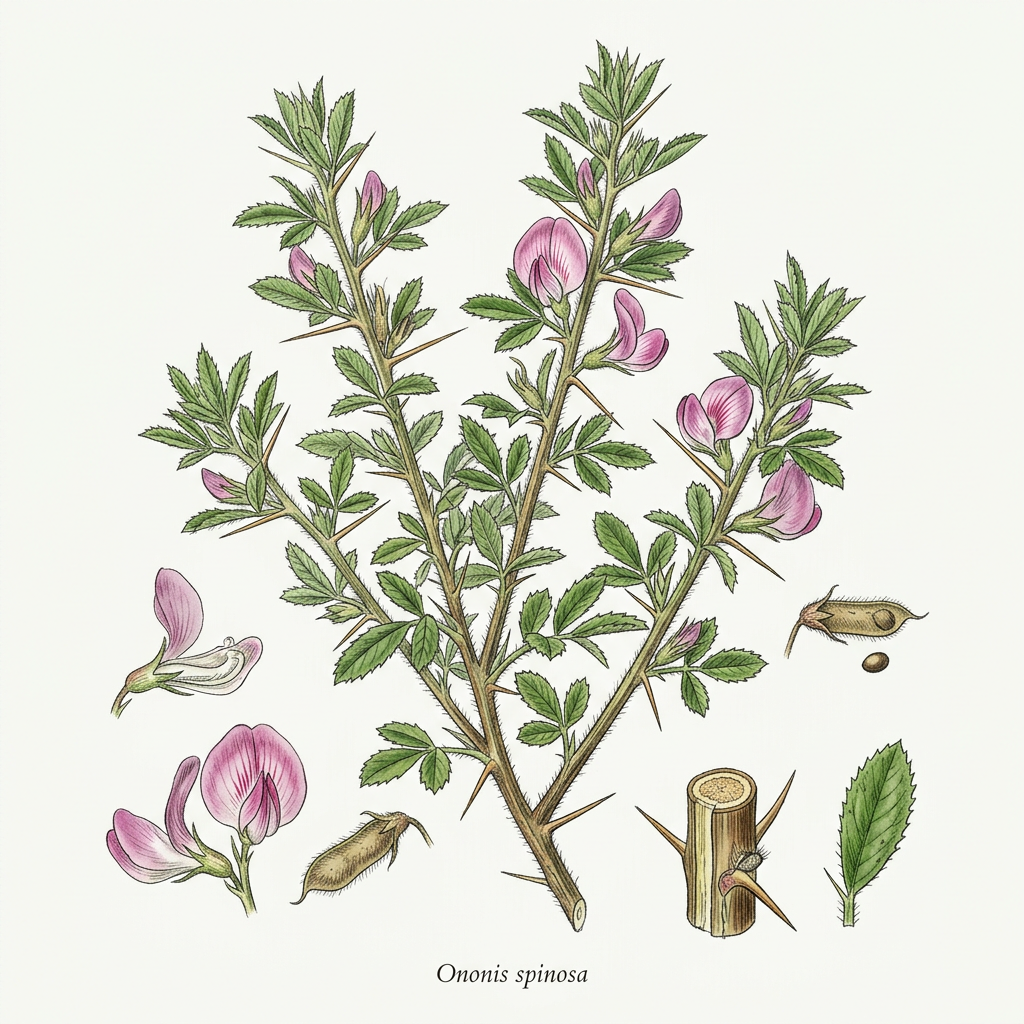
Spiny restharrow
Ononis spinosa
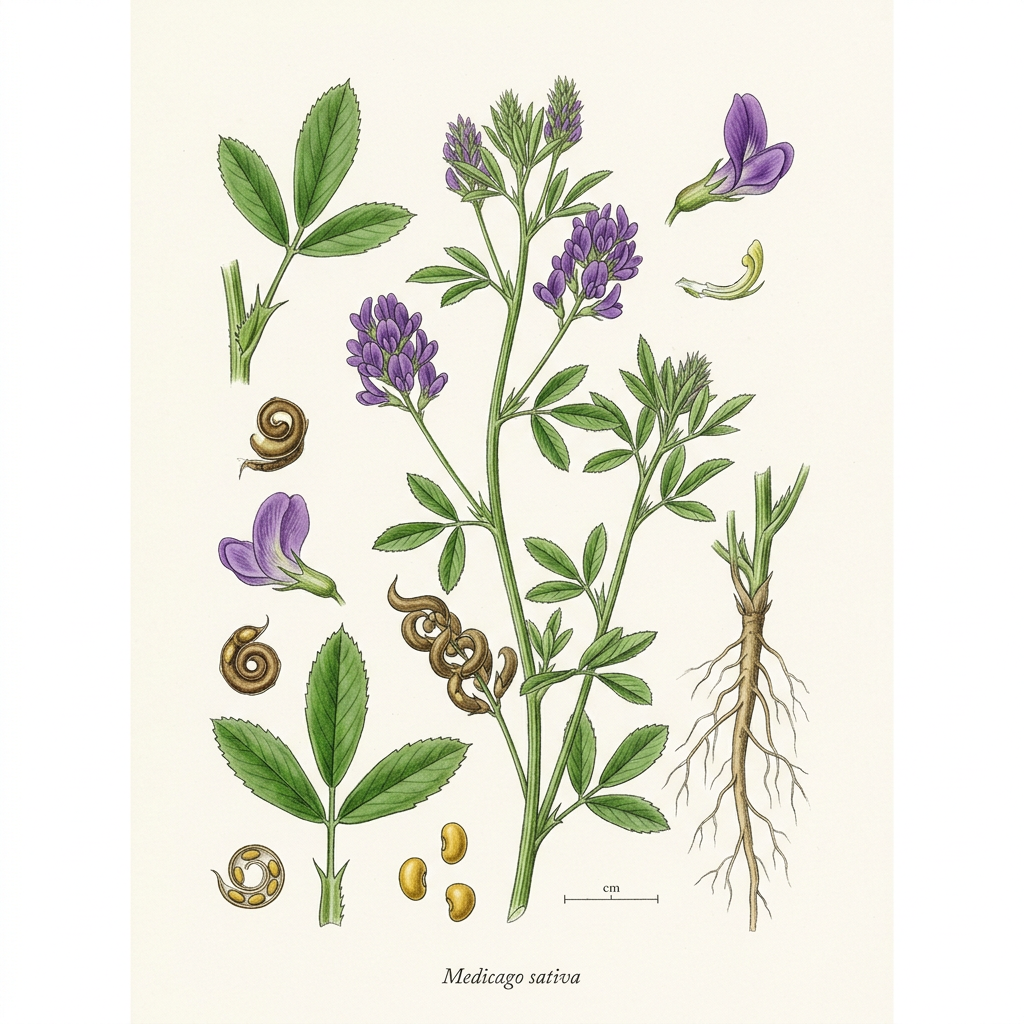
Alfalfa
Medicago sativa
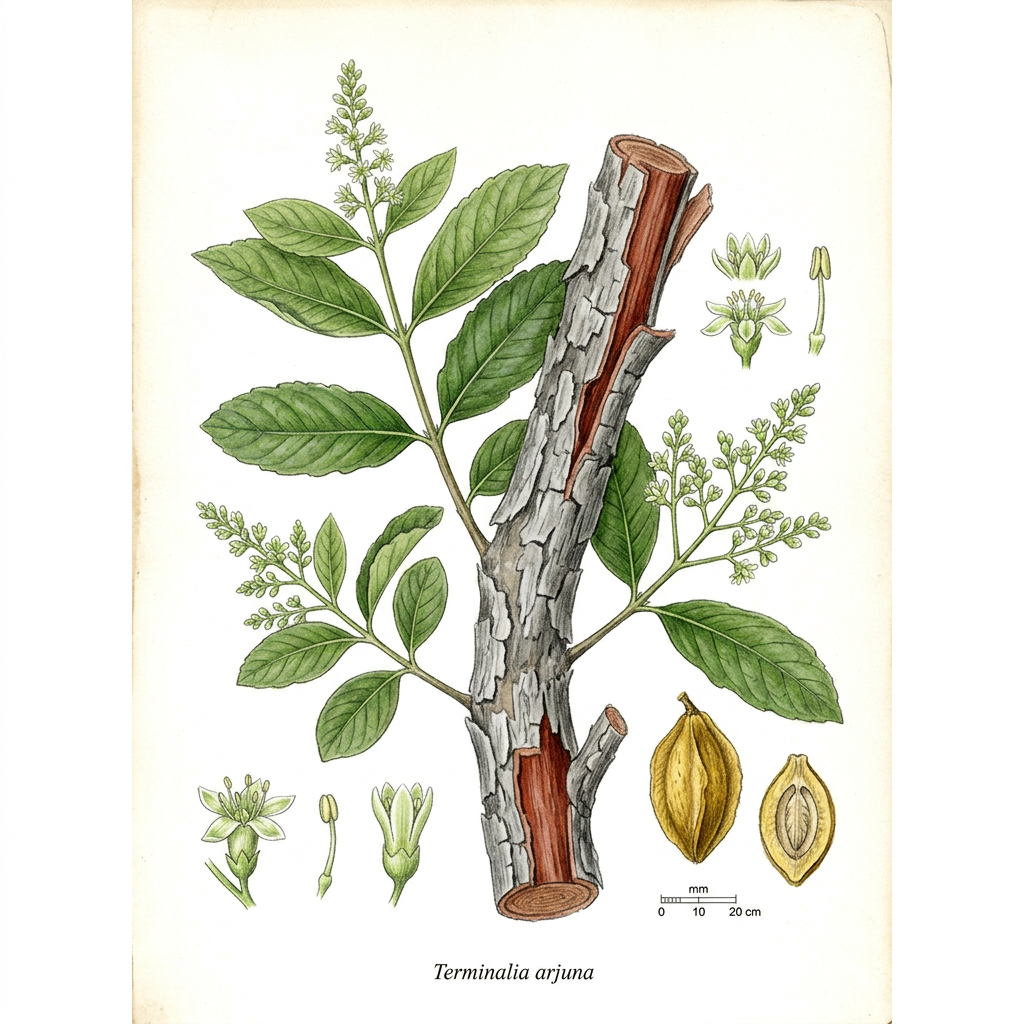
Arjuna
Terminalia arjuna