The Wild Sage logo
The Wild Sage Logo

Herbal Medicine at your fingertips

Comprehensive database of herbal remedies with detailed safety information and traditional uses

New to herbal terms? Read the glossary →
ADHD
Abcess
Acid Reflux Relief
Acinetobacter
Acne
Acne Vulgaris
Addisons
Adenomyosis
Adenovirus
Adrenal fatigue
Aging
Aids
Alcaligenes faecalis
Alcoholism
Allergic Rhinitis
Allergies
Allergy
Alopoecia
Alopoecia nervosa
Alzheimer's, Dementia & Cognitive Decline
420 herbs found
Important: This information is for educational purposes only. Always consult with qualified healthcare professionals before using herbal remedies, especially if you have existing health conditions or take medications.
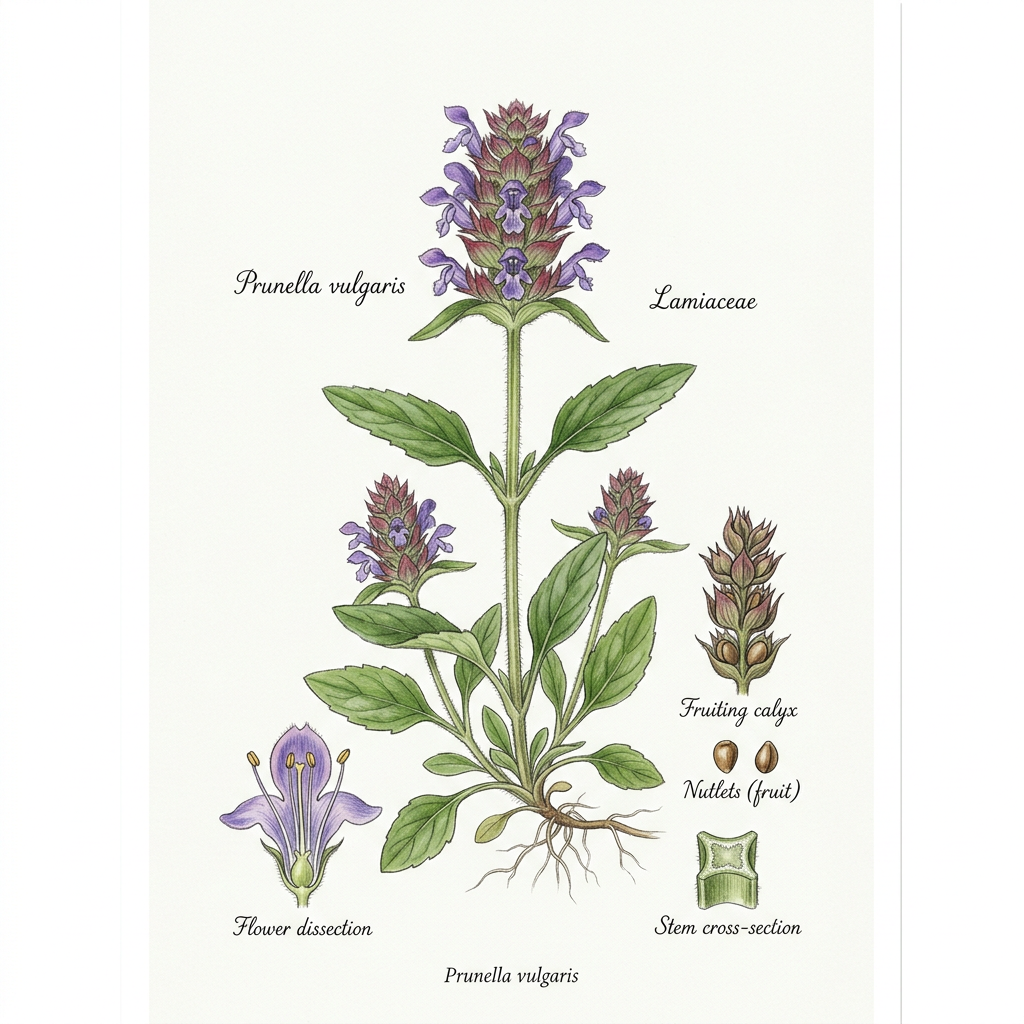
Self Heal

Self Heal

Prunella vulgaris

low risk Risk
Lamiaceae
Cold Dispersive.
<p>Prunella vulgaris, commonly known as self-heal, is a resilient perennial herb traditionally recognized for its myriad medicinal properties. This member of the Lamiaceae family, native to Europe, Asia, and North America, has been used for centuries in folk medicine and herbalism. The historical applications of self-heal are deeply rooted, with its use documented in various ancient medicinal texts. Traditionally, it was esteemed for its ability to expedite wound healing, soothe inflammatory conditions, and bolster the immune system. Herbal practitioners often turned to self-heal for addressing ailments ranging from minor cuts and scrapes to more complex immune dysregulations, showcasing its versatility as a healing plant. The therapeutic properties of Prunella vulgaris are particularly noteworthy. Its action as an anti-inflammatory and antimicrobial agent makes it highly beneficial for a range of health concerns. The herb’s bioactive compounds, including flavonoids, phenolic acids, and polysaccharides, work synergistically to promote healing and support overall health. Research has highlighted its potential effectiveness in alleviating inflammation, particularly in conditions such as sore throats, skin irritations, and even respiratory infections. Additionally, self-heal is known to demonstrate antimicrobial properties that can inhibit the growth of various pathogens, rendering it useful not only for skin applications but also in supporting oral health by combating harmful bacteria. When introduced into the body, Prunella vulgaris exerts its effects through various mechanisms. The active constituents of the herb are believed to modulate the immune response, enhancing the body’s natural defenses and promoting a balanced inflammatory response. By inhibiting pro-inflammatory cytokines, self-heal helps reduce swelling and discomfort at the site of injury. Furthermore, its antiseptic properties aid in the prevention of infection, facilitating quicker recovery from wounds and other dermatological issues. Overall, Prunella vulgaris stands out as a remarkable herbal ally, offering a holistic approach to healing and wellness rooted in tradition yet backed by modern herbal science.</p>

Uses & Conditions

Immune Modulation
Oral Health Support
Healing Enhancement
Wounds
Hypertension
Inflammation
Eye Strain
Bleeding
Cancer
Furunculosis
Skin Irritations
Sore Throats
Respiratory Infections
Metabolic Syndrome

Actions

Anti-inflammatory
Antimicrobial
NFkB Inhibitor
TNF Inhibitor
Anti-viral

Parts Used

Aerial parts

Native Countries

Europe
North America

USDA Hardiness Zones

USDA 3-10

Contraindications

  • Pregnancy and breastfeeding
  • Autoimmune conditions
  • Pre-surgical (stop at least two weeks before elective surgery)
  • History of hypoglycaemia

Potential Side Effects

  • Mild gastrointestinal upset
  • Contact dermatitis

Interactions

  • Anticoagulant and antiplatelet medications
  • Immunosuppressants
  • Antidiabetic medications

Dosages, tincture ratios & research — members only

Unlock Garreth's dosing guidance, tincture ratios, the dosage calculator and the research studies for Self Heal.

Your assessment and results stay saved — upgrading only unlocks more of them.

See membership plans

Community Photos

No community photos yet. Sign in to upload photos.

Reviews & Ratings

Sign in to leave a review.

No reviews yet. Be the first!

GF

Garreth Falls — B.Th., Dip. H.M., MNIMH

Content curated and reviewed by Garreth Falls, Consultant Medical Herbalist · The Wild Sage

Medical Disclaimer: This information is for educational purposes only and is not intended as medical advice. Always consult with qualified healthcare professionals before starting any herbal treatment.
Western tradition
Chinese tradition

Sustainability & quality

Abundant

Ubiquitous weed; harvest from clean areas, avoiding chemically treated lawns.

Key constituents

Rosmarinic acid, Prunellin (polysaccharide complex), Ursolic acid, Betulinic acid, Triterpenoids, Flavonoids (including rutin and hyperoside), Tannins, Phenolic acids

References

  1. Bensky "Chinese Herbal Medicine: Materia Medica" 3rd ed. 2004
  2. Herbal Reality. Herb monographs. herbalreality.com

Reviewed by Garreth, Medical Herbalist (MNIMH) · November 2026

Related conditions

Explore conditions where Self Heal is traditionally used.

Related Herbs
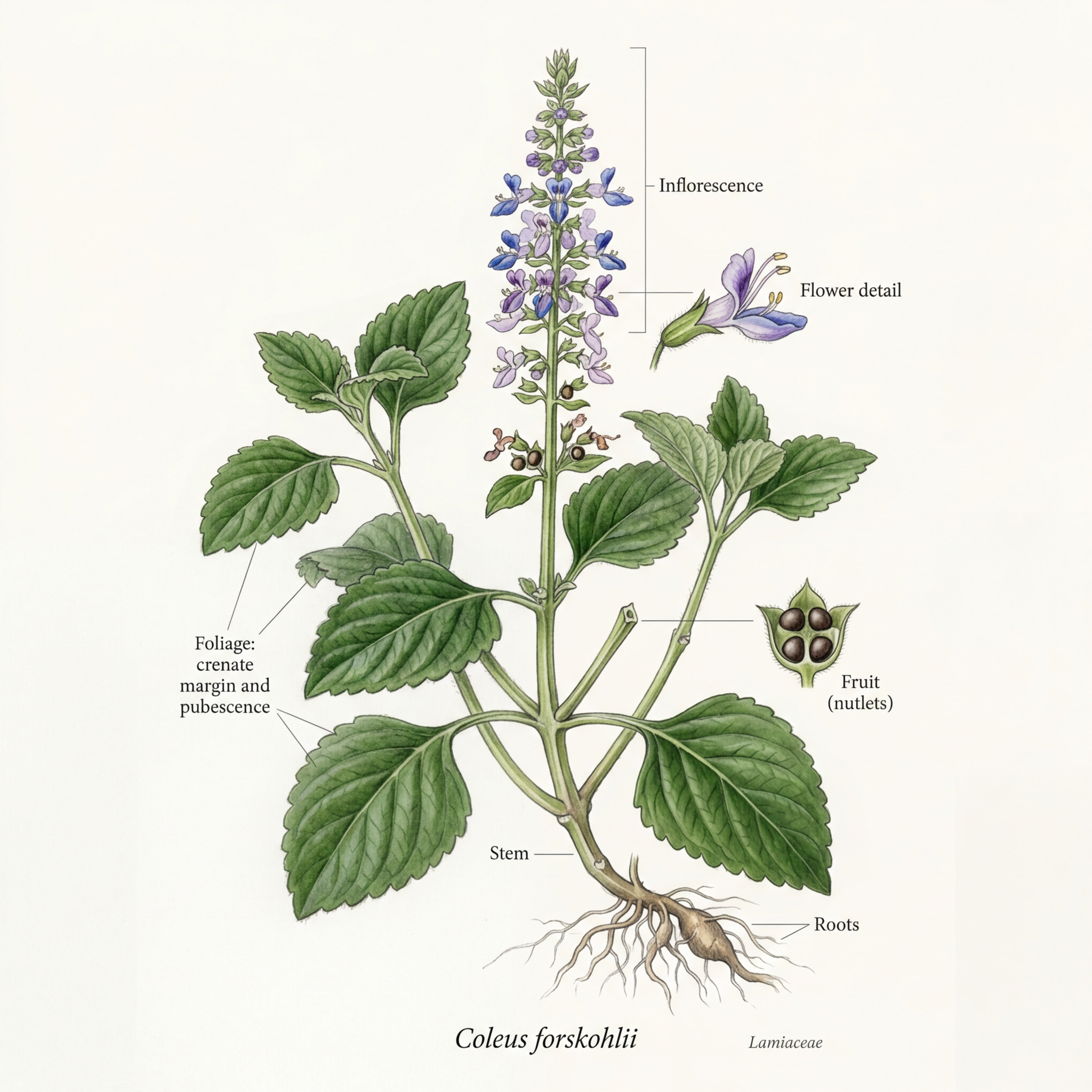
Coleus

Coleus

Coleus forskohlii

Weight Management
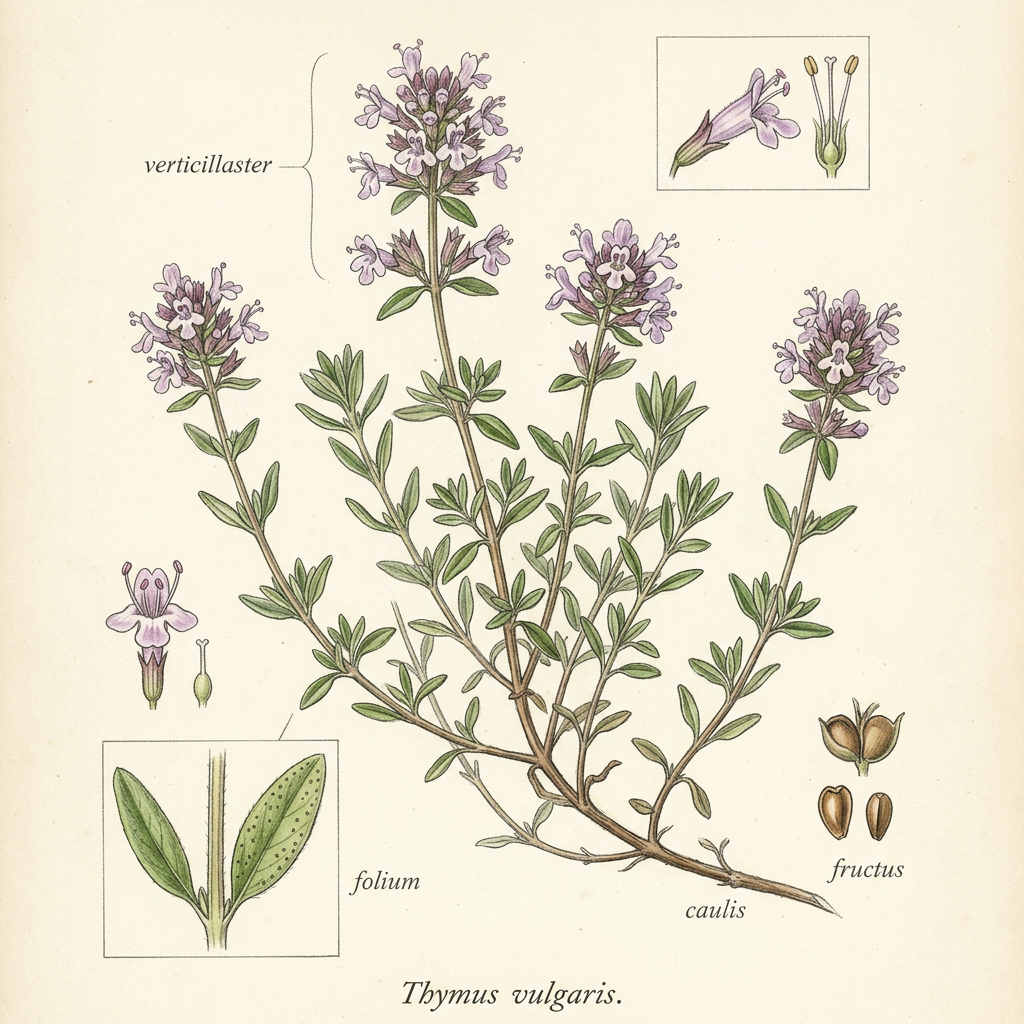
Thyme

Thyme

Thymus vulgaris

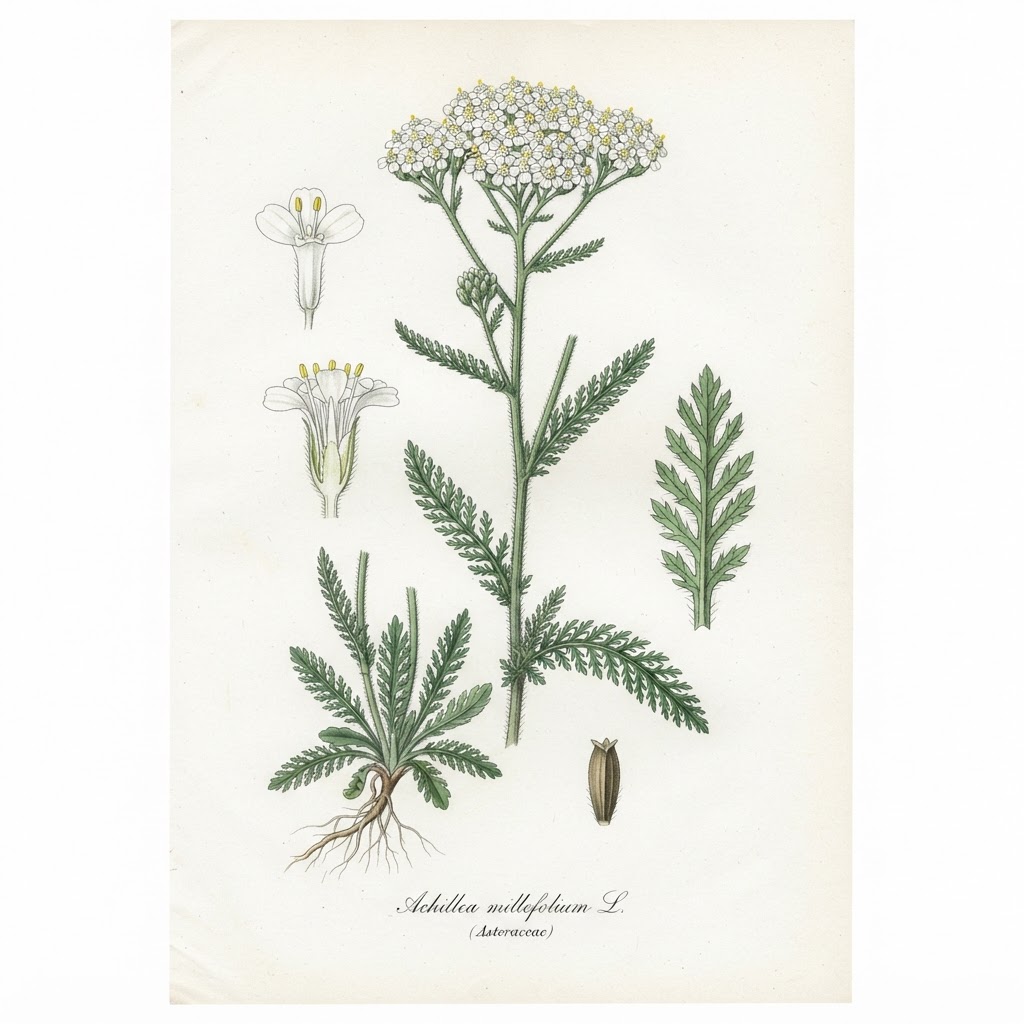
Yarrow

Yarrow

Achillea millefolium

Digestive Tonic
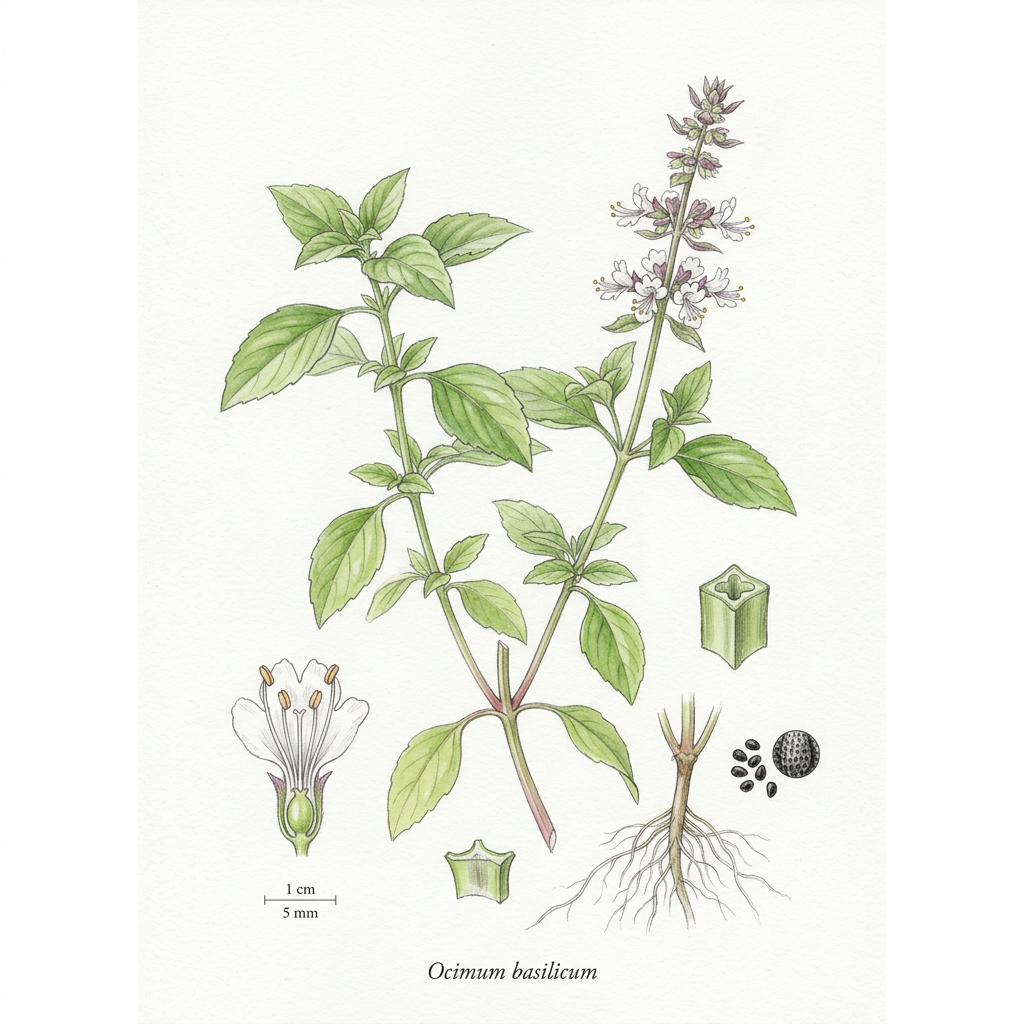
Basil

Basil

Ocimum basilicum

Convalescence