The Wild Sage logo
The Wild Sage Logo

Herbal Medicine at your fingertips

Comprehensive database of herbal remedies with detailed safety information and traditional uses

New to herbal terms? Read the glossary →
ADHD
Abcess
Acid Reflux Relief
Acinetobacter
Acne
Acne Vulgaris
Addisons
Adenomyosis
Adenovirus
Adrenal fatigue
Aging
Aids
Alcaligenes faecalis
Alcoholism
Allergic Rhinitis
Allergies
Allergy
Alopoecia
Alopoecia nervosa
Alzheimer's, Dementia & Cognitive Decline
420 herbs found
Important: This information is for educational purposes only. Always consult with qualified healthcare professionals before using herbal remedies, especially if you have existing health conditions or take medications.
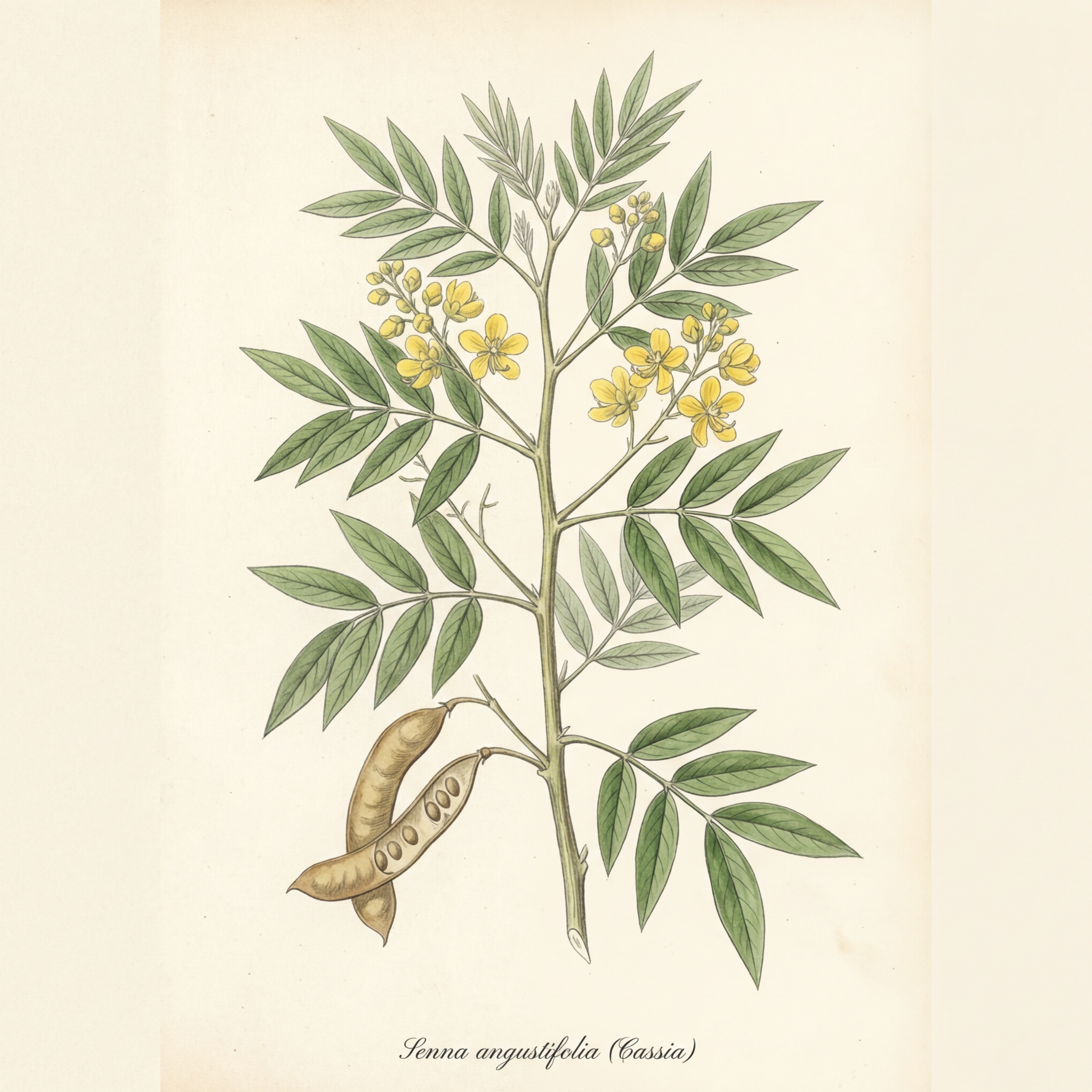
Senna

Senna

Senna alexandrina

low risk Risk
Fabaceae
<p>Commonly known as Senna, is a flowering plant belonging to the legume family, Fabaceae. This herb is native to the tropical regions of Africa and the Arabian Peninsula, and it has been traditionally utilized in various cultures for its powerful laxative properties. In Ayurvedic medicine, Senna has been revered for centuries as a natural remedy for digestive issues and is often included in herbal formulations aimed at promoting bowel health. Ancient Egyptian texts also hint at the historical significance of this plant, as its leaves have been found in medicinal lore dating back thousands of years, emphasizing its long-standing role in holistic healing practices across civilizations. The primary therapeutic properties of Cassia angustifolia are attributed to its active compounds, specifically the sennosides, which are glycosides that act as irritants to the lining of the bowel. This stimulates peristalsis—the muscular contractions that propel content through the intestines—thereby facilitating bowel movements. Senna is widely recognized for its efficacy in treating occasional constipation, as well as in preparation for medical procedures such as colonoscopy. Additionally, its use is sometimes extended to alleviate discomfort associated with slow digestion and gastrointestinal irregularities. Beyond its laxative effects, Senna may also offer some antioxidant benefits, supporting overall digestive health and well-being. Upon entering the body, the sennosides in Cassia angustifolia are transformed by gut bacteria into compounds that directly affect the intestines. By irritating the mucosal lining, these compounds enhance the secretion of water and electrolytes, leading to softer stools and increased intestinal motility. While effective as a short-term remedy for constipation, it is essential to use Senna judiciously, as prolonged use may lead to dependency or a reduction in bowel function. For optimal results, Cassia angustifolia is often recommended in conjunction with adequate hydration and a balanced diet rich in fiber, ensuring a holistic approach to maintaining digestive health.</p>

Uses & Conditions

Digestive Health Maintenance
Bowel Function Support
Occasional Constipation
Anal Fissure

Actions

Laxative
Peristaltic Stimulant
Secretagogue

Parts Used

Dried leaflets
Dried fruit pods

Native Countries

Egypt
India
Sudan
Pakistan
East Africa

USDA Hardiness Zones

9
10
11

Contraindications

  • Pregnancy and lactation
  • Children under the age of 12 years
  • Intestinal obstruction
  • stenosis
  • or atony
  • Acute inflammatory intestinal conditions such as Crohn's disease
  • ulcerative colitis
  • or appendicitis
  • Undiagnosed abdominal pain or rectal bleeding
  • Usage exceeding 7-10 consecutive days

Potential Side Effects

  • Abdominal cramping or colic
  • Electrolyte disturbances
  • specifically hypokalaemia
  • with prolonged use
  • Reddish-brown urine discolouration
  • Dependency or atonic colon from habitual
  • long-term administration

Interactions

  • Diuretics such as hydrochlorothiazide: potential for increased potassium depletion
  • Cardiac glycosides like digoxin: increased risk of toxicity due to electrolyte imbalance
  • Warfarin and anti-platelet agents: potential interference with absorption
  • Corticosteroids: may exacerbate electrolyte disturbances
  • Anti-arrhythmic medications: risk of adverse effects from altered mineral levels

Dosages, tincture ratios & research — members only

Unlock Garreth's dosing guidance, tincture ratios, the dosage calculator and the research studies for Senna.

Your assessment and results stay saved — upgrading only unlocks more of them.

See membership plans

Community Photos

No community photos yet. Sign in to upload photos.

Reviews & Ratings

Sign in to leave a review.

No reviews yet. Be the first!

GF

Garreth Falls — B.Th., Dip. H.M., MNIMH

Content curated and reviewed by Garreth Falls, Consultant Medical Herbalist · The Wild Sage

Medical Disclaimer: This information is for educational purposes only and is not intended as medical advice. Always consult with qualified healthcare professionals before starting any herbal treatment.
Western tradition
Ayurvedic tradition
Chinese tradition

Sustainability & quality

Cultivated

Highly cultivated; monitor supply for quality control regarding microbial contamination.

Key constituents

Sennosides A and B, - Anthraquinones, Flavonoids, Tannins, Glycosides

References

  1. ESCOP Monographs 2nd ed. 2003
  2. EMA/HMPC Community Herbal Monograph
  3. British Herbal Pharmacopoeia 1983
  4. Herbal Reality. Herb monographs. herbalreality.com

Reviewed by Garreth, Medical Herbalist (MNIMH) · November 2026

Related conditions

Explore conditions where Senna is traditionally used.

Related Herbs
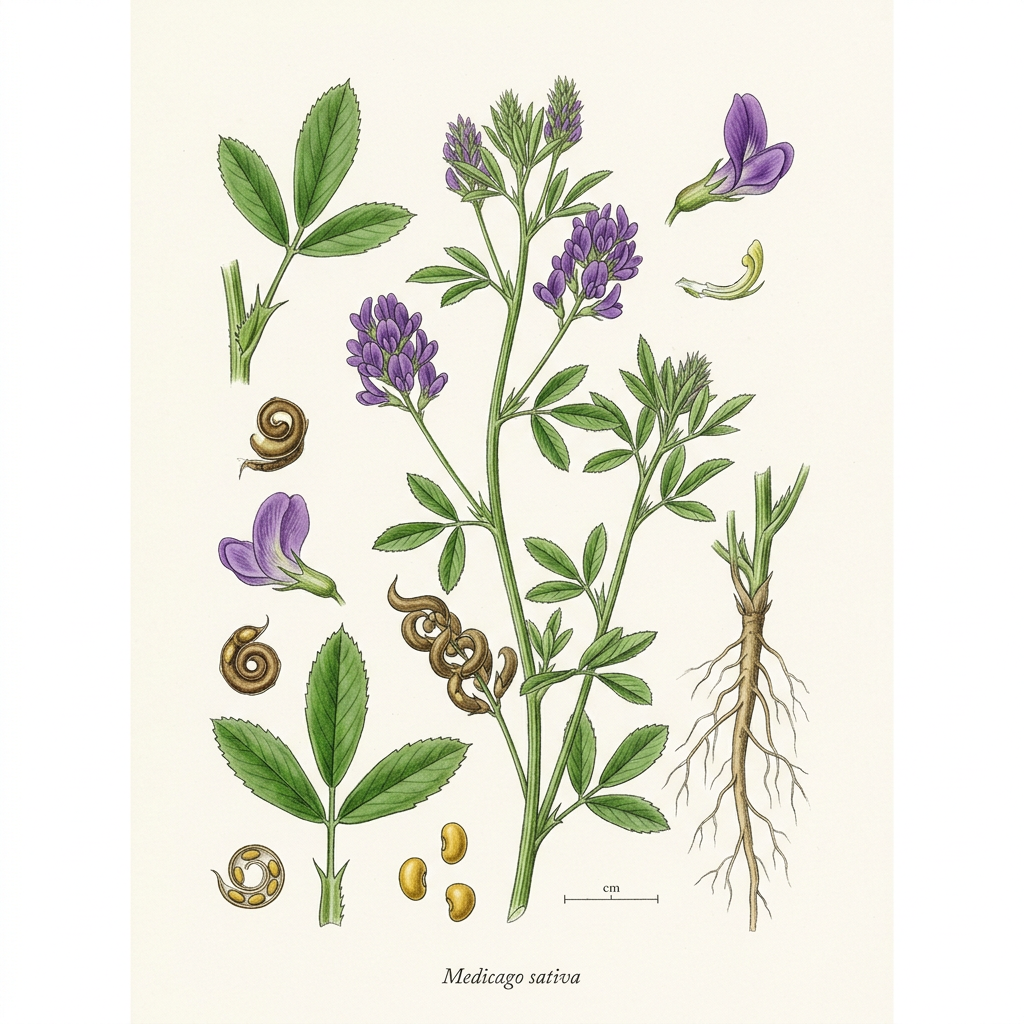
Alfalfa

Alfalfa

Medicago sativa

Nutritional Support
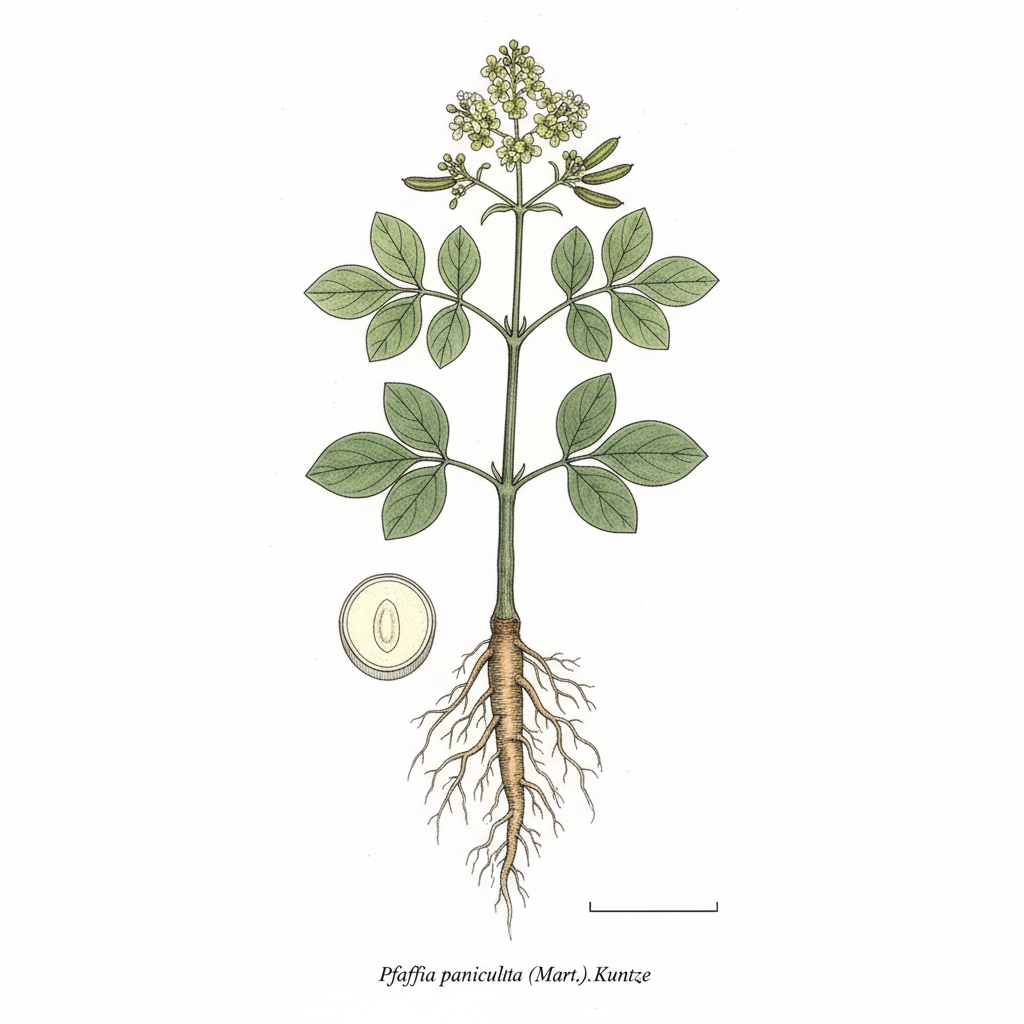
Brazillian ginseng

Brazillian ginseng

Pfaffia paniculata
Adaptation to Stress
Chaparro Amargosa

Chaparro Amargosa

Castela emoryi

Digestive Aid
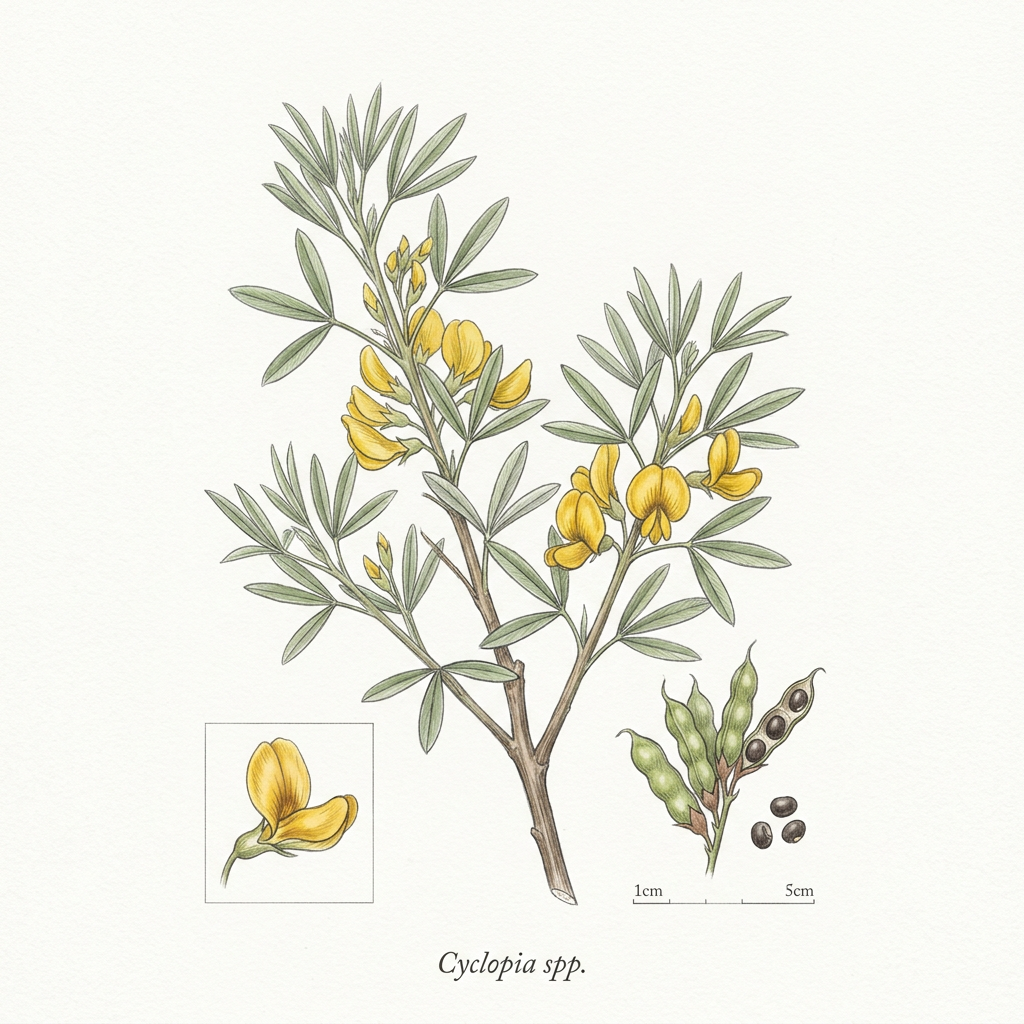
Cyclopia spp

Cyclopia spp

Cyclopia spp

Traditional beverage