The Wild Sage logo
The Wild Sage Logo

Herbal Medicine at your fingertips

Comprehensive database of herbal remedies with detailed safety information and traditional uses

New to herbal terms? Read the glossary →
ADHD
Abcess
Acid Reflux Relief
Acinetobacter
Acne
Acne Vulgaris
Addisons
Adenomyosis
Adenovirus
Adrenal fatigue
Aging
Aids
Alcaligenes faecalis
Alcoholism
Allergic Rhinitis
Allergies
Allergy
Alopoecia
Alopoecia nervosa
Alzheimer's, Dementia & Cognitive Decline
420 herbs found
Important: This information is for educational purposes only. Always consult with qualified healthcare professionals before using herbal remedies, especially if you have existing health conditions or take medications.
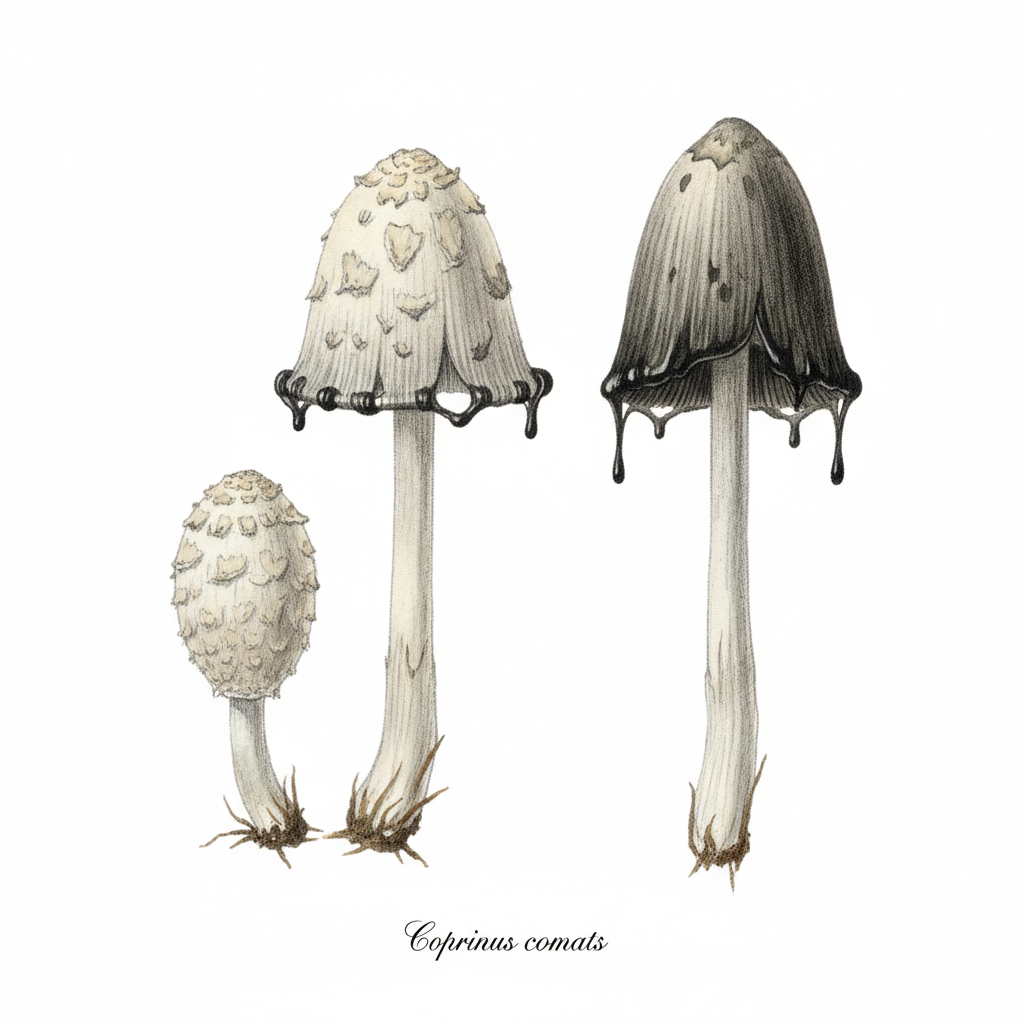
Shaggy Ink Cap

Shaggy Ink Cap

Coprinus comatus

low risk Risk
Agaricaceae
<p>Coprinus cornatus, commonly referred to as the shaggy ink cap mushroom, is a fascinating member of the Coprinaceae family, primarily found in temperate regions. This edible fungus has a long history of traditional use in various cultures, where it has been consumed not only for its unique flavor but also for its purported health benefits. In culinary traditions, particularly in Europe and Asia, this mushroom has been incorporated into soups and sautéed dishes, while in herbal medicine, it has garnered attention for its potential therapeutic properties. Historically, indigenous and local communities have utilized Coprinus cornatus in folk remedies, attributing to it various medicinal virtues. The therapeutic properties of Coprinus cornatus are notably diverse, showcasing its role as an anti-cancer agent, androgen inhibitor, hepatoprotective, and anti-diabetic herb. Current research highlights its potential to inhibit the growth of certain cancer cells, making it a subject of interest in oncology. Additionally, compounds within this mushroom have demonstrated the ability to modulate androgen activity, which may be beneficial in conditions related to excess male hormones, such as certain forms of prostate hyperplasia. The hepatoprotective properties serve to safeguard liver health, while the anti-diabetic effects may assist in the regulation of blood glucose levels, offering potential support for individuals managing diabetes. The mechanism by which Coprinus cornatus exerts its effects in the body involves several bioactive compounds, including polysaccharides, beta-glucans, and other antioxidants that contribute to its therapeutic profile. These compounds are believed to enhance immune function, combat oxidative stress, and support cellular repair processes. The anti-cancer effects are thought to originate from these antioxidants, which neutralize free radicals and reduce inflammation, thus creating an unfavorable environment for tumor development. Additionally, the androgen-inhibiting properties may be mediated through modulation of specific hormonal pathways, further underscoring the mushroom's potential as a multifaceted therapeutic agent. Through ongoing research and exploration of its bioactive constituents, Coprinus cornatus may offer promising avenues for enhancing health and well-being.</p>

Uses & Conditions

Immune Function Support
Cellular Repair Support
Antioxidant Activity
Culinary Use
Obesity
Cancer
Liver Failure
Diabetes
Alcoholism
Prostate Hyperplasia

Actions

Anti-cancer
Androgen Inhibitor
Hepatoprotective
Anti-diabetic

Parts Used

Fruiting body

Contraindications

  • Pregnancy and breastfeeding: Insufficient clinical evidence to support safety; avoid use.
  • Surgery: Discontinue use at least two weeks prior to scheduled procedures.
  • Severe liver or kidney impairment: Use only under the direct supervision of a qualified medical practitioner.
  • Hypersensitivity: Discontinue immediately if allergic reactions or skin rashes occur.

Potential Side Effects

  • Gastrointestinal upset including mild nausea or abdominal discomfort.
  • Potential for hypoglycaemic episodes.
  • Allergic contact dermatitis in sensitive individuals.

Interactions

  • Hypoglycaemic agents: May potentiate the effects of insulin or oral anti-diabetic medication.
  • Hormone therapy: Potential to modulate androgen activity may theoretically interfere with androgen deprivation therapy.
  • Hepatotoxic drugs: Use with caution alongside medications known to stress the liver.
  • Anticoagulants: Theoretical potential for additive effects with blood-thinning agents.

Dosages, tincture ratios & research — members only

Unlock Garreth's dosing guidance, tincture ratios, the dosage calculator and the research studies for Shaggy Ink Cap .

Your assessment and results stay saved — upgrading only unlocks more of them.

See membership plans

Community Photos

No community photos yet. Sign in to upload photos.

Reviews & Ratings

Sign in to leave a review.

No reviews yet. Be the first!

GF

Garreth Falls — B.Th., Dip. H.M., MNIMH

Content curated and reviewed by Garreth Falls, Consultant Medical Herbalist · The Wild Sage

Medical Disclaimer: This information is for educational purposes only and is not intended as medical advice. Always consult with qualified healthcare professionals before starting any herbal treatment.
Western tradition

Sustainability & quality

Abundant

Fast-growing; if harvesting locally, monitor for environmental contamination in urban or roadside settings.

Key constituents

Coprin, Vanadium salts, Polysaccharides (beta-glucans), Lectins, Ergosterol, Phenolic compounds

References

  1. Herbal Reality. Herb monographs. herbalreality.com

Reviewed by Garreth, Medical Herbalist (MNIMH) · November 2026

Related conditions

Explore conditions where Shaggy Ink Cap is traditionally used.

Related Herbs
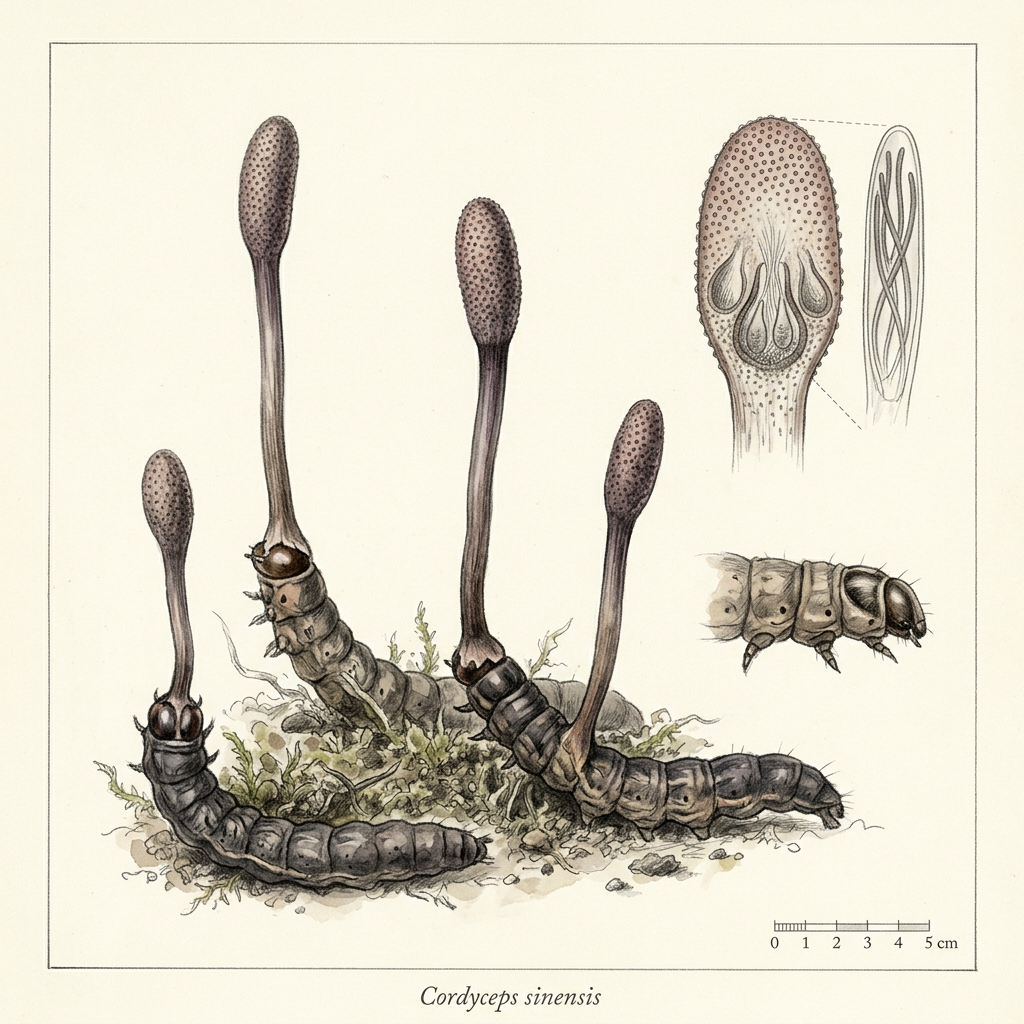
Cordyceps

Cordyceps

Cordyceps sinensis

Athletic Performance
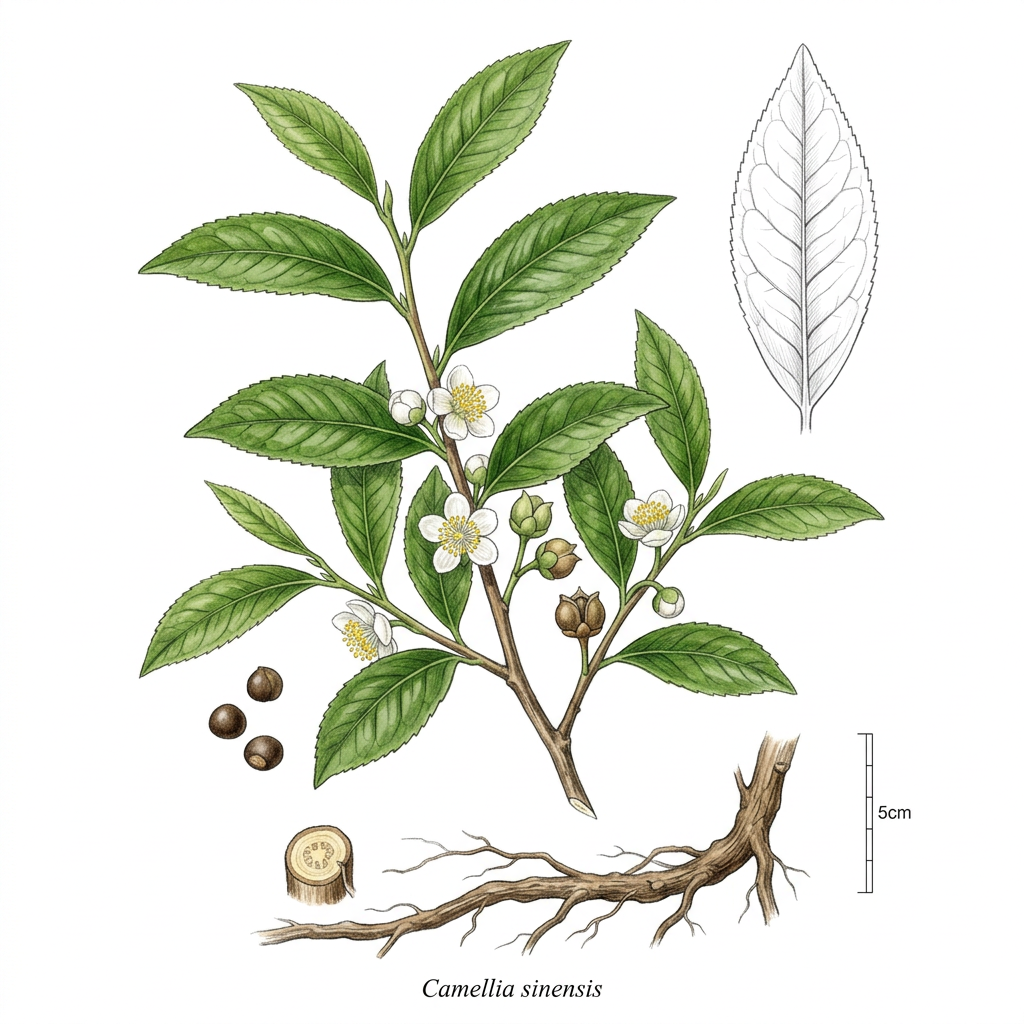
Green Tea

Green Tea

Camellia sinensis

Hypertension
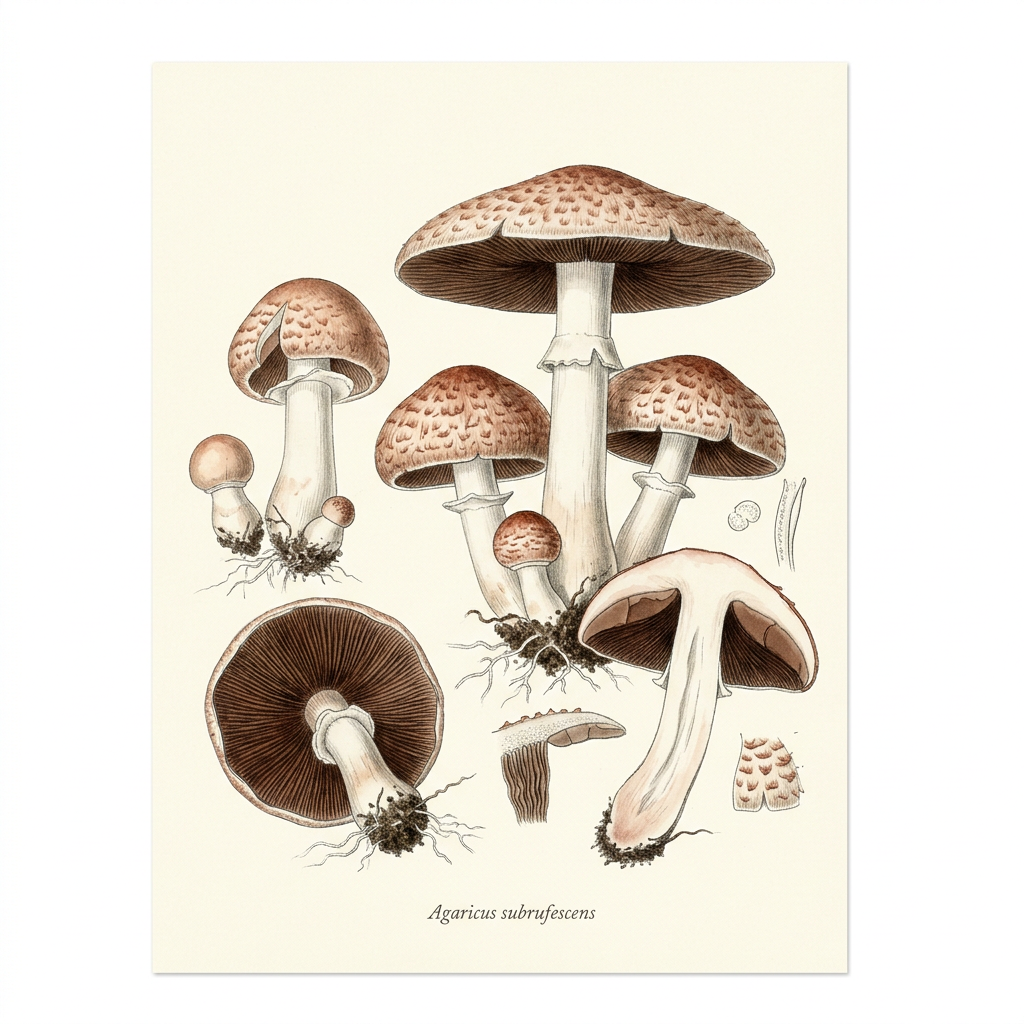
Sun Agaricus

Sun Agaricus

Agaricus subrufescens

Vitality Enhancement
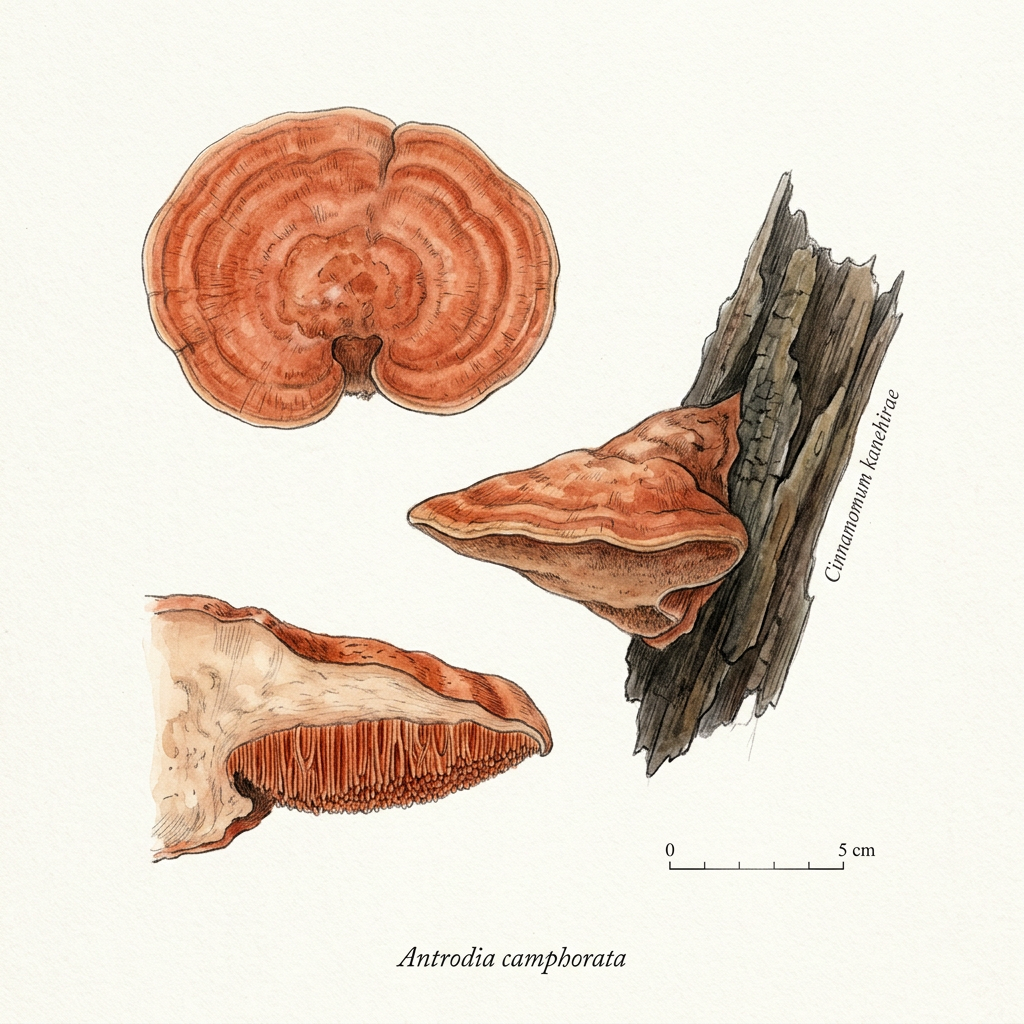
Antrodia

Antrodia

Antrodia camphorata

Immune Support