The Wild Sage logo
The Wild Sage Logo

Herbal Medicine at your fingertips

Comprehensive database of herbal remedies with detailed safety information and traditional uses

New to herbal terms? Read the glossary →
ADHD
Abcess
Acid Reflux Relief
Acinetobacter
Acne
Acne Vulgaris
Addisons
Adenomyosis
Adenovirus
Adrenal fatigue
Aging
Aids
Alcaligenes faecalis
Alcoholism
Allergic Rhinitis
Allergies
Allergy
Alopoecia
Alopoecia nervosa
Alzheimer's, Dementia & Cognitive Decline
420 herbs found
Important: This information is for educational purposes only. Always consult with qualified healthcare professionals before using herbal remedies, especially if you have existing health conditions or take medications.
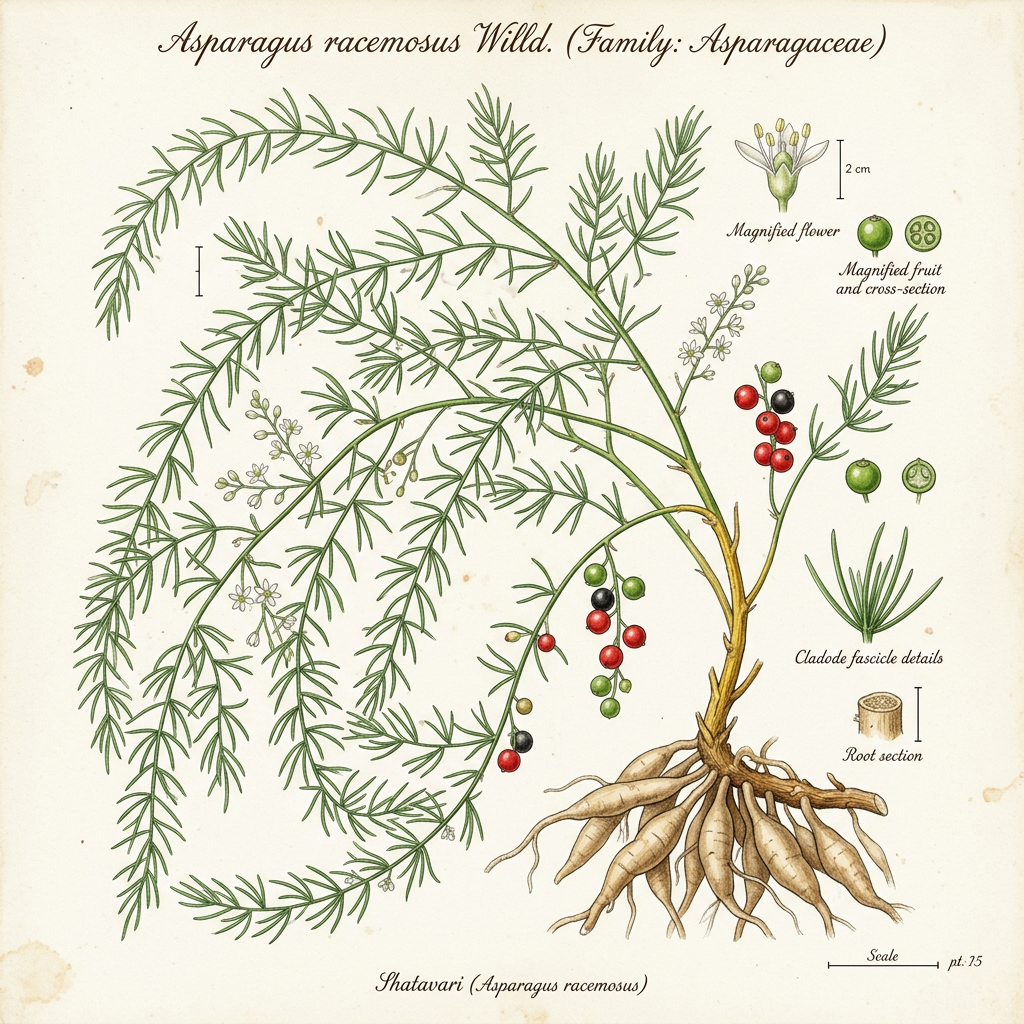
Shatavari

Shatavari

Asparagus racemosus

low risk Risk
Asparagaceae
Renowned for its cooling and soothing properties, it is traditionally used to support women's health and promote lactation.
<p>Asparagus racemosa, commonly known as the Indian asparagus or Shatavari, is a perennial herb indigenous to the Indian subcontinent. It has been revered in Ayurvedic medicine for thousands of years, earned its status as a "queen of herbs," particularly for its profound impact on reproductive health and hormonal balance. Traditionally, the roots of Asparagus racemosa have been used to enhance fertility and support lactation, making it a vital addition to women's health regimens. It is also noted for its adaptogenic properties, which aid the body in managing stress and promoting overall well-being. ### Therapeutic Properties and Benefits Asparagus racemosa is characterized by its diverse array of therapeutic actions, rendering it a versatile herb in herbal medicine. Its primary benefits include support for reproductive health, where it functions as a galactagogue, encouraging milk production in nursing mothers. It is also celebrated for its hormone-regulating properties, assisting in the balance of estrogen and progesterone levels, which can alleviate symptoms of premenstrual syndrome (PMS) and menopause. Furthermore, its adaptogenic nature promotes resilience to stress, while its anxiolytic effects can contribute to improved mental health by reducing anxiety and depressive symptoms. In addition to its hormonal benefits, Asparagus racemosa exhibits notable cardiotonic, diuretic, and immune-stimulating properties. By improving circulation and offering protective effects on the liver, it supports overall cardiovascular health. The herb is also equipped with antibacterial and antioxidant properties, providing a natural defense against pathogens and oxidative stress. Its spasmolytic and stomachic actions assist in digestive health, making it beneficial for individuals with gastrointestinal discomfort. ### Mechanisms of Action The multifaceted actions of Asparagus racemosa can be attributed to its rich phytochemical composition, which includes saponins, alkaloids, and flavonoids. These compounds work synergistically to enhance overall vitality and resilience. For instance, saponins are known to play a crucial role in promoting hormonal balance and may modulate the secretion of various hormones through their influence on the endocrine system. The herb's anti-inflammatory and soothing properties are primarily due to its demulcent nature, which aids in calming irritations within the gastrointestinal tract and enhancing nutrient absorption. Furthermore, Asparagus racemosa’s role as an adaptogen promotes homeostasis, supporting the body’s response to stressors by regulating cortisol and other stress-related hormones, thereby reducing symptoms associated with anxiety and depression. This comprehensive range of benefits makes Asparagus racemosa not only a cornerstone of women's health but a valuable ally for anyone seeking to enhance general wellness. Whether consumed as a powder, tincture, or in herbal formulations, this revered plant continues to be embraced for its profound therapeutic potential.</p>

Uses & Conditions

Hormonal Balance
Reproductive Health
Lactation Support
Stress Resilience
Digestive Health
Immune Support
Lactation insufficiency
Menopause symptoms
Infertility
Calculi
Cancer
Fatigue
Miscarriage
PCOS
Hormone imbalance
Gastrointestinal discomfort
Adrenal fatigue

Actions

Adaptogen
Anxiolytic
Aphrodisiac
Antidepressant
Antibacterial
Antioxidant
Anticancer
Antidiarrhoeal
Antitussive
Cardiotonic
Carminative
Demulcent
Diuretic
Galactogogue
Hepatoprotective
Hypoglycaemic
Immunomodulator
Neuroprotective
Spasmolytic
Stomachic
Tonic

Parts Used

Tuberous roots

Native Countries

India
Nepal
Sri Lanka
Himalayan region
Southeast Asia

USDA Hardiness Zones

9
10
11

Contraindications

  • Known allergy or hypersensitivity to the Asparagaceae family
  • Oestrogen-dependent cancers or conditions
  • Severe fluid retention or oedema arising from congestive heart failure or renal dysfunction
  • Acute
  • untreated respiratory congestion with excess mucus

Potential Side Effects

  • Mild gastrointestinal upset or bloating
  • Allergic skin reactions upon topical application
  • Weight gain associated with long-term high-dose consumption

Interactions

  • Diuretics: may potentiate effect and lead to electrolyte imbalance
  • Lithium: diuretic effect may decrease renal excretion and increase risk of toxicity
  • Oestrogen-based therapies: theoretical interaction risk
  • Hypoglycaemic agents: may lower blood glucose and enhance diabetes medications

Dosages, tincture ratios & research — members only

Unlock Garreth's dosing guidance, tincture ratios, the dosage calculator and the research studies for Shatavari.

Your assessment and results stay saved — upgrading only unlocks more of them.

See membership plans

Community Photos

No community photos yet. Sign in to upload photos.

Reviews & Ratings

Sign in to leave a review.

No reviews yet. Be the first!

GF

Garreth Falls — B.Th., Dip. H.M., MNIMH

Content curated and reviewed by Garreth Falls, Consultant Medical Herbalist · The Wild Sage

Medical Disclaimer: This information is for educational purposes only and is not intended as medical advice. Always consult with qualified healthcare professionals before starting any herbal treatment.
Ayurvedic tradition

Sustainability & quality

At risk

High demand has placed pressure on wild sources; prioritize cultivated batches and demand sustainable harvesting certificates.

Key constituents

Steroidal saponins (shatavarins I-IV), Asparagamine A, Racemosol, Mucilage, Isoflavones, Polysaccharides, Flavonoids

References

  1. Pole "Ayurvedic Medicine" 2006
  2. Herbal Reality. Herb monographs. herbalreality.com

Reviewed by Garreth, Medical Herbalist (MNIMH) · November 2026

Related conditions

Explore conditions where Shatavari is traditionally used.

Related Herbs
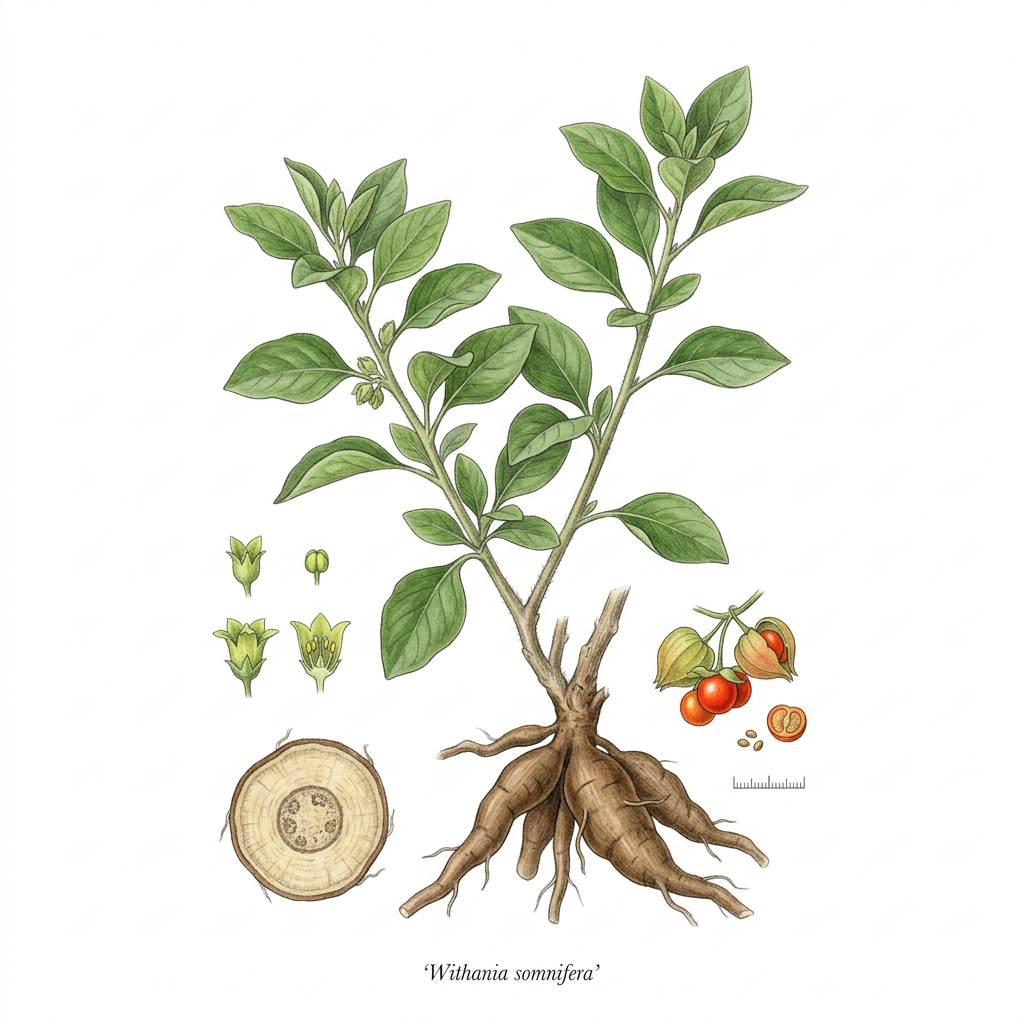
Ashwagandha

Ashwagandha

Withania somnifera

Immune Support
Ginseng

Ginseng

Panax ginseng

Energy Booster
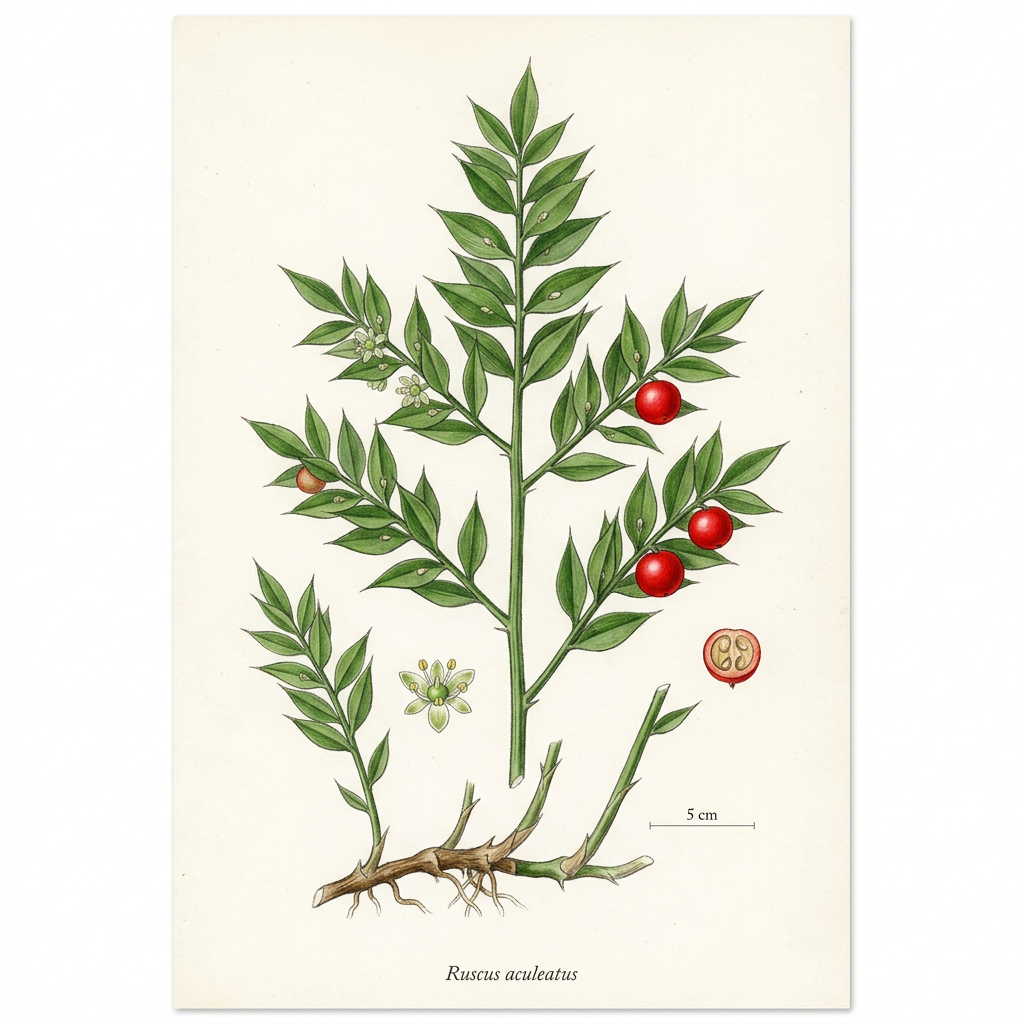
Butcher's Broom

Butcher's Broom

Ruscus aculeatus

Vascular Health
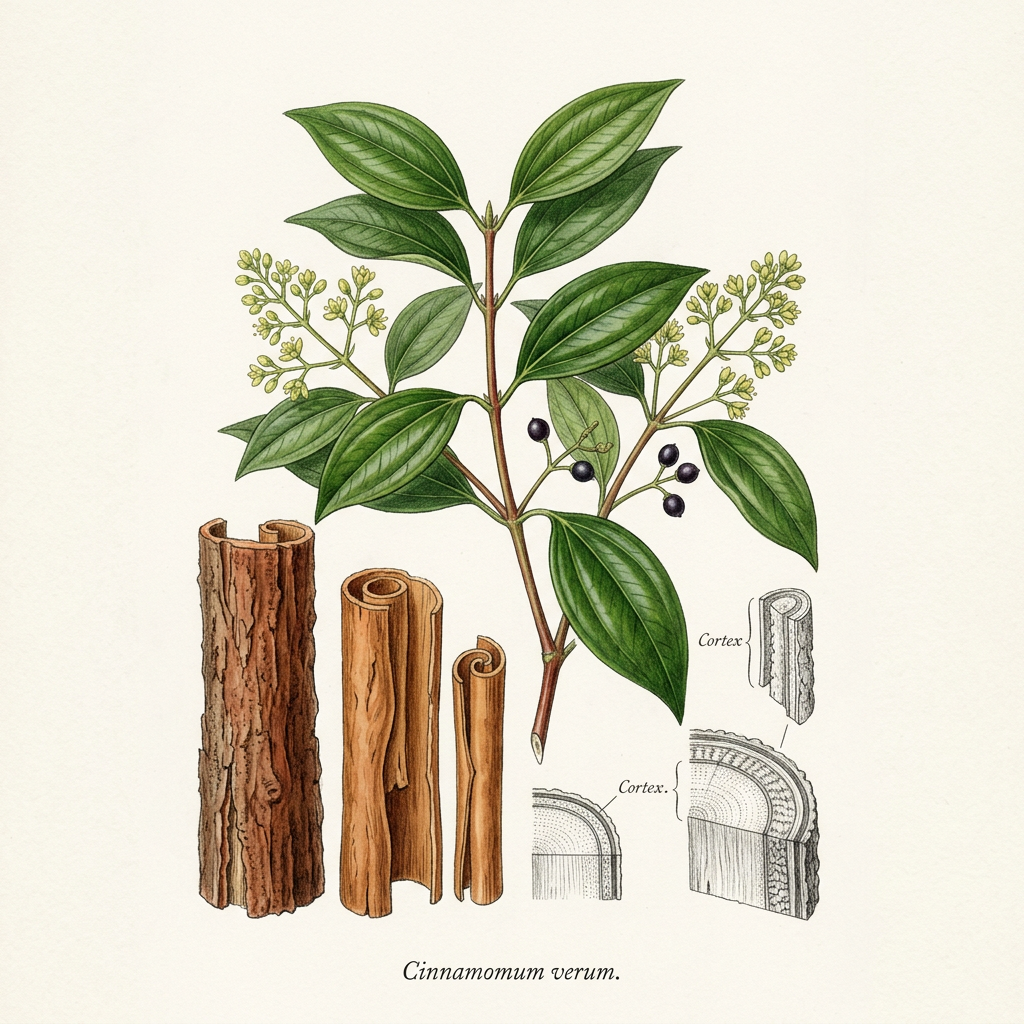
Cinnamomum verum

Cinnamomum verum

Cinnamomum verum

Digestive Support